Email Us
han@huayuwtr.com

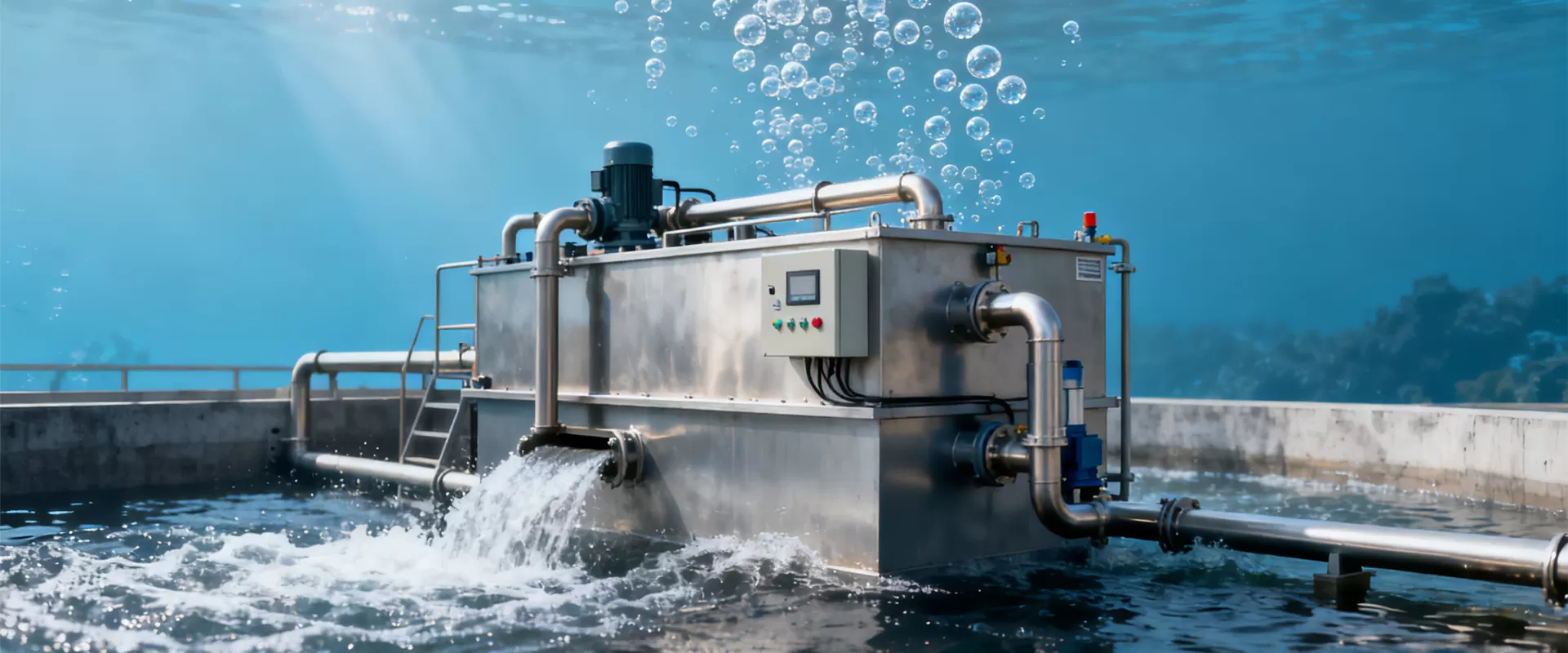
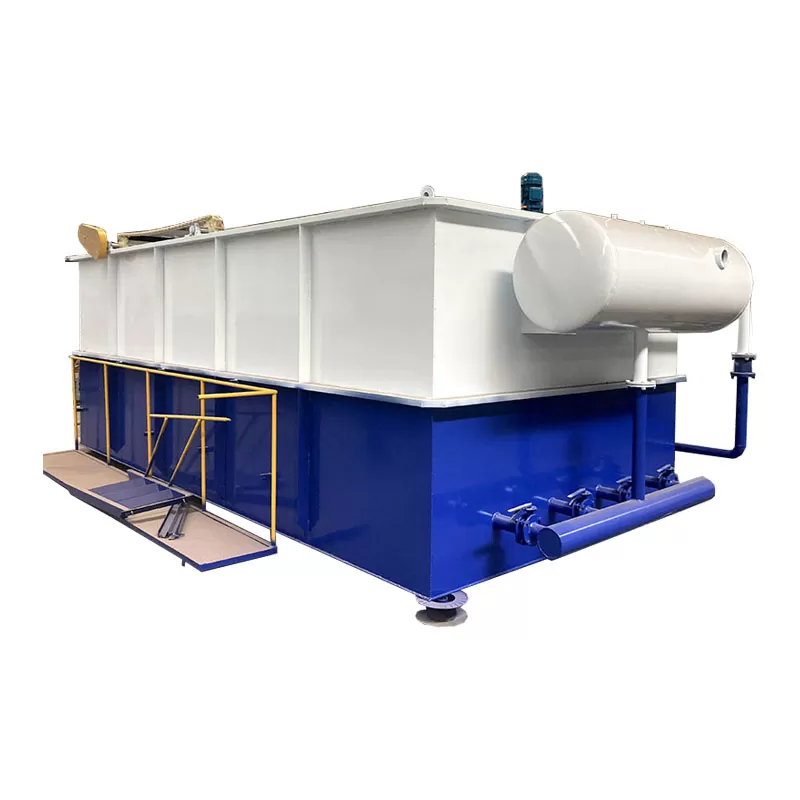
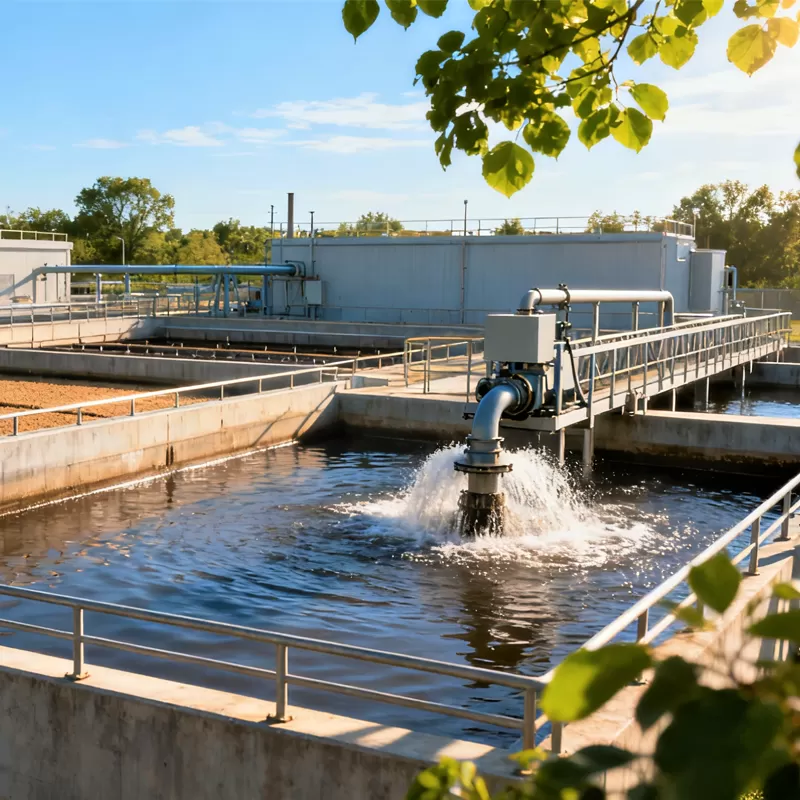
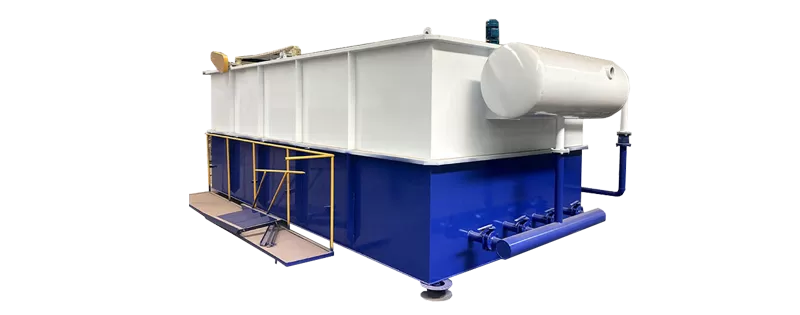
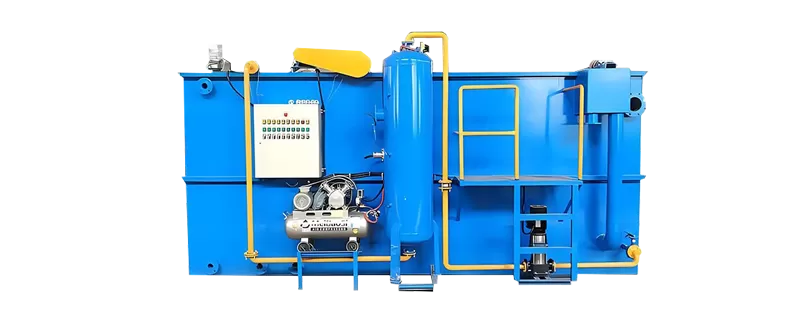
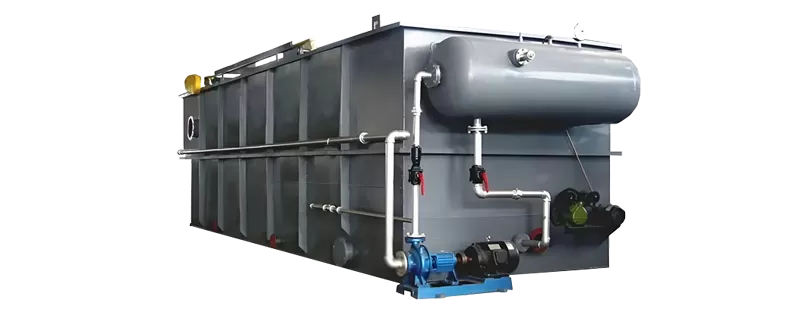
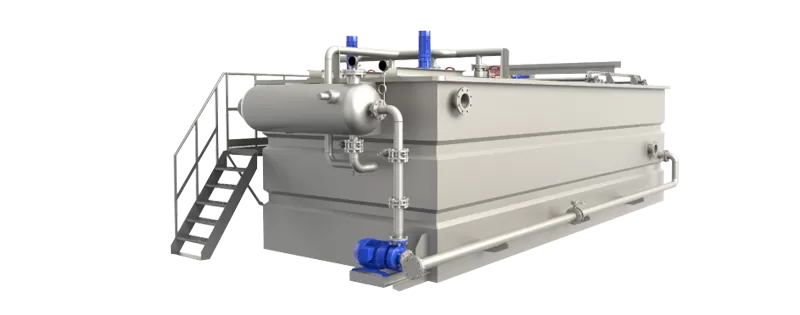
An air flotation machine is a vital water treatment system designed for efficient separation of suspended solids, oils, and other contaminants from wastewater. Utilizing a dissolved air flotation (DAF) process, it dissolves air under pressure and releases microscopic bubbles. These bubbles attach to solid particles, causing them to float to the surface, where they are removed by a skimming mechanism. This technology is renowned for its high efficiency, compact design, and rapid processing speed. It is widely applied across various industries, including municipal wastewater treatment, food processing, petrochemical, and paper manufacturing, significantly improving water quality and enabling effective water reuse or safe discharge.
Principle of Operation
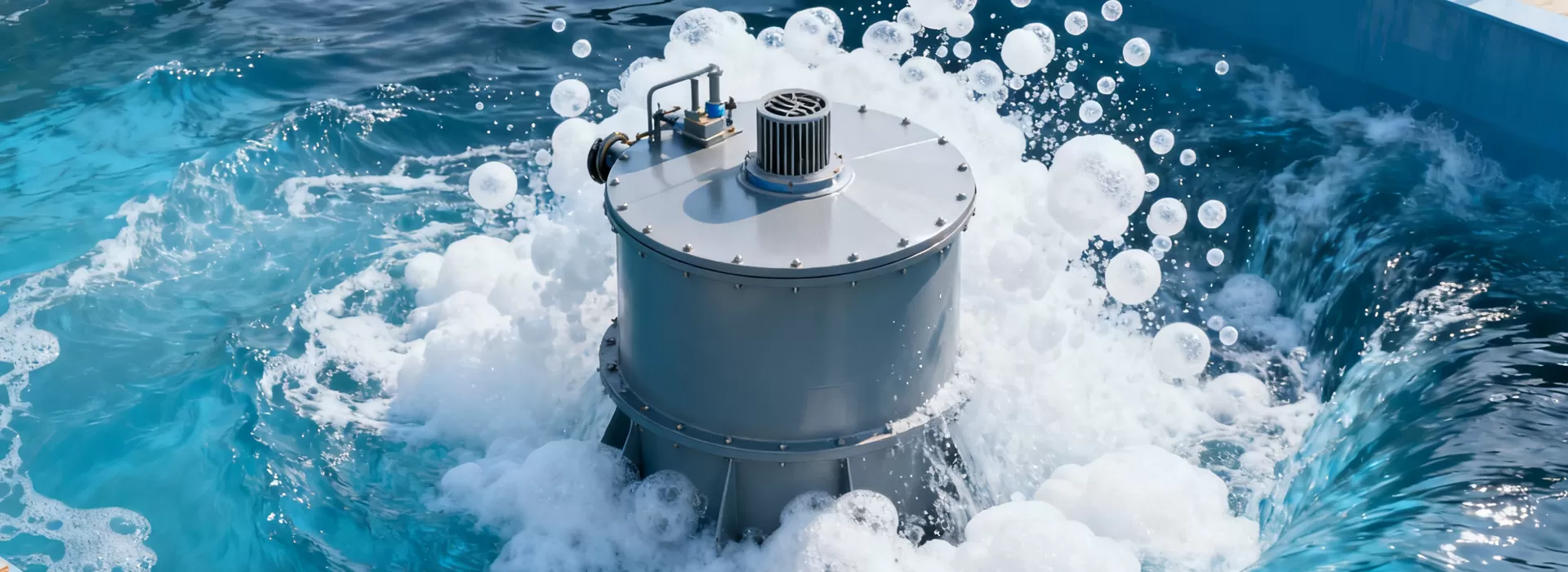
It works by dissolving air into wastewater under pressure. When released at the atmospheric pressure in a tank, microscopic bubbles attach to oil droplets and suspended solids, causing them to float to the surface for easy removal.
Enhanced Separation
The system often uses chemical coagulants and flocculants to cluster fine particles, making them larger and easier for the air bubbles to capture, which significantly improves removal efficiency.
Key Applications
This technology is highly effective for treating industrial wastewater from sectors like petroleum, food processing, and chemical manufacturing, where separating free oils, greases, and suspended solids is crucial before further treatment.
System Advantages
It offers a compact, reliable, and fast separation process, handling high hydraulic loads efficiently. This results in high-quality effluent and reduced biological treatment load downstream.
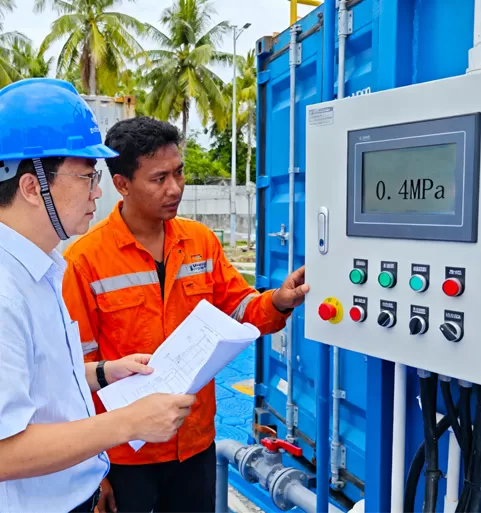
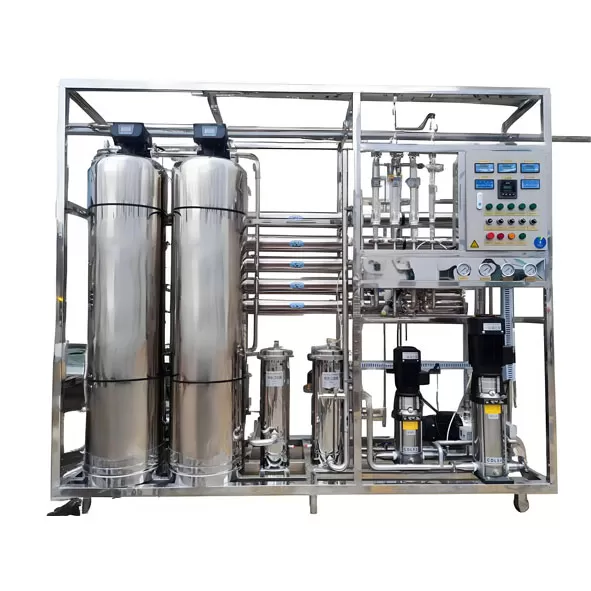
Air flotation machines are core equipment for sewage treatment, using microbubbles to adsorb suspended solids, oils, and colloids, then floating them for separation. They excel in low-energy consumption and high efficiency, making them ideal for pre-treatment or deep purification in food processing, textile, petrochemical, and electroplating industries.
Case: A large-scale seafood processing plant in Indonesia purchased our machines. Within 3 months of operation, it reduced wastewater oil content by over 80% and suspended solids by 65%, fully complying with Indonesia’s environmental regulations and avoiding production shutdown risks.
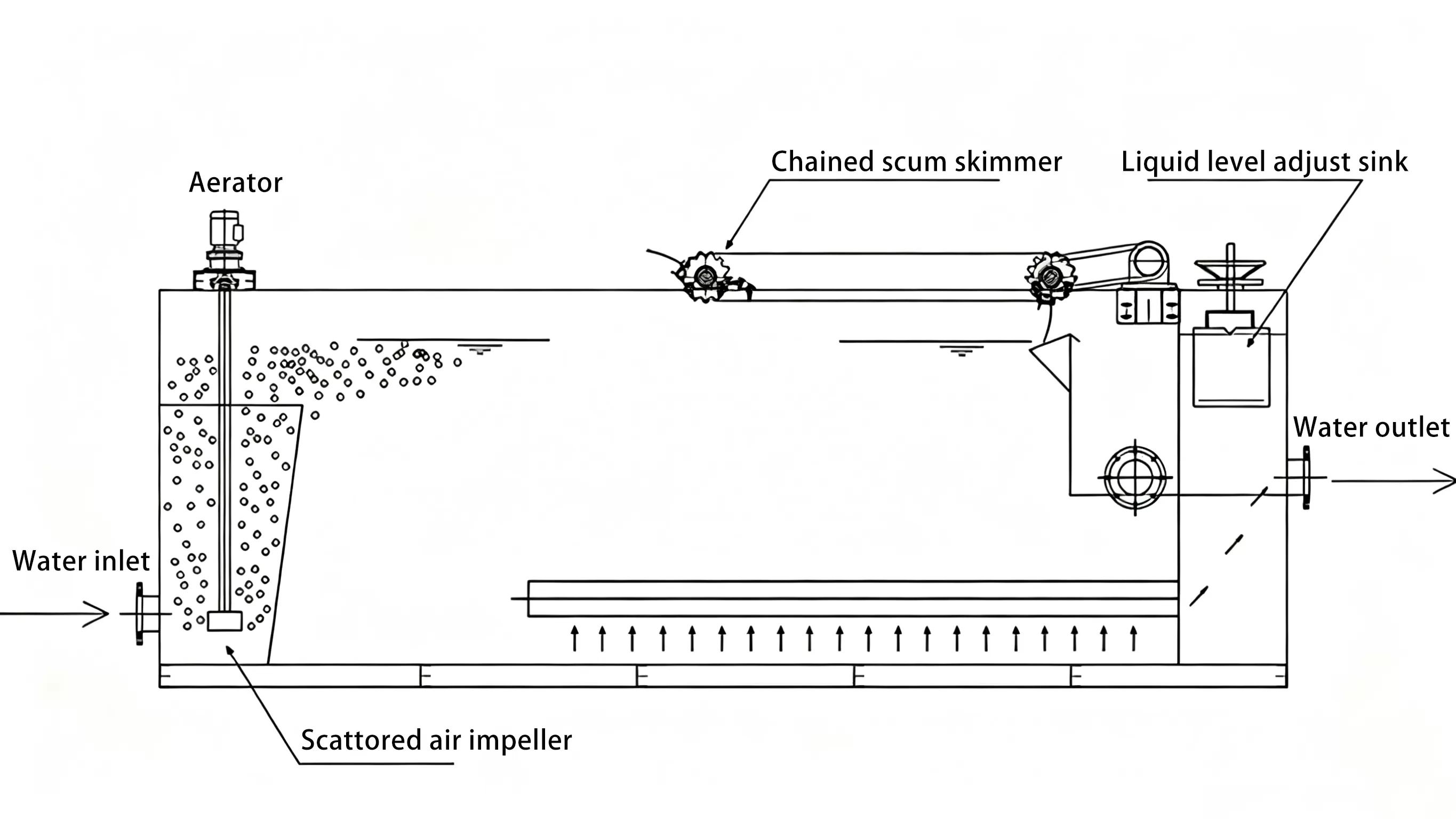
Water Inlet: Raw wastewater (with suspended solids) is pumped into the flotation tank, and coagulants/flocculants are added to form larger flocs.
Air Dissolution: Compressed air mixes with recycled water in a pressure vessel, creating a supersaturated air-water mixture.
Air Bubble Release: The mixture is released into the tank. Sudden pressure drop generates tiny air bubbles (10-100μm).
Floc Attachment: Bubbles adhere to flocs, forming buoyant aggregates that rise to the water surface.
Sludge & Water Separation: Surface scum (floc-bubble aggregates) is scraped off. Treated water is discharged from the tank bottom.