Water Volume: Calculate the total daily usage (liters/day) and peak flow rate (liters/minute).
Water Quality: Test the raw water to identify the target pollutants that need to be removed.
Standard: Determine the required water purity based on the final use (such as laboratory experiments, production processes, drinking).
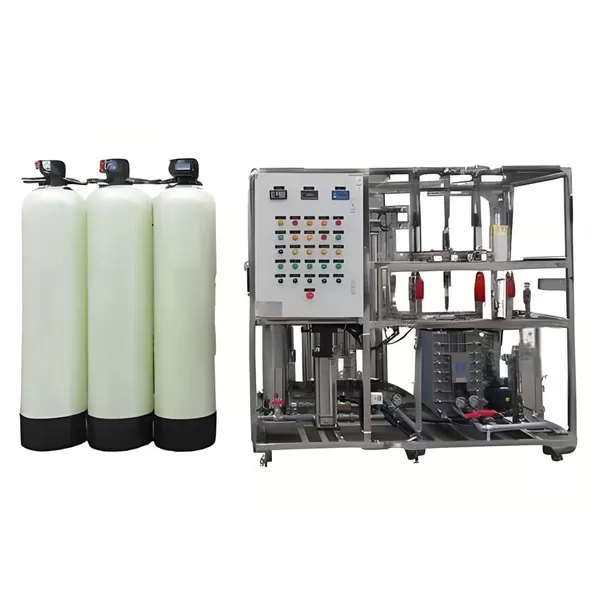
Process: Based on the above three factors, match and combine pretreatment, reverse osmosis (RO), ultrafiltration (UF), and electrodeionization (EDI) systems.
Redundancy: Evaluate whether backup capacity is needed to ensure continuous operation and scalability.
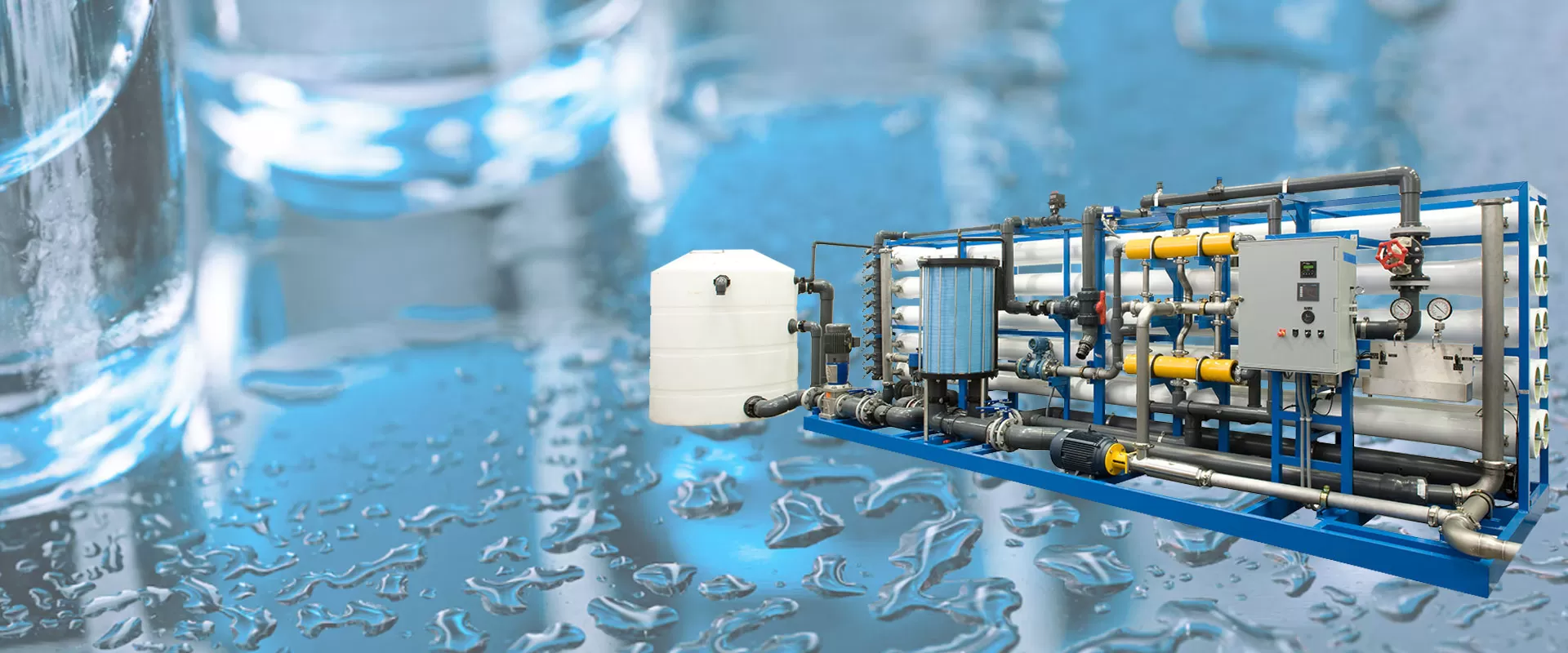
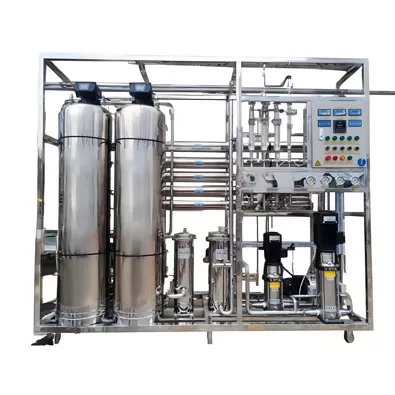
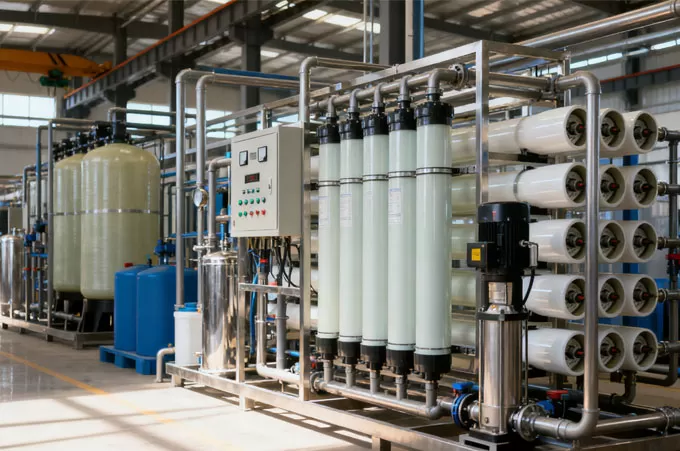
As a professional water purification equipment manufacturer, HuaYu provides multifunctional water purification equipment designed for both household and commercial use. Our systems use advanced multi-stage filtration technology to effectively remove pollutants, bacteria, and heavy metals while helping retain essential minerals.
For customers looking for reliable water purification equipment for sale, HuaYu offers efficient and durable solutions that deliver safe and stable water for individual households, commercial spaces, and high-demand business environments. With intelligent filter monitoring and low energy consumption, our equipment is easy to operate and helps reduce long-term operating costs.
Compared with many industrial water purification companies, HuaYu focuses on stable performance, flexible configuration, and dependable after-sales support. As one of the trusted water purification equipment suppliers, we provide customized solutions based on different water quality requirements, application scenarios, and budget needs. Customers can also contact us for detailed water purification equipment prices and system recommendations.

| System | Main Function | Best For | Buyer Notes |
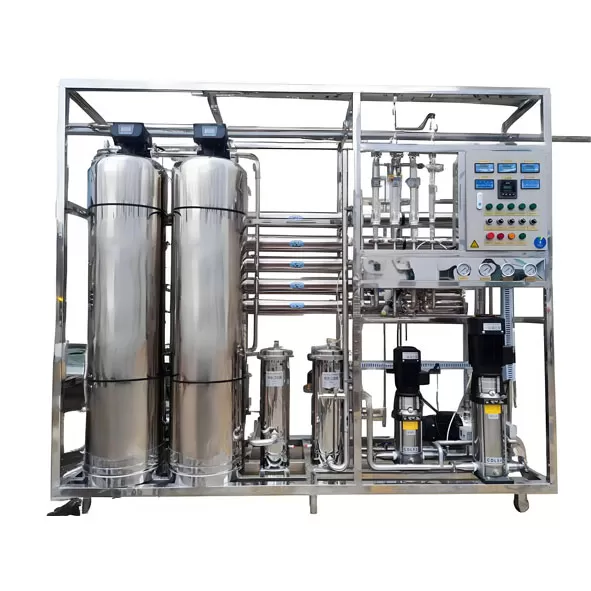
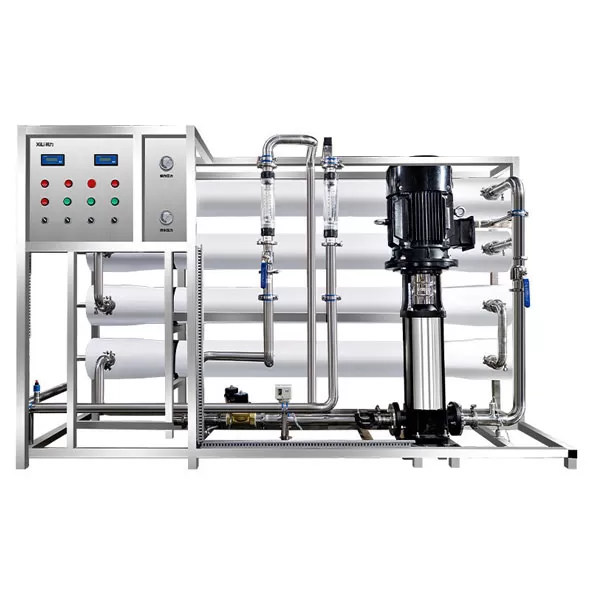
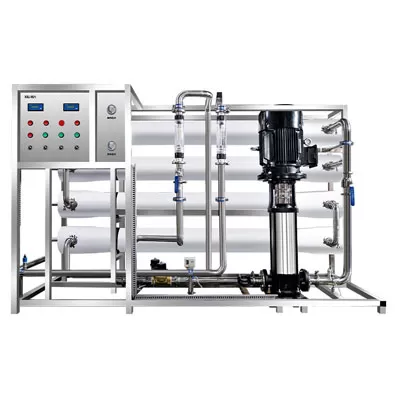
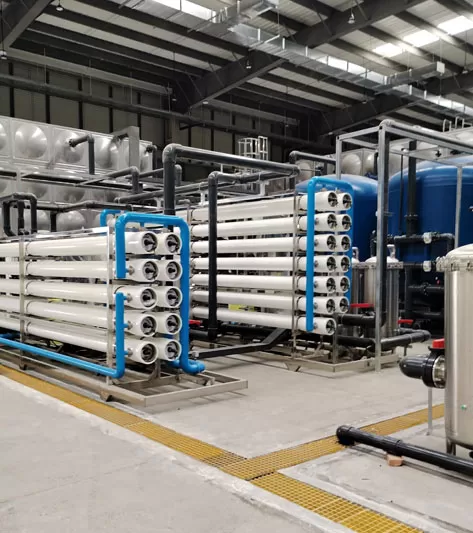
| RO Reverse Osmosis System | Removes dissolved salts, ions and impurities | Drinking water, process water, boiler feed, industrial purification | Suitable as the core desalination system |
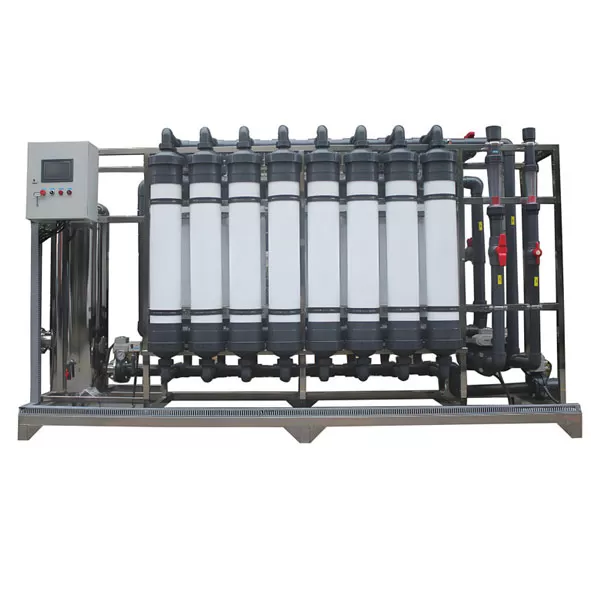
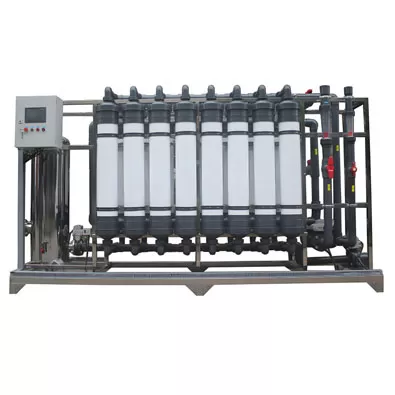
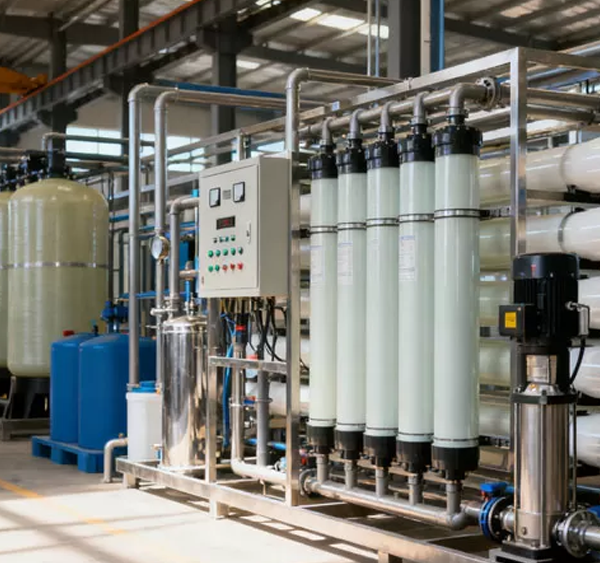
| UF Ultrafiltration System | Removes particles, colloids, bacteria and suspended solids | Pretreatment, wastewater reuse, food and beverage water | Often used before RO |
| NF Nanofiltration System | Selective removal of organics and divalent ions | Softening, partial desalination, concentration | Lower energy than RO in selected applications |
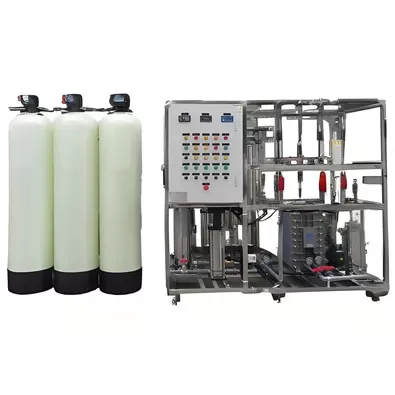
| EDI Water System | Continuous deionization without chemicals | Pharmaceutical, electronics, laboratory, power plants | Usually used after RO for high-purity water |
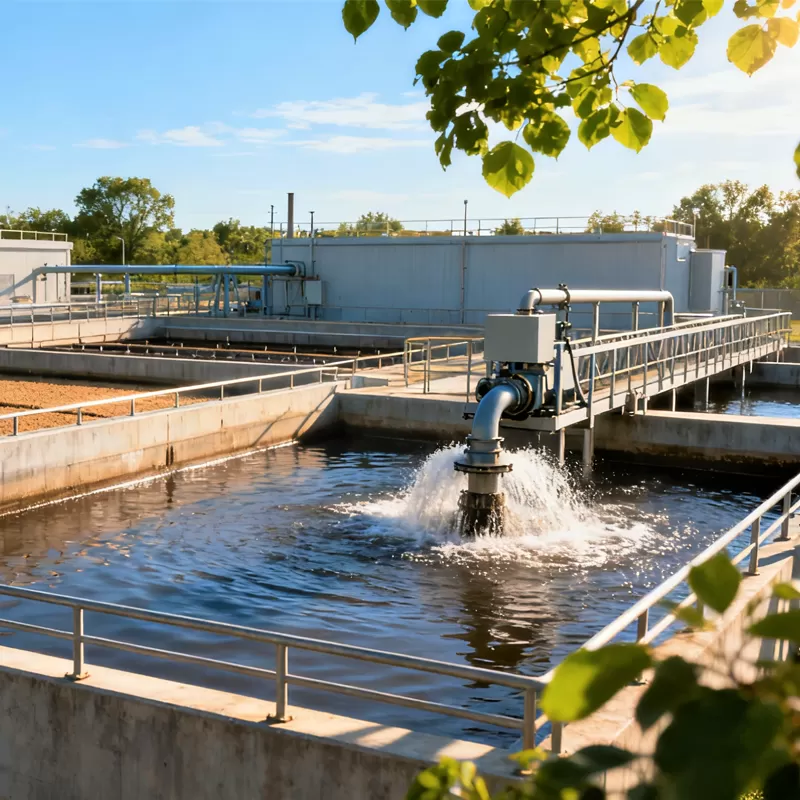
Industrial water purification systems remove contaminants through a multi-stage process. They typically involves pre-treatment (screening, sedimentation), core purification (reverse osmosis, ion exchange), and final disinfection (UV, chlorination). These stages collectively eliminate particles, dissolved salts, and microorganisms, producing high-purity water for industrial applications such as manufacturing, cooling, and boiler feed, ensuring operational efficiency and equipment protection.
When comparing water purification equipment suppliers, check whether they can provide process design, manufacturing capability, system configuration, technical documentation, after-sales support and realistic pricing based on actual water quality.
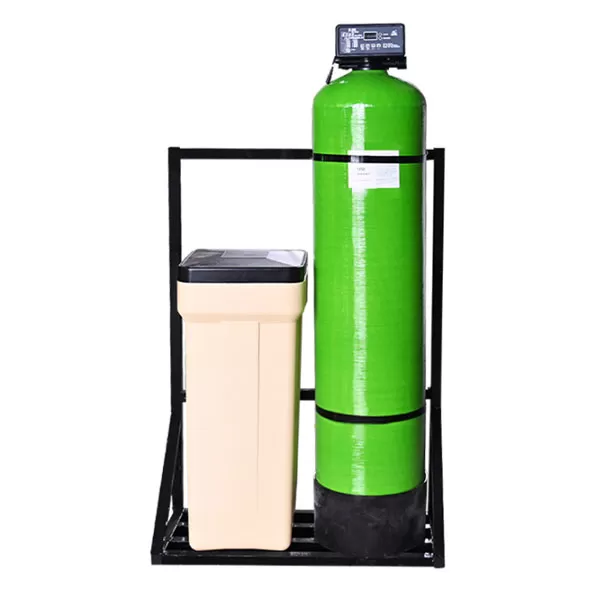
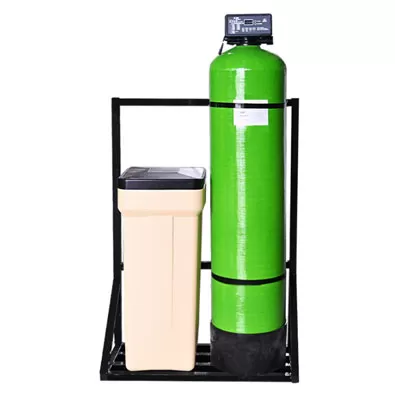
Water purification equipment is a system used to remove impurities, suspended solids, dissolved salts, hardness, bacteria and other contaminants from water. Common technologies include RO, UF, NF, EDI, water softening, UV disinfection and pretreatment filtration.
RO removes dissolved salts and ions, UF removes suspended solids and microorganisms, NF provides selective separation and softening, while EDI produces high-purity water without chemical regeneration. These systems can be combined according to water quality requirements.
To get an accurate water purification equipment price, provide your raw water analysis, required flow rate, final water quality standard, application industry and installation requirements. Huayu will recommend the process and equipment configuration based on your project.
Yes. Most industrial water purification equipment should be customized because raw water quality, capacity, operating conditions and final water standards vary by project.