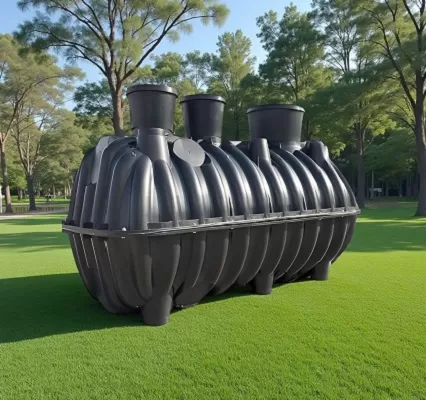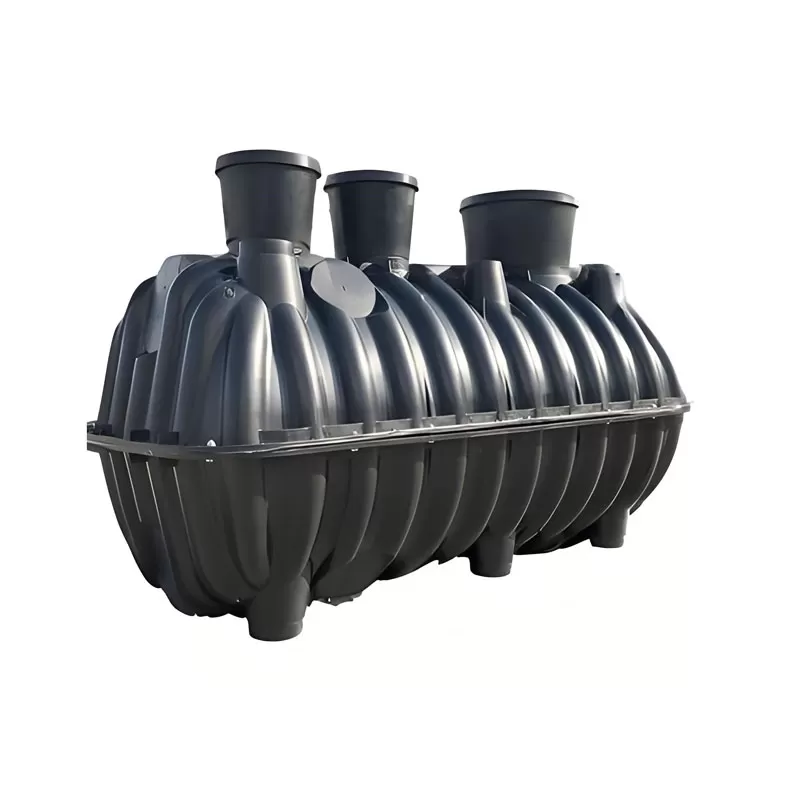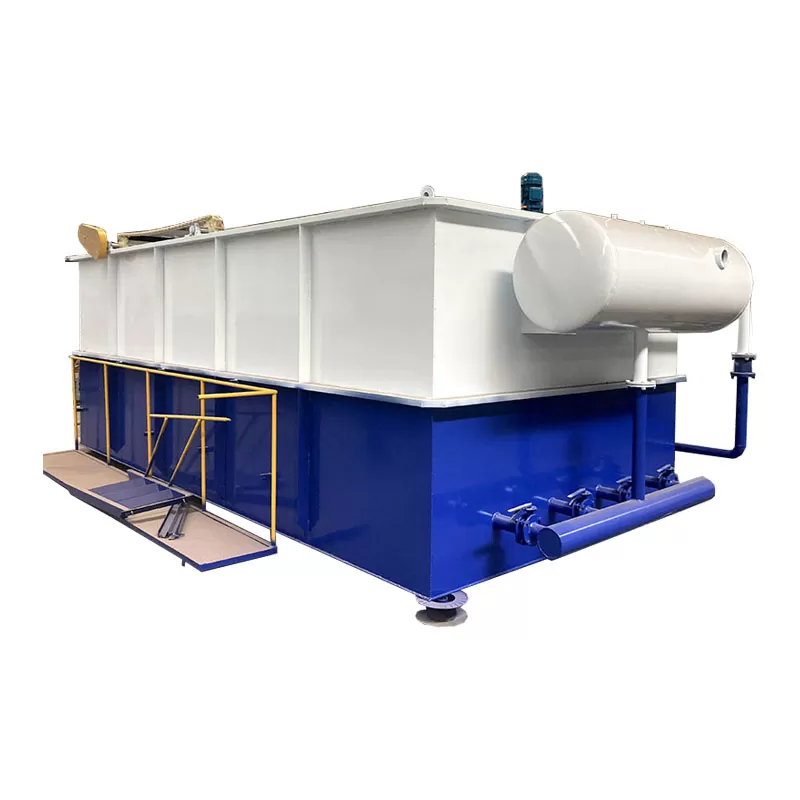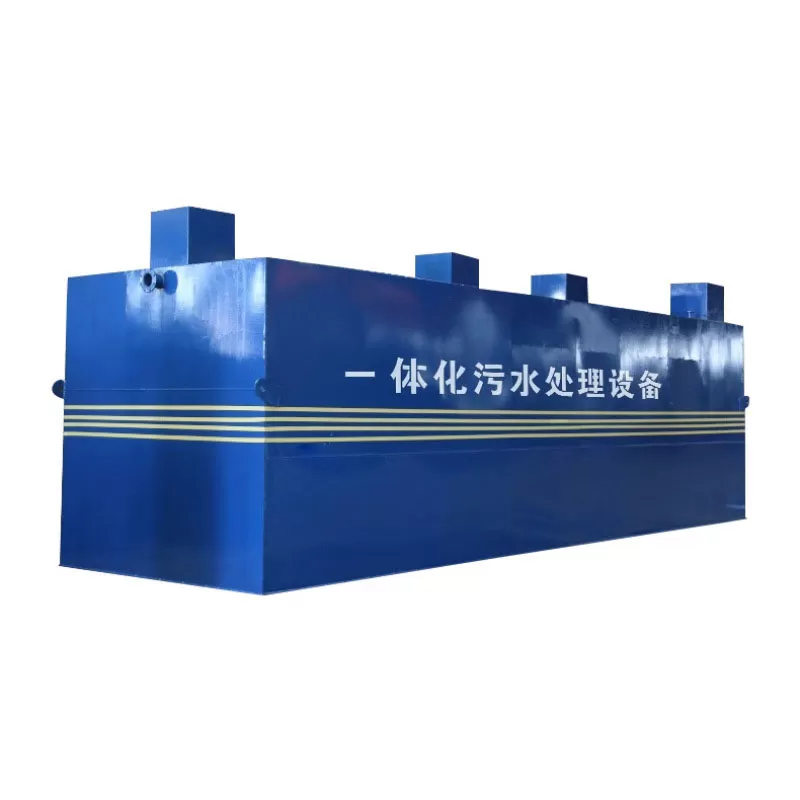
For homes, rural communities, temporary construction facilities, small hotels, and sites without access to a municipal sewer, wastewater treatment often needs to be simple, dependable, and economical. A three-chamber polyethylene septic tank can provide an effective first treatment stage without the footprint or mechanical complexity of a conventional centralized plant.
The important point, however, is to understand what the tank actually does. A septic tank is not simply an underground container, nor should it automatically be treated as a complete wastewater treatment plant. Its performance depends on hydraulic loading, retention time, chamber design, installation conditions, sludge management, and what happens to the effluent after it leaves the tank.
Wastewater first enters a chamber where heavier suspended solids settle and lighter materials such as fats and grease remain near the surface. The partially clarified liquid then moves through the next chambers, giving anaerobic microorganisms more time to break down biodegradable organic matter.
This staged movement is the basic principle behind the septic tank treatment process. Instead of allowing incoming sewage to flow directly to a discharge point, the tank slows the wastewater and separates solids from the liquid fraction before subsequent treatment or disposal.
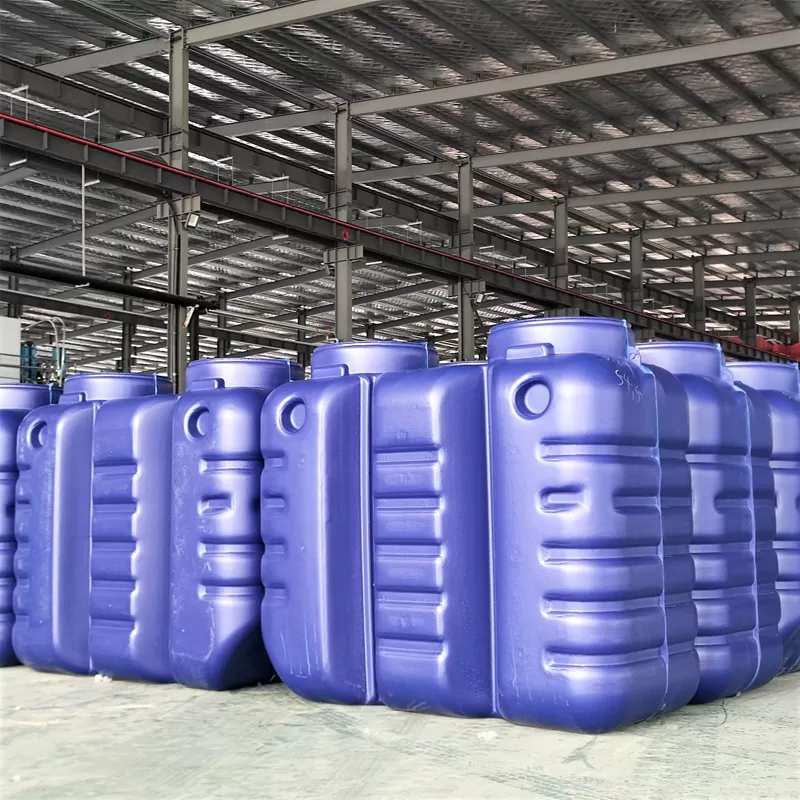
Huayu's current three-chamber design uses separate sections for sedimentation, anaerobic decomposition, and further clarification. This type of configuration can be useful where straightforward primary treatment is required before soil infiltration or another downstream treatment stage.[1]
Traditional concrete tanks remain common, but transport and installation can become difficult when a project is remote or has limited access for heavy lifting equipment.
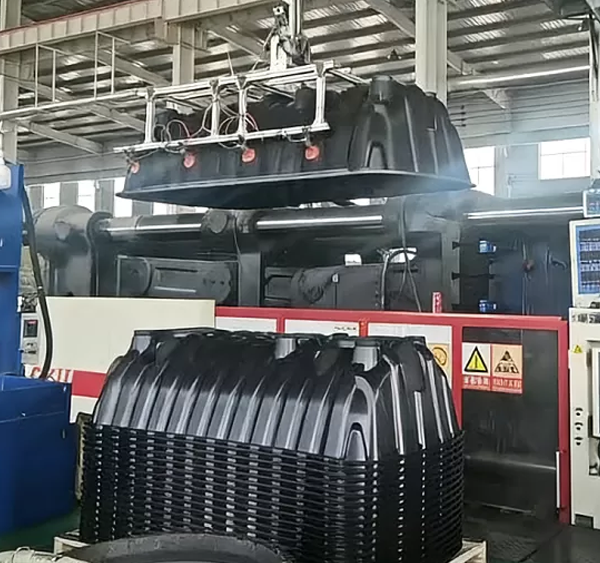
A pe septic tank offers a different installation profile. Polyethylene is lightweight compared with concrete and is resistant to corrosion under many wastewater conditions. Huayu's product range uses PE construction and is designed for applications including rural households, villas, small communities, construction sites, and other decentralized wastewater projects.
Lower weight can simplify transportation and positioning, but buyers should not choose a tank based on material alone. Soil conditions, groundwater level, burial depth, external loads, buoyancy risk, inlet and outlet elevations, and local installation requirements all need to be considered before construction.
Capacity is only one part of the specification. Procurement teams should provide expected daily wastewater volume, peak flow, number of users, wastewater source, installation depth, site conditions, inlet elevation, outlet requirements, and the intended downstream treatment method.
For a septic tank for wastewater treatment project, buyers should also clarify whether the tank will serve a residential development, commercial facility, temporary worksite, or as pretreatment before a larger sewage treatment system.
Useful questions for a supplier include:
Is the capacity based on actual hydraulic loading or only tank dimensions?
How are the three chambers divided internally?
How can sludge be inspected and removed?
What installation measures are required in areas with high groundwater?
Can inlet, outlet, inspection openings, and tank capacity be customized?
What treatment stage follows the septic tank?
These details often have more influence on long-term performance than comparing purchase prices alone.
Septic tanks are primarily a solids-separation and anaerobic pretreatment technology. The U.S. EPA describes conventional septic systems as consisting of both a septic tank and a drainfield, with additional treatment occurring after effluent leaves the tank.[2]
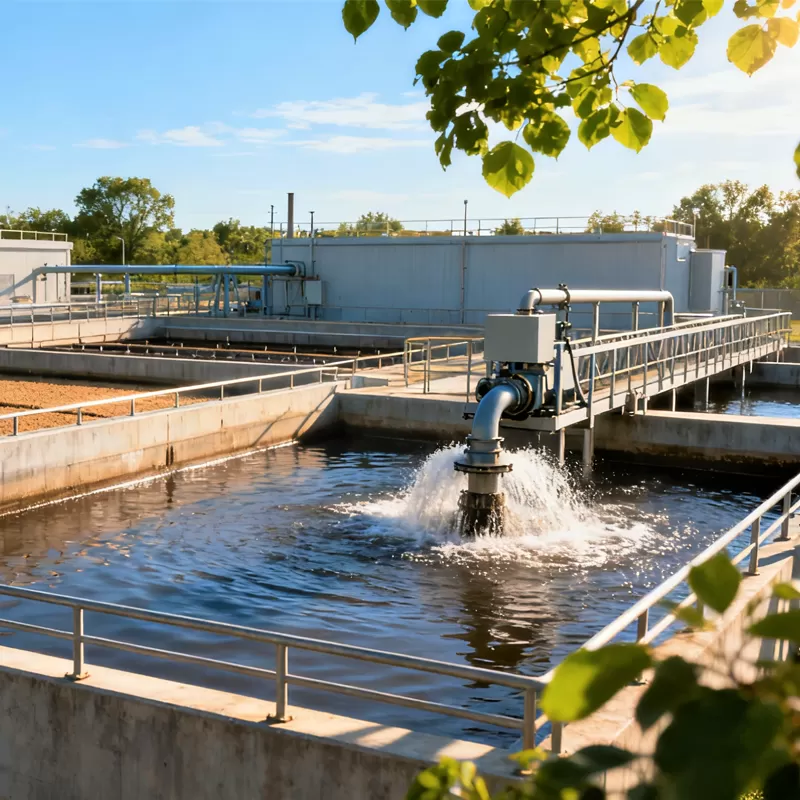
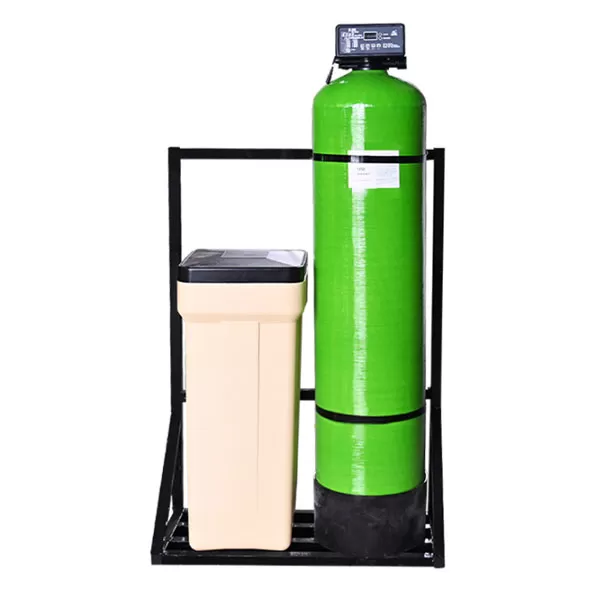
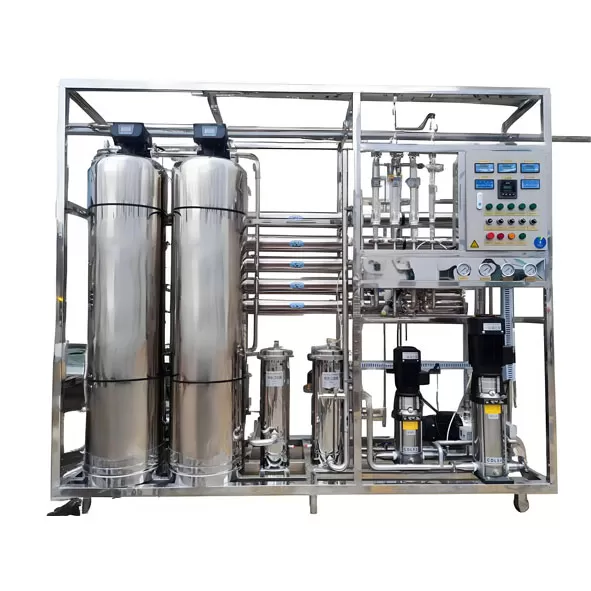
That distinction matters for industrial and commercial projects. If the required discharge standard is strict, septic-tank effluent may need additional biological treatment, filtration, disinfection, or another polishing process.
For this reason, the most useful engineering question is not simply, “Which tank should we buy?” It is, “What role should the tank perform within the entire wastewater treatment train?”
Wastewater passes progressively through separate chambers. Solids settle, anaerobic microorganisms break down part of the organic matter, and the liquid becomes progressively clarified before leaving the tank for further treatment or disposal.
Polyethylene can be suitable because it is lightweight, corrosion-resistant, and easier to transport than many concrete systems. Final suitability still depends on structural loads, soil conditions, groundwater, installation method, and local requirements.
In many systems, yes. A septic tank generally provides primary treatment. Conventional systems normally send effluent to a drainfield, while other projects may require additional biological or tertiary treatment depending on discharge requirements.[2]
There is no universal interval. Pumping frequency depends on tank capacity, wastewater volume, number of users, and solids accumulation. EPA guidance notes that household septic tanks are commonly pumped every three to five years, although actual maintenance should be based on inspection and operating conditions.[3]
Sizing should consider wastewater flow, number of users, peak usage, required retention time, sludge-storage capacity, and applicable local regulations. For commercial or project applications, sizing should be based on engineering data rather than household occupancy alone.
[1] Hebei Huayu Environmental Engineering Co., Ltd. (2026). PE Septic Tank for High-Efficiency Wastewater Treatment.
[2] U.S. Environmental Protection Agency. (2026). How Septic Systems Work. United States Environmental Protection Agency.
[3] U.S. Environmental Protection Agency. (2025). How to Care for Your Septic System. United States Environmental Protection Agency.
[4] World Health Organization. (2018). Guidelines on Sanitation and Health. Geneva: World Health Organization.