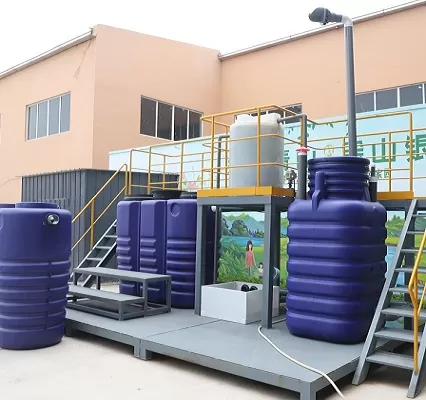
In 2026, environmental enforcement is no longer a background concern for facility operators. Local sanitation inspections, ESG audit requirements, and groundwater protection regulations are tightening across industrial parks, food processing sites, hospitality facilities, and rural developments. A properly specified sewage treatment tank is no longer a basic civil item — it is a compliance asset within your broader sewage treatment program, and its structural integrity directly determines your exposure to soil contamination, groundwater liability, and enforcement action.
The pain point is specific and well-documented. Traditional concrete or masonry septic tanks develop cracks at construction joints, seepage at pipe penetrations, and structural separation over time as soil settlement and groundwater pressure cycles load the tank walls. These failures are often invisible until a contamination finding, an odor complaint, or a sinkhole event forces an investigation. By that point, the remediation cost — soil excavation, groundwater monitoring, regulatory corrective action — typically exceeds the cost of a correctly specified tank by a significant multiple.
The assumption that a buried tank is out of sight and out of regulatory scope is no longer valid in 2026. Environmental monitoring programs, community complaint mechanisms, and ESG audit frameworks have all extended their reach to onsite wastewater infrastructure. A leaking sewage treatment tank creates two distinct contamination pathways:
Exfiltration — sewage seeping outward from the tank into surrounding soil and groundwater. This is the primary regulatory and liability risk. Contamination plumes from onsite sewage systems can migrate significant distances in permeable soils, affecting neighboring properties, agricultural land, and water supply wells. Detection is often delayed by months or years, by which time the remediation scope has expanded substantially.
Infiltration — groundwater entering the tank through cracks or failed joints. This dilutes the tank contents, disrupts the anaerobic treatment process, increases the hydraulic load on downstream treatment or discharge systems, and in high groundwater conditions can cause tank uplift if anti-buoyancy measures are inadequate.
Both pathways are preventable with correct tank construction. Neither is manageable after the fact without significant cost.
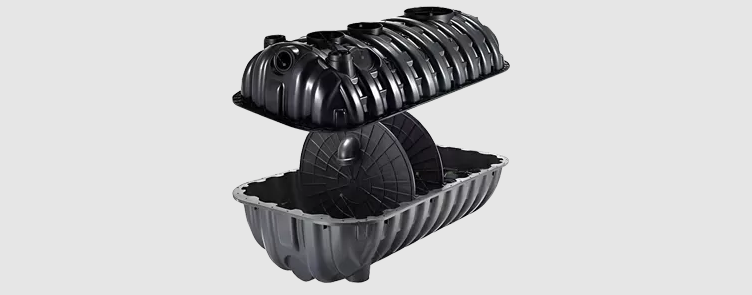
The structural weakness of traditional septic tanks is concentrated at joints and interfaces — the seams between precast concrete sections, the penetrations where inlet and outlet pipes enter the tank wall, and the interface between the tank body and the access cover. Each of these points is a potential leak path that develops over time as the tank experiences soil loading, groundwater pressure cycling, and thermal movement.
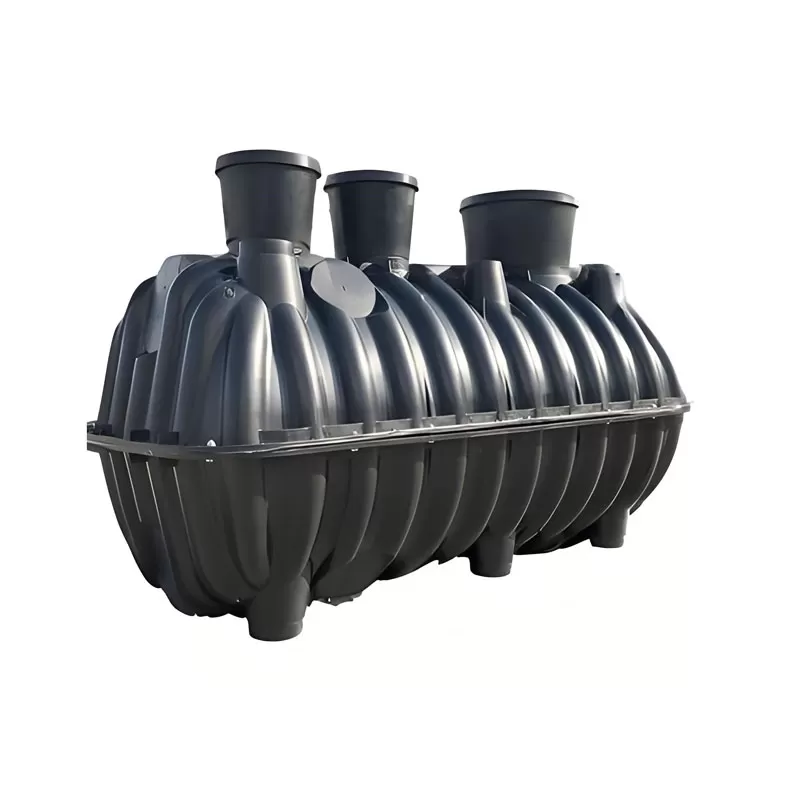
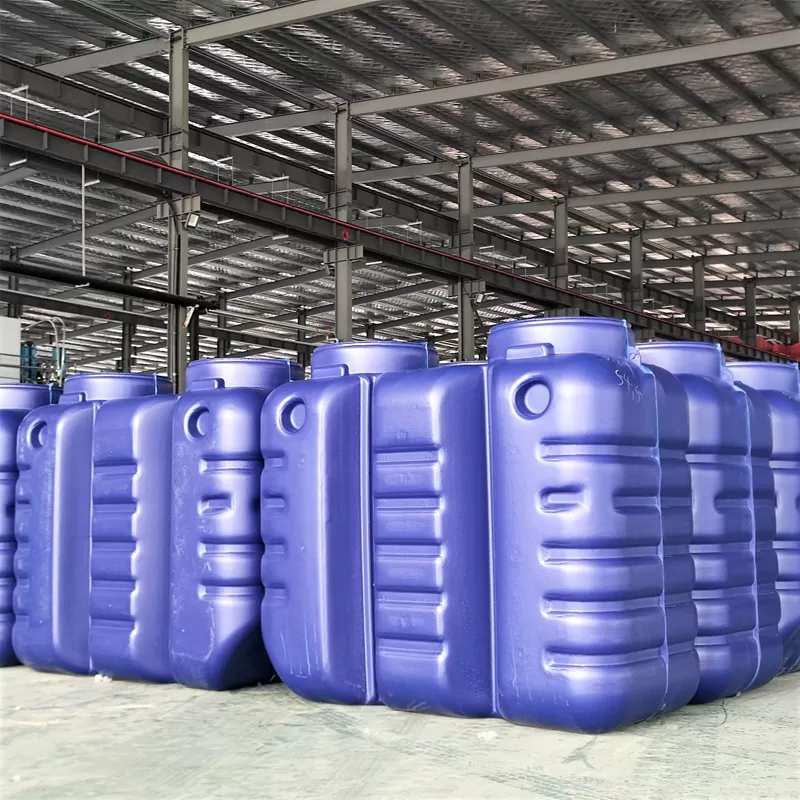
A one-piece, integral-molding construction approach eliminates the seam-related leak paths entirely. The tank body is formed as a single continuous structure with no construction joints in the wetted surfaces. The result is a tank whose structural integrity does not depend on the quality of field-applied sealants or the precision of precast joint assembly — both of which degrade over time in buried, inaccessible conditions.
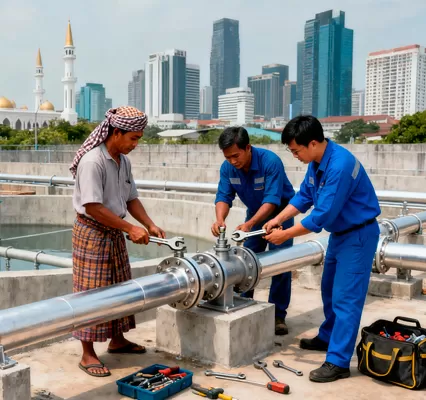
The pipe interface points — inlet, outlet, and vent penetrations — remain as potential leak paths even in a seamless tank body, and must be addressed through correctly specified flexible couplings, compression gaskets, or flanged connections that accommodate differential settlement between the tank and the connecting pipework without opening a gap. This detail is frequently overlooked in tank specifications and is one of the most common sources of post-installation leakage.
Within the tank, internal compartmentalization supports the sewage treatment process: the first chamber provides primary settlement and anaerobic digestion of settled solids; the second chamber provides further clarification before the effluent exits to the discharge or downstream treatment system. The treatment performance of this process depends on hydraulic retention time, which is determined by tank volume relative to daily flow — a sizing parameter that must be calculated from the actual design flow, not estimated from a rule of thumb.
| Specification Parameter | What to Define | Why It Matters |
|---|---|---|
| Construction method | One-piece integral molding vs. jointed precast | Determines whether seam-related leak paths exist |
| Design load | Burial depth, traffic load class, soil bearing capacity | Structural adequacy under actual site conditions |
| Wall thickness and material | Thickness at design load; material corrosion resistance | Fatigue and chemical resistance over service life |
| Anti-buoyancy provision | Groundwater level; anti-float rib or anchor design | Prevents tank uplift in high groundwater conditions |
| Pipe interface design | Flexible coupling, compression gasket, or flanged connection | Controls leak risk at the most common failure point |
| Tank volume and compartments | m³ based on design daily flow and retention time | Determines treatment performance and compliance with discharge standards |
| Access covers and vents | Load rating, seal type, odor control provision | Operational access and odor management |
| Acceptance testing | Factory pressure/leak test or site hydrostatic test | Verifiable evidence of integrity before burial |
Before accepting delivery of a sewage treatment tank for a compliance-sensitive application, request: material and manufacturing traceability documentation; factory pressure or leak test records for the specific unit; installation guidance covering bedding specification, backfill compaction requirements, and anti-float measures; and a commissioning checklist covering pipe interface sealing verification and baseline inspection before backfill.
| Site Type | Primary Risk Without Leak-Proof Tank | Compliance and Liability Exposure |
|---|---|---|
| Food processing near residential areas | Odor complaints and soil contamination from high-strength wastewater | Community complaints, enforcement action, reputational impact |
| Hospitality and catering facilities | Grease and organic loading accelerates joint degradation | Health inspection findings, license risk |
| Industrial parks and construction camps | Fast deployment under regulatory scrutiny | Inspection findings during construction phase audits |
| Rural sites near wells or farmland | Groundwater contamination affecting neighboring water supply | Civil liability, remediation orders, long-term monitoring requirements |
| ESG-reporting corporate facilities | Spill prevention and groundwater protection as reportable metrics | ESG audit findings, sustainability report disclosures |
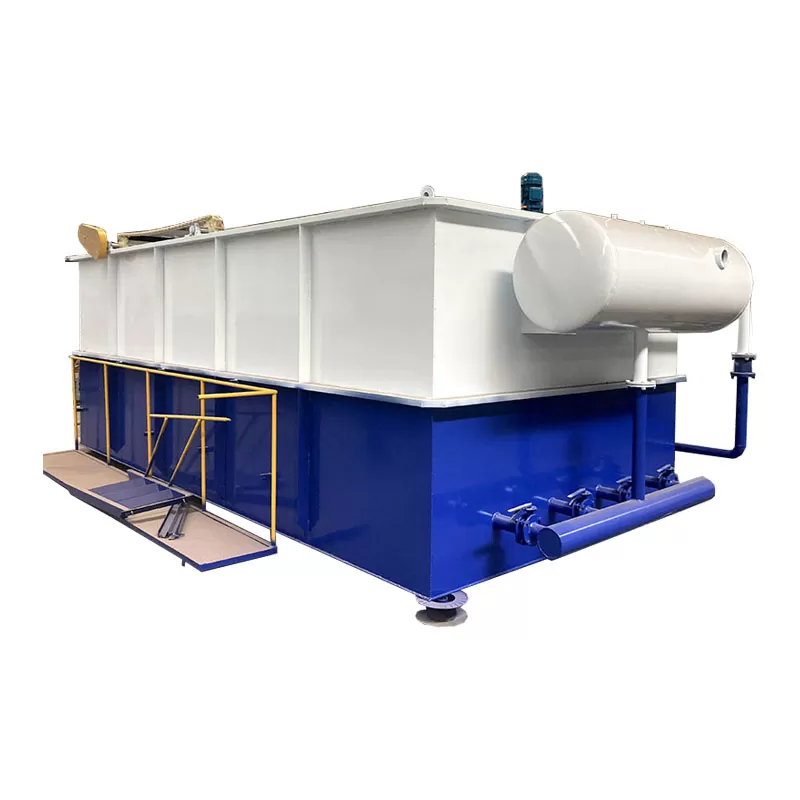
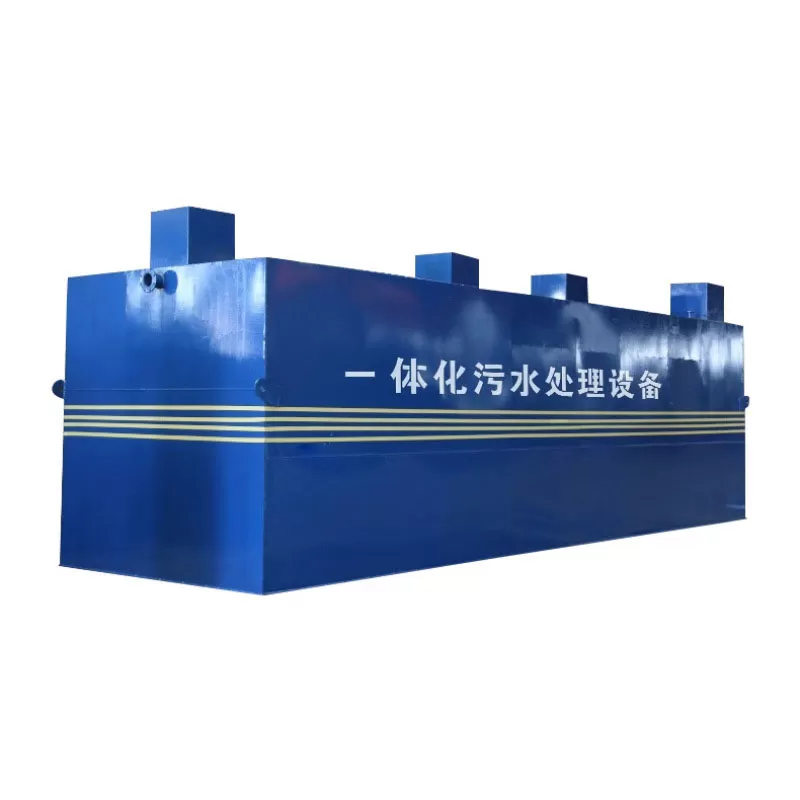
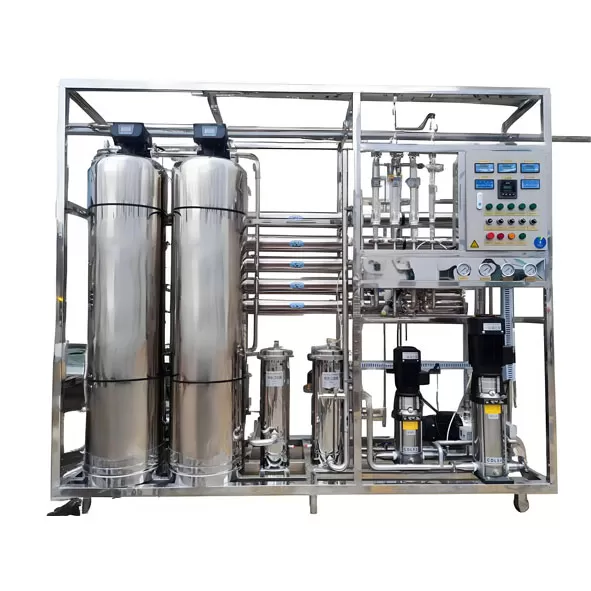
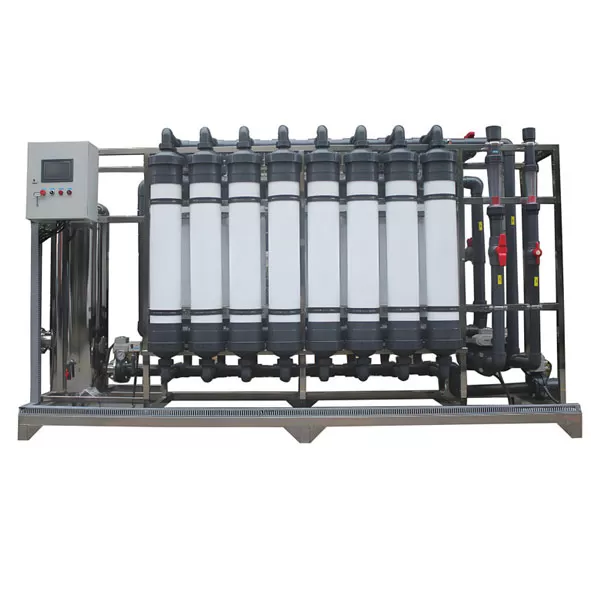
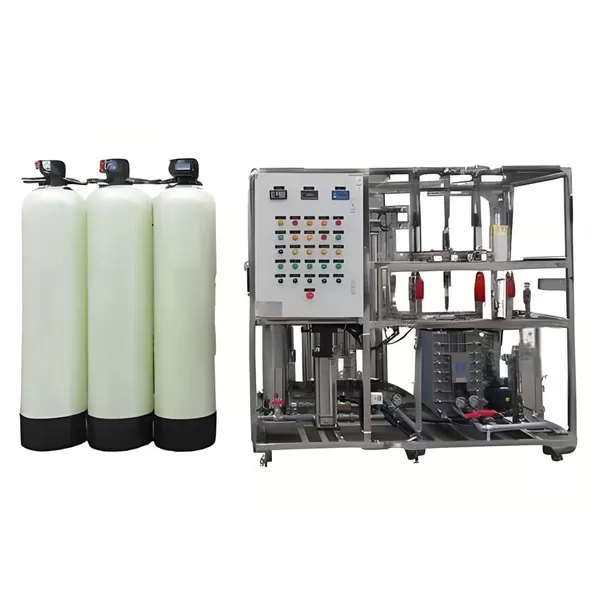
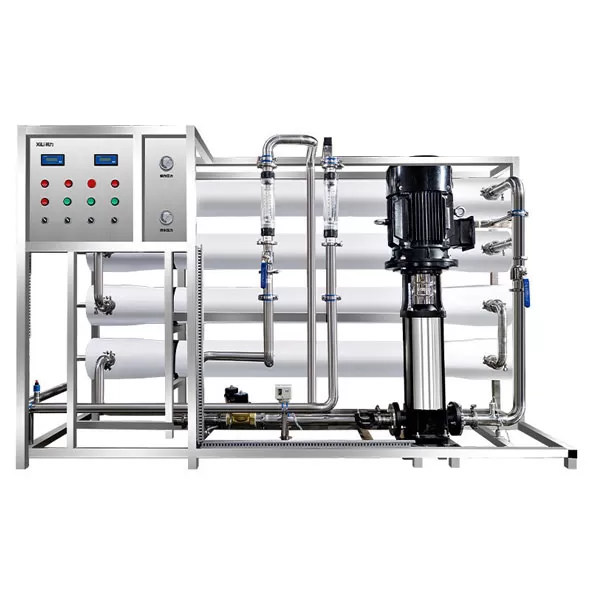
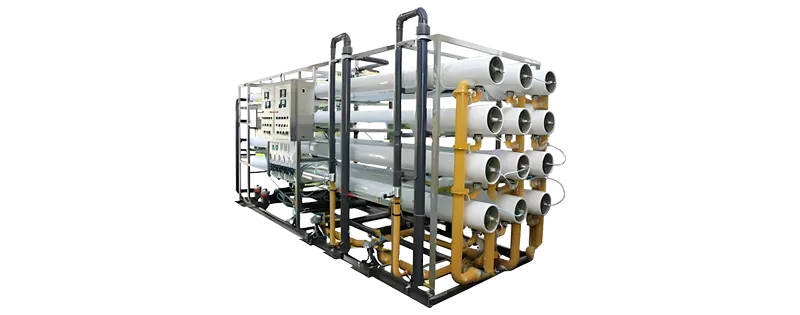
For sites where the pretreated effluent from the sewage treatment tank must meet a defined discharge standard — rather than simply being contained — a tank alone may not be sufficient. If your discharge quality requirements exceed what primary settlement and anaerobic digestion can achieve, view the sewage treatment equipment options here for integrated biological treatment systems that can be added downstream of the tank to bring effluent to the required standard.
Step 1: Confirm local discharge and sanitation requirements. The applicable standard determines whether a septic tank alone is sufficient or whether downstream biological treatment is required.
Step 2: Calculate design daily flow and peak load factor. Size the tank volume for the required hydraulic retention time at design flow — not at average flow.
Step 3: Confirm site civil constraints: excavation dimensions, burial depth, groundwater level, soil bearing capacity, and traffic load class above the tank.
Step 4: Specify one-piece integral molding construction and confirm anti-buoyancy provision if groundwater level is within 1 m of the tank base.
Step 5: Specify pipe interface connections — flexible couplings or compression gaskets at all penetrations — and confirm that the connection design accommodates the expected differential settlement between the tank and the connecting pipework.
Step 6: Define acceptance criteria: factory leak test records, site hydrostatic test if required, installation QC checklist covering bedding, backfill, and pipe interface sealing, and baseline inspection before final backfill.
Poor bedding and backfill: inadequate compaction creates differential settlement that loads pipe interfaces unevenly and opens gaps at flexible couplings
Incorrect pipe penetration sealing: rigid connections at pipe entries that do not accommodate settlement will crack the tank wall or the pipe
Buoyancy in high groundwater: a tank installed without anti-float measures in a high groundwater area will uplift when empty during maintenance, breaking pipe connections and potentially damaging the tank structure
Inlet and outlet seal inspection: check flexible couplings and gaskets at each scheduled maintenance visit for signs of movement, cracking, or gap formation
Sludge level monitoring: measure sludge accumulation in the first chamber and schedule pumping before sludge carryover to the second chamber degrades effluent quality
Access cover condition: inspect cover seals and frame seating for odor leakage and structural integrity
Vent function: confirm vent pipes are clear and functioning to prevent pressure buildup that can stress tank walls and seals
| Cost Category | Traditional Jointed Tank | Leak-Proof One-Piece Tank |
|---|---|---|
| Joint maintenance and resealing | Recurring; frequency increases with age | Eliminated — no construction joints in wetted surfaces |
| Pipe interface repair | Common failure point; requires excavation | Reduced with correct flexible coupling specification |
| Remediation from exfiltration | High risk; costs escalate with detection delay | Significantly reduced |
| Infiltration-driven treatment load | Increases with joint degradation | Controlled |
| Regulatory corrective action | Triggered by contamination findings | Risk substantially reduced |
The capital cost premium of a correctly specified, one-piece sewage treatment tank over a minimum-cost jointed alternative is typically recovered within the first avoided remediation event — which, for sites near sensitive groundwater or residential areas, is a realistic rather than theoretical risk.
In 2026, environmental compliance for onsite sewage treatment is increasingly assessed by the quality of the risk controls in place — not by the absence of a recorded incident. A leak-proof sewage treatment tank with one-piece integral molding, correctly specified pipe interfaces, and properly documented installation reduces one of the most expensive hidden liabilities in sewage treatment: long-term seepage that contaminates soil and groundwater before it is detected.
For facilities where pretreated effluent must meet a defined discharge standard beyond what primary treatment can achieve, the tank is the first step — not the complete solution. Downstream biological treatment equipment can be integrated to bring effluent quality to the required level.
Share your site and application details below, and our engineering team will recommend the correct tank capacity, construction specification, and pipe interface design for your compliance requirements — with pricing matched to your site conditions and volume.
Working conditions: Site type, influent type (domestic, canteen, dormitory, light industrial), groundwater level, burial depth, soil type, and traffic load class above the tank.
Quantity: Number of tanks required and whether this is a new installation or replacement of existing infrastructure.
Size and specification: Design daily flow (m³/day), peak load factor, required tank volume, footprint constraints, inlet/outlet pipe sizes and invert elevations.
Target metrics: Leak prevention standard, odor control requirement, compliance inspection readiness, sludge pumping interval target, and discharge quality standard if downstream treatment is also required.
Current problems: Existing tank seepage or joint cracking, odor complaints, inspection risk, high groundwater uplift concern, pipe joint leakage, or effluent quality failing discharge standards.
1. What is a sewage treatment tank?
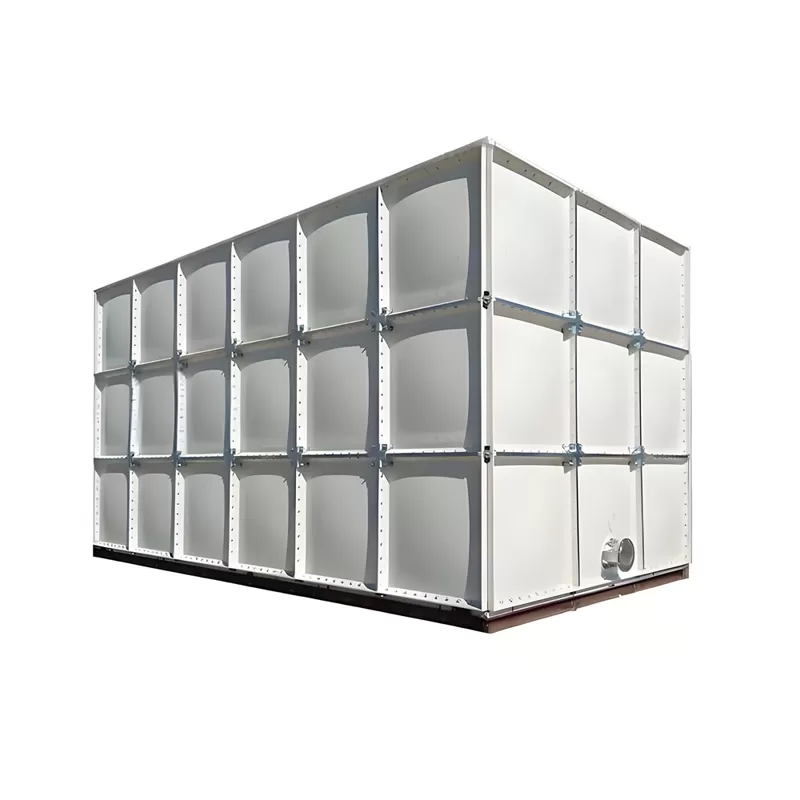
A sewage treatment tank is a buried vessel used to collect and provide primary treatment of wastewater through settlement and anaerobic digestion before the effluent is discharged to a soakaway, watercourse, or downstream treatment system. It is the first stage of an onsite sewage treatment system and its structural integrity — specifically its resistance to leakage — directly determines the environmental compliance risk of the installation.
2. Leak-proof sewage treatment tank vs. traditional jointed concrete or masonry septic tank — what is the difference?
Traditional concrete or masonry tanks are constructed from multiple sections joined in the field or cast in stages, creating construction joints in the wetted surfaces that are potential leak paths. These joints are sealed at construction but degrade over time under soil loading, groundwater pressure cycling, and thermal movement. A leak-proof one-piece molded tank eliminates construction joints in the wetted surfaces entirely, removing the primary structural leak path. The pipe interface points remain and must be addressed with correctly specified flexible couplings or compression gaskets, but the seam-related exfiltration and infiltration risk that dominates the failure history of traditional tanks is substantially eliminated.
3. What is the ROI or payback of upgrading to a leak-proof tank?
Payback is realized across several cost categories: avoided soil and groundwater remediation costs, which for sites near sensitive receptors can be very large; fewer emergency civil repair events requiring excavation and tank access; reduced odor complaint and investigation costs; smoother compliance inspections with documented construction quality; and reduced downstream treatment load from eliminated infiltration. For sites with any proximity to groundwater, wells, or residential areas, the avoided remediation risk alone typically justifies the capital cost premium of a correctly specified tank.
4. Do we need to modify existing systems to replace or add a new tank?
Yes, in most cases. Replacement of an existing tank requires excavation, disconnection and reconnection of inlet and outlet pipework, bedding and backfill to the correct specification, and anti-float measures if groundwater conditions require them. If the existing pipework uses rigid connections at the tank penetrations, these should be replaced with flexible couplings as part of the installation. If downstream treatment is being added to meet a discharge standard that the tank alone cannot achieve, additional civil works for the treatment equipment and its connections will also be required.
5. What parameters should we provide for correct selection?
Provide the following: design daily flow (m³/day) and peak load factor; influent type (domestic, canteen, dormitory, or light industrial mix); local sanitation discharge standard or inspection requirement; available footprint and burial depth; soil type and bearing capacity; groundwater level relative to tank base; traffic load class above the tank; inlet and outlet pipe sizes and invert elevations; quantity required; and a description of current problems — such as existing tank seepage, joint cracking, odor complaints, inspection risk, high groundwater uplift concern, or effluent quality failing discharge standards.