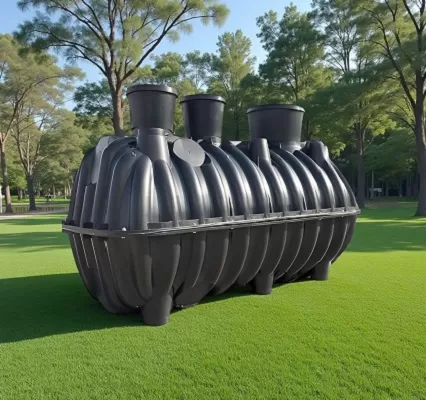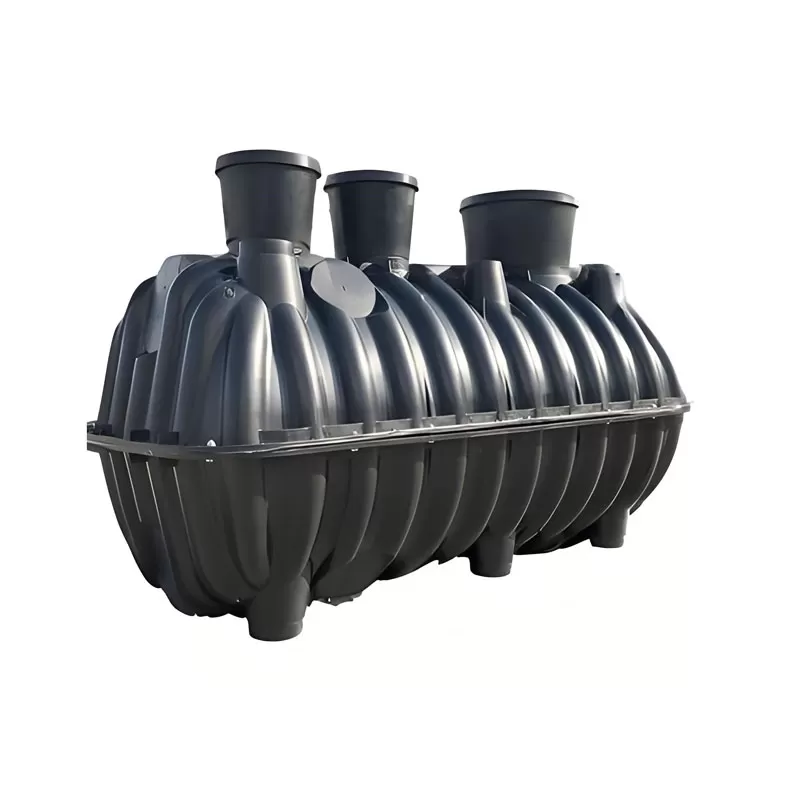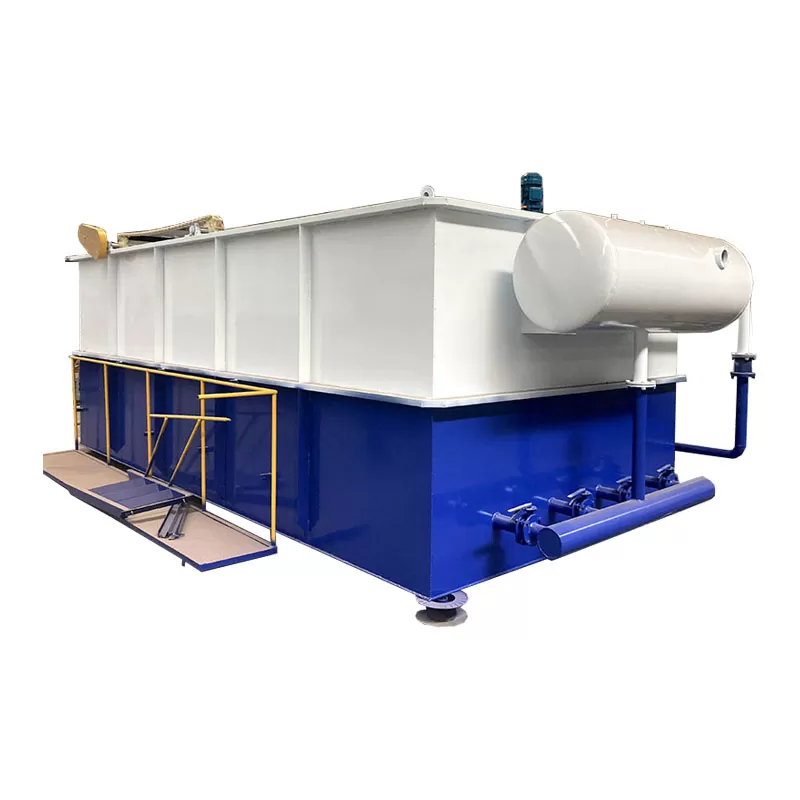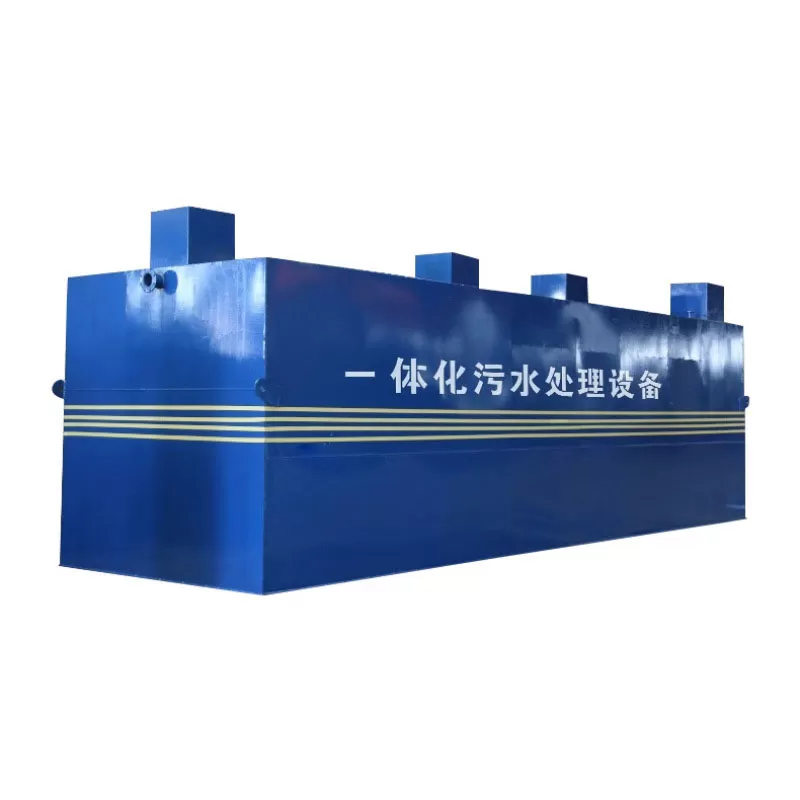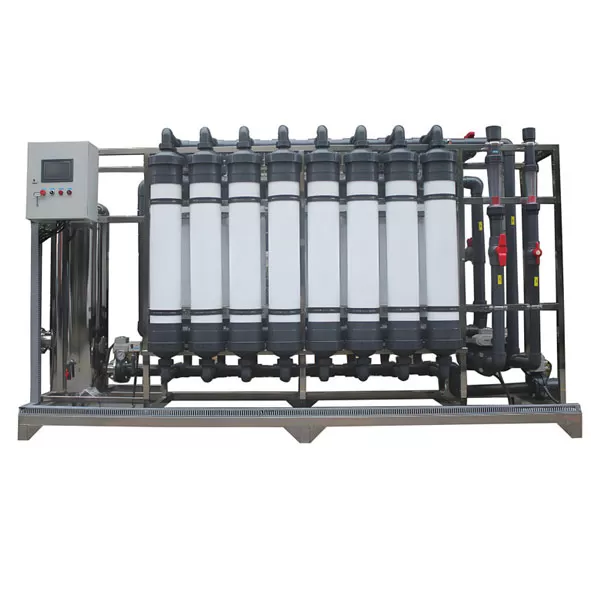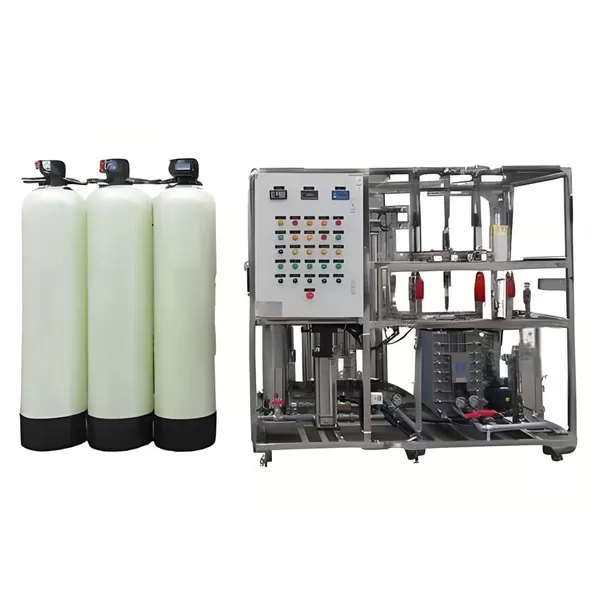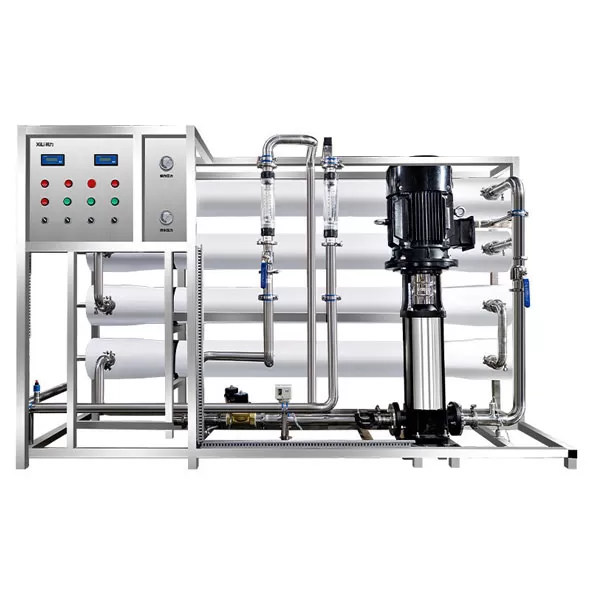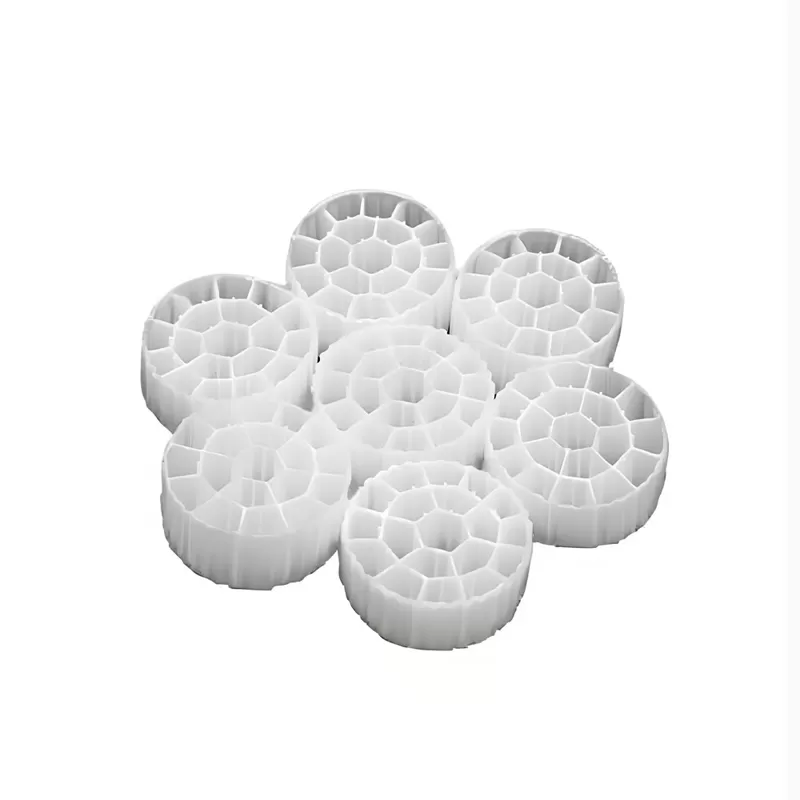
In 2026, operators are expected to run water treatment lines longer with fewer stoppages — while feedwater variability and operating pressures keep increasing. A water filtration system can look technically sound on paper, but real service life is often decided by the supporting hardware: distributors and housings that most procurement teams treat as commodity items. This gap is most visible in aquaculture wastewater treatment, where high suspended solids, biofloc loading, and continuous operation requirements amplify every weakness in flow distribution and pressure containment — producing channeling, rapid media exhaustion, and unexpected pressure loss that the filter media itself cannot compensate for.
The core problem is straightforward: a high-quality filter bed loaded unevenly by a poor distributor will not perform to its rated capacity. A well-specified membrane or media vessel fitted with an undersized or poorly sealed housing will leak, deform, or fail under the pressure transients that are routine in industrial and aquaculture systems. The filter gets the specification attention; the supporting components get the budget cut. The result is early failure that is attributed to the wrong cause.
Channeling occurs when influent water finds preferential flow paths through a media bed rather than distributing uniformly across the full cross-section. The causes are almost always in the distributor: uneven orifice distribution, deformation under flow, partial clogging from solids, or inadequate structural rigidity that allows the distributor to shift under backwash cycles.
The consequences are measurable and progressive. Media in the channeled zones is overloaded and exhausted rapidly. Media in the bypassed zones is underutilized. Effluent quality degrades before the media has reached its designed capacity, forcing premature regeneration or replacement. Run time between maintenance events shortens. The operator sees a "filter that doesn’t last" — but the root cause is in the distributor, not the media.
Unnecessary pressure drop across a filtration system has two costs: energy and reliability. On the energy side, every additional bar of avoidable ΔP across undersized housings, poorly designed inlet/outlet connections, or partially blocked distributors translates directly into pump energy consumption. On the reliability side, pressure transients from pump starts, valve switching, and backwash cycles impose cyclic stress on housings and seals. A housing designed to a marginal safety margin will develop leaks, gasket failures, or structural fatigue under conditions that a properly specified housing handles without incident.
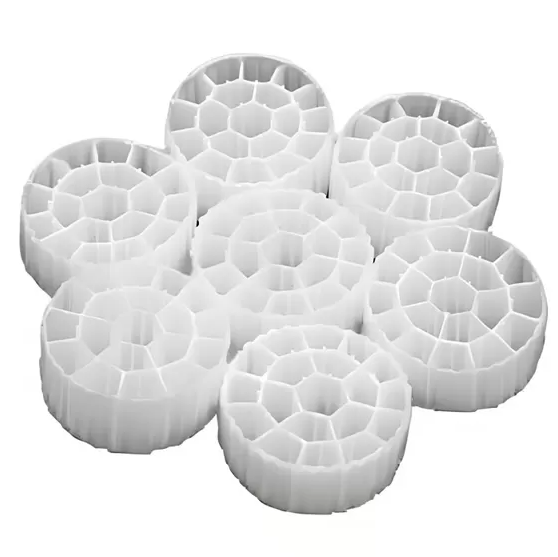
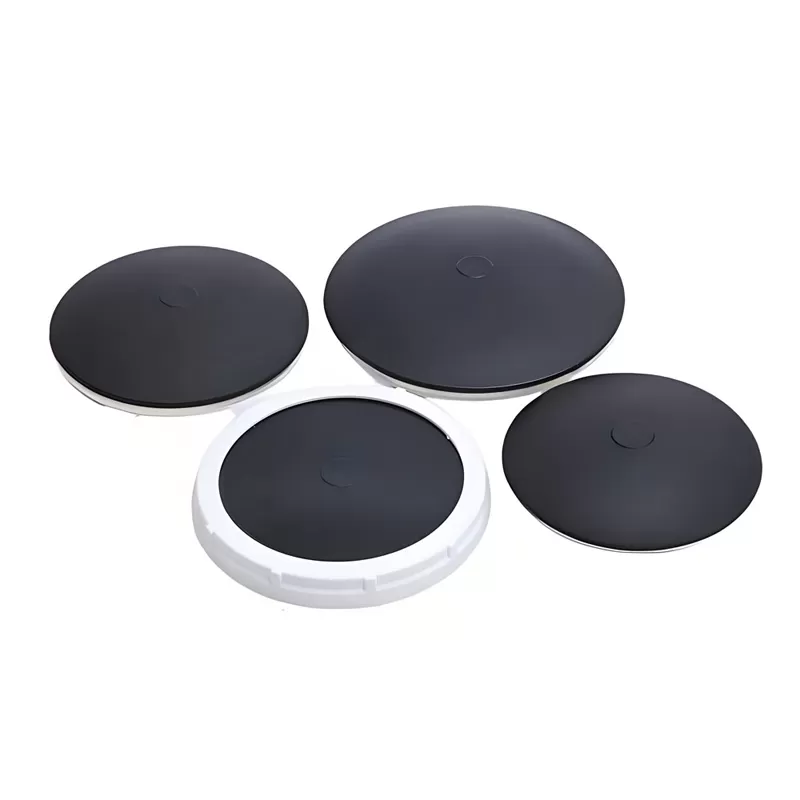
The distributor’s function is to convert the incoming flow — which arrives as a concentrated jet at the inlet — into a uniform, low-velocity distribution across the full cross-section of the media bed. When this is done correctly, every unit area of media receives the same hydraulic loading, processes the same volume of water per cycle, and exhausts at the same rate. The media reaches its designed capacity before requiring regeneration or replacement.
When it is done poorly, the media bed behaves as a fraction of its actual volume — the fraction that happens to be in the flow path. The rest is wasted capital and wasted capacity.
For aquaculture and industrial applications with high solids loading, the distributor must also resist clogging from biofloc, feed residue, and suspended solids without creating dead zones that accumulate material and generate anaerobic conditions. Anti-clogging geometry and material compatibility with the process chemistry are both specification requirements, not optional features.
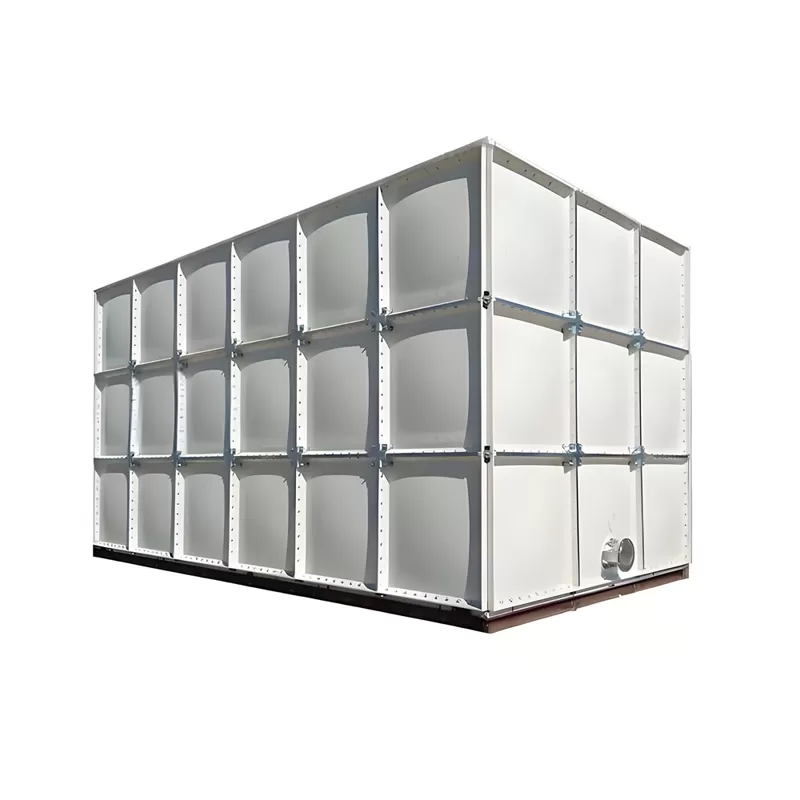
An industrial filter housing is not a static pressure vessel — it is a component that experiences cyclic loading from every pump start, valve operation, and backwash event in its service life. The cumulative fatigue from these cycles, combined with the corrosive effect of the process water chemistry, determines the housing’s actual service life rather than its rated static pressure.
A housing with adequate wall thickness, correct material selection for the process chemistry, and a properly designed sealing system maintains its integrity across thousands of pressure cycles. A housing specified to minimum cost tolerances develops gasket compression set, seal leakage, and eventually structural fatigue at stress concentrations — producing the leaks, emergency shutdowns, and safety incidents that dominate the maintenance log of poorly specified filtration systems.
| Component | Specification Parameter | What to Confirm |
|---|---|---|
| Water distributor | Flow distribution uniformity | No dead zones; uniform orifice distribution across full vessel cross-section |
| Material compatibility | Corrosion resistance for process chemistry (salinity, disinfectants, pH range) | |
| Anti-clogging design | Orifice geometry and size appropriate for solids loading in the application | |
| Backwash compatibility | Structural rigidity to maintain position and distribution during reverse flow | |
| Filter housing | Design pressure and safety margin | Rated pressure with adequate margin above maximum operating and transient pressure |
| Wall thickness and material | Corrosion and fatigue resistance for the process chemistry and cycle frequency | |
| Sealing system | O-ring or gasket material compatible with process chemistry; compression design for cyclic loading | |
| Connection standard | Flange or thread standard matching site piping; vent, drain, and instrument ports included | |
| Cartridge/bag compatibility | Correct element interface for the filtration stage; ergonomic change-out access | |
| System level | Differential pressure monitoring | ΔP gauges or sensors with alarm setpoints at each filtration stage |
| Bypass provision | Isolation and bypass valves for maintenance without system shutdown | |
| Surge/hammer control | Slow-closing valves or surge vessels where pump starts generate significant transients |
Aquaculture wastewater presents a combination of conditions that stress supporting components more severely than most industrial water treatment applications. High suspended solids from feed residue and fish waste create rapid distributor fouling if orifice geometry is not matched to the solids profile. Biofloc in recirculating aquaculture systems (RAS) adds biological fouling that compounds mechanical clogging. Salinity in marine systems accelerates corrosion of materials that would perform adequately in freshwater applications. And continuous operation requirements — where downtime directly affects stocking health and survival — mean that an unexpected housing failure or distributor bypass is not just a maintenance event; it is a production emergency.
For aquaculture wastewater treatment operators, the practical outcomes of correctly specified supporting components are:
More stable filtration cycles with predictable run times between cleaning events
Lower ΔP growth rate, reducing pump energy consumption and extending pump service life
Reduced leakage and burst risk, eliminating the safety and environmental incidents associated with housing failures under pressure
Fewer emergency interventions, allowing maintenance to be planned rather than reactive
Step 1: Define the water type and solids profile. Industrial process water, municipal wastewater, and aquaculture wastewater each have different fouling characteristics that determine distributor geometry and material requirements.
Step 2: Confirm flow rate, operating pressure, and peak transients. The design pressure for the housing must include an adequate margin above the maximum transient pressure, not just the steady-state operating pressure.
Step 3: Select the filtration stage configuration — media filter, cartridge, bag, or multi-stage — and confirm the vessel and housing dimensions required for the target flow rate and pressure drop budget.
Step 4: Specify the distributor type and material based on the fouling risk and process chemistry. For high-solids or saline applications, confirm anti-clogging geometry and corrosion-resistant material selection.
Step 5: Specify the housing design pressure, wall thickness, seal material, and connection standard. Confirm that vent, drain, and instrument ports are included in the housing design.
Step 6: Define acceptance checks: hydrostatic pressure test evidence from the manufacturer, baseline ΔP measurement at clean condition for future maintenance reference, and leak test procedure at commissioning.
Verify distributor alignment and seating — confirm no bypass paths between the distributor and vessel wall
Confirm housing gasket compression and fastener torque to specification
Record baseline ΔP at rated flow under clean conditions — this is the reference point for all future maintenance trigger decisions
Verify ΔP alarm setpoints are configured and tested before the system enters service
| Maintenance Item | Trigger | Action |
|---|---|---|
| ΔP trend monitoring | Continuous or periodic measurement | Schedule cartridge/media change-out before ΔP reaches alarm limit |
| Distributor inspection | At each media change-out or annually | Inspect for deformation, clogging, and bypass gaps; flush or replace as required |
| Housing seal and gasket | At each element change-out | Inspect O-ring and gasket condition; replace on schedule based on chemical exposure and cycle count |
| Pressure test | After any housing opening or seal replacement | Confirm seal integrity before returning to service |
The capital cost difference between a correctly specified distributor and housing versus a minimum-cost alternative is typically small relative to the total system cost. The lifecycle cost difference is not:
Pump energy from avoidable ΔP: a 0.5 bar avoidable pressure drop across a system running at 50 m³/h represents measurable additional pump energy consumption every operating hour
Media and cartridge waste from channeling: premature media exhaustion from uneven loading wastes the unused capacity of the media that was bypassed — effectively reducing the media’s economic life
Labor and downtime from leaks and housing failures: a housing leak in an aquaculture system requires immediate intervention; the labor, downtime, and potential stock loss cost is disproportionate to the cost of the housing that failed
Risk cost: a housing burst under pressure transient is a safety incident with costs that extend well beyond the replacement hardware
A high-specification water filtration system will still fail early if the distributor creates channeling or the housing introduces unnecessary pressure loss and leak risk. In 2026 operations — particularly in aquaculture wastewater treatment where continuous operation and high solids loading are the norm — the practical path to longer service life is to specify the supporting components with the same rigor as the filter media: distributors that load media uniformly across the full vessel cross-section, and housings that maintain seal integrity and structural strength under the pressure transients that are routine in industrial operation.
Standardizing on correctly specified supporting equipment reduces downtime, lowers pump energy consumption, extends media and cartridge life, and eliminates the leak and burst incidents that dominate the maintenance cost of under-specified filtration systems.
Share your filtration system requirements below, and our engineering team will recommend the correct distributor type, housing specification, and system configuration for your application — with pricing matched to your flow rate and operating conditions.
Working conditions: Water source and type, solids profile and loading, salinity or corrosion exposure, operating hours per day, and any known fouling or pressure issues.
Quantity: Number of vessels or housings required and whether this is a new installation or replacement of existing components.
Size and specification: Flow rate (average and peak), vessel or housing size, design pressure including transients, connection standard, and filtration stage configuration.
Target metrics: ΔP limit across the filtration stage, run time between maintenance events, effluent quality target, and safety margin requirement.
Current problems: Channeling or uneven media exhaustion, rapid ΔP rise, housing leaks or seal failures, frequent cartridge changes, pump overload from excessive pressure drop, or emergency shutdowns from distributor or housing failures.
1. What is a water filtration system in industrial terms?
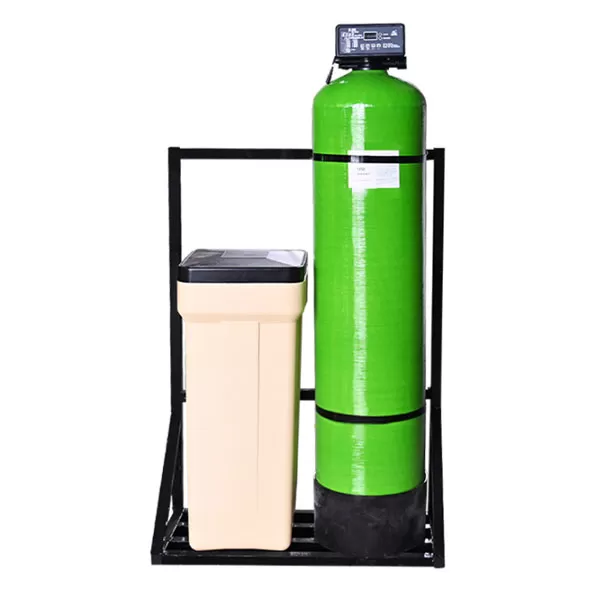
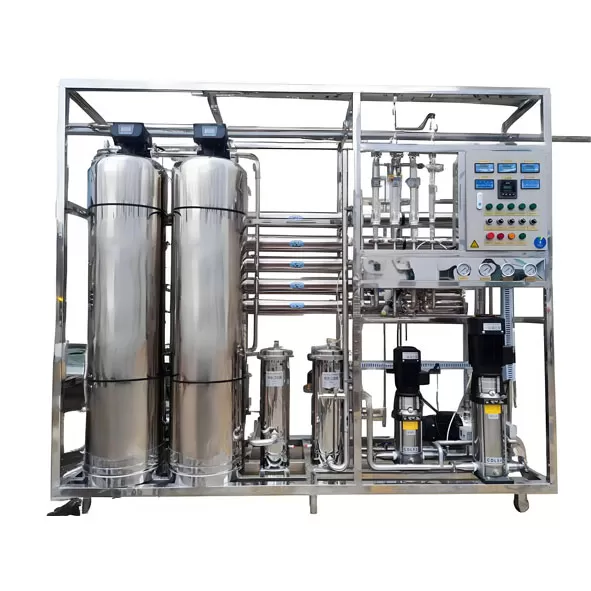
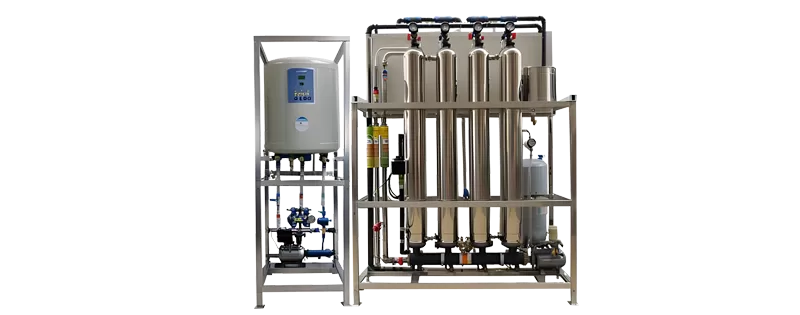
An industrial water filtration system is an assembly of media vessels, cartridge or bag filter housings, and supporting components — including flow distributors, pressure instrumentation, valves, and bypass provisions — designed to remove suspended solids and specific contaminants from a process water stream to a defined effluent quality target. The system’s performance depends on the correct specification and integration of all components, not just the filter media or membrane.
2. Water filtration system upgrade vs. just replacing the filter media — what is the difference?
Replacing filter media improves the filtration capacity of the media itself, but if the distributor is creating channeling or the housing is adding unnecessary pressure drop or leaking under transients, the new media will underperform for the same reasons as the old media. Supporting component quality determines whether the media operates uniformly and safely across its intended service cycle. Addressing the media without addressing the distributor and housing is a partial solution that will produce partial results.
3. What is the ROI or payback of higher-quality distributors and housings?
ROI is realized across four cost categories: longer filtration run times from uniform media loading, which reduces media and cartridge replacement frequency; lower pump energy from reduced avoidable ΔP; fewer emergency shutdowns and labor interventions from housing leaks and seal failures; and reduced risk cost from eliminated burst incidents. For continuous operations such as aquaculture wastewater treatment, where downtime has direct production consequences, the payback on correctly specified supporting components is typically realized within the first year of operation.
4. Do we need to modify existing piping or foundations to upgrade supporting components?
Common modifications include connection standard alignment between the new housing and existing piping (flange or thread standard), addition of vent, drain, and instrument ports if not present in the existing installation, bypass line provision for maintenance isolation, and clearance verification for cartridge or bag change-out access. For aquaculture systems, material compatibility of all wetted components with the process water chemistry — including salinity and disinfectant residuals — should be verified before specifying replacement components.
5. What parameters should we provide for correct selection?
Provide the following: flow rate (average and peak), operating pressure and maximum transient pressure, water chemistry (salinity, pH, disinfectant type and concentration), solids type and loading (suspended solids concentration, particle size, biofloc presence), operating temperature, target effluent quality, filtration stages in use, vessel or housing size and connection standard, installation space constraints, quantity required, and a description of current failure symptoms — such as channeling, rapid ΔP rise, housing leaks, frequent cartridge changes, or pump overload from excessive pressure drop.