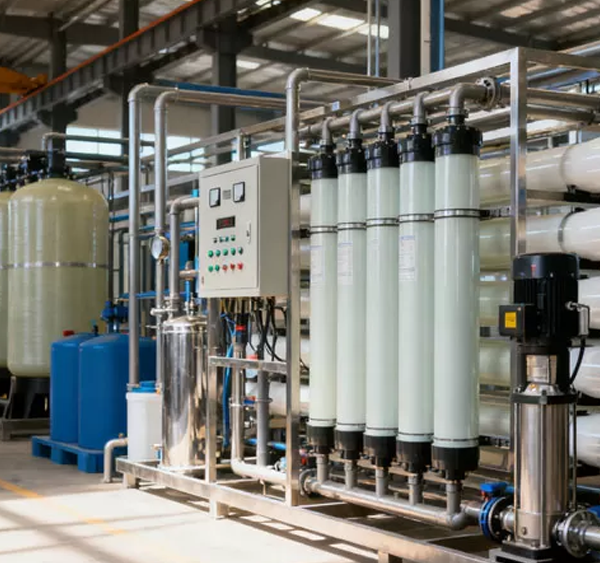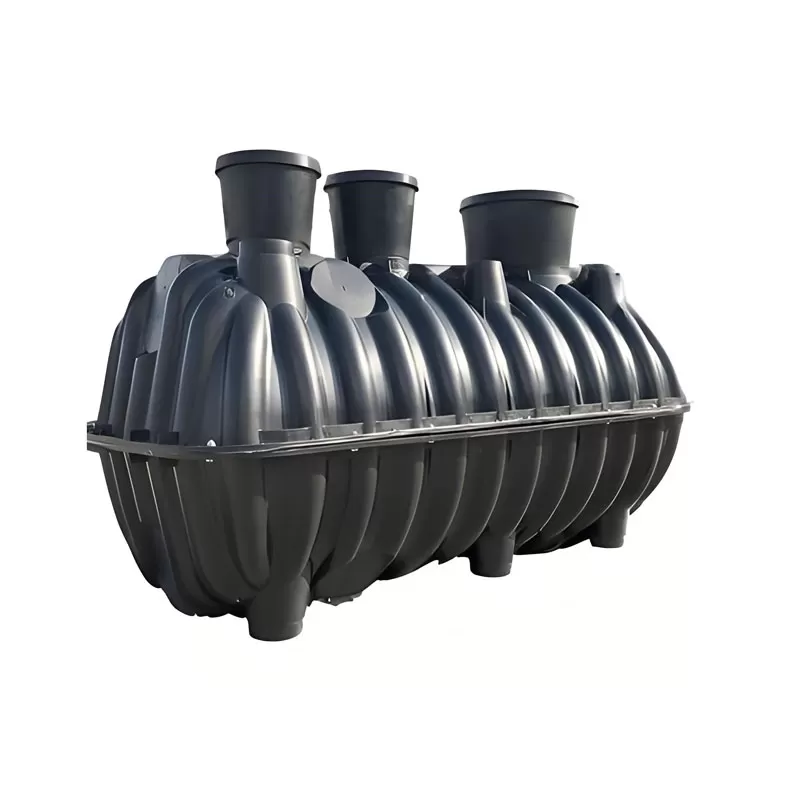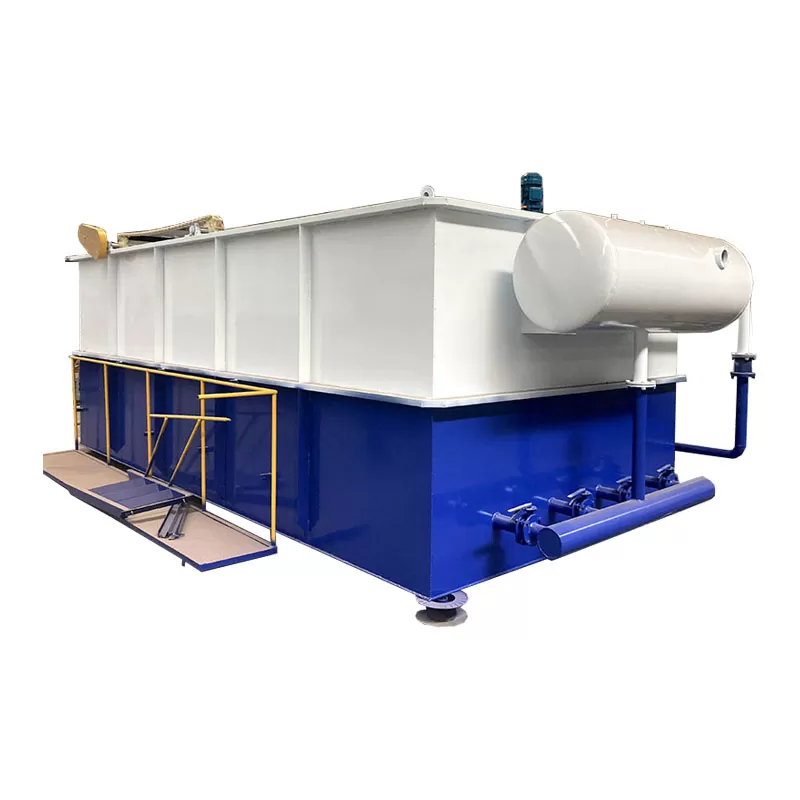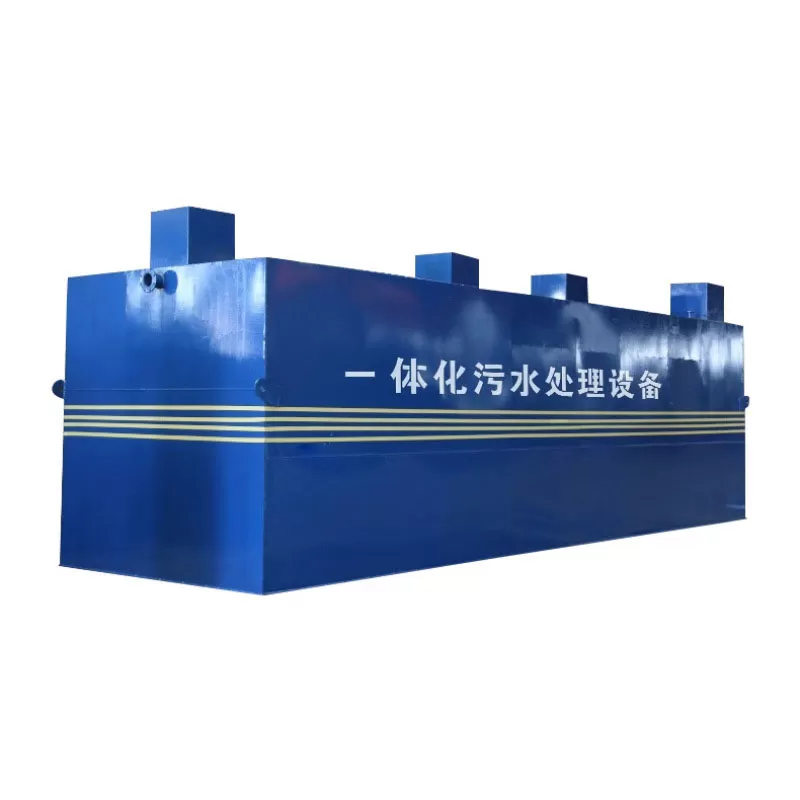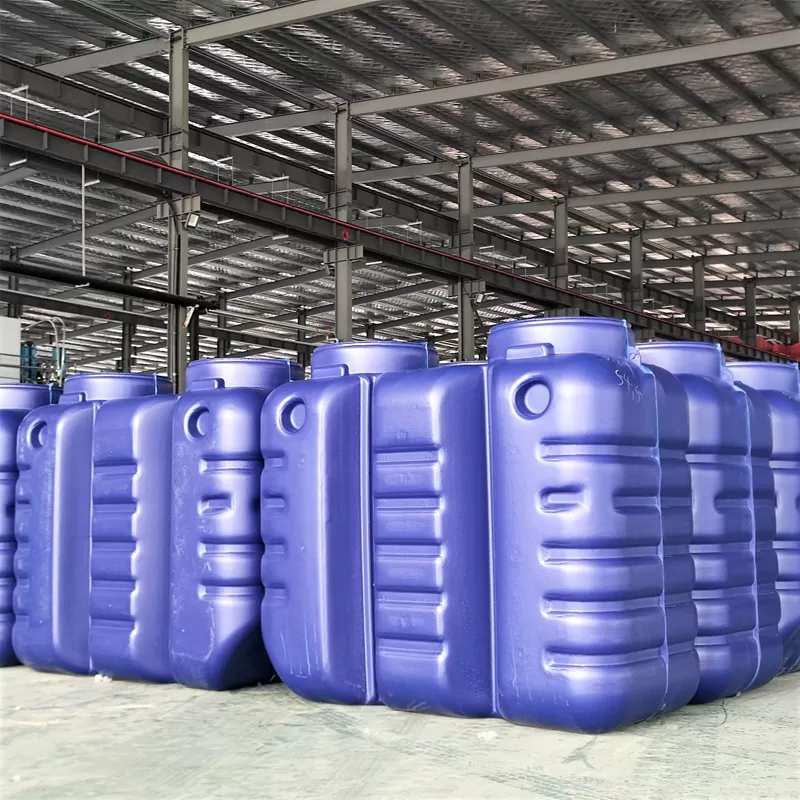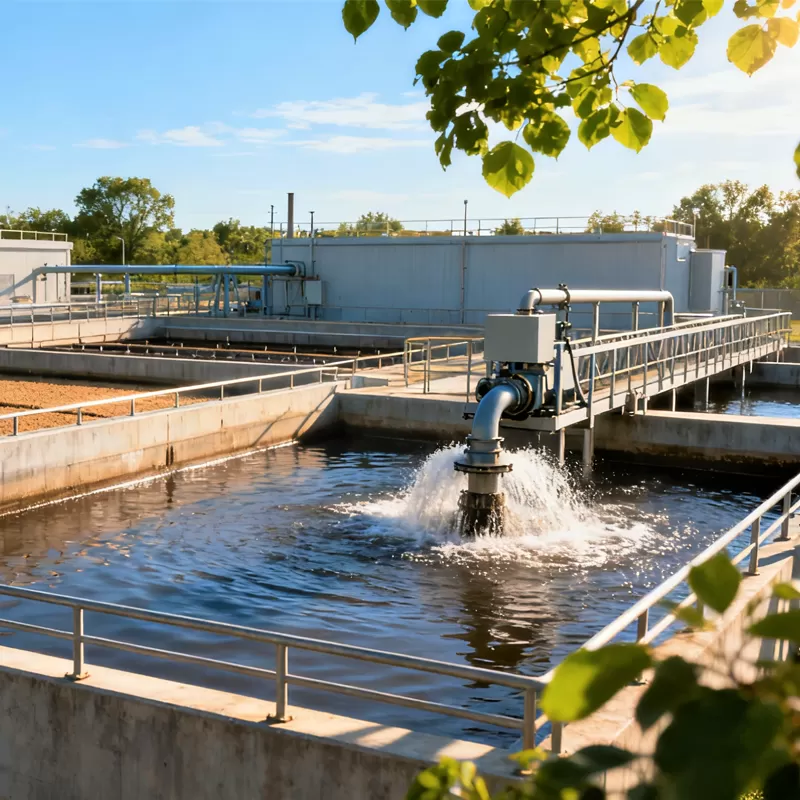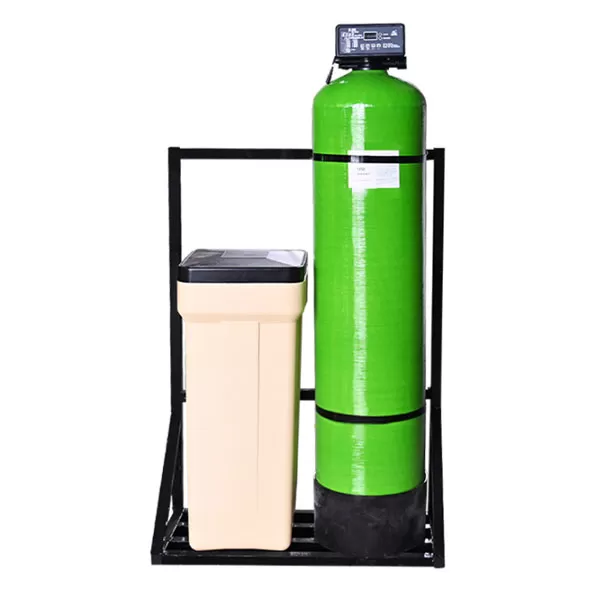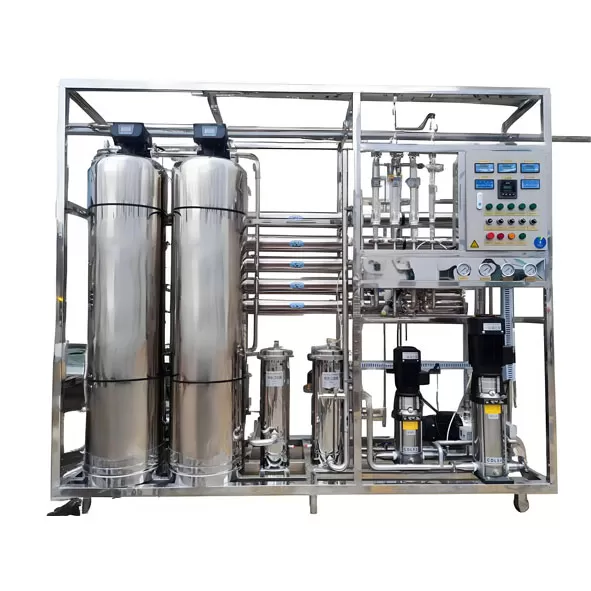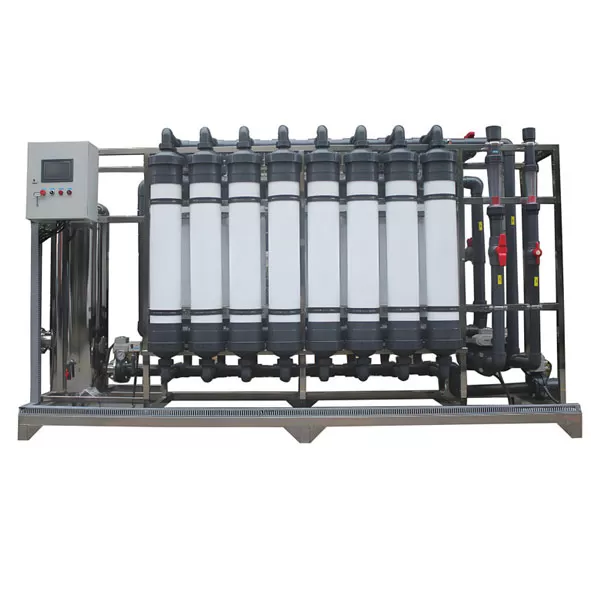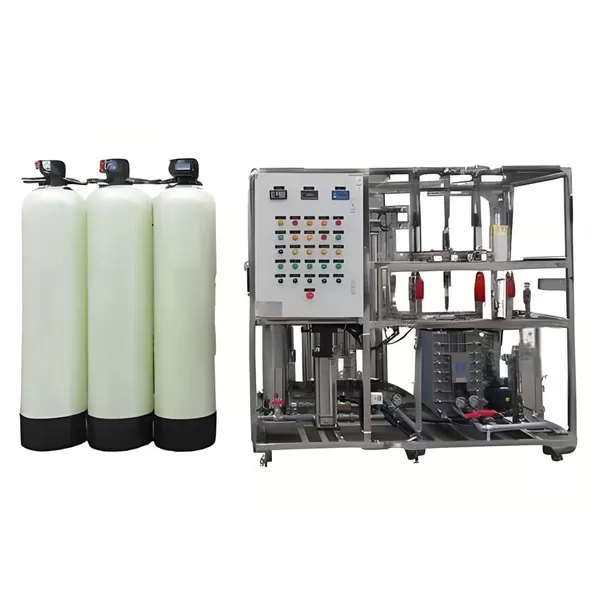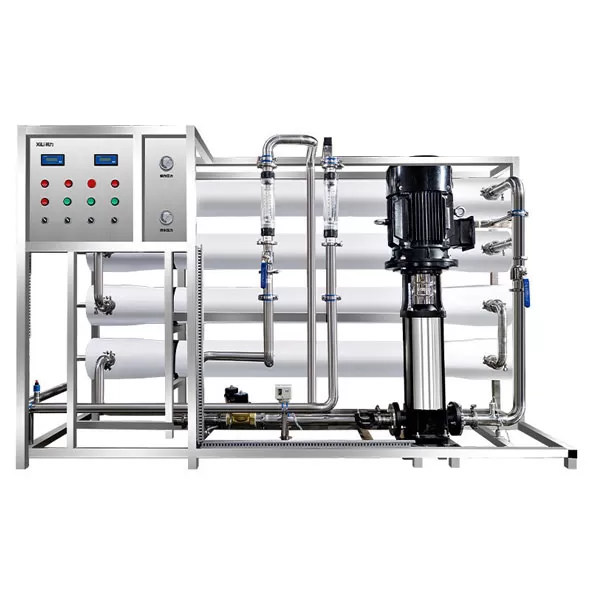
Aquaculture Wastewater Treatment Equipment refers to specialized systems and devices designed to treat wastewater generated from aquaculture activities such as fish, shrimp, crab, and shellfish farming. Its primary goal is to remove excess nutrients, organic matter, suspended solids, and harmful substances from the water to maintain healthy aquatic environments, meet discharge standards, and enable water reuse.
Uneaten feed residues from feeding activities.
Fish/shrimp metabolic waste (feces, ammonia, urea, etc.).
Chemicals or medications used for disease prevention and treatment.
Sediment and sludge from pond bottoms.
Cleaning and flushing water from tanks, raceways, or ponds.
Remove organic pollutants (COD, BOD).
Reduce ammonia nitrogen, nitrite, nitrate to prevent toxicity.
Control phosphorus to avoid eutrophication.
Remove suspended solids and fine particles.
Eliminate pathogens and parasites to prevent disease spread.
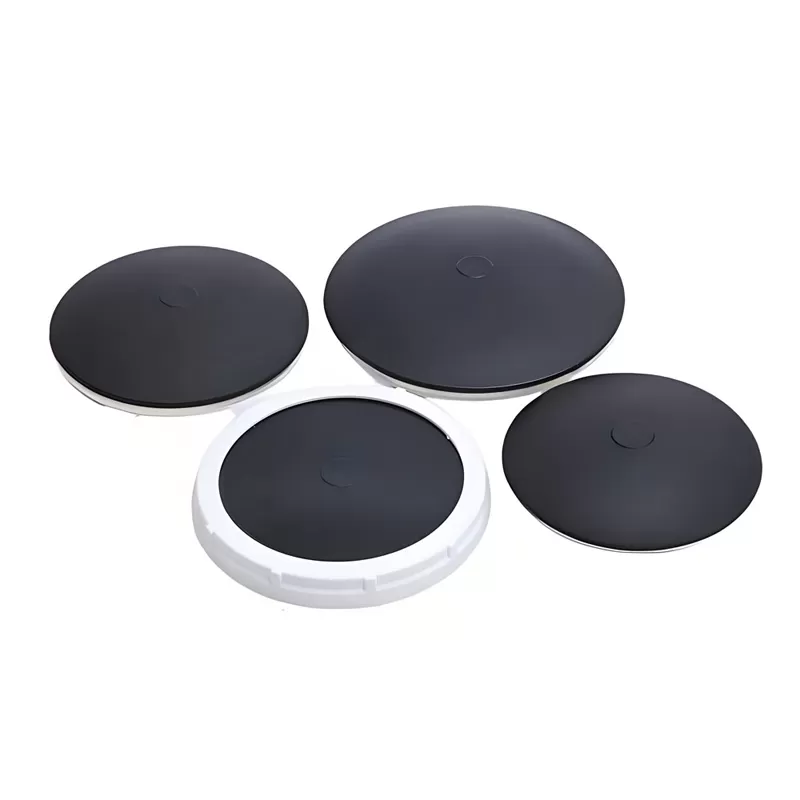
Improve water clarity and oxygen content for aquaculture health.
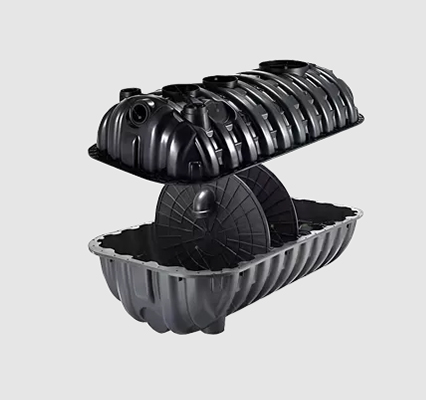
Physical treatment: sedimentation tanks, filtration systems, drum filters, dissolved air flotation (DAF).
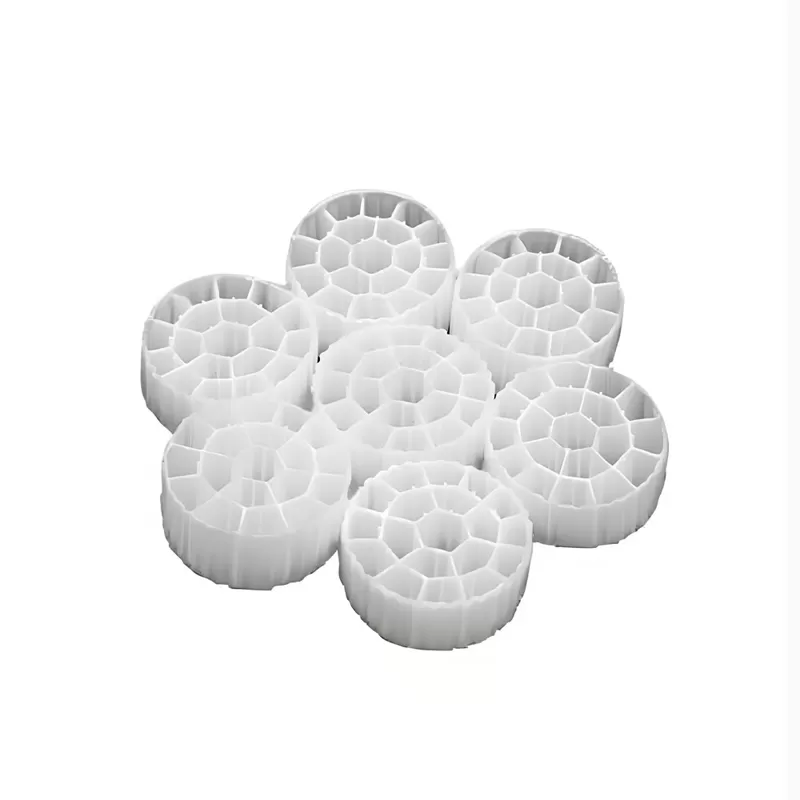
Biological treatment: biofilters, moving bed biofilm reactors (MBBR), constructed wetlands.
Chemical treatment: coagulation/flocculation, pH adjustment, oxidation, disinfection (UV, ozone).
Recirculating Aquaculture System (RAS): integrates mechanical and biological filtration for water reuse.
Designed for continuous operation in high-moisture, outdoor environments.
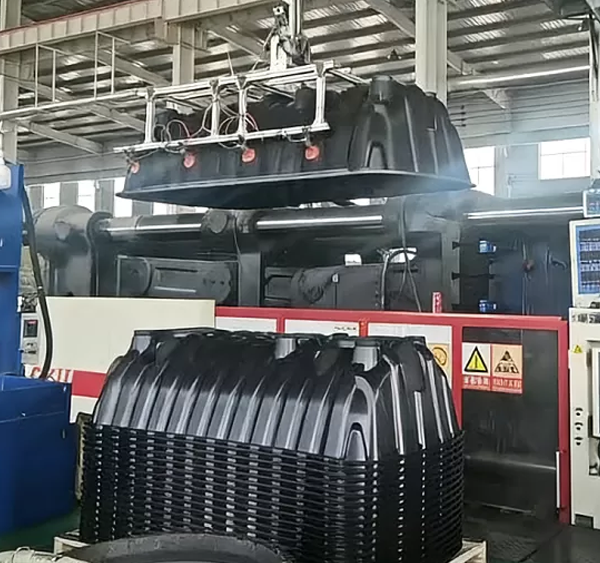
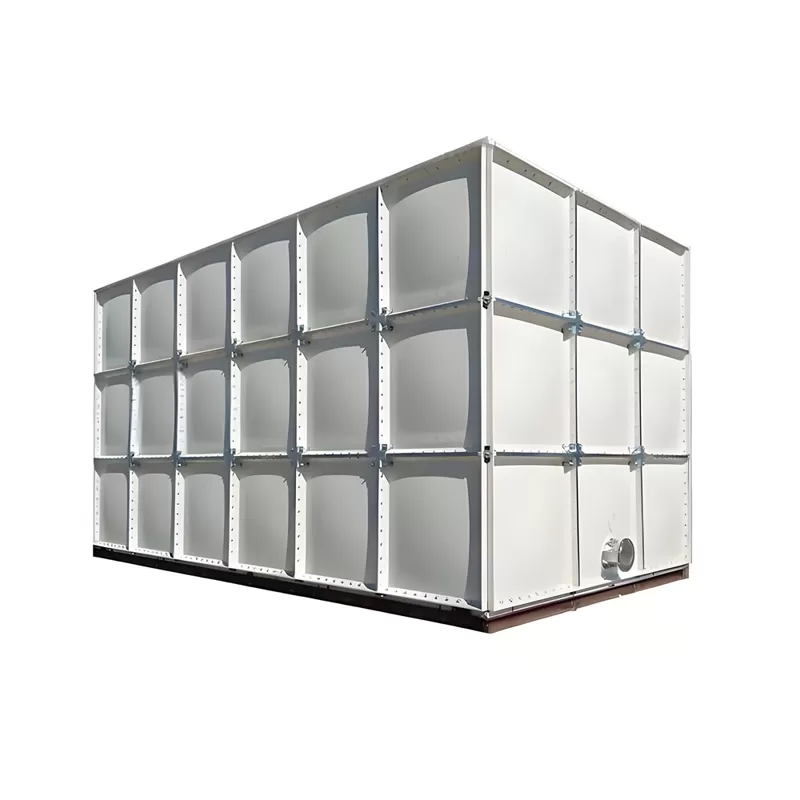
Corrosion-resistant materials (FRP, stainless steel, HDPE).
Compact or modular design for easy installation and relocation.
Low energy consumption and easy operation for farm personnel.
Capable of integrating monitoring systems for water quality parameters (e.g., ammonia, pH, DO).