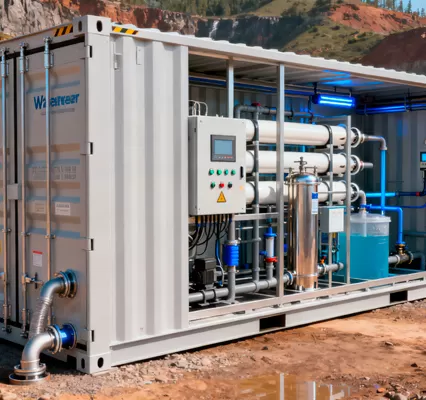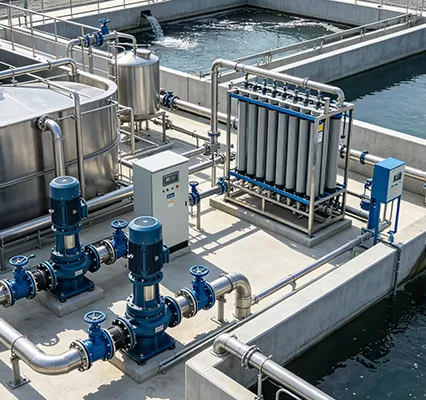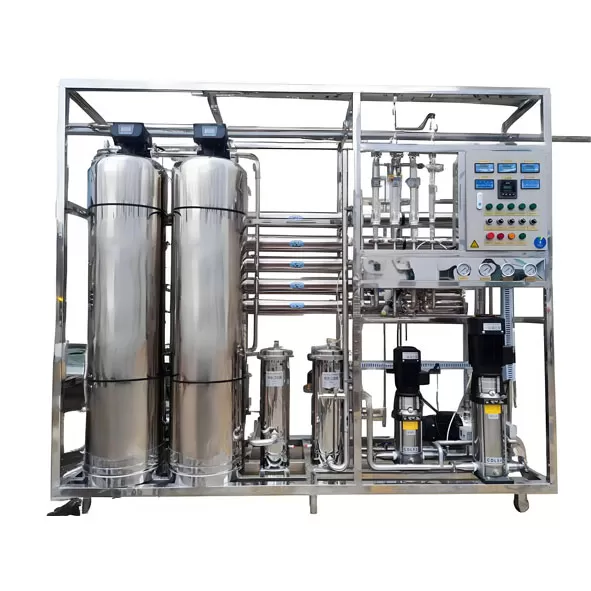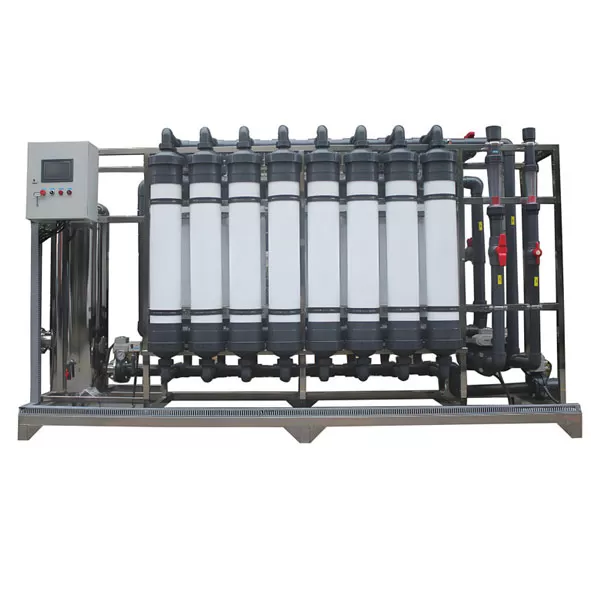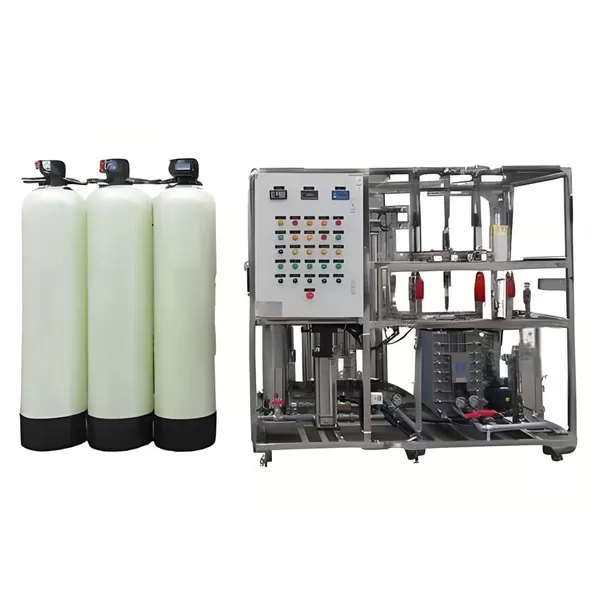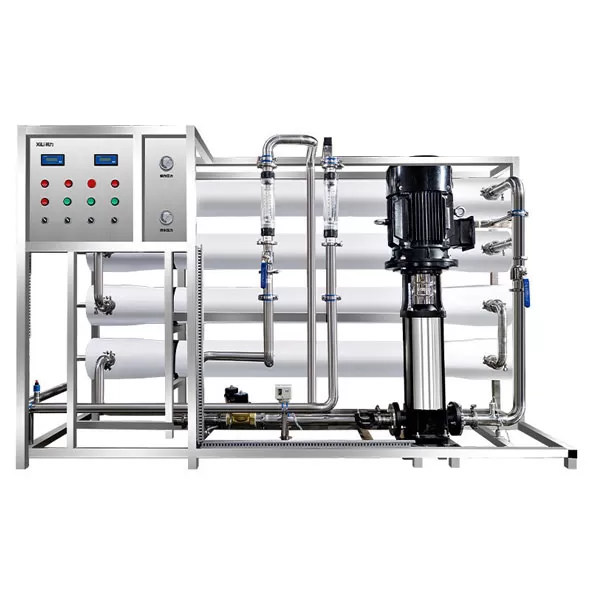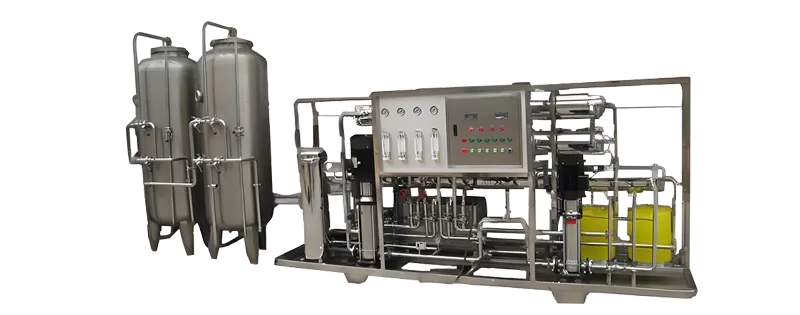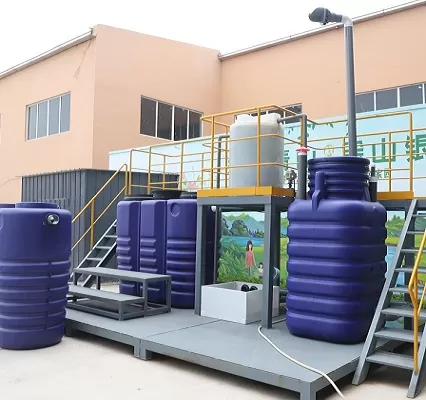
In 2026, facilities across food service, manufacturing, laboratories, and regulated production are operating under tighter audit cycles, higher hygiene expectations, and increasing variability in municipal and industrial water supply. A properly configured water purifier is no longer a generic purchase — it is an engineering decision that must match the treatment process to the specific water quality target of the application. That distinction matters most when requirements shift from improving drinking water taste to meeting the documentation and process control expectations of a water purification system in the pharmaceutical industry workflows.
The pain point is consistent across industries: the wrong water grade causes product taste complaints in food service, unstable conductivity readings in laboratory QC, accelerated scaling in boiler systems, and documentation gaps in regulated production. Each of these failures generates rework, downtime, or compliance risk — and each is preventable with a correctly specified treatment configuration.
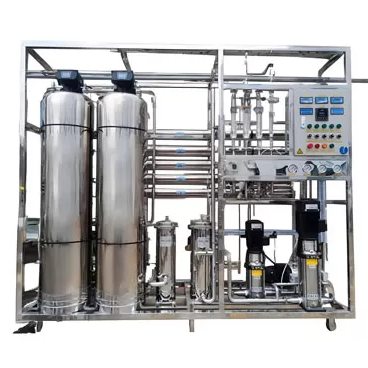
The first specification decision is defining what "purified" means for the application. Four distinct water grades cover the majority of industrial and commercial requirements:
Drinking and culinary improvement: removal of chlorine, odor, and taste compounds for food service and catering
Process water: stable conductivity and hardness control for equipment protection and consistent process inputs
High-purity / deionized water: low conductivity or high resistivity for laboratory and analytical applications
Pharmaceutical process water: spec-defined output with process control features that support validation records and regulatory compliance
Each grade requires a different treatment route. Specifying the grade before selecting equipment prevents both under-specification — which fails to meet the application requirement — and over-specification, which adds capital cost and maintenance complexity without delivering additional value.
| Treatment Stage | Primary Function | Typical Position in Train |
|---|---|---|
| Sediment filtration | Removes suspended particles; protects downstream membranes | First stage |
| Activated carbon | Removes chlorine, chloramines, and organic taste/odor compounds | Before RO membrane |
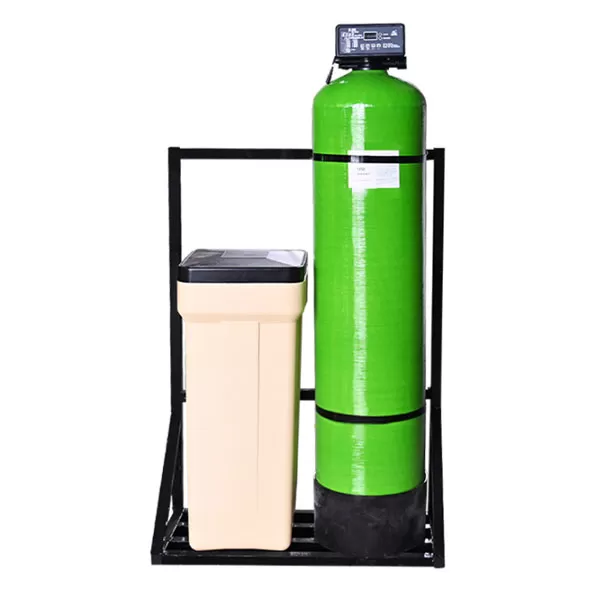
| Softener (ion exchange) | Reduces hardness (calcium/magnesium); prevents scaling | Before RO for hard water sources |
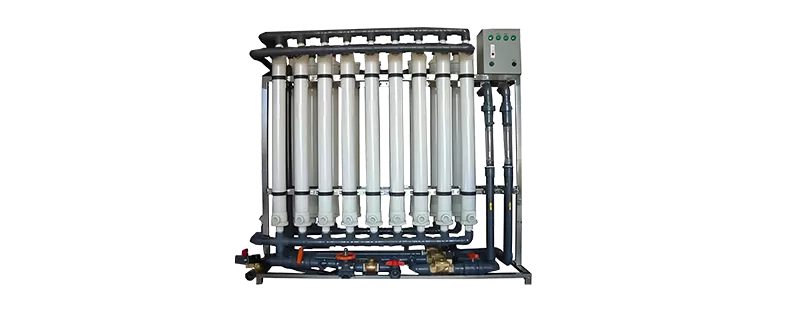
| UF (Ultrafiltration) | Removes colloids, bacteria, and suspended solids; stabilizes RO feed | Pre-RO or standalone for turbid sources |
| RO (Reverse Osmosis) | Reduces dissolved salts, TDS, and most ionic contaminants | Core desalination stage |
| UV disinfection | Microbial control; reduces biofilm risk in distribution | Post-RO or at point of use |
| EDI / Mixed-bed DI | Polishes RO permeate to high-purity or ultrapure grade | Final polishing for lab or pharma applications |
The modular architecture means that the same platform can be configured for different targets by selecting and sequencing the appropriate stages — from a simple carbon-plus-UF system for food service to a full RO-plus-EDI train for pharmaceutical process water.
The following parameters should be defined before issuing an RFQ. Incomplete specification at this stage is the primary cause of equipment misselection and post-installation performance gaps.
| Specification Parameter | What to Define | Why It Matters |
|---|---|---|
| Flow rate | Peak demand (L/h) and average continuous demand | Sizes membranes, pumps, and storage; undersizing causes pressure drops and quality instability |
| Target TDS / conductivity | Output conductivity (µS/cm) or TDS (mg/L) | Determines whether RO alone is sufficient or polishing DI is required |
| Target hardness | Output hardness (mg/L as CaCO₃) | Determines whether softening is required upstream of RO |
| Chlorine removal | Residual chlorine in feedwater | Carbon stage sizing; critical for RO membrane protection |
| Turbidity | NTU in feedwater | Determines whether UF pre-treatment is required |
| Microbial control requirement | CFU/mL target or sterility assurance level | Determines UV sizing and whether additional barriers are needed |
| Feedwater source | Municipal, well, reclaimed, or pre-treated | Affects pretreatment train design and membrane fouling risk |
| Operating temperature | Feedwater and ambient temperature range | Affects membrane performance and UV dose calculation |
| Documentation requirements | Validation records, calibration logs, alarm history | Determines instrumentation and control system specification |
The water quality requirement in food service is primarily sensory: removal of chlorine, chloramines, and organic compounds that affect the taste and odor of beverages, cooking water, and ice. The treatment target is not low TDS — it is consistent, neutral-tasting water that does not interfere with product flavor profiles.
Typical configuration: sediment filtration → activated carbon → optional UF for turbid or microbiologically variable source water → optional UV for additional hygiene assurance. RO is not always required in this application; the decision depends on source water TDS and whether mineral content affects the intended flavor profile.
Laboratory applications require water with predictable, stable conductivity or resistivity — not just low TDS. Batch-to-batch variation in reagent water quality is a direct cause of test result instability, which generates repeat testing, investigation time, and potential method validation issues.
Typical configuration: sediment filtration → activated carbon → RO → EDI or mixed-bed deionization polishing → final 0.2 µm filtration at point of use. The RO stage removes the bulk of dissolved ions; the EDI or mixed-bed stage polishes to the resistivity target required by the analytical method. Conductivity monitoring with alarm setpoints at the polishing stage output is standard practice.
Boiler scaling from calcium and magnesium hardness is one of the most predictable and preventable causes of heat-transfer efficiency loss and tube failure in industrial utilities. A 1 mm scale deposit on a boiler tube surface can increase fuel consumption by 7 to 10 percent. The water treatment requirement is hardness removal — consistently, across the full operating period.
Typical configuration: softener (ion exchange) for hardness removal → RO for TDS reduction where boiler operating pressure requires low-conductivity feedwater → conductivity monitoring and automatic regeneration control. For high-pressure boilers, RO permeate quality is typically required in addition to softening; for low-pressure steam or hot water systems, softening alone may be sufficient depending on the boiler manufacturer's feedwater specification.
The water purification system in pharmaceutical industry applications must meet two requirements simultaneously: stable, spec-defined output water quality, and process control features that generate the records required for validation and regulatory inspection. The water quality specification — whether Purified Water or Water for Injection — is defined by pharmacopoeia standards. The documentation requirement — batch records, calibration logs, alarm history, CIP records — is defined by the facility's quality management system and the applicable regulatory framework.
Typical configuration: pretreatment train → RO (single or double pass depending on specification) → EDI or UV polishing → distribution loop with continuous recirculation and online conductivity and TOC monitoring. The instrumentation and control system must support data logging, alarm management, and audit trail generation in a format compatible with the facility's validation documentation requirements. For a practical reference on how this configuration maps to pharmaceutical production workflows, view the pharmaceutical water treatment application page here.
Step 1: Define the use case and water grade target. Identify the application — drinking water improvement, laboratory DI, boiler feed, or pharmaceutical process water — and define the output quality specification in measurable terms (conductivity, hardness, TDS, microbial limit).
Step 2: Obtain a feedwater analysis report. Provide TDS, hardness, chlorine residual, turbidity, pH, and microbial indicators for the source water. This is the single most important input for correct equipment sizing and pretreatment design.
Step 3: Set output targets and flow requirements. Define peak and average flow demand, output conductivity or TDS target, hardness limit, and any microbial control requirement. Include operating hours per day and seasonal variability if relevant.
Step 4: Select the treatment route. Based on the feedwater analysis and output targets, confirm the required stages: pretreatment train, UF, RO, UV, and polishing DI if required. Confirm recovery rate targets and wastewater handling capacity.
Step 5: Confirm utilities and footprint. Verify available electrical supply, drain connection capacity, floor space, and whether a product water storage tank or recirculation loop is required.
Step 6: Define acceptance tests and documentation requirements. Agree on commissioning acceptance criteria: output flow rate, conductivity/TDS at rated flow, pressure drop across each stage, alarm function verification, and documentation package format (especially for regulated applications).
Chlorine removal confirmed before RO membrane (carbon stage performance)
Auto-flush and rinse logic verified for membrane protection
Conductivity and flow sensors calibrated against reference instruments
Alarm setpoints confirmed and tested
Consumables list and replacement intervals documented
| Maintenance Item | Performance Indicator | Action Trigger |
|---|---|---|
| Sediment filter cartridge | Inlet-outlet pressure differential | Replace at defined pressure drop limit |
| Carbon media | Chlorine breakthrough at carbon outlet | Replace on schedule or at breakthrough detection |
| RO membrane | Normalized permeate flow and salt rejection | CIP when flow drops >10–15% or rejection drops |
| UV lamp | Lamp hours and UV intensity sensor reading | Replace at manufacturer's rated lamp life |
| Softener resin | Hardness in softener outlet | Regenerate on volume or hardness breakthrough |
| DI resin / EDI module | Outlet conductivity or resistivity | Replace resin or service EDI at conductivity limit |
The capital cost of a water purification system is typically a minor fraction of its total lifecycle cost. The dominant cost drivers are:
Consumables and membrane life: correctly sized equipment with appropriate pretreatment extends membrane life and reduces replacement frequency; undersized or poorly pretreated systems foul membranes prematurely
Downtime from fouling or scaling events: an unplanned system shutdown in a production or laboratory environment has a cost that is disproportionate to the maintenance event itself
Water recovery rate: low recovery rates increase wastewater volume and disposal cost; RO system design should target recovery rates appropriate for the feedwater quality and local water cost
Labor for maintenance and recordkeeping: in regulated environments, documentation labor is a real and recurring cost; systems with automated logging and alarm management reduce this burden significantly
Matching water quality to industry needs in 2026 is an engineering specification decision, not a product selection shortcut. A configurable water purifier platform — combining UF, RO, UV, and optional polishing stages — can meet the requirements of food service, laboratory, boiler utility, and pharmaceutical production from a single equipment family, provided the treatment route is correctly matched to the feedwater quality and the output target.
The facilities that get this right avoid the recurring costs of scaling, membrane fouling, test result instability, and compliance documentation gaps. The facilities that get it wrong pay for those failures in rework, downtime, and repeat procurement.
Share your water quality requirements and application details below, and our engineering team will recommend the correct treatment configuration and stage selection for your industry — with pricing matched to your flow rate and specification.
Working conditions: Industry and application type, source water type (municipal, well, reclaimed), operating hours per day, and any known water quality issues.
Quantity: Number of systems required and whether the application is a single site or multi-site standardization project.
Size and specification: Required flow rate (peak and average), footprint constraints, available electrical supply, storage tank or recirculation loop requirement, and output water quality targets.
Target metrics: Output TDS or conductivity, hardness limit, chlorine or odor removal requirement, microbial control target, and documentation or validation requirements.
Current problems: Scaling in boilers or equipment, chlorine odor in drinking or process water, unstable laboratory test results from variable reagent water quality, frequent filter clogging, or compliance and documentation gaps in regulated production.
1. What is a water purifier?
A water purifier is a modular water treatment system designed to improve source water quality to a defined target grade for a specific application. It combines treatment stages — typically including sediment filtration, activated carbon, ultrafiltration (UF), reverse osmosis (RO), UV disinfection, and optional deionization polishing — selected and sequenced to address the specific contaminants present in the feedwater and meet the output quality specification required by the application. The configuration varies by industry: a food service system prioritizes chlorine and odor removal; a laboratory system adds RO and DI polishing; a pharmaceutical system adds online monitoring and documentation-ready instrumentation.
2. Water purifier vs. bottled water, single-stage filters, or softeners only — what is the difference?
Bottled water shifts the cost and logistics burden without addressing the root cause of water quality variability at the facility. Single-stage carbon filters improve taste and odor but do not reliably control dissolved solids, hardness, or microbial content. Softeners reduce hardness but do not remove TDS or address chlorine, organics, or microbial risk. A multi-stage water purifier addresses multiple contaminant categories simultaneously and delivers a consistent, measurable output quality — which is what process, laboratory, and regulated production applications require. The correct comparison is not unit cost but total cost of the water quality outcome, including the cost of failures caused by inadequate treatment.
3. What is the ROI or payback of installing a correctly matched system?
ROI is realized across several cost categories: reduced boiler scaling events and associated maintenance and efficiency losses; fewer laboratory repeat tests from unstable reagent water quality; improved beverage taste consistency and reduced customer complaints in food service; lower consumable waste from correctly sized equipment versus an over- or under-specified system; and reduced compliance documentation labor in regulated environments with automated monitoring and logging. The payback period depends on the application and the cost of the current water quality failures, but for boiler and laboratory applications with measurable failure costs, payback within one to two years is common.
4. Do we need to modify our facility to install a water purification system?
Minor facility modifications are typically required: a feed water connection, a drain connection for RO concentrate and backwash, an electrical supply matched to the system's power requirement, and floor space for the equipment footprint. A product water storage tank or recirculation loop may be required depending on the application's flow demand profile. For pharmaceutical or other regulated applications, additional steps including installation qualification, operational qualification, and performance qualification documentation may be required before the system can be used in production. These requirements should be identified and planned before equipment selection, not after installation.
5. What parameters should we provide for correct selection?
Provide the following: source water analysis report including TDS, hardness, chlorine residual, turbidity, pH, and microbial indicators; target output water quality in measurable terms (conductivity, hardness, TDS, microbial limit); required flow rate (peak and average); operating hours per day; ambient and feedwater temperature range; footprint and utility constraints; industry application type (food service, laboratory, boiler feed, or water purification system in pharmaceutical industry context); and a description of current problems — such as scaling, chlorine odor, unstable test results, frequent filter clogging, or compliance and documentation gaps.