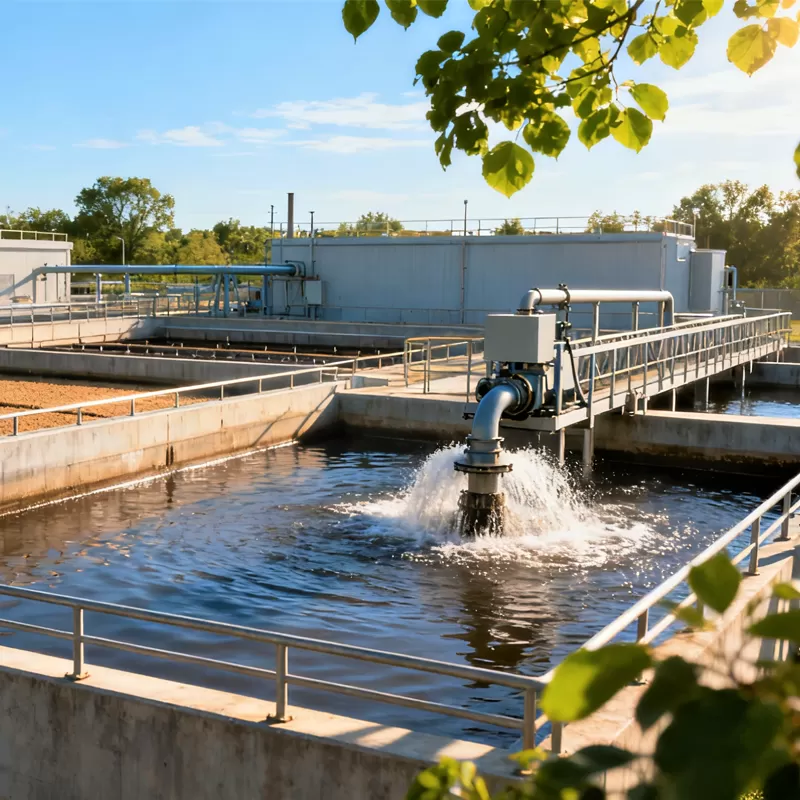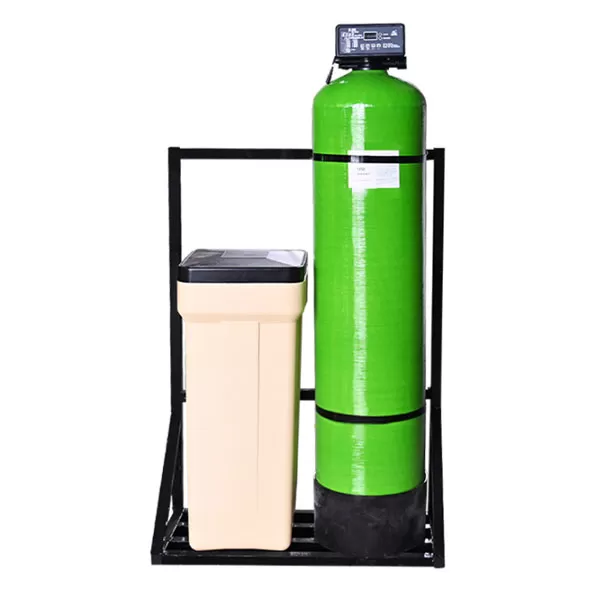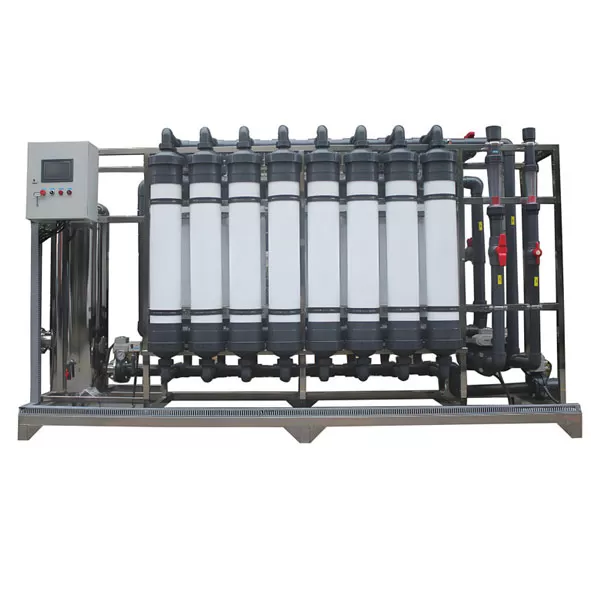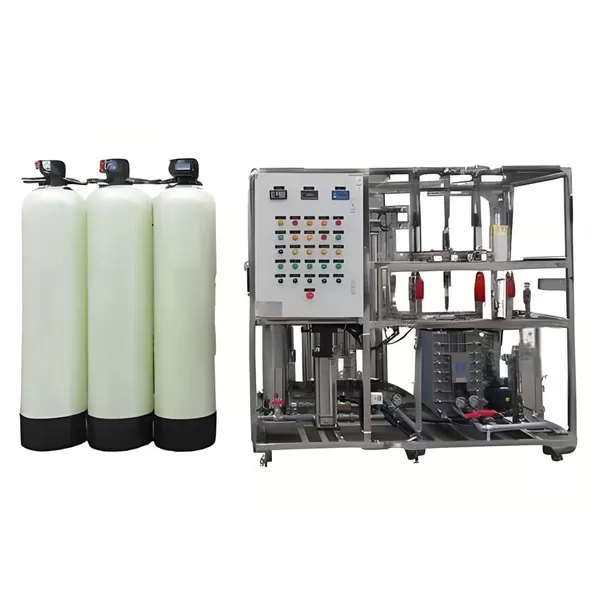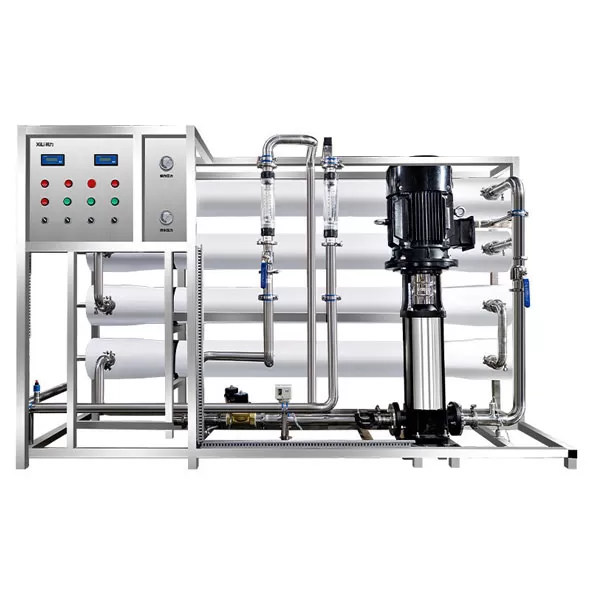
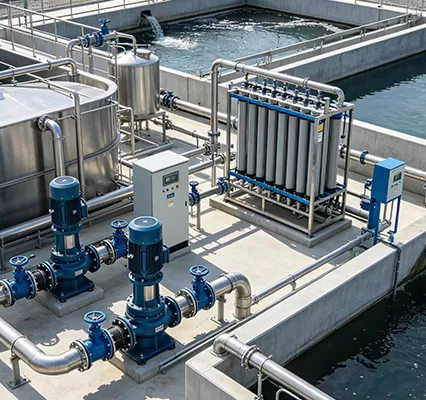
Choosing the right sewage treatment plant equipment means matching your actual wastewater (flow + contaminants) and discharge/reuse targets to a treatment train your team can run reliably. In most projects, the best system is the one that hits compliance consistently with your site constraints (space, power, odor sensitivity) and realistic operating capacity—not the one with the lowest upfront quote.
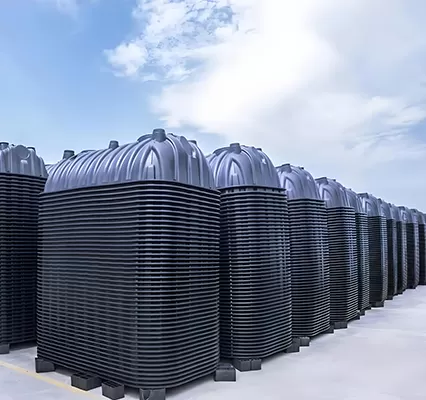
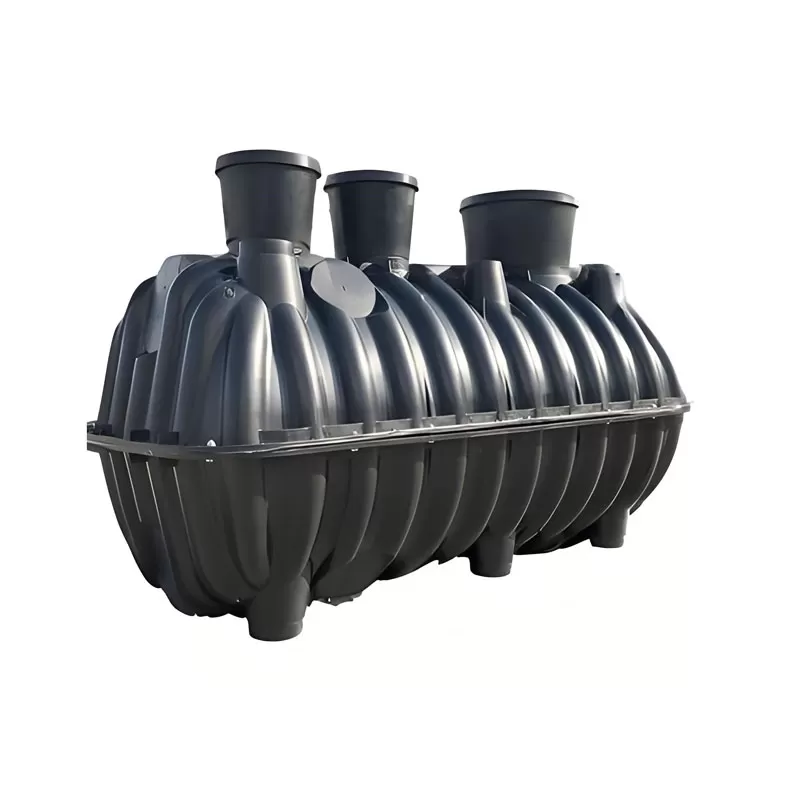
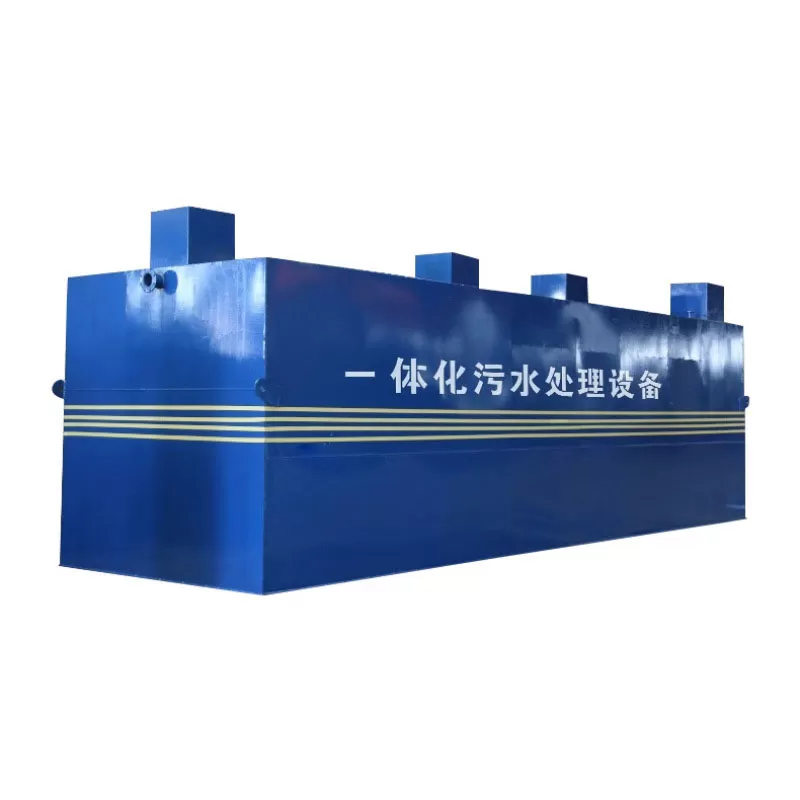
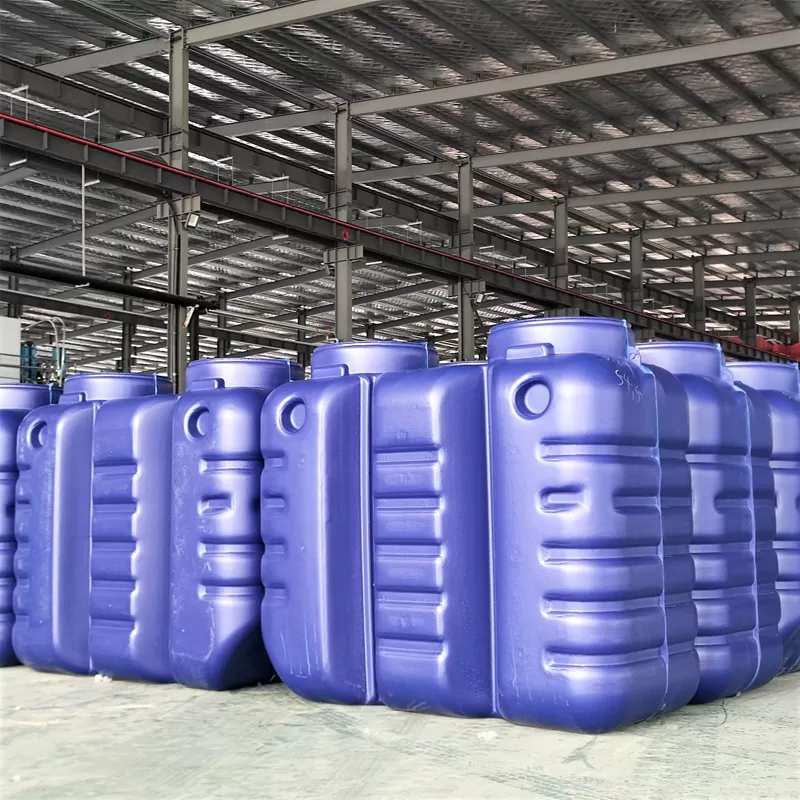
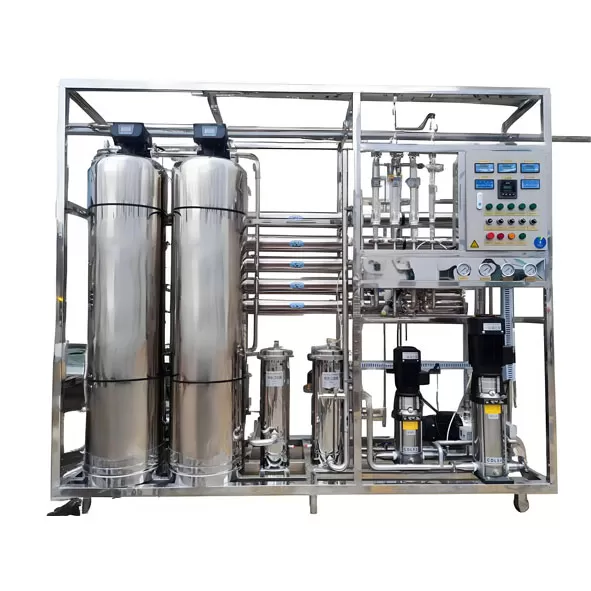
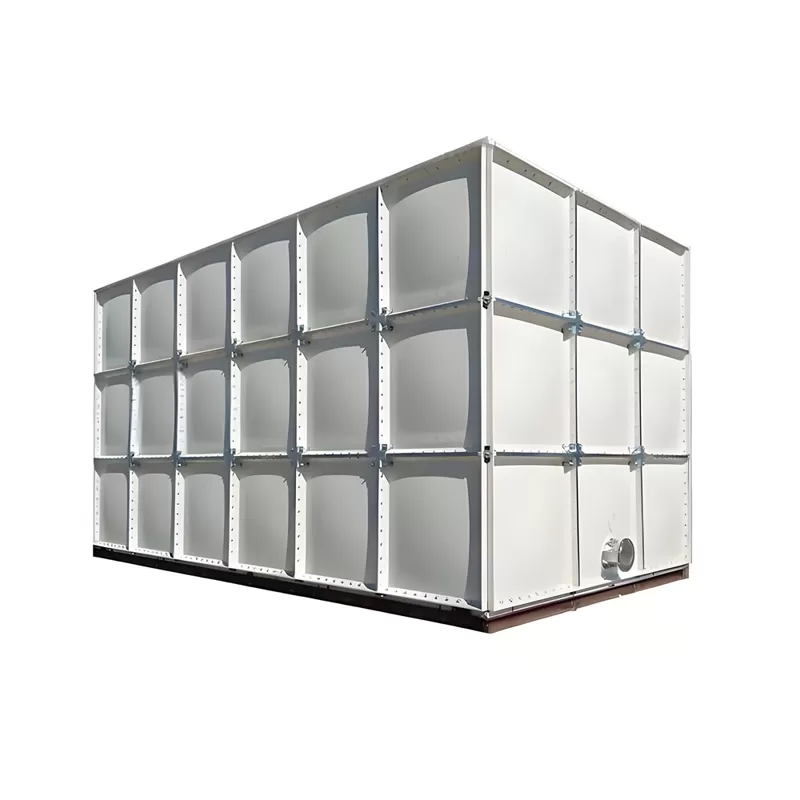
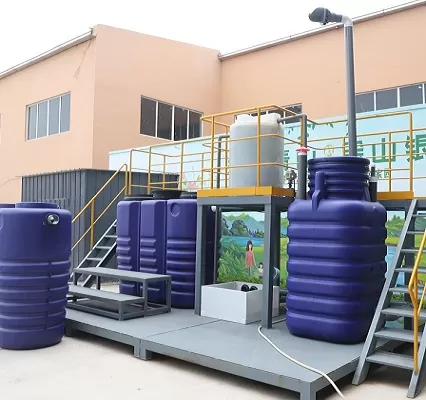
Start with the end requirement: are you treating for basic discharge, stricter municipal standards, or water reuse? Your effluent limits determine whether you need only primary + biological treatment, or additional polishing and disinfection.A practical way to buy is to think in treatment stages, not single machines. A common train is primary treatment → biological treatment → solids separation/polishing → disinfection, with optional pretreatment for oils and high solids. For decentralized or residential sites, a septic tank often acts as reliable primary treatment by retaining solids and supporting anaerobic digestion before downstream units. Huayu’s septic tank options (such as three‑chamber FRP tanks, portable PE/PP tanks, and stackable biogas septic systems) are designed for primary treatment scenarios where robustness and simple maintenance matter.For areas lacking access to large municipal sewer infrastructure, packaged sewage treatment systems can reduce civil work and speed up deployment. Huayu’s packaged systems are positioned as compact, prefabricated and modular units, and can be configured around processes like MBR, SBR, or biological contact oxidation, depending on the effluent target and footprint available. If you need a tighter effluent (low turbidity/low suspended solids) or you’re planning reuse, MBR-style packaged systems are often shortlisted; for variable flows and simpler hardware, SBR-based packaged systems can be a strong fit.
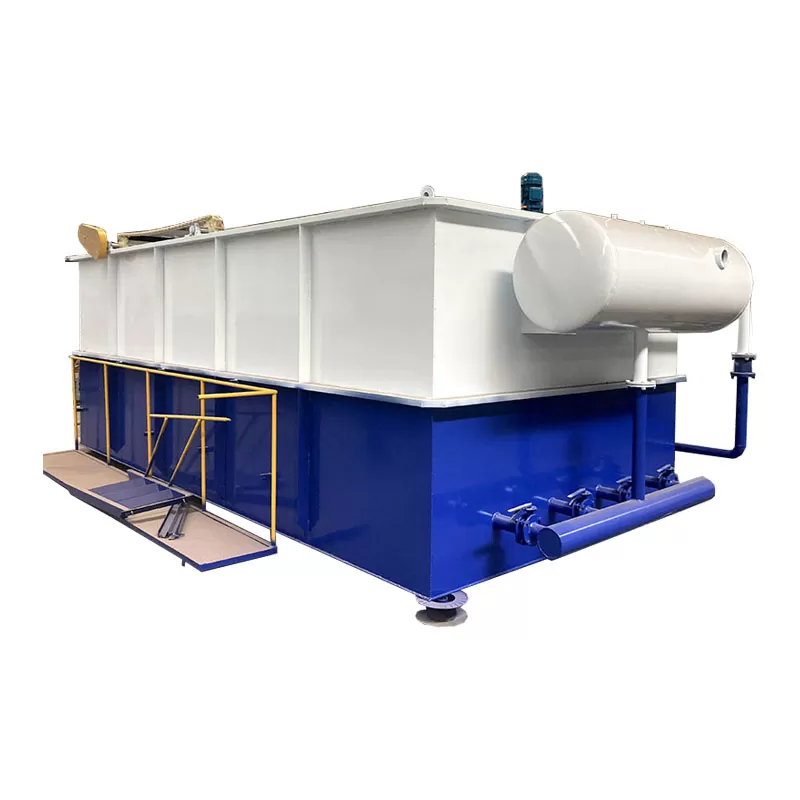
The fastest way to buy the wrong equipment is to design from assumptions. Before you lock a process, confirm: average and peak flow, BOD/COD, TSS, oil & grease, pH, temperature, and whether loads swing by shift/season/batch discharge.For industrial applications, the most important decision is often whether you need pretreatment. If oil, grease, or high suspended solids are present, upstream removal can protect biological performance and reduce downstream headaches (foam/scum, poor settling, unstable effluent). That’s where Dissolved Air Flotation (DAF) can make sense: by dissolving air under pressure and releasing microbubbles that attach to solids and oils, DAF lifts them for surface removal. Huayu’s Air Flotation Machine line includes DAF unit configurations, electro‑coagulation DAF options, and combined-type DAF units—commonly considered when you want more reliable solids/oil removal before biological treatment.In short: if your influent is “clean domestic,” you may not need DAF; if your influent includes fats/oils/emulsified solids, DAF (or equivalent pretreatment) can be the difference between steady compliance and constant troubleshooting.
After you shortlist a process train, compare vendors using criteria that predict real-world performance:
Lifecycle cost (LCC): aeration energy, chemical usage (coagulation for DAF, pH control, phosphorus removal), sludge wasting/hauling, and consumables (and membranes if you choose MBR).
Automation and monitoring: packaged systems live or die on controls. Ask what instruments are included (flow, level, pH, DO), whether alarms and remote notifications are available, and how the supplier supports commissioning.
O&M realism: request a preventive maintenance plan, a critical spares list, and reference sites similar to your flow range and wastewater type.
Huayu positions its product range as a practical toolkit—septic tanks for primary treatment, packaged systems for compact decentralized plants, and DAF for efficient removal of suspended solids and oils—serving municipal, residential, and industrial needs. When you purchase, make sure the supplier is not only selling equipment, but also validating performance against your influent envelope and training your operators to run it consistently.