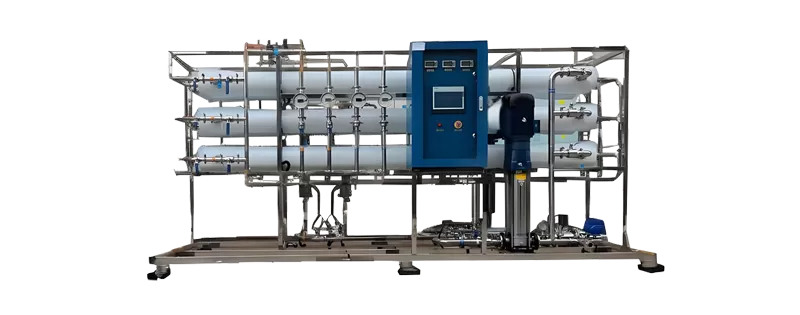
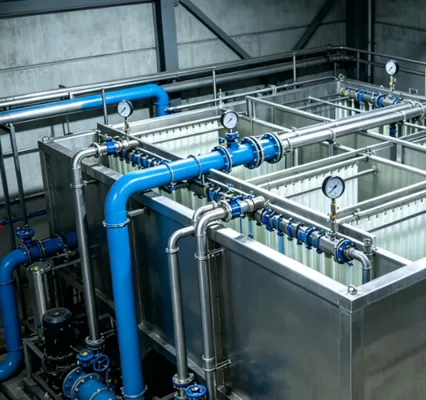
Choose MBR when effluent quality and footprint are the priority; choose SBR when flows are variable and operational flexibility matters; choose MBBR when you want stable, low-maintenance biology with room to expand. All three are available as packaged, prefabricated units—but they behave very differently once running, and picking the wrong one is expensive to fix.
A Package MBR system and a Package SBR system can look similar in a product catalog but perform completely differently under real operating conditions. The biology, the maintenance demands, and the effluent consistency are each distinct.
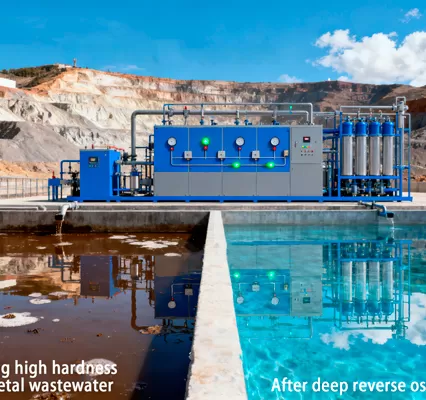
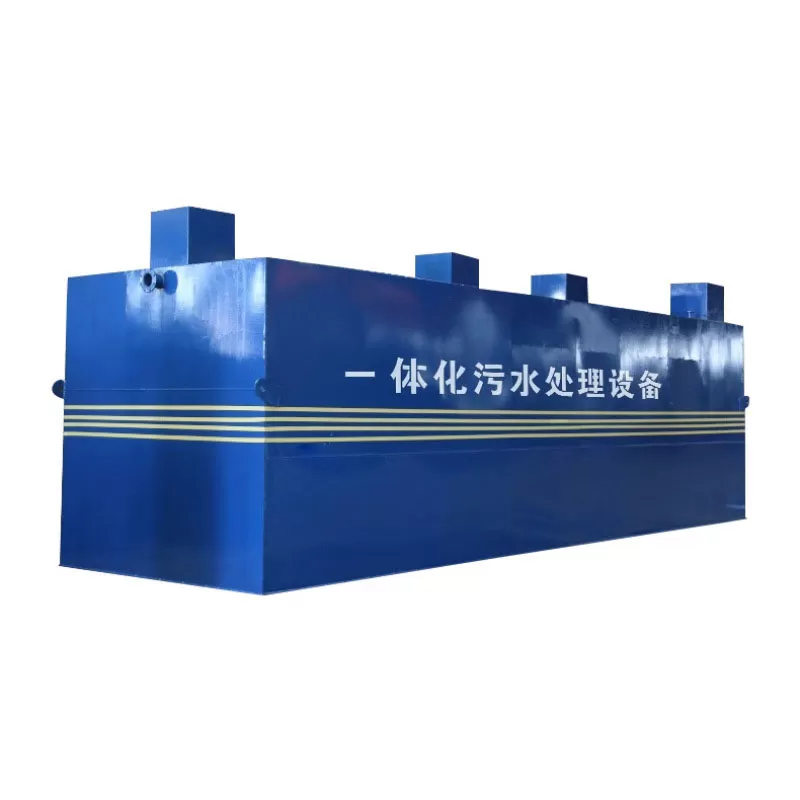
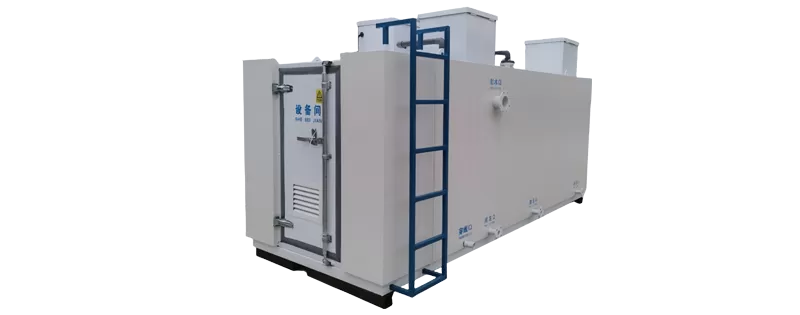
MBR (Membrane Bioreactor) replaces gravity settling with membrane filtration. Solids are physically retained by ultrafiltration membranes, which is why MBR routinely achieves TSS below 5 mg/L and BOD below 10 mg/L—numbers that gravity-based systems struggle to match consistently. The tradeoff is energy (membrane scouring adds blower load) and maintenance discipline: membranes need regular chemical cleaning, and skipping that schedule causes fouling that shortens membrane life. Huayu’s Package MBR Sewage Treatment System is built around this process—a compact, integrated unit suited to projects where effluent limits are strict or water reuse is on the table.
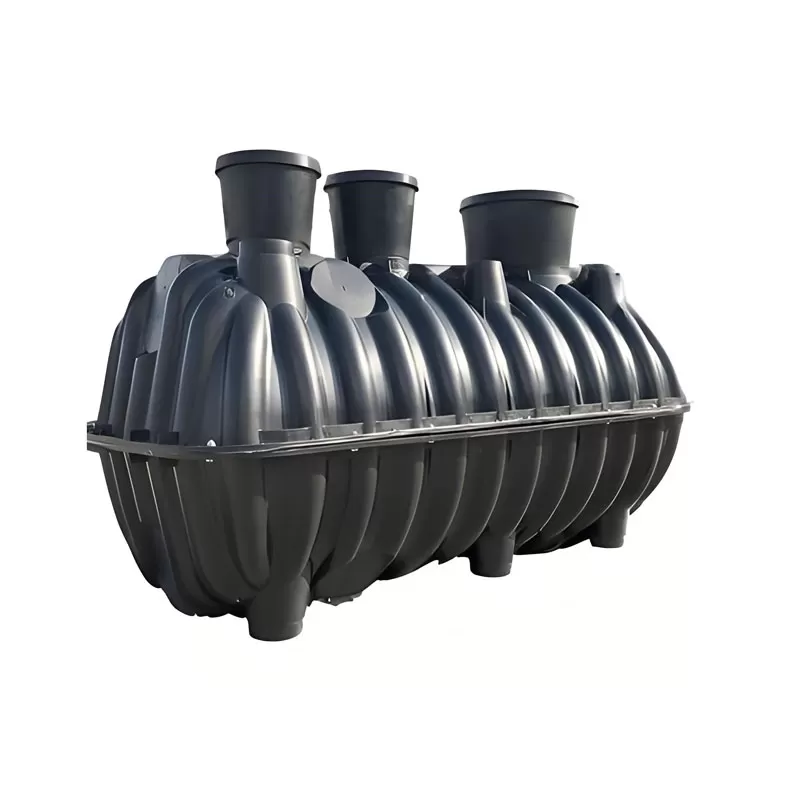
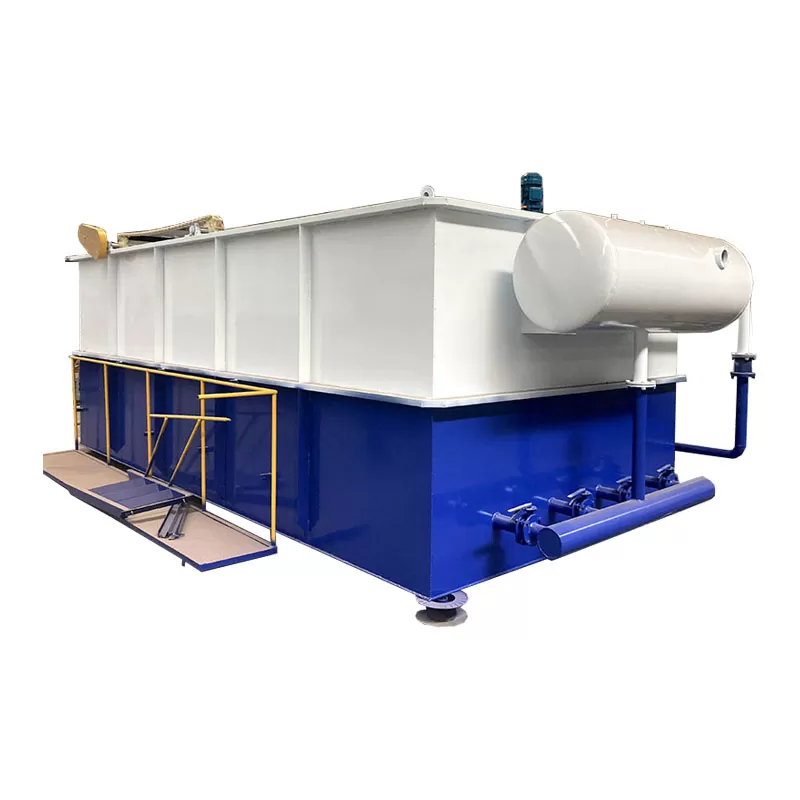
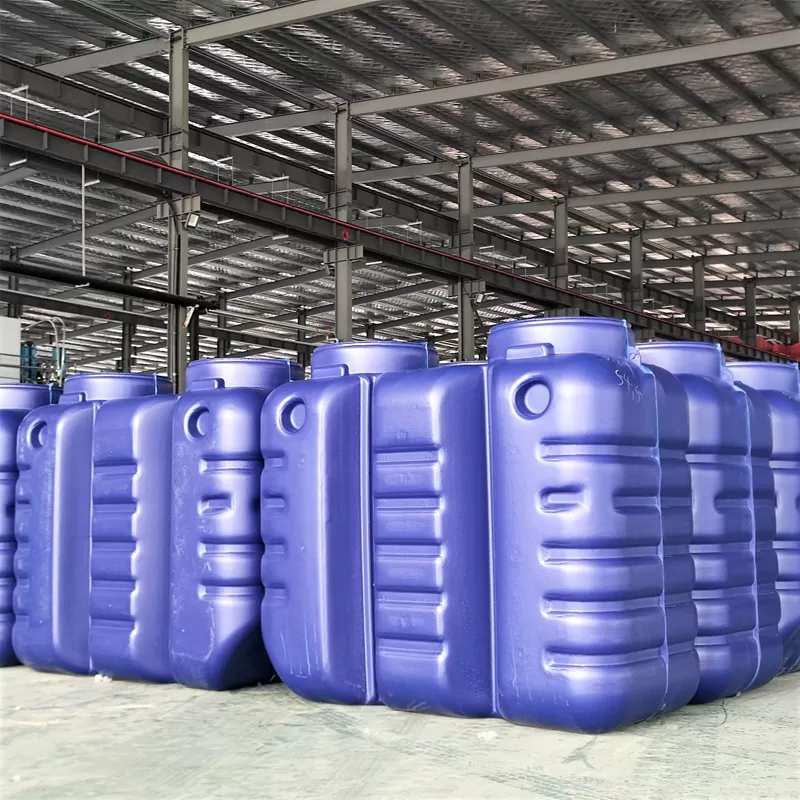
SBR (Sequencing Batch Reactor) runs all biological reactions and clarification in a single basin through timed cycles: fill, aerate/react, settle, decant. Because the cycle timing is adjustable, SBR handles variable flows and loads better than most other packaged configurations. It also supports nutrient removal (nitrification/denitrification) by adjusting the anoxic and aerobic phases within each cycle. The weak point is controls dependency—the process only performs as well as the automated timers, valves, and sensors managing it. Huayu offers packaged systems in SBR configuration, making them a practical option for residential communities, small towns, and hospitality developments where daily flows fluctuate.
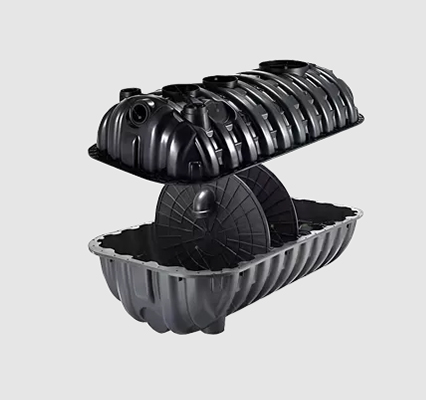
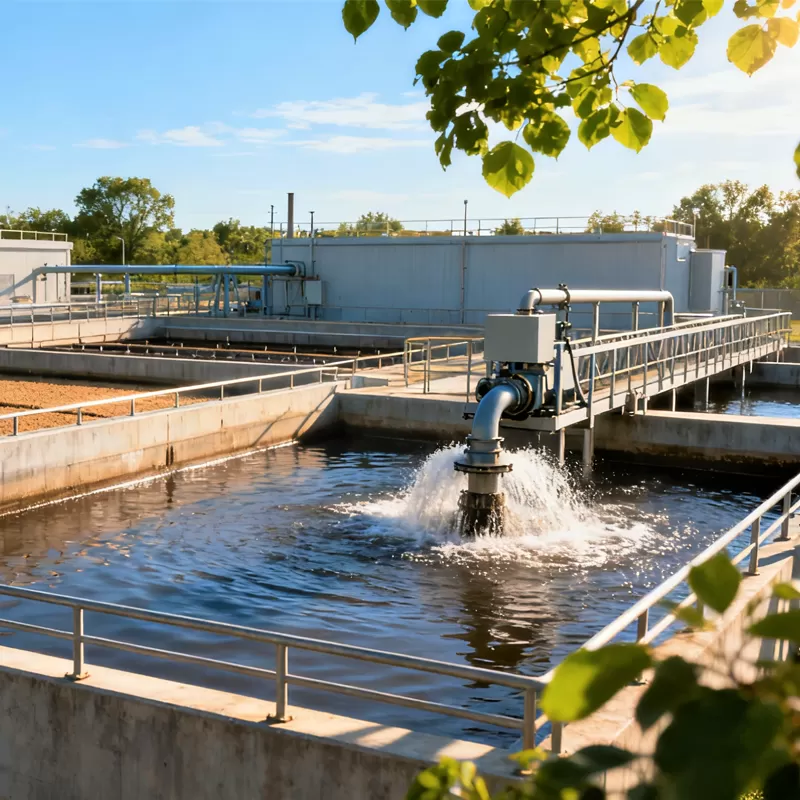
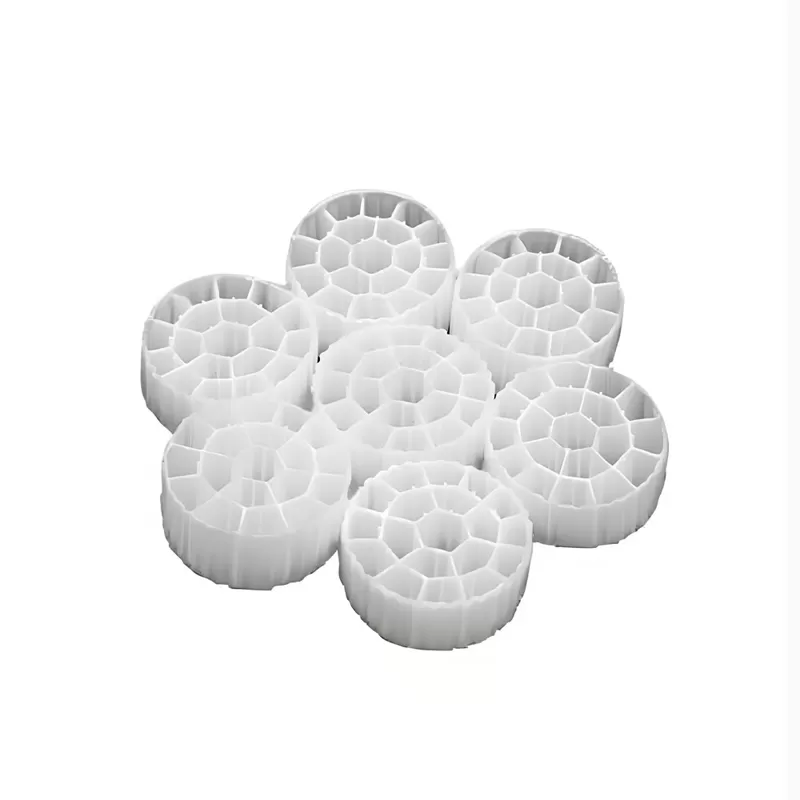
MBBR (Moving Bed Biofilm Reactor) grows biology on plastic carrier media suspended in the aeration tank. The biofilm self-regulates on the carriers, which means no sludge recycle to manage and a process that’s inherently stable against load swings and short toxic events. It’s often the easiest to operate day-to-day. The catch: MBBR effluent always contains detached solids, so a downstream clarifier or filter is non-negotiable. Huayu’s packaged line includes biological contact oxidation configurations—a related fixed-film approach sharing the same core advantage of robust, attached-growth biology.
Process selection should be driven by your effluent requirements and operational reality, not by what’s in stock. The Water Environment Federation consistently emphasizes that technology choice needs to start with the discharge target—not the equipment. A few practical decision points:
Strict limits or reuse goal → MBR. If your discharge permit requires consistently low TSS and BOD, or your project plans to reuse treated water for irrigation or industrial purposes, MBR’s physical barrier is hard to replace with biology alone.
Variable flows, moderate limits → SBR. Hotels, campgrounds, small residential developments with seasonal peaks are natural SBR territory. Add an equalization tank upstream and the process handles most flow variation well.
Stable load, phased expansion → MBBR. Industrial support facilities or developments rolling out in stages benefit from MBBR’s simplicity and the ability to increase capacity by adding media rather than building new tanks.
For decentralized projects in particular, EPA guidance on onsite wastewater management reinforces that long-term O&M capability should be part of technology selection—not an afterthought.
Before you request a quote, answer these honestly:
How tight are your effluent limits—and what’s the cost of a permit violation? The tighter the limits, the stronger the case for MBR.
How variable is your daily flow? High variability favors SBR’s cycle flexibility.
What’s your realistic maintenance capacity? Remote or understaffed sites should lean toward simpler biology (MBBR) rather than membrane-dependent systems.
Are you planning capacity expansion in 3–5 years? MBBR scales most easily; MBR and SBR both require more significant modifications to add capacity.
There is no universally best packaged sewage treatment process—only the one that fits your specific combination of effluent targets, flow patterns, site constraints, and operational capacity. MBR delivers the most consistent, reuse-ready effluent but asks the most from your maintenance program. SBR offers genuine process flexibility for variable-load projects but depends heavily on reliable automation. MBBR gives you robust, predictable biology that’s forgiving to operate, as long as you plan properly for downstream solids separation.Huayu’s packaged sewage treatment system range—covering MBR, SBR, and biological contact oxidation configurations—is designed with exactly this decision in mind: compact, modular units that can be matched to your process requirement rather than forcing a one-size-fits-all approach. If you’re at the point of shortlisting technologies, the most useful next step is usually sharing your influent data and discharge limits with a supplier so the process recommendation is grounded in your actual numbers, not a generic datasheet.