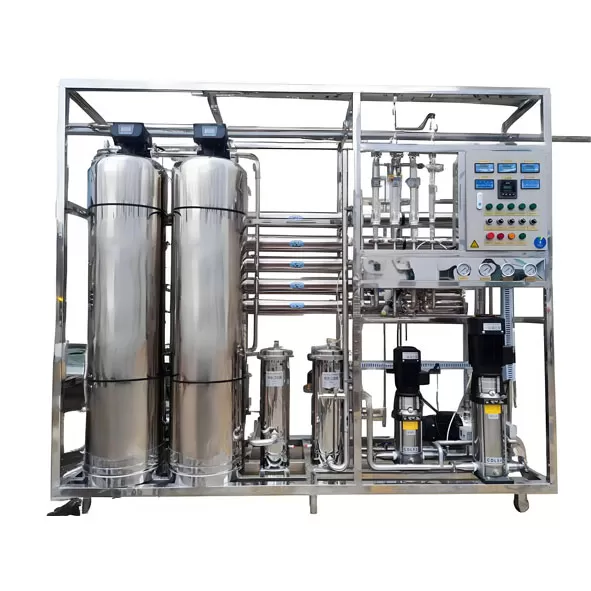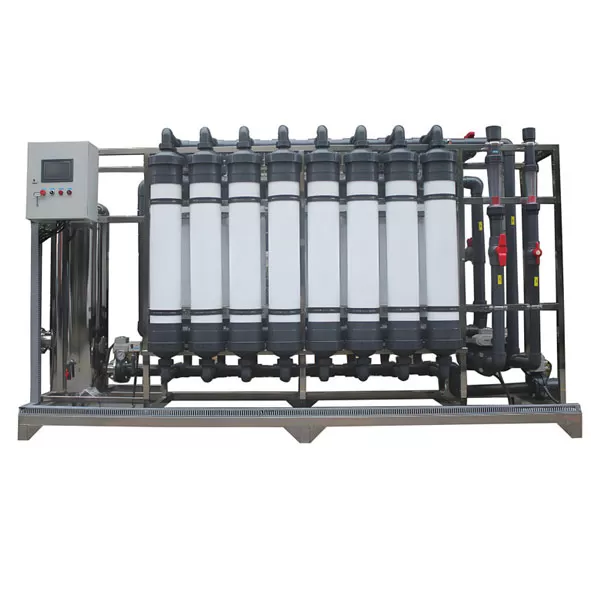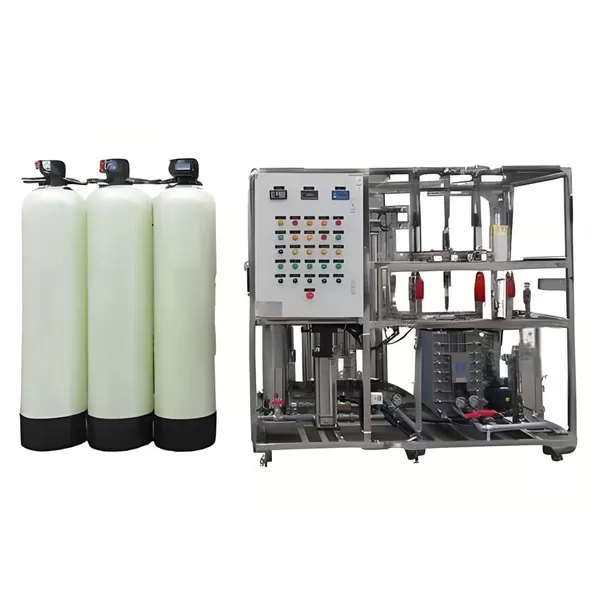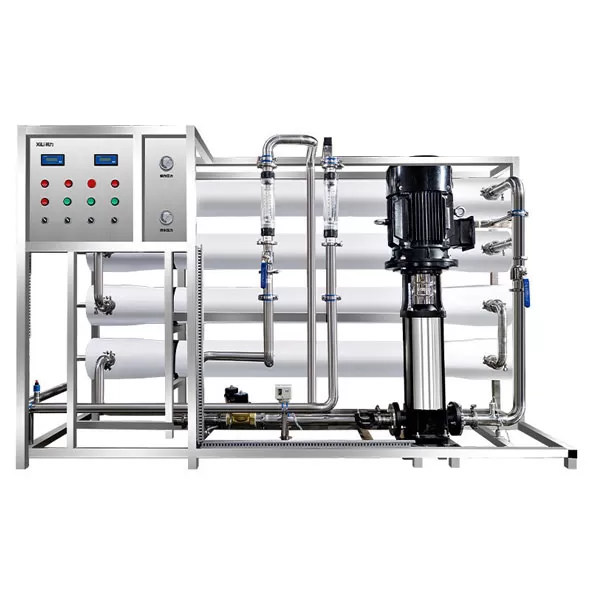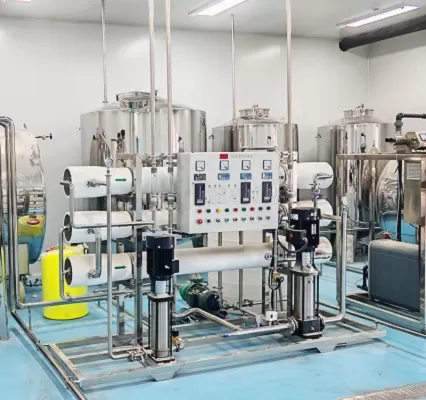
EDI water purification system are rapidly replacing traditional distillation and DI cartridges in laboratory water purification because they deliver continuous, chemical-free ultra-pure water (15–18 MΩ·cm resistivity) with far lower operating costs, zero downtime for regeneration, and minimal maintenance—while cutting energy use and chemical waste.
If your lab depends on high-purity water for experiments, you know inconsistent quality can ruin results. For years, distillation and disposable DI cartridges were the only options. Today, electrodeionization (EDI) has become the smarter, more reliable choice for modern labs in pharmaceuticals, biotech, and analytical chemistry.
Distillation boils water and condenses the steam, but it is energy-intensive and slow. It often fails to remove volatile organics and requires frequent cleaning to prevent scaling. Labs using stills face high electricity bills and inconsistent output during peak demand.DI cartridges rely on ion-exchange resins that exhaust quickly. Once saturated, they cause resistivity drops and risk ion breakthrough. Replacing cartridges means downtime, hazardous chemical handling for regeneration, and variable water quality between batches. Both methods also generate more waste and struggle to meet strict ASTM Type I or ISO 3696 standards without extra steps and constant monitoring.
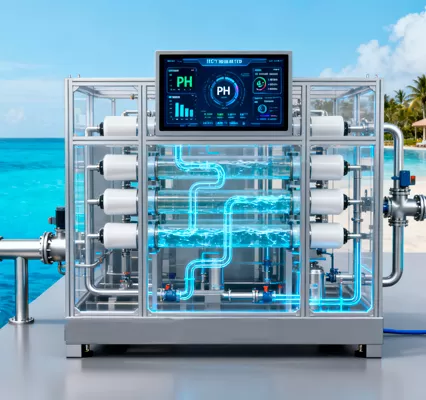
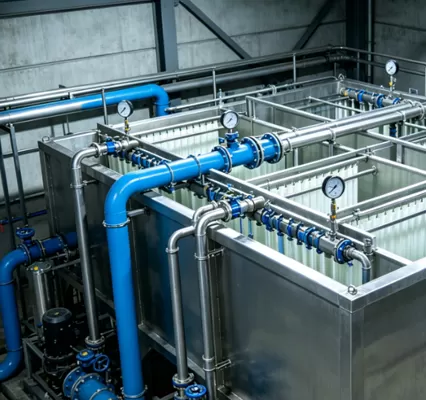
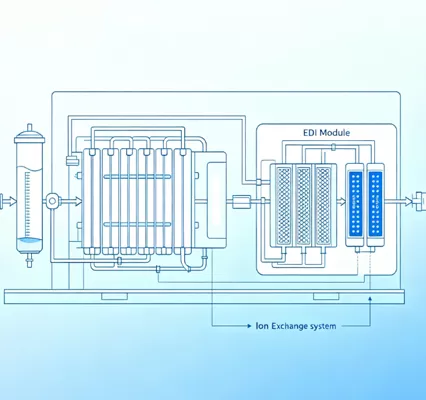
Electrodeionization combines ion-exchange resins with selective membranes and a low-voltage electric field. Ions are continuously driven out of the product water into separate concentrate channels while the resins are regenerated on the spot by splitting water into H⁺ and OH⁻—no chemicals needed. The process runs 24/7 after reverse osmosis, producing stable ultra-pure water with minimal waste and compact footprint.Compared with older methods, EDI water purification system offers consistent purity, automated operation, and real-time monitoring of resistivity and TOC. It integrates seamlessly into multi-stage systems and meets demanding lab standards without the interruptions or hidden costs of distillation and DI cartridges.
Labs switching to EDI report 30–50 % lower annual operating costs, reduced chemical waste, and better compliance with GLP/GMP. The technology shines in analytical chemistry (HPLC, mass spectrometry), molecular biology (PCR, cell culture), microbiology, and pharmaceutical quality control. Its hygienic design and flexible configurations make it ideal for both small benchtop labs and larger facilities.As sustainability rules tighten, EDI supports green-lab goals with lower energy use and no hazardous regenerants. For any lab still relying on outdated methods, upgrading to EDI means more reliable results, less maintenance, and long-term savings.