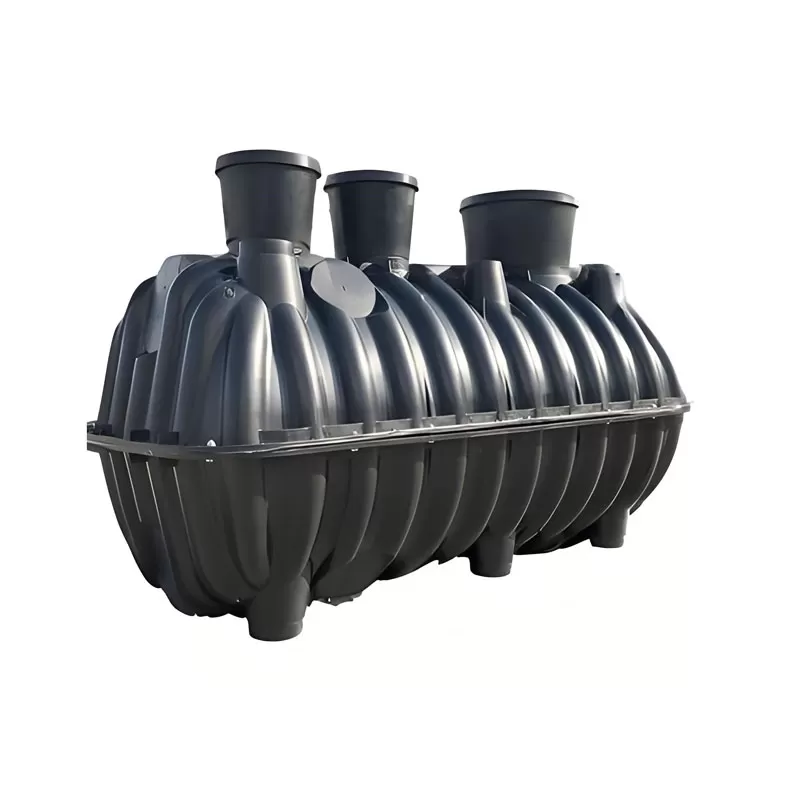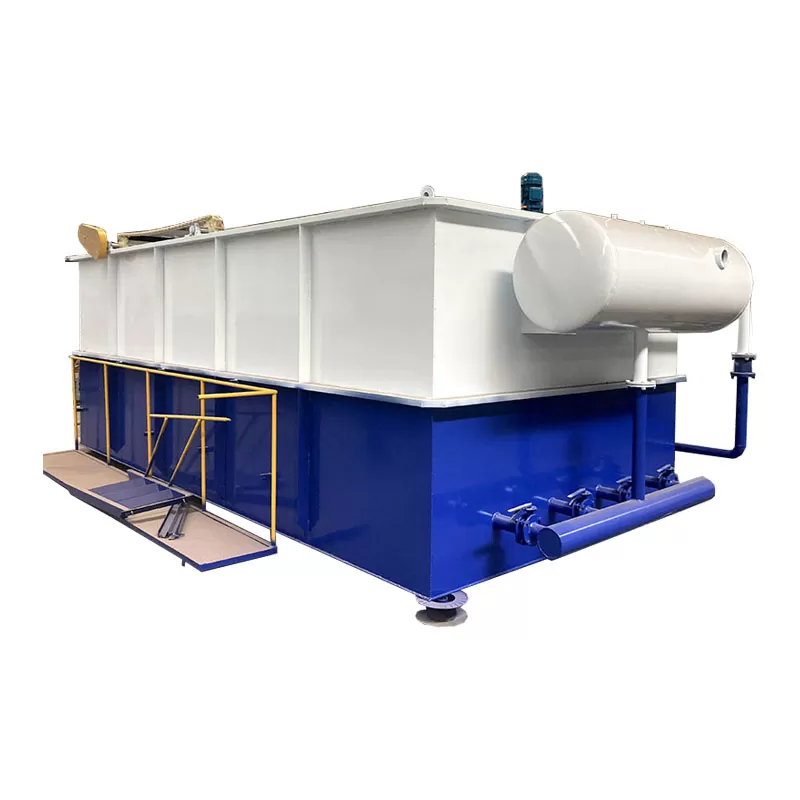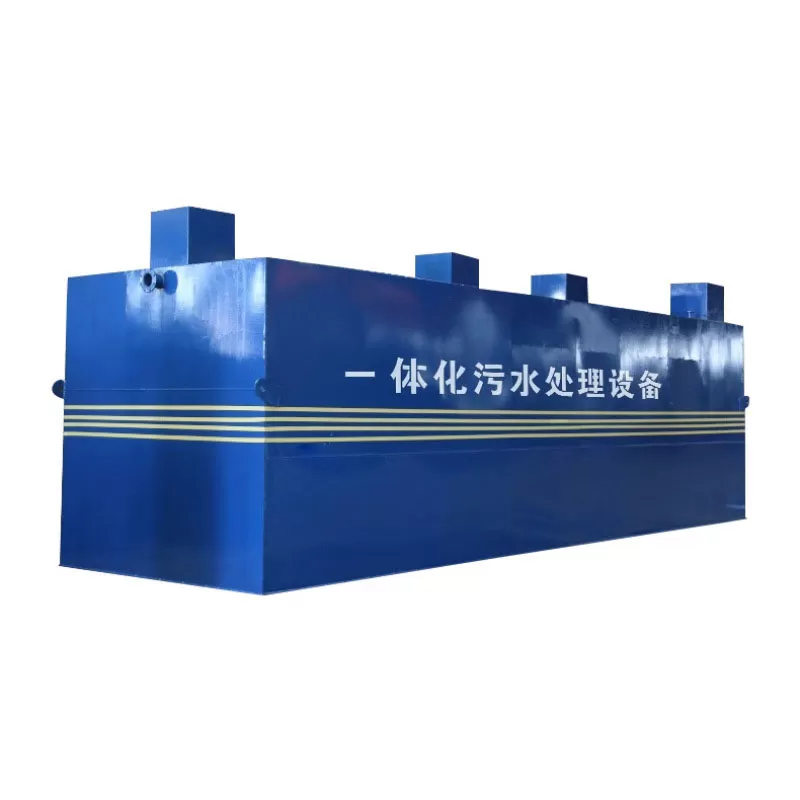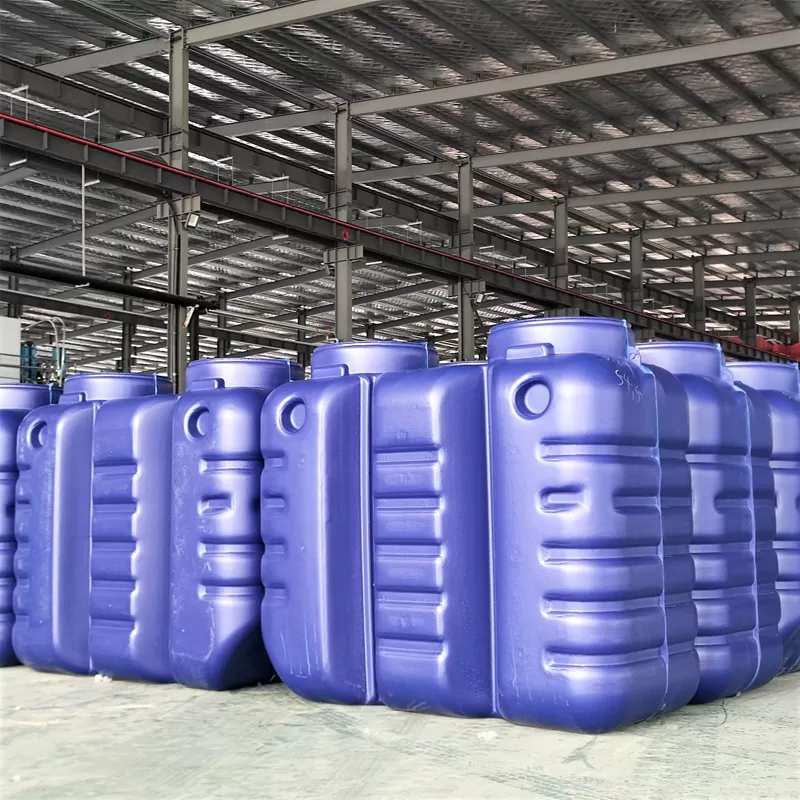
For facility managers, wastewater problems rarely appear on a dashboard — until there is an odor complaint, an overflow, or an emergency pump-out bill. Choosing the right sewage treatment tank design can reduce callouts, sludge handling frequency, and labor spent on reactive maintenance. This guide explains what "maintenance-free" realistically means, how to plan routine care, and how to interpret septic tank requirements when selecting a system for long-term, lower-cost operation.
No sewage treatment system is zero-maintenance. When suppliers or regulations refer to "maintenance-free" systems, they mean systems designed to minimize intervention frequency, reduce the risk of emergency callouts, and make the maintenance that is required predictable and simple rather than reactive and disruptive.
| What "Low Maintenance" Delivers | What It Does Not Deliver |
|---|---|
| Predictable pump-out schedule based on sludge accumulation rate | Elimination of all pump-outs |
| Reduced emergency callouts from clogs or backups | Zero possibility of malfunction |
| Simpler routine inspection that non-specialist staff can perform | Freedom from any monitoring |
| Lower labor cost per year from fewer reactive interventions | No cost at all |
Septic tank requirements vary by jurisdiction but generally define:
Minimum tank volume based on daily flow or occupancy
Construction material standards (structural integrity, watertightness)
Required access points (manholes) and their positioning
Inlet and outlet design to prevent short-circuiting
Venting requirements for gas safety
Setback distances from water sources, property boundaries, and structures
Effluent disposal or secondary treatment requirements
Understanding these requirements before purchasing prevents the costly scenario of specifying a tank that does not meet local approval — requiring replacement or expensive retrofit.
| Design Feature | Function | Maintenance Benefit |
|---|---|---|
| Multi-chamber separation | Separates primary settling from clarified liquid before outlet | Prevents solids carryover that clogs downstream systems |
| Inlet baffle or tee | Directs incoming flow below the scum layer | Prevents scum disruption and short-circuiting |
| Outlet tee or submerged filter | Withdraws clarified effluent from the middle zone | Prevents both scum and settled sludge from exiting |
| Sludge accumulation zone | Defined volume at the tank base for settled solids | Allows longer intervals between pump-outs with predictable behavior |
| Inspection ports on each chamber | Direct access without full manhole opening | Enables quick level checks and condition assessment |
| Venting provision | Relieves gas pressure; prevents odor in connected plumbing | Reduces complaints without requiring intervention |
| Watertight manhole covers | Prevents surface water ingress | Avoids hydraulic overload during heavy rain |
Even a well-designed tank underperforms if installation is incorrect:
Tank must be installed level — tilted tanks disrupt the inlet/outlet hydraulics and reduce effective separation volume
Correct inlet-to-outlet invert slope ensures gravity flow without siphon effects
Backfill material and compaction around the tank must be specified correctly for the soil conditions — improper backfill causes structural deformation over time
Groundwater level must be assessed — high groundwater creates buoyancy risk and can infiltrate damaged tanks, hydraulically overloading the system
A sewage treatment tank sized to the minimum specification on a good day fails when occupancy peaks, kitchen use increases, or the facility expands. Undersizing manifests as:
Reduced hydraulic retention time → poor solids separation → solids carryover downstream
Sludge accumulating faster than planned → more frequent pump-outs than budgeted
Odor from overloaded biological processes → complaints and compliance risk
Premature failure of secondary treatment or drainage components fed by the tank
| Input Factor | How to Use It | Sizing Implication |
|---|---|---|
| Average daily flow | Residents × per-capita flow + process discharge | Defines minimum hydraulic retention time (typically 24–48 hours) |
| Peak flow events | Morning shower peaks, meal service, shift handover | Tank must handle peak without short-circuiting |
| Wastewater strength | Kitchen/canteen discharge raises BOD and solids load | Higher strength requires more retention volume |
| Solids loading rate | Higher solids = faster sludge accumulation = shorter pump-out interval | A buffer above minimum sizing extends service intervals |
| Facility Type | Typical Daily Flow Range Per Person | Notes |
|---|---|---|
| Office building | 30–50 liters/person/day | Lower flow; lower solids |
| Dormitory or accommodation | 100–150 liters/person/day | Higher flow; routine domestic strength |
| School | 40–60 liters/student/day | Peak morning use; lower afternoon |
| Construction camp | 80–120 liters/person/day | Higher use; often remote service access |
| Small industrial with canteen | 100–200 liters/person/day + process water | Separate industrial process streams if possible |
Most sewage treatment tank emergencies are preventable with a simple inspection schedule that non-specialist facility staff can perform.
| Inspection Item | Frequency | What to Check | Action if Abnormal |
|---|---|---|---|
| Tank inlet flow | Monthly | Flow is entering freely; no backing up in inlet pipe | Check for blockage upstream; confirm inlet slope |
| Outlet flow | Monthly | Flow is leaving normally; no odor from outlet chamber | Check outlet tee condition; confirm downstream system |
| Sludge and scum levels | Every 3–6 months | Sludge depth in primary chamber; scum thickness | Schedule pump-out when sludge occupies 30–40% of tank volume |
| Vent condition | Monthly | Vent is open and unobstructed | Clear blockage; check for bird nesting |
| Manhole covers | Monthly | Covers are sealed and secure | Re-seal or replace damaged covers immediately |
| Surrounding area | Monthly | No wet ground above or around tank; no odor at ground level | Investigate for leak; check for high groundwater |
Calendar-based pump-out schedules (e.g., "every 12 months") often result in either over-frequent pump-outs that waste money or under-frequent service that allows sludge to reach the outlet. Level-based triggering — scheduling pump-out when sludge accumulation reaches a defined percentage of tank volume — reduces unnecessary pump-outs by 20–40% in many facilities.
| Prohibited Input | Why | Consequence |
|---|---|---|
| Non-biodegradable wipes and sanitary products | Block inlet and outlet; accumulate in tank | Emergency pump-out; potential outlet failure |
| Cooking grease and oils in large quantities | Accumulates as floating grease layer; disrupts separation | Accelerated pump-out frequency; downstream clogging |
| Harsh chemicals and disinfectants | Disrupt biological treatment in downstream systems | Poor secondary treatment; compliance failure |
| Large solids from kitchens | Contribute to rapid sludge accumulation | More frequent pump-outs; risk of downstream blockage |
| Data Item | Format | Why Required |
|---|---|---|
| Facility type and occupancy | People-count by use category | Defines daily flow and load estimate |
| Peak daily flow estimate | Liters per day | Sizes the tank for worst-case hydraulic loading |
| Installation site conditions | Available area, soil type, groundwater depth, topography | Determines structural specification and installation method |
| Local regulatory requirements | Reference the applicable code or standard | Ensures the specified tank meets approval requirements |
| Access and service constraints | Distance to road, crane access, burial depth | Affects tank material selection and delivery logistics |
| Desired pump-out interval | Months or years | Sizes sludge storage volume |
Tank material specification and structural reinforcement details — confirm the tank meets burial depth and traffic loading if applicable
Watertightness test standard and test method used in production
Installation manual with specific guidance for leveling, backfill, and pipe connections
Warranty terms — confirm whether warranty covers structural integrity and what exclusions apply
Maintenance log template for the facility operations team
Visual inspection of the installed tank before backfill is complete — confirm level installation and no installation damage
Pressure or water test before backfilling to confirm watertightness
Initial fill test: fill with water and confirm inlet and outlet flow behavior matches design
Establish the baseline sludge level record: this is the "day zero" reference for all future monitoring
Lowering wastewater operating costs is less about reacting faster and more about designing for stability from the start. The right sewage treatment tank — properly sized, correctly installed, and aligned with local septic tank requirements — converts emergency-driven maintenance into a predictable, planned schedule. The result is lower cost per year, fewer disruptions to facility operations, and reliable compliance.
Q1: Is a sewage treatment tank truly maintenance-free?
No tank requires zero maintenance. "Maintenance-free" in practical terms means a system designed to minimize the frequency and complexity of interventions — reducing emergency callouts, extending pump-out intervals, and making routine inspection simple enough for non-specialist staff. Periodic sludge removal, inlet/outlet checks, and vent inspection remain necessary.
Q2: What do septic tank requirements typically govern?
Requirements vary by jurisdiction but typically define minimum tank volume based on occupancy or daily flow, material and structural standards, required access points and venting, inlet and outlet design standards, setback distances from water sources and buildings, and how effluent must be handled after leaving the tank. Confirming local requirements before specification prevents costly non-compliance.
Q3: How do I know if my sewage treatment tank is undersized?
The most reliable indicators are more frequent pump-outs than planned, persistent odor from the system, evidence of solids carryover downstream (blocked outlets or filters), or backups in the inlet during peak use periods. Any of these conditions warrant a flow and load assessment to confirm whether the installed tank volume is adequate for actual use.
Q4: What causes most operational problems in sewage treatment tanks?
The four most common causes are: non-biodegradable solids (wipes, sanitary products) blocking inlet and outlet components; excessive grease or cooking oil entering the tank; periodic dumping of harsh chemicals that disrupt the system; and installation errors (incorrect level or slope) that cause short-circuiting and reduce effective separation performance.
Q5: What information should I provide to get an accurate quotation?
Facility type and number of occupants, estimated peak daily flow in liters, site conditions including available installation area, groundwater depth, and soil type, applicable local regulatory standard or code reference, required pump-out interval, and any access or logistics constraints that affect delivery and installation.