High-purity water projects often fail in the details between treatment stages. A reverse osmosis system may remove most dissolved salts, yet the final process can still demand lower conductivity and more consistent ionic control. In that gap between “good RO permeate” and “high-purity process water,” electrodeionization can be a practical polishing step.
Electrodeionization combines ion-exchange resin, ion-selective membranes, and a direct electric field. Instead of periodically regenerating resin with acid and caustic, the electrical process continuously moves ions out of the product stream and helps maintain the resin in an active state.
That does not mean EDI should be treated as a stand-alone purifier for raw water. Its performance depends heavily on stable pretreatment. An edi system for water purification is most reliable when the incoming water has already been conditioned and desalinated, typically by RO, so hardness, suspended material, oxidants, and excessive ionic load do not overwhelm the polishing stage.
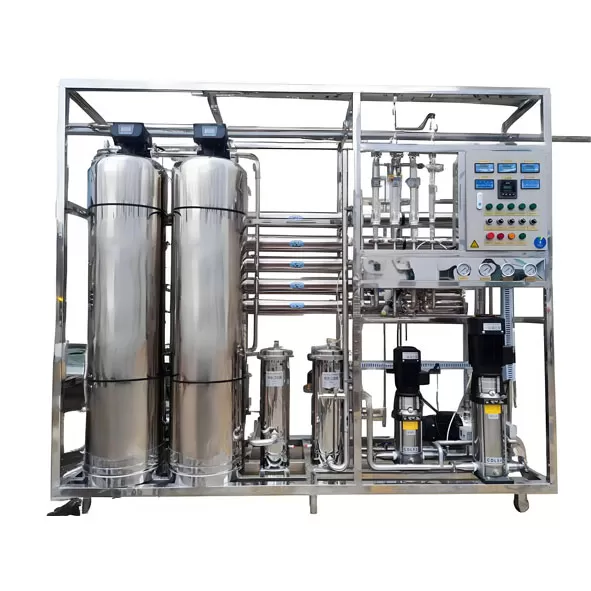
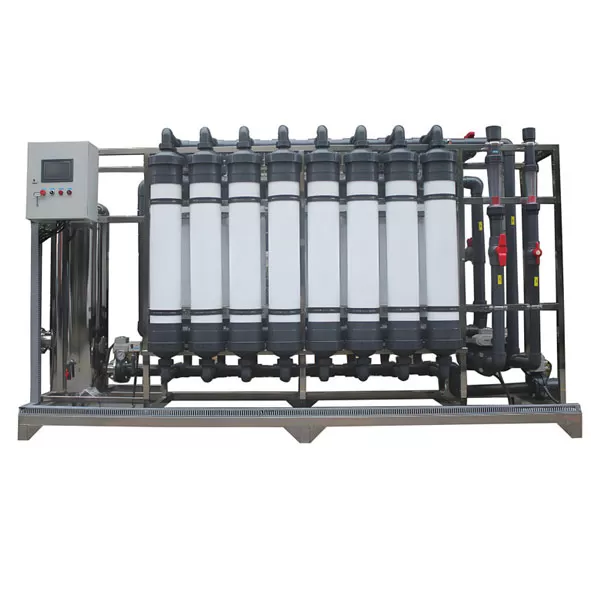
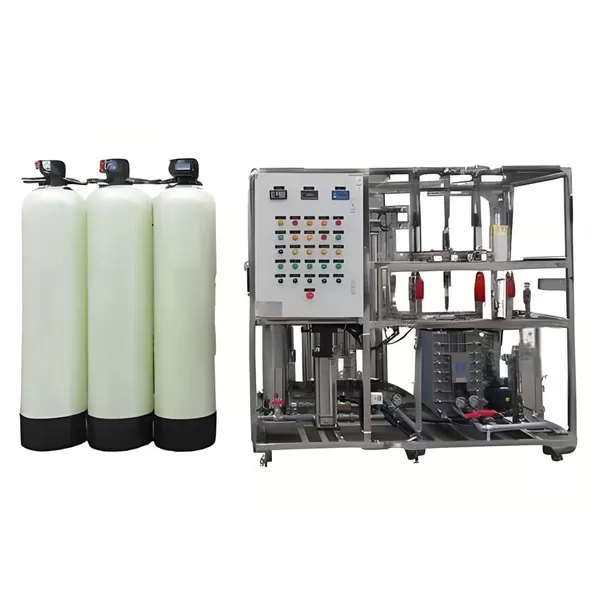
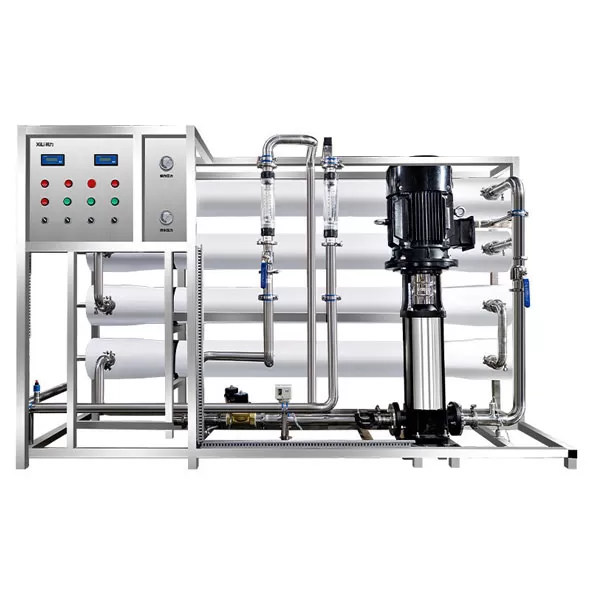
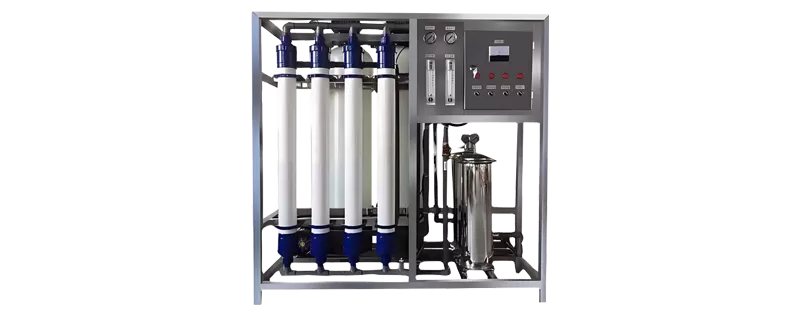
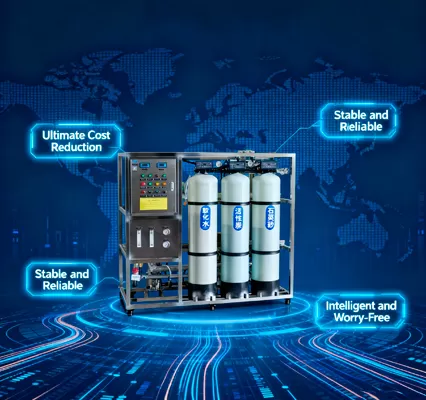
Huayu’s EDI product range includes several RO+EDI configurations and positions the technology for electronics, pharmaceutical, power, and other high-purity applications. Its product information describes continuous operation, reduced reliance on chemical regeneration, and high-resistivity water production as core system characteristics.
The first comparison point is feed-water specification. Ask what conductivity, hardness, silica, carbon dioxide, chlorine, and temperature limits apply at the EDI inlet. A supplier that only quotes final resistivity without discussing feed conditions is leaving out the part of the project that often determines long-term stability.
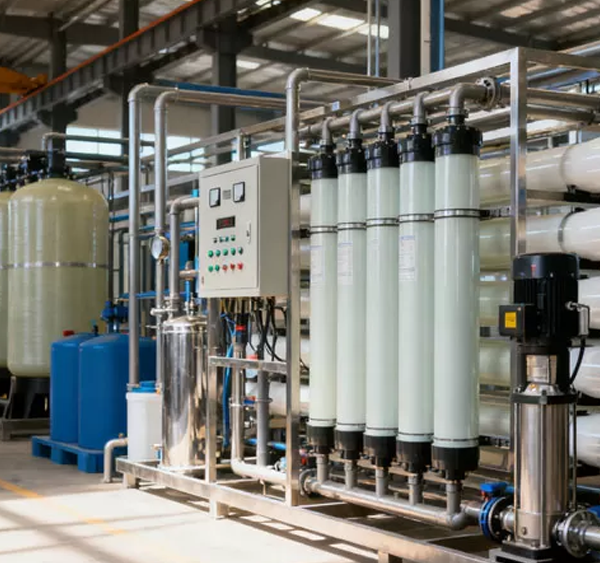
Procurement teams comparing edi water system manufacturers should also ask how the RO stage, degassing or carbon dioxide control, EDI modules, instrumentation, storage, and distribution loop are integrated. In pharmaceutical or electronics facilities, the quality of the distribution system can matter just as much as the polishing technology itself.
The next issue is operating continuity. Traditional regenerated ion exchange can involve chemical handling and regeneration cycles. EDI is attractive because it can operate continuously, but it still requires monitoring. Conductivity or resistivity, flow, pressure, current, voltage, temperature, and concentrate conditions should be trended so operators can see performance drift before product quality is affected.
EDI is a strong fit when a facility needs continuous deionized water and already has a well-controlled RO pretreatment train. It can be used for pharmaceutical purified-water generation, electronics rinsing, power applications, and other processes where low ionic contamination is important. High-purity pharmaceutical water systems also require careful attention to system design, operation, monitoring, and microbiological control rather than relying on a single treatment component.
When specifying an edi unit for water treatment, engineers should define the required product quality at the point of use rather than simply requesting the highest possible resistivity. Flow demand, sanitization strategy, redundancy, storage time, distribution-loop design, and local maintenance capability all affect the final system.
EDI is an electrically driven polishing process that uses ion-exchange resin and selective membranes to remove remaining ionic contaminants from pretreated water.
Usually no. EDI is commonly installed after RO because it performs best with relatively low-conductivity feed water.
The EDI process continuously regenerates its ion-exchange media electrically, so it does not use the periodic acid/caustic regeneration cycle associated with conventional mixed-bed ion exchange.
It can be part of a pharmaceutical purified-water train, but the complete system must be designed, operated, monitored, and validated for the required water quality and intended use.
Khan, Z. U., Moronshing, M., Shestakova, M., et al. (2023). Electro-deionization (EDI) technology for enhanced water treatment and desalination: A review. Desalination, 548, 116254.
U.S. Food and Drug Administration. (2016). High Purity Water System (7/93).
Hebei Huayu Environmental Engineering Co., Ltd. High-Purity EDI Water Purification System.