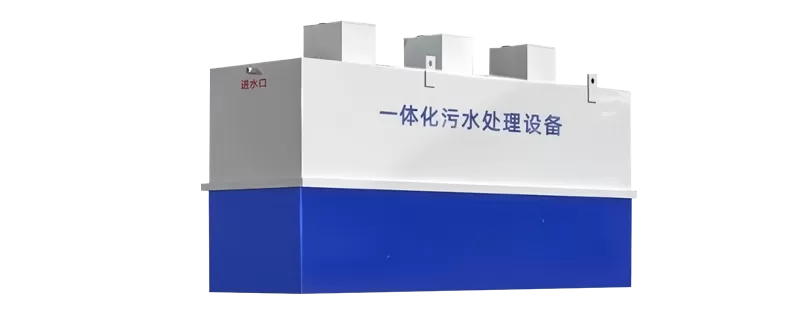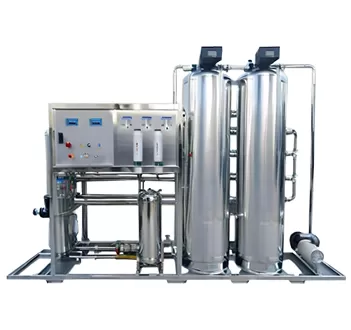
Wastewater generated from restaurants, food processing plants, hotels, and commercial kitchens often contains a high concentration of fats, oils, and grease (FOG). If these substances enter the drainage system or wastewater treatment process without proper separation, they can create blockages, increase maintenance requirements, and reduce the efficiency of downstream treatment equipment.
A properly designed grease separation system provides an effective pretreatment solution by capturing oil, grease, and suspended solids before wastewater moves into the next treatment stage.
Fats, oils, and grease behave differently from many other wastewater pollutants. Because most grease materials are lighter than water, they tend to float and accumulate on the surface instead of settling naturally.
When excessive grease enters sewage pipelines or biological treatment systems, it may cause several operational problems, including pipe blockage, unpleasant odors, increased sludge production, and unstable treatment performance.
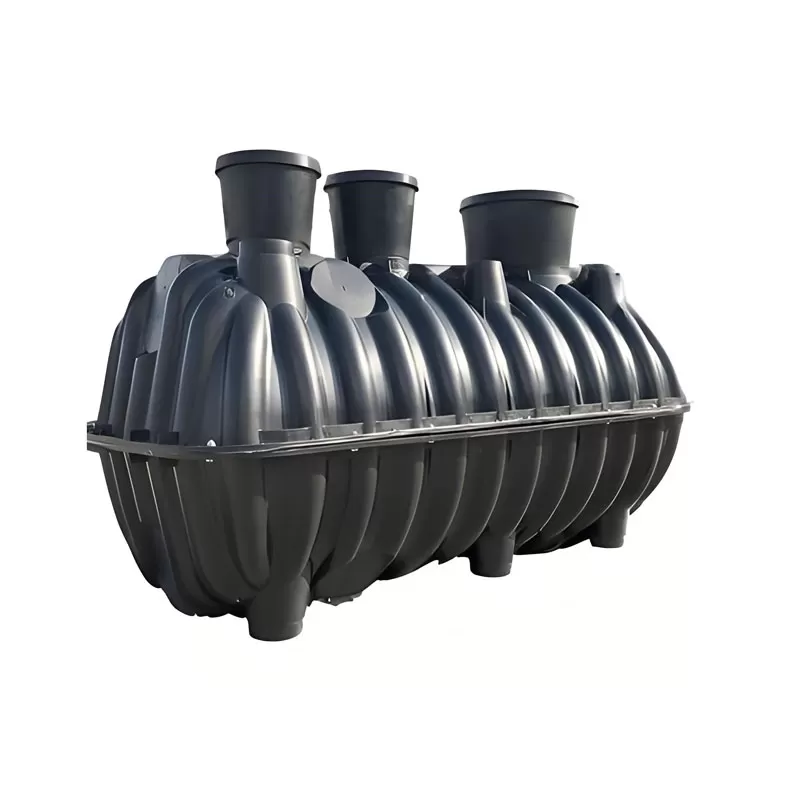
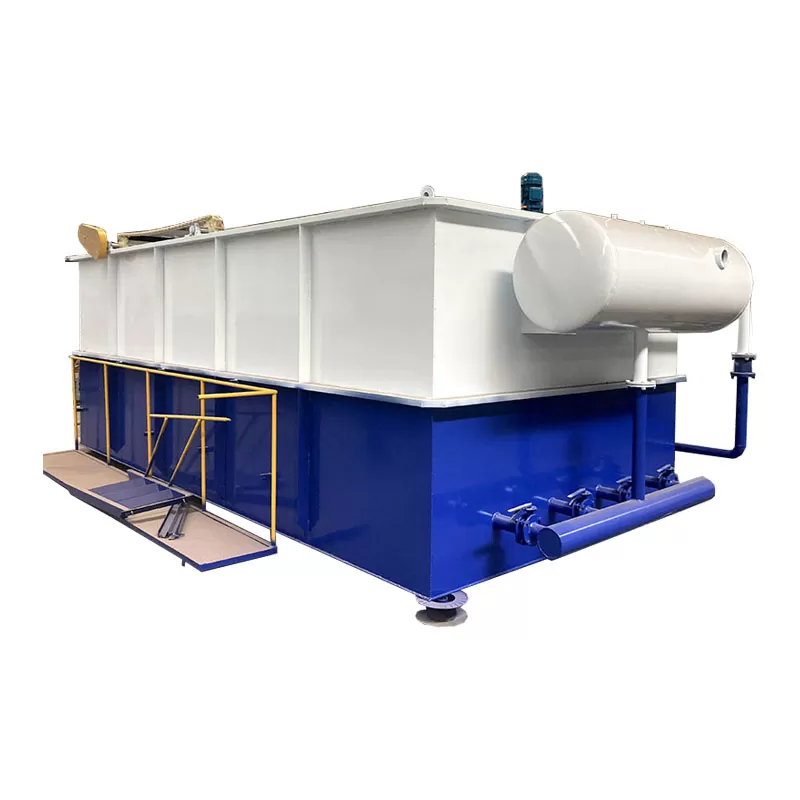
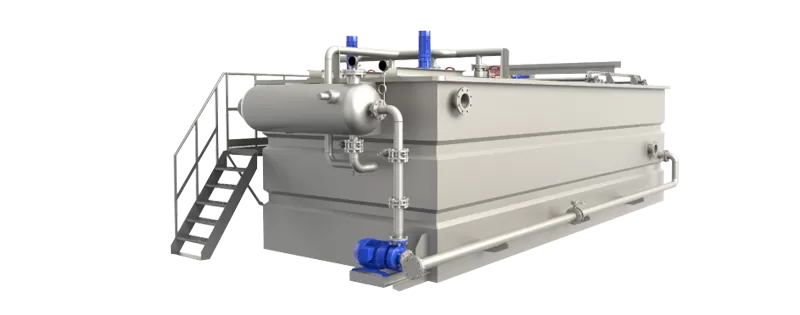
A grease trap works through gravity separation. Wastewater enters the tank at a controlled flow rate, allowing heavier solids to settle while oil and grease rise to the surface. The separated water then continues into the following treatment process with a reduced organic and grease load.
For facilities with large amounts of kitchen wastewater, selecting the correct separation equipment is an important part of overall wastewater management.
Restaurants, hotels, cafeterias, food factories, and catering facilities generate wastewater with significant amounts of cooking oil, animal fats, and food residues.
A properly sized commercial grease trap can help protect drainage infrastructure and improve the reliability of downstream wastewater treatment systems. Instead of allowing grease to accumulate inside pipes or interfere with biological treatment, the equipment provides an early separation stage.
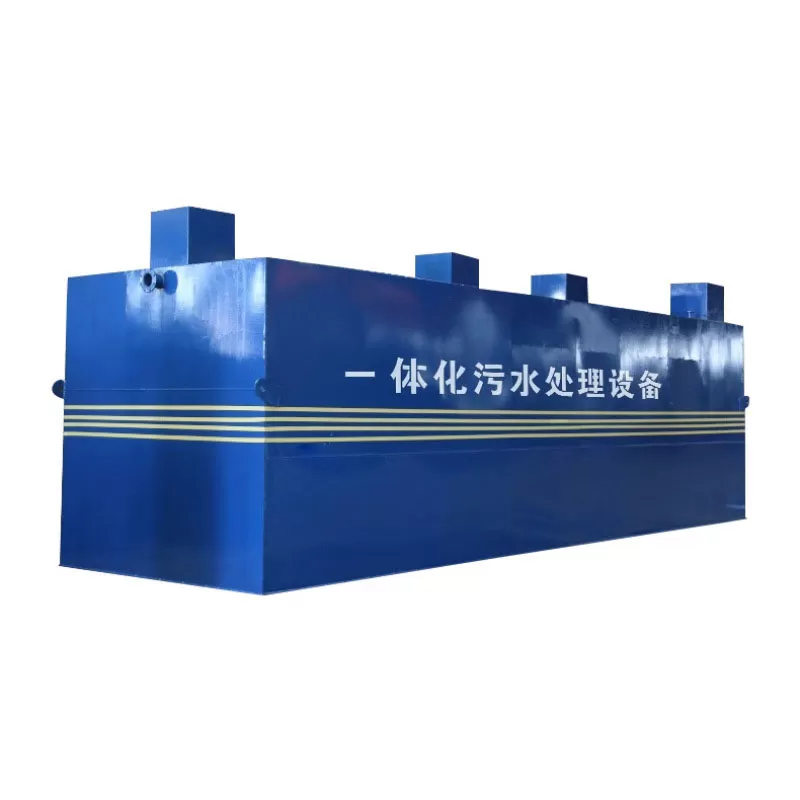
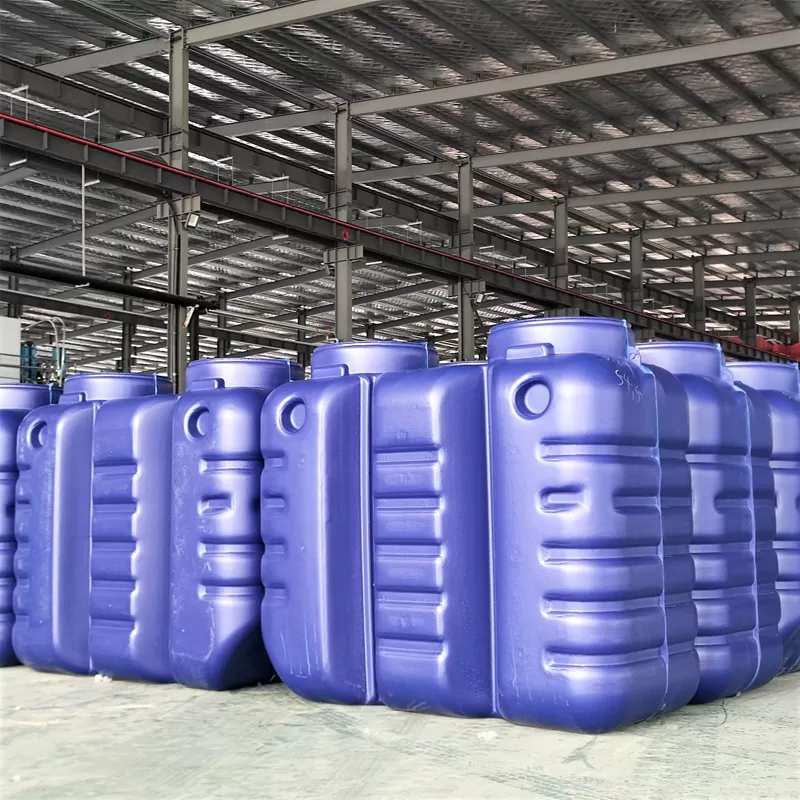
Huayu’s grease trap solutions are designed for wastewater pretreatment applications where oil and grease separation is required before further treatment. The equipment helps reduce pollutant loading and improves the stability of subsequent treatment processes.
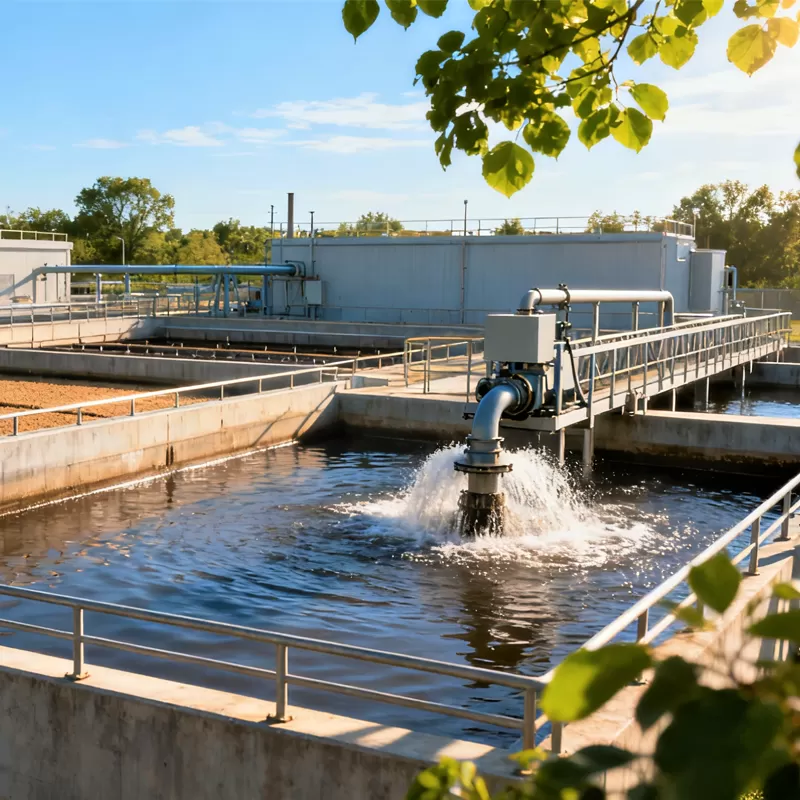
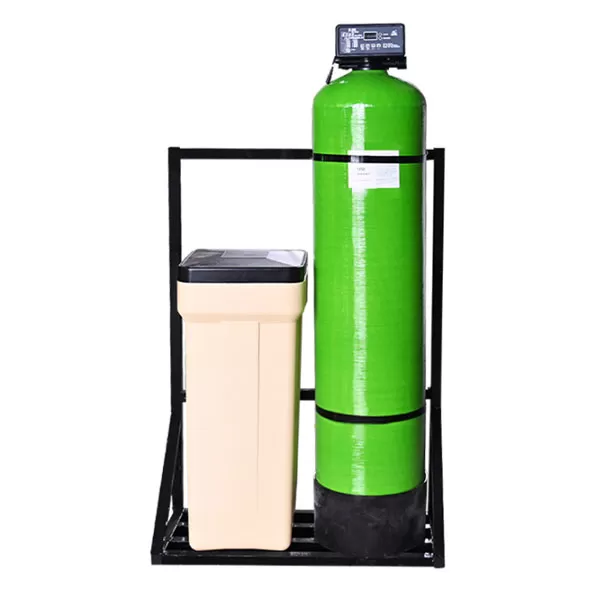
For larger wastewater projects, a grease trap can also work together with other treatment equipment, such as sedimentation units, biological treatment systems, and filtration systems.
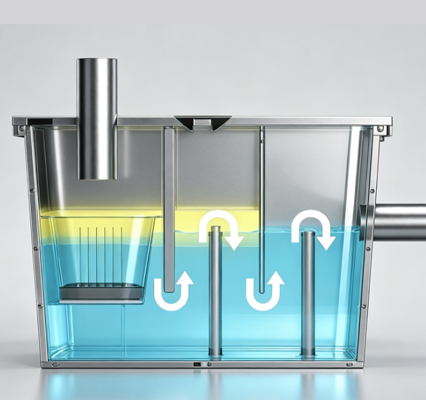
Different wastewater sources require different pretreatment strategies. A small restaurant kitchen may require a compact separation unit, while a food processing factory may need a larger system integrated into a complete wastewater treatment line.
When selecting a grease interceptor, engineers should consider several factors:
Daily wastewater flow rate
Oil and grease concentration
Wastewater temperature
Available installation space
Cleaning and maintenance requirements
Connection with downstream treatment equipment
The purpose of a grease separator is not to replace the entire wastewater treatment system. Instead, it reduces a specific pollutant group before wastewater enters the main treatment process.
This approach can improve treatment stability and reduce unnecessary operating costs.
Many buyers focus only on tank capacity or purchase price. However, long-term performance depends on whether the equipment matches the actual wastewater conditions.
Important questions include:
Is the grease trap suitable for commercial or industrial wastewater?
How frequently will grease and sludge need to be removed?
Can the equipment be integrated with existing wastewater treatment systems?
Does the supplier provide customized solutions according to flow and pollutant conditions?
Working with an experienced wastewater equipment supplier helps ensure that the grease separation stage is correctly designed as part of the complete treatment process.
For companies searching for a reliable wastewater treatment equipment manufacturer, evaluating engineering capability, customization options, and after-sales support is as important as comparing product specifications.
A grease trap separates fats, oils, grease, and some suspended solids from wastewater before the water enters drainage systems or further treatment processes.
Many commercial kitchens use grease traps because food preparation activities generate significant amounts of fats and oils that can affect drainage systems and wastewater treatment performance.
Both systems separate grease from wastewater. The main difference is usually related to capacity, installation method, and application scale. Larger facilities often require interceptor-style systems with higher treatment capacity.
Cleaning frequency depends on wastewater volume, grease loading, tank size, and operating conditions. Regular inspection helps maintain separation efficiency.
Yes. A grease trap is commonly used as a pretreatment unit before biological treatment, filtration, or other wastewater treatment processes.
Metcalf & Eddy. (2014). Wastewater Engineering: Treatment and Resource Recovery. McGraw-Hill Education.
U.S. Environmental Protection Agency. (2024). Preventing Fats, Oils, and Grease Problems in Wastewater Systems. United States Environmental Protection Agency.
Water Environment Federation. (2018). Operation of Water Resource Recovery Facilities. Water Environment Federation.