Email Us
han@huayuwtr.com

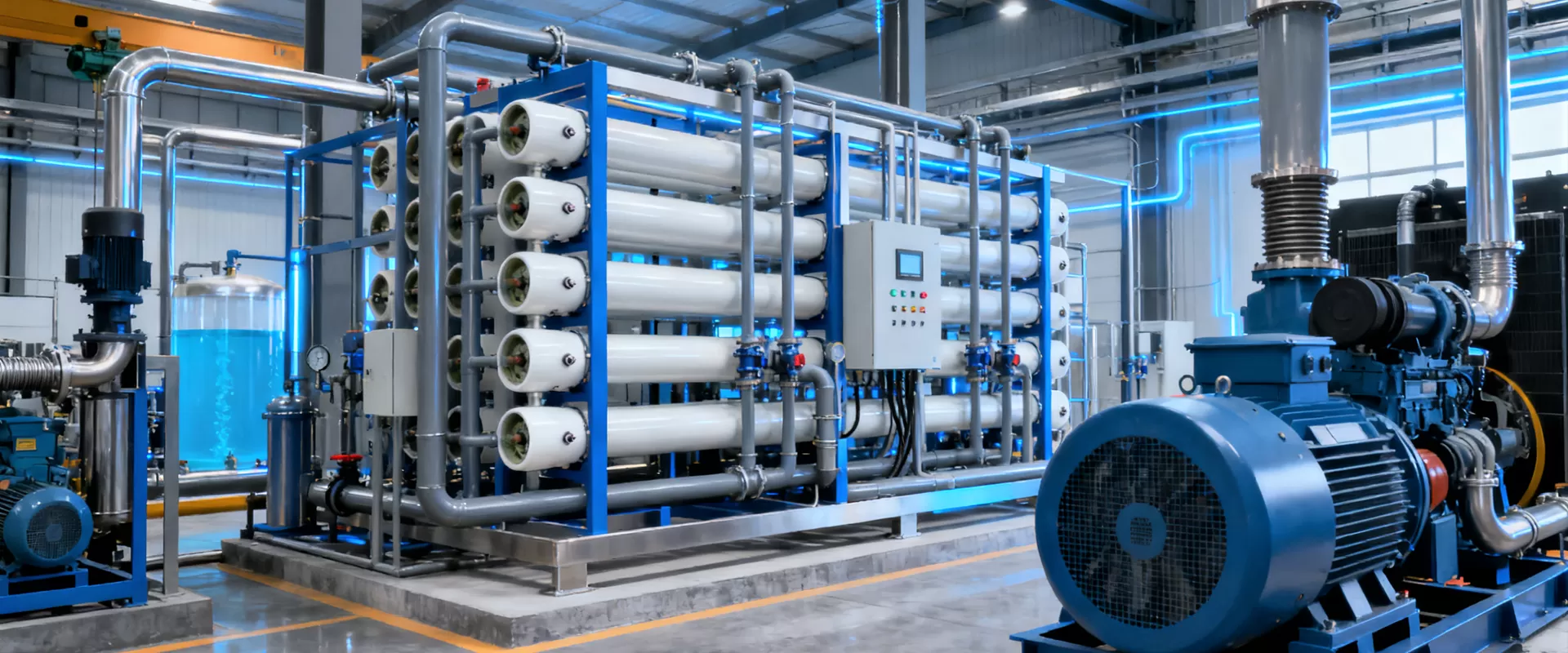
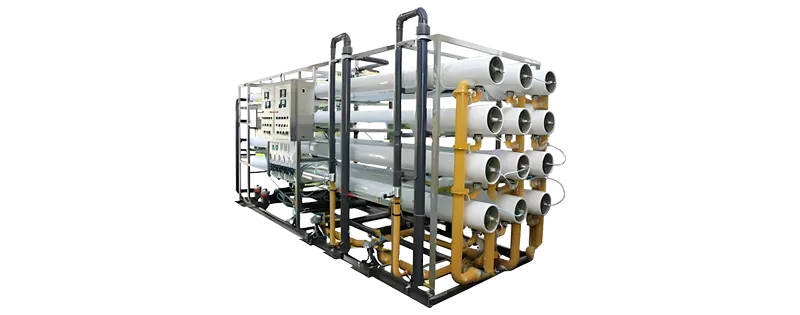
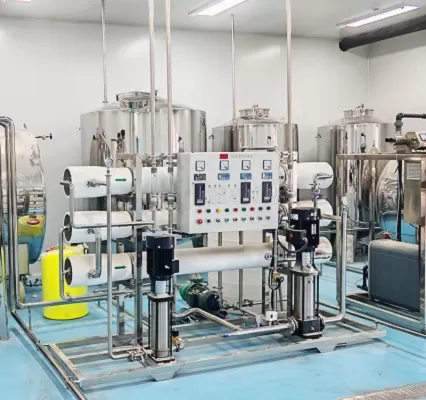
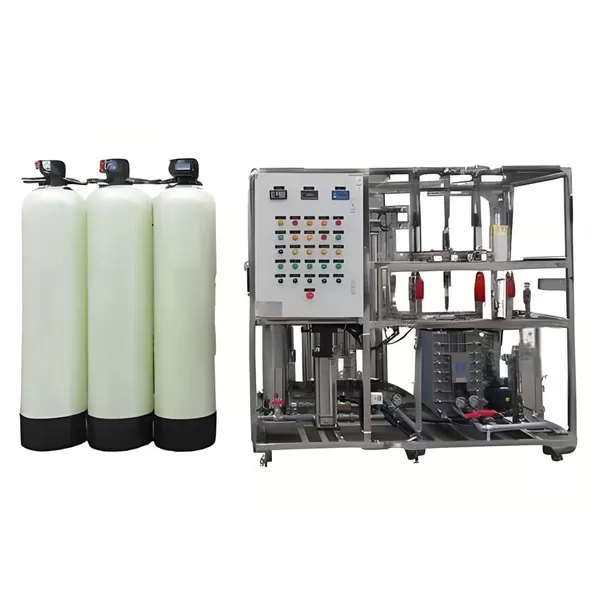
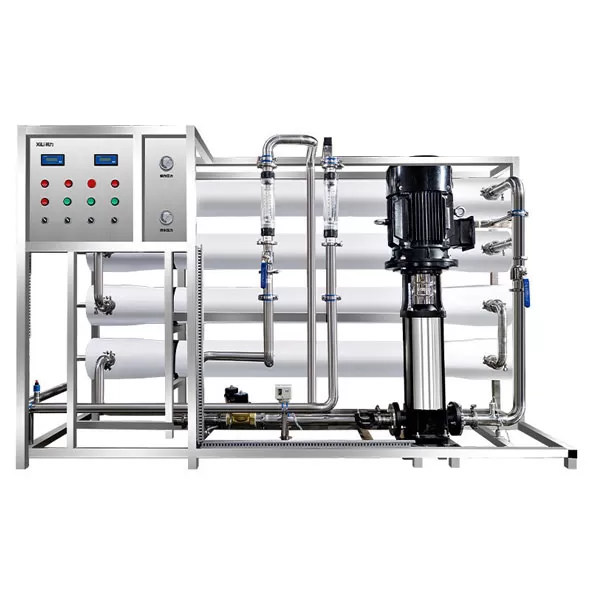
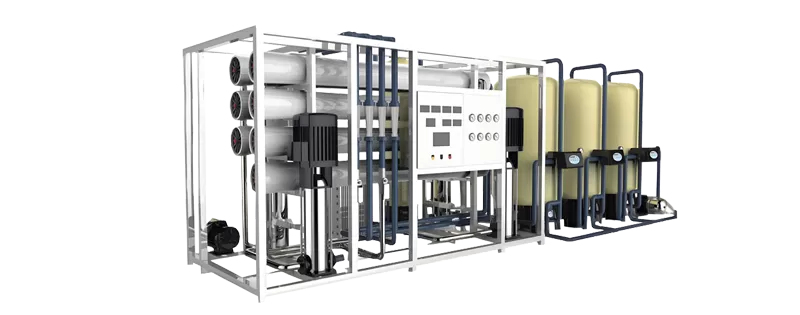
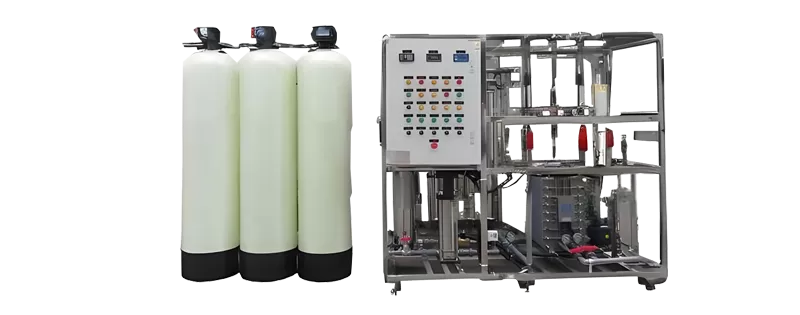
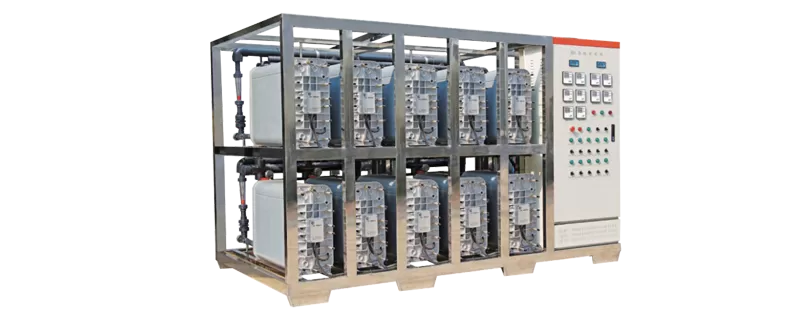
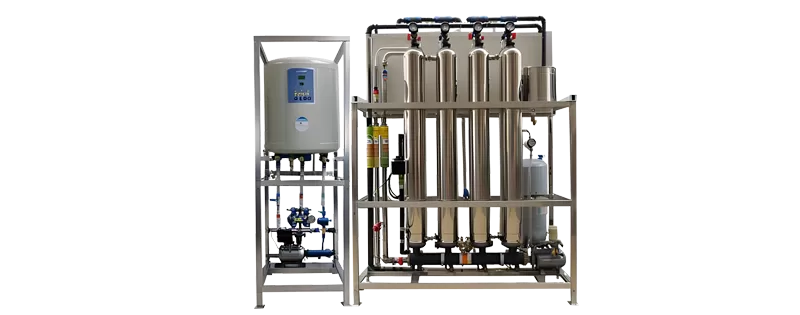
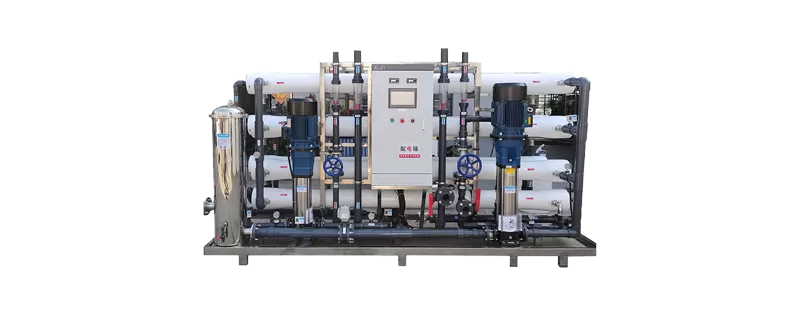
The EDI (Electrodeionization) Water Purification System is an advanced, chemical-free solution for high-purity water production. It integrates ion exchange resin with electrodialysis, removing ions and impurities efficiently without acid/alkali regeneration.
Ideal for industries like electronics, pharmaceuticals, and power generation, it ensures stable water quality (up to 18 MΩ·cm) with low energy consumption and minimal maintenance. Compact in design, it supports continuous, automated operation, meeting strict industrial purity standards while reducing environmental impact.
High-Purity Output
EDI systems produce deionized water continuously via electrochemical processes, delivering consistent high purity (often >15 MΩ·cm) without interruptions, ideal for applications needing steady ultra-pure water.
Chemical-Free & Eco-Friendly
Unlike traditional ion exchange, EDI uses electricity instead of regenerating chemicals, cutting waste and operational costs while supporting sustainable practices.
Low Maintenance & Reliable
With no resin replacement or chemical cycles, it has minimal upkeep needs. Built-in monitoring ensures real-time performance tracking, reducing downtime.
Scalable & Versatile
Adaptable to varying flow rates (lab to industrial scale), it serves industries like electronics, pharmaceuticals, and power generation requiring continuous ultra-pure water.
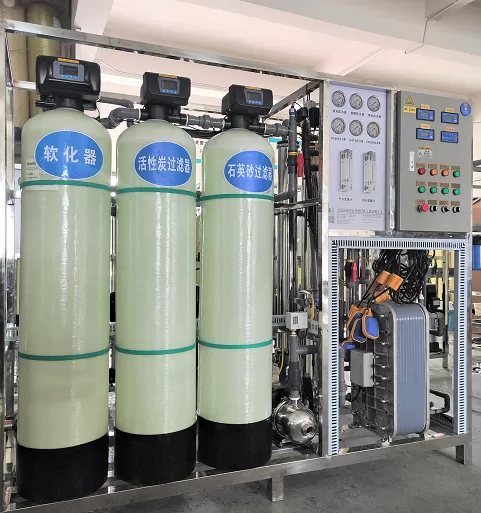
Project: Export of a Custom EDI Water Purification System to a German Automotive Manufacturer
Client & Challenge: We provided a solution for a leading German automotive manufacturer seeking to reduce freshwater consumption and wastewater discharge from their high-precision paint shop.
Our Solution: Our company exported and commissioned a customized Electrodeionization (EDI) system, which was seamlessly integrated into their existing wastewater treatment loop.
Technical Role: The EDI unit effectively polished the pre-treated wastewater, consistently producing high-purity water with a resistivity of 15 MΩ·cm, suitable for the final rinse stage.
Key Outcome: This closed-loop system, enabled by our technology, achieved a remarkable water recovery rate of over 70%, drastically cutting the client's operational costs and environmental footprint.
Client Benefit: The ultra-pure water ensured a spot-free, superior paint finish on their vehicles, directly enhancing their end-product quality and supporting their sustainable manufacturing goals.
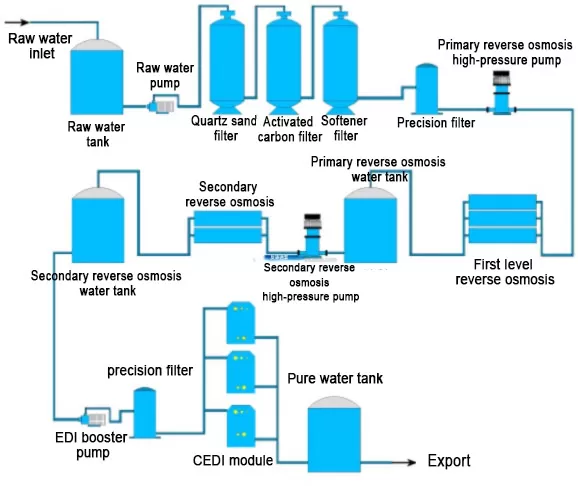
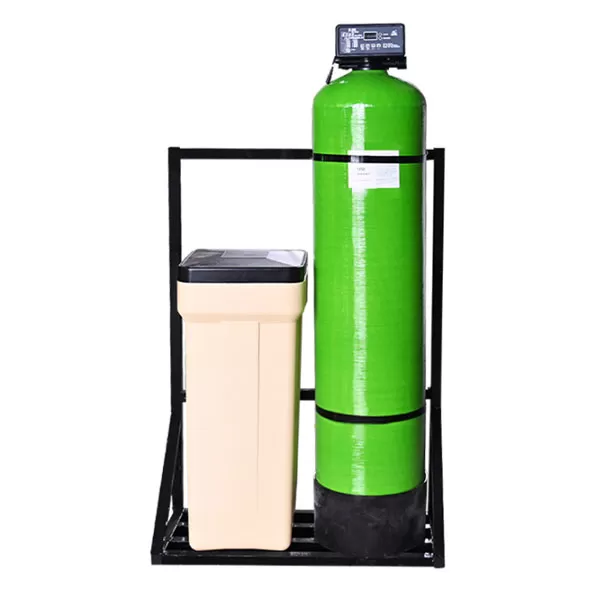
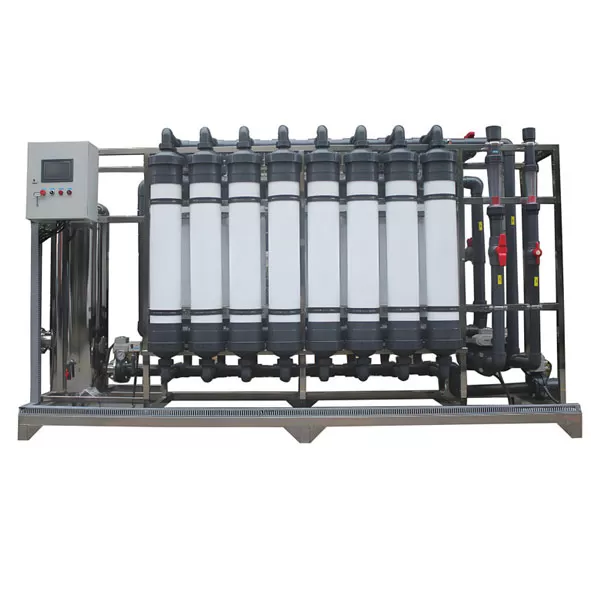
Pretreatment: Raw water first undergoes multi-stage filtration (sediment filters, activated carbon) to eliminate particles, chlorine, and organic matter, preventing EDI membrane/electrode fouling. Softeners may be added to reduce hardness if needed.
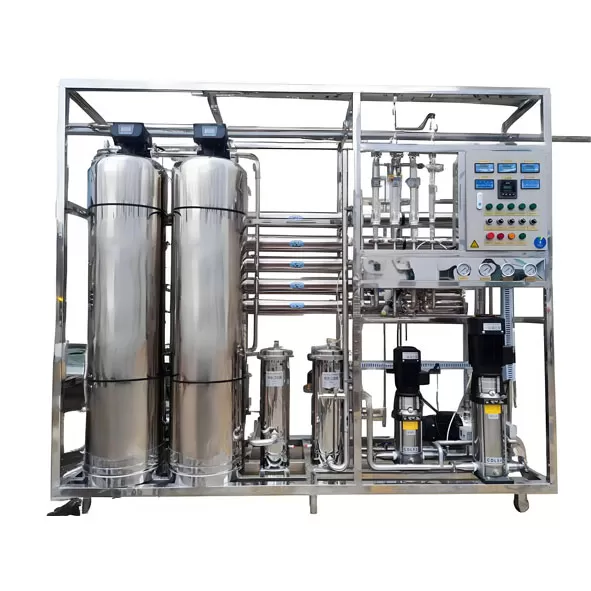
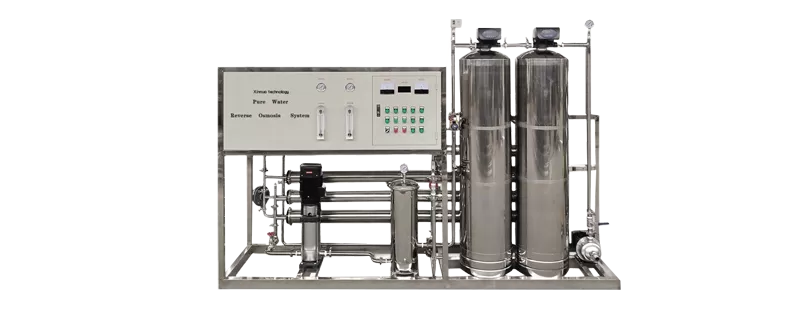
Reverse Osmosis (RO): Pretreated water enters the RO system, where high pressure forces it through semipermeable membranes, removing 95-99% of dissolved solids (salts, heavy metals), lowering TDS to <50 ppm—critical for EDI efficiency.
EDI Processing: RO permeate flows into EDI modules. An electric field drives remaining ions through ion-exchange membranes; water splits into H⁺ and OH⁻ via electrolysis, continuously regenerating ion-exchange resins without chemical regeneration. This achieves ultrapure water (conductivity <0.1 μS/cm).
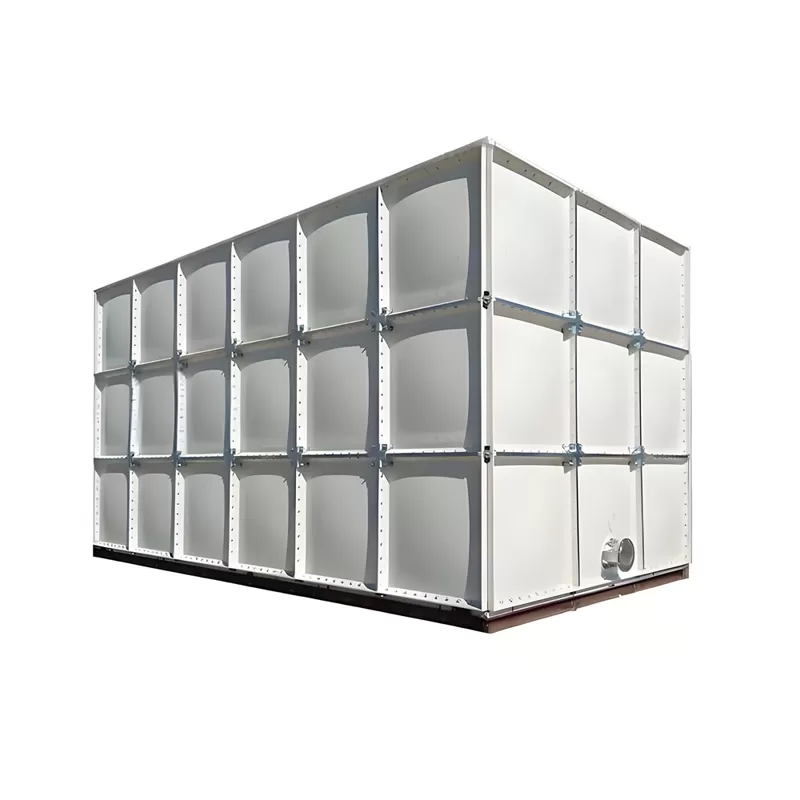
Storage & Distribution: Ultrapure water is stored in sanitized tanks, then distributed via loop systems with UV disinfection to maintain purity until use.