Sewage Purification Tank
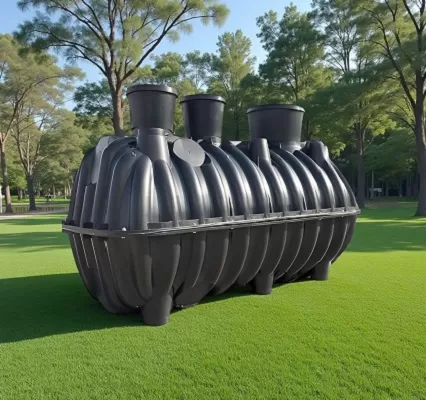
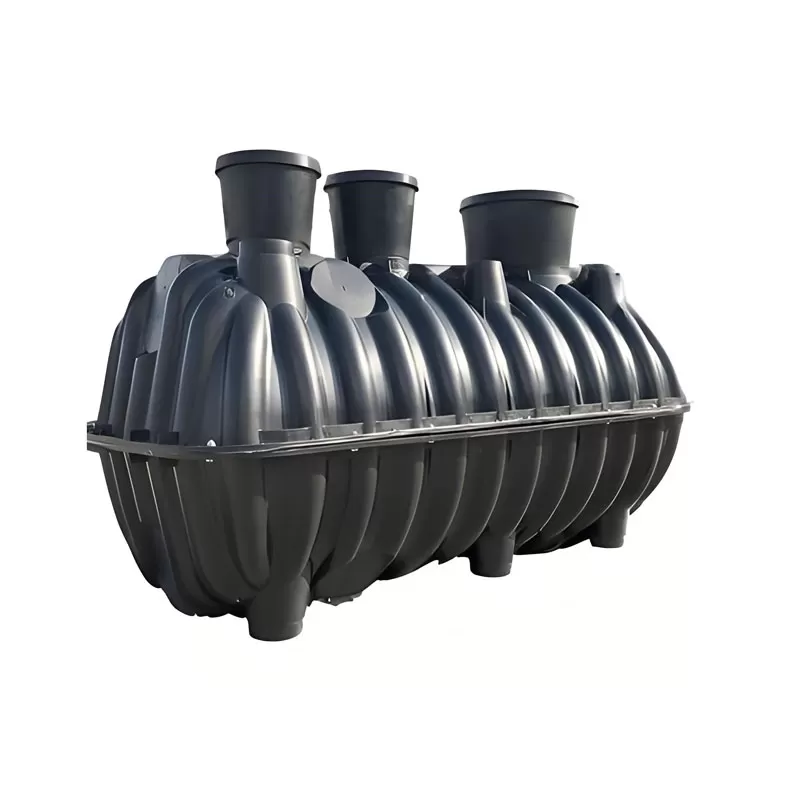
- Portable HDPE Septic Tank with Built-in Wastewater Treatment System(for Small Applications)
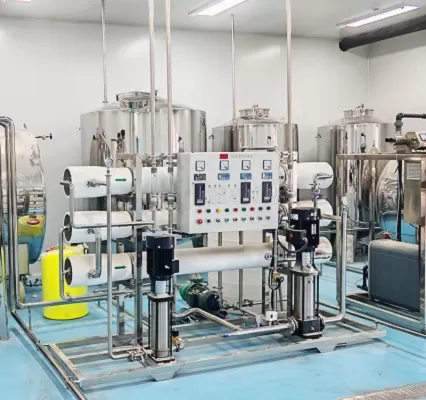
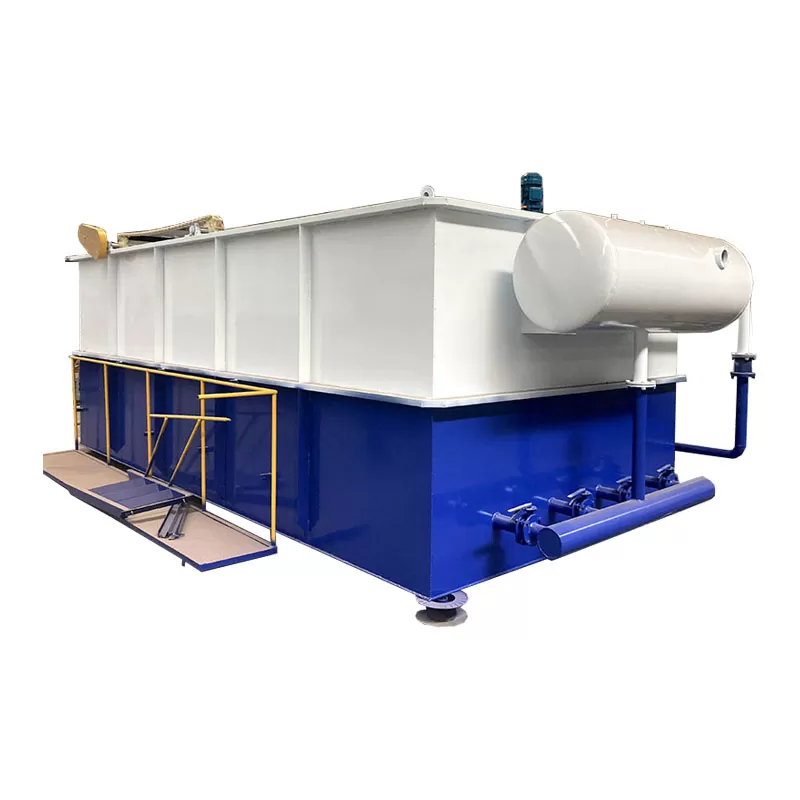
- HDPE STP MBR Sewage Treatment Plant
- Domestic Biogas Digester Septic Tank
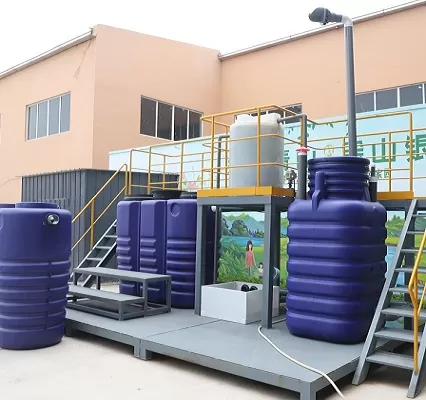
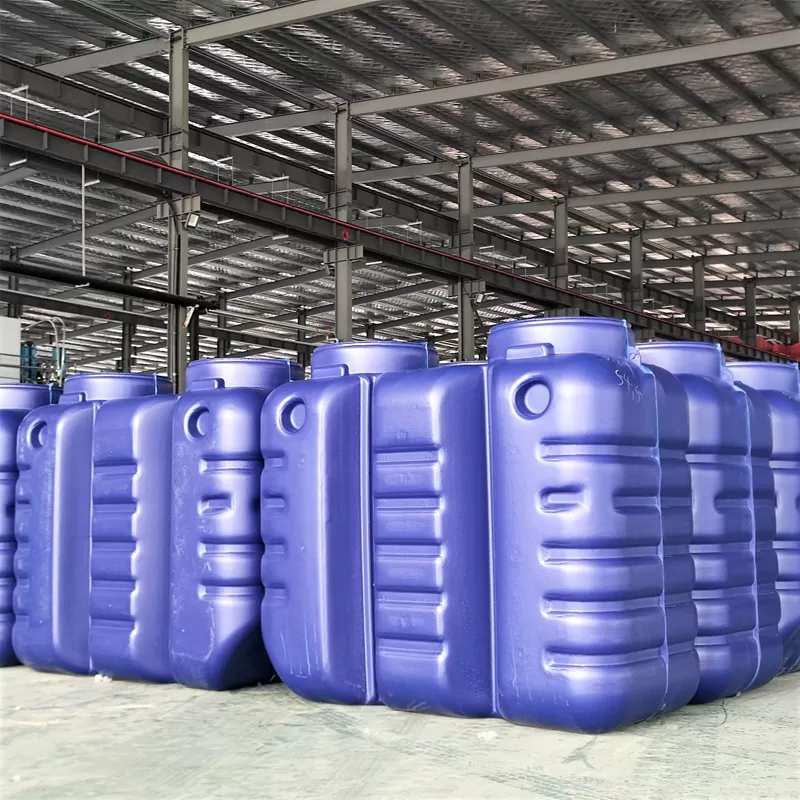
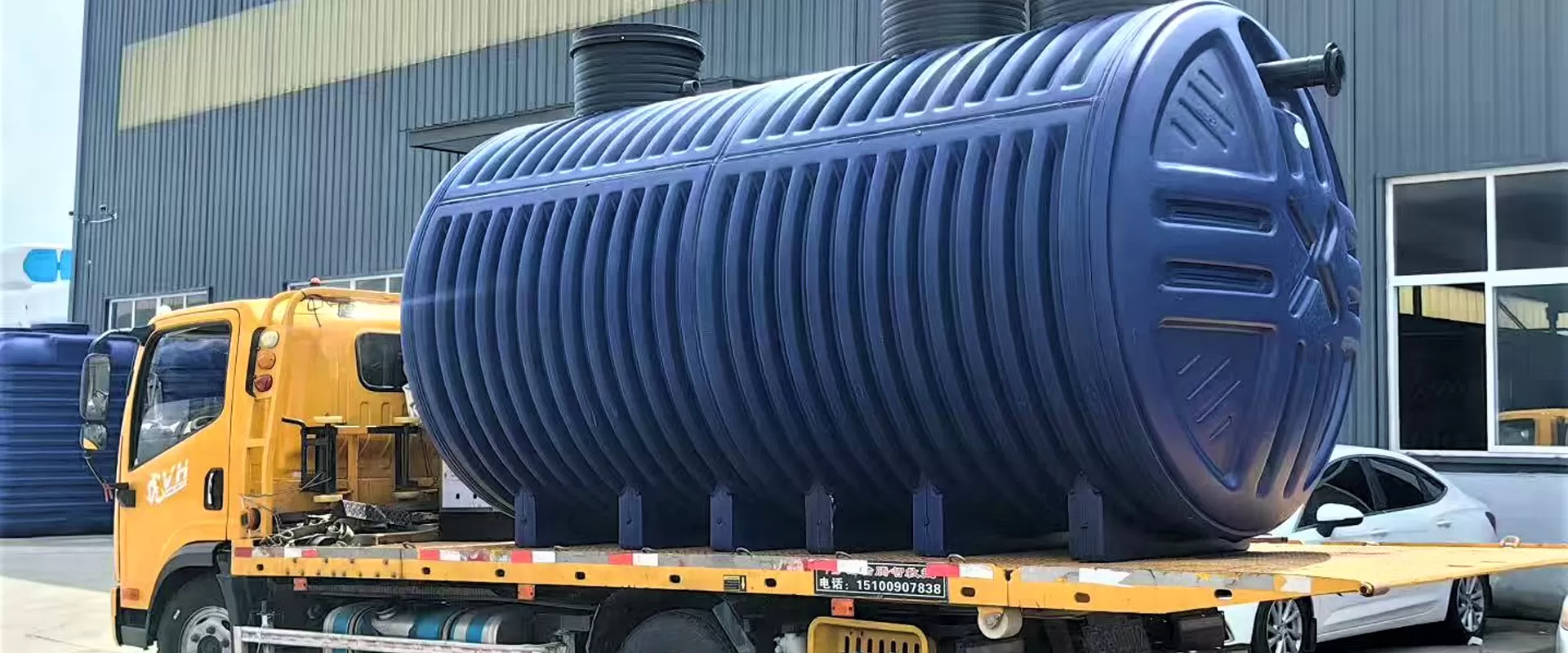
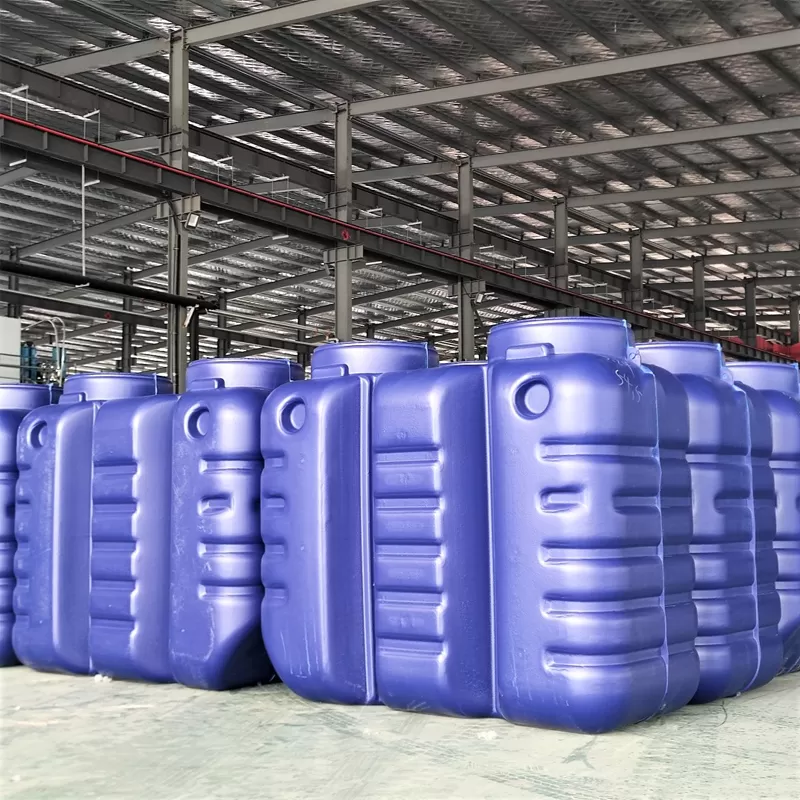
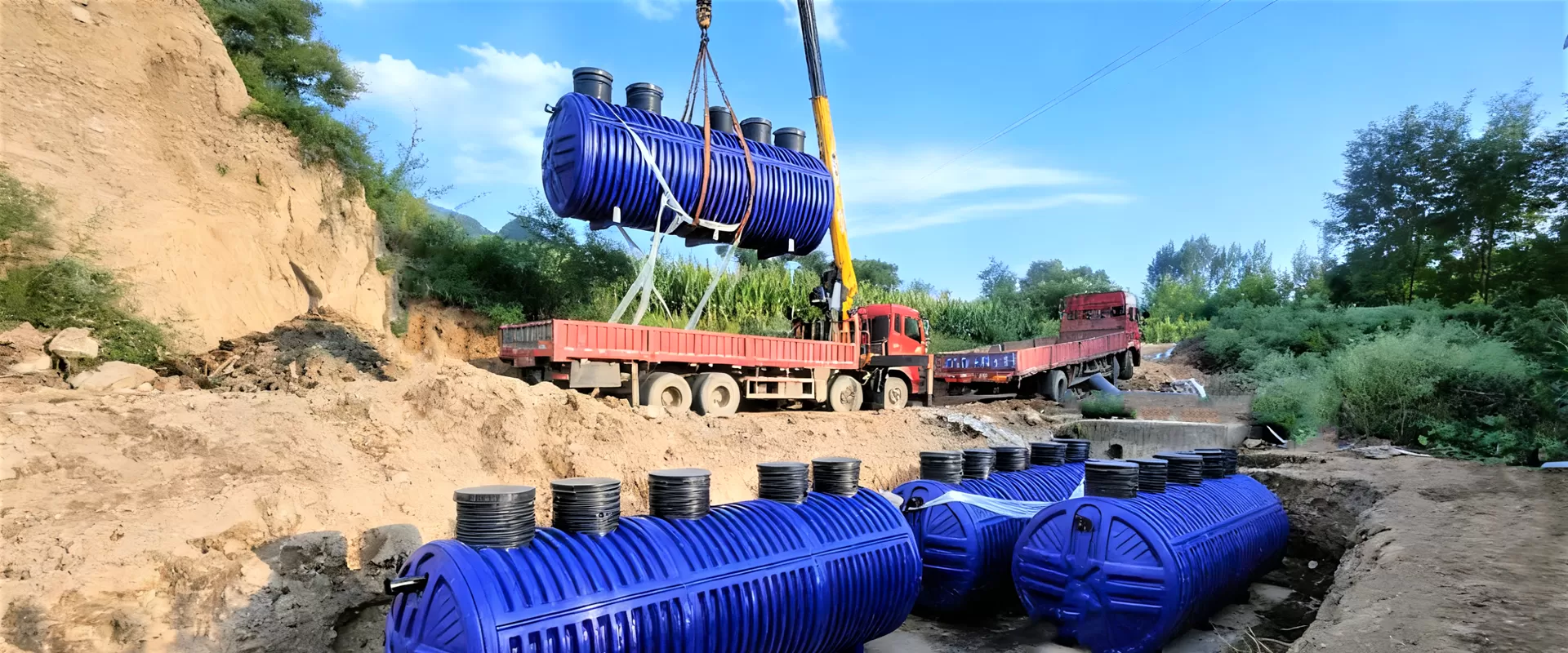
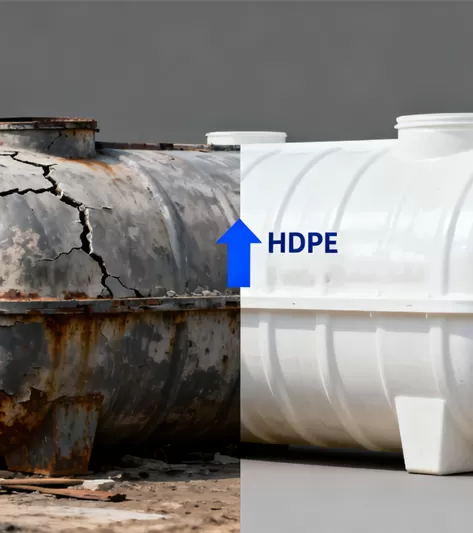
HDPE sewage treatment systems have excellent durability and corrosion resistance, making them an ideal choice for harsh wastewater environments. They are made of high-density polyethylene, which can resist chemical erosion from harsh sewage components such as acid and alkali, and avoid common rusting or degradation in metal or concrete systems. In addition, HDPE's excellent impact resistance and flexibility can prevent cracking under stress or ground movement. Its sturdy structure can withstand soil pressure, temperature fluctuations, and physical impacts, ensuring a service life of over 50 years and minimal maintenance workload.
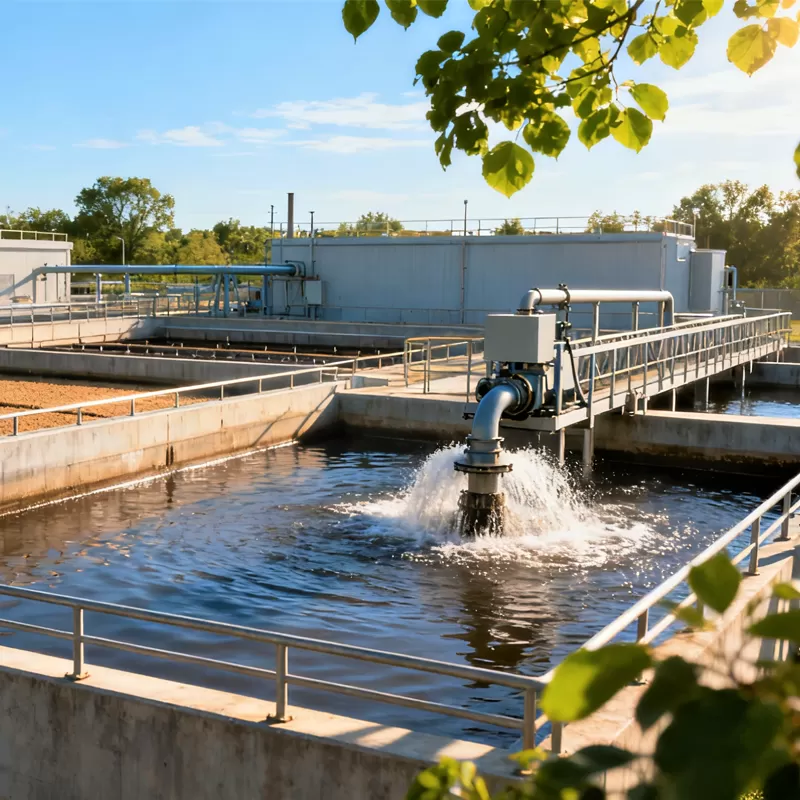
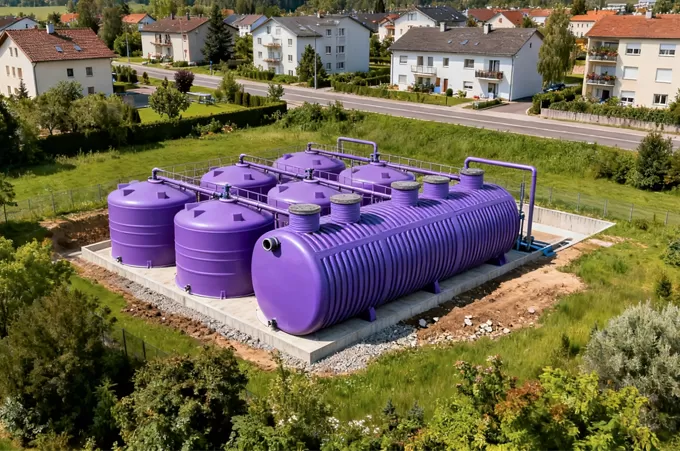
Practical Case: HDPE Sewage Treatment System in a Suburban Community
A 5,000-resident suburban area in Europe adopted a HDPE modular sewage treatment system. The equipment, with corrosion-resistant HDPE tanks, handled 300m³/d of wastewater, removing 92% COD and 88% ammonia nitrogen. It took only 4 weeks to install (half the time of concrete systems) and cut annual maintenance costs by 35%, meeting EU municipal wastewater discharge standards.
Traditional septic tanks are prone to leakage, have a short lifespan, and require complex maintenance in complex environments. HDPE septic tanks are made of high-density polyethylene, which is impermeable, corrosion-resistant, easy to install, and has a lifespan of over 50 years. For the vacation home project in extremely cold regions of Sweden, a 14mm thick HDPE purification tank is selected, which can withstand pressure and frost resistance at -30 ℃ without the need for dedicated maintenance. It can withstand up to 6 months of downtime and continuously and stably treat sewage, perfectly meeting the engineer's requirements for durability and efficiency.