Email Us
han@huayuwtr.com

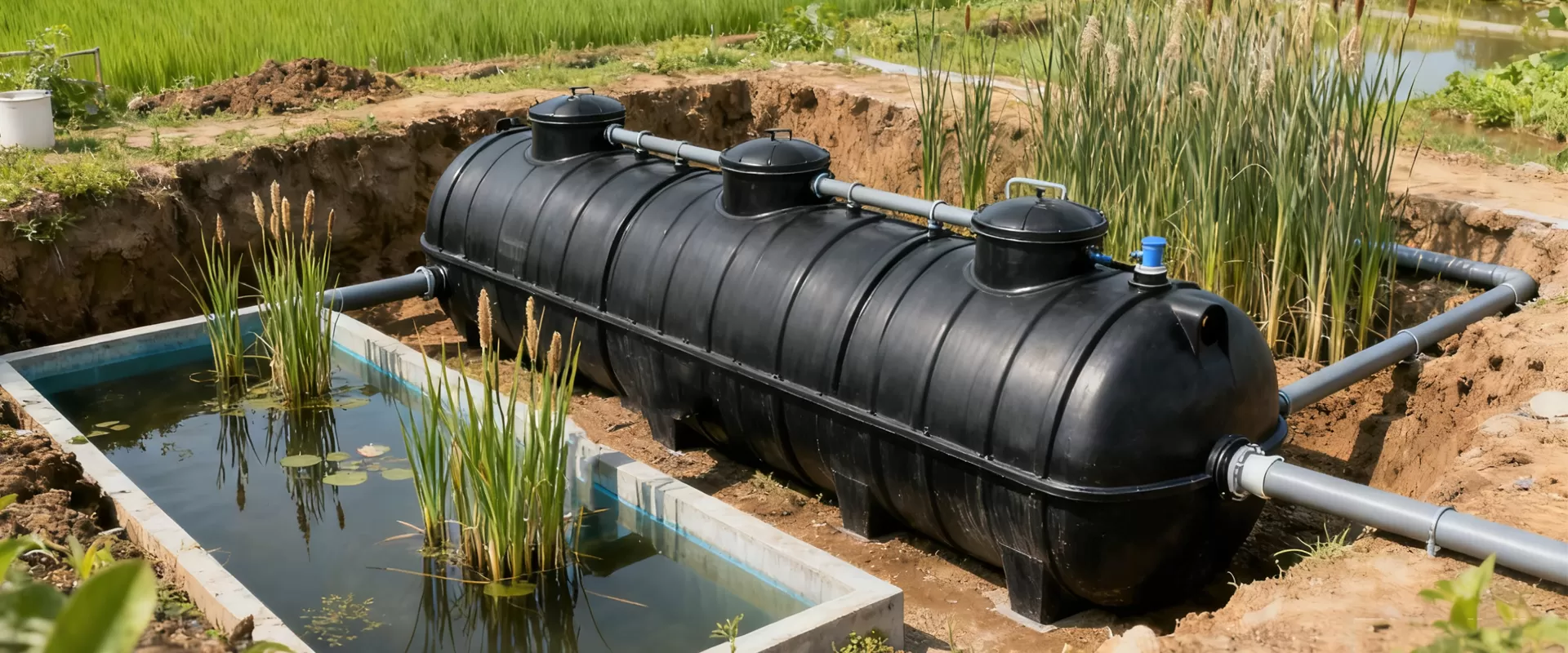
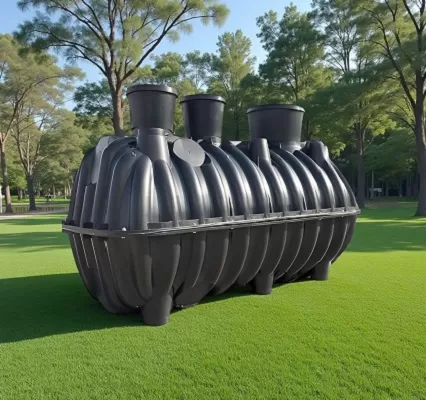
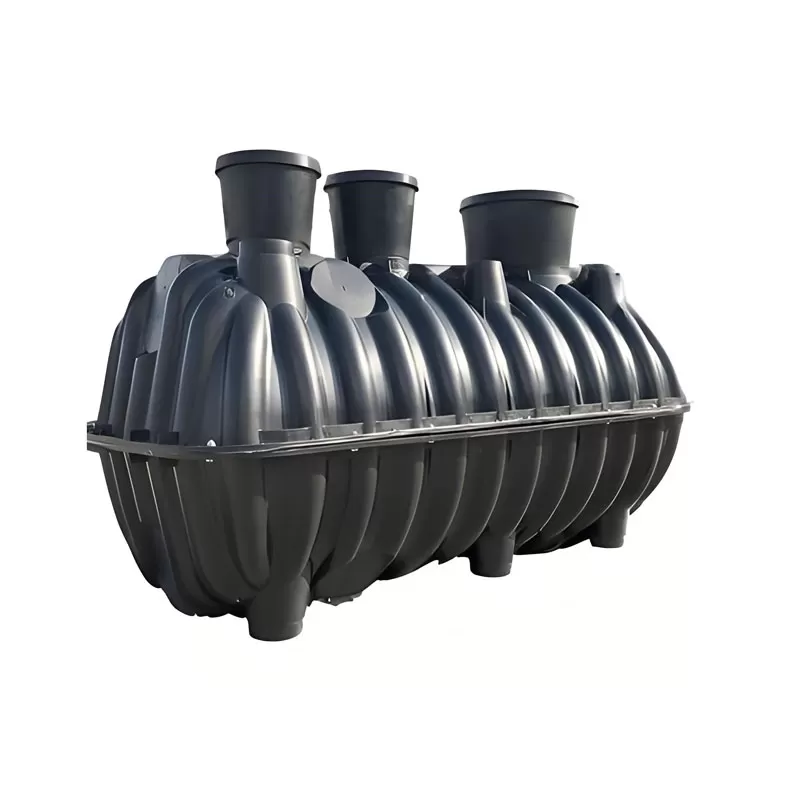
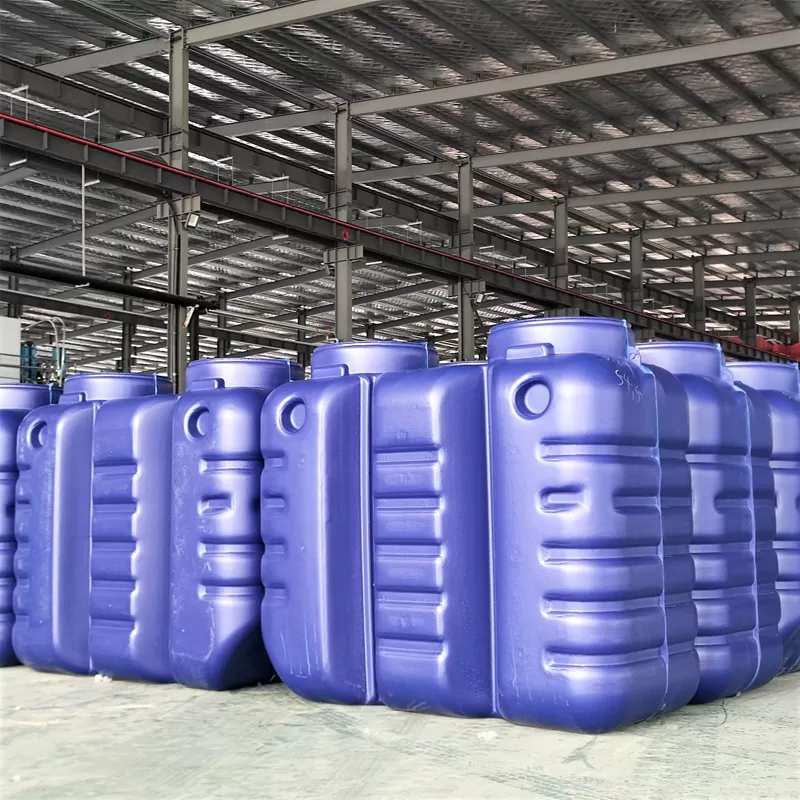
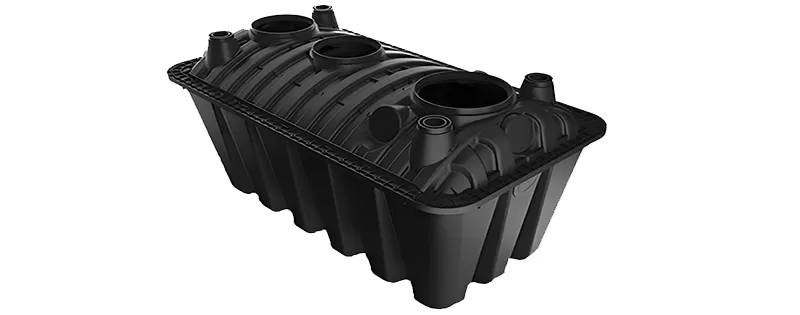
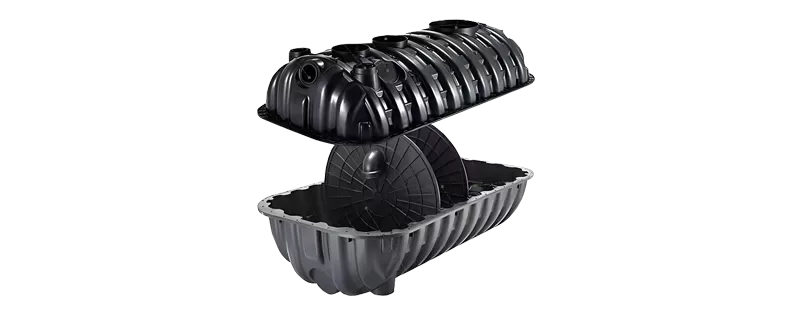
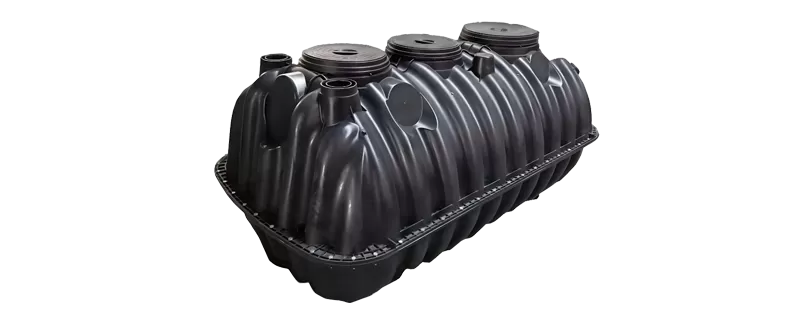
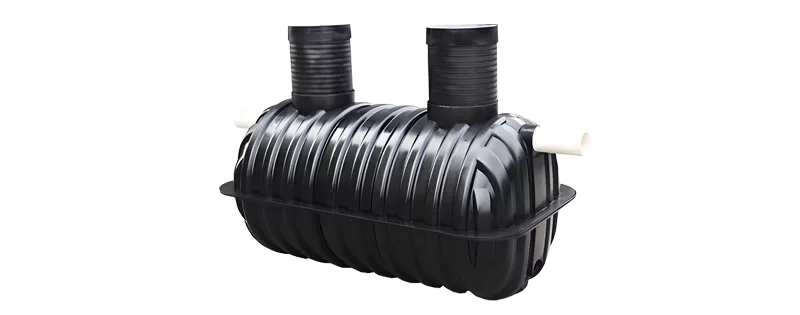
The PE three-chamber septic tank is a high-efficiency wastewater treatment device made of food-grade polyethylene (PE). It features three separate chambers that realize graded treatment of sewage through sedimentation, anaerobic fermentation and purification.
With advantages of corrosion resistance, light weight and easy installation, it avoids the problems of traditional concrete tanks like leakage and heavy weight. It is widely applied in rural households, small communities and construction sites, effectively improving domestic wastewater treatment efficiency and protecting the ecological environment.
Three-Chamber Separation
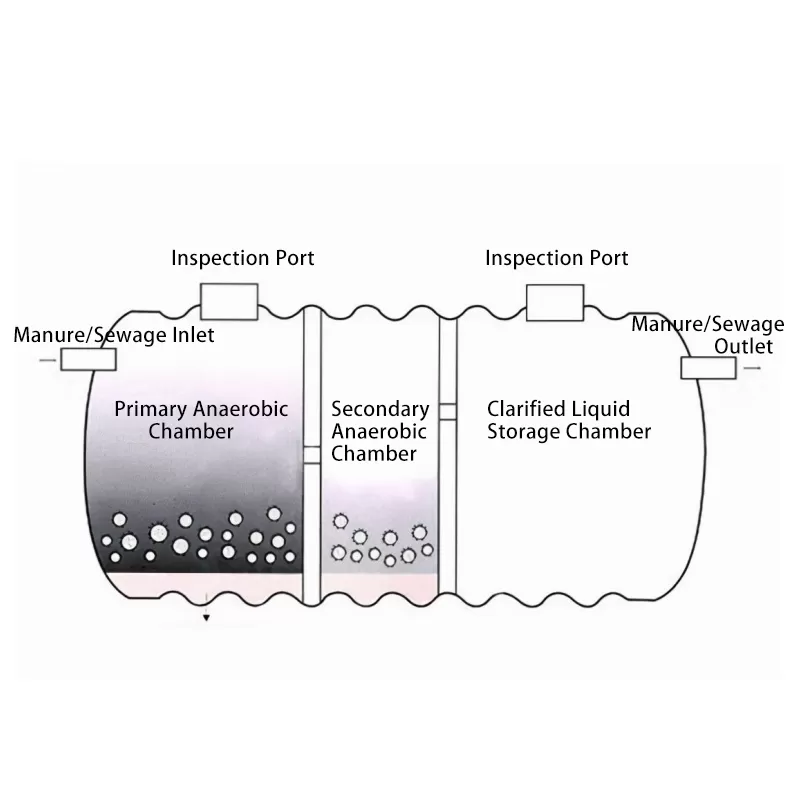
Wastewater undergoes three-step treatment. The first chamber settles 60%-70% solids. The second uses anaerobic bacteria to decompose organics. The third clarifies water, ensuring it meets basic discharge standards for irrigation or release.
PE Material Benefits
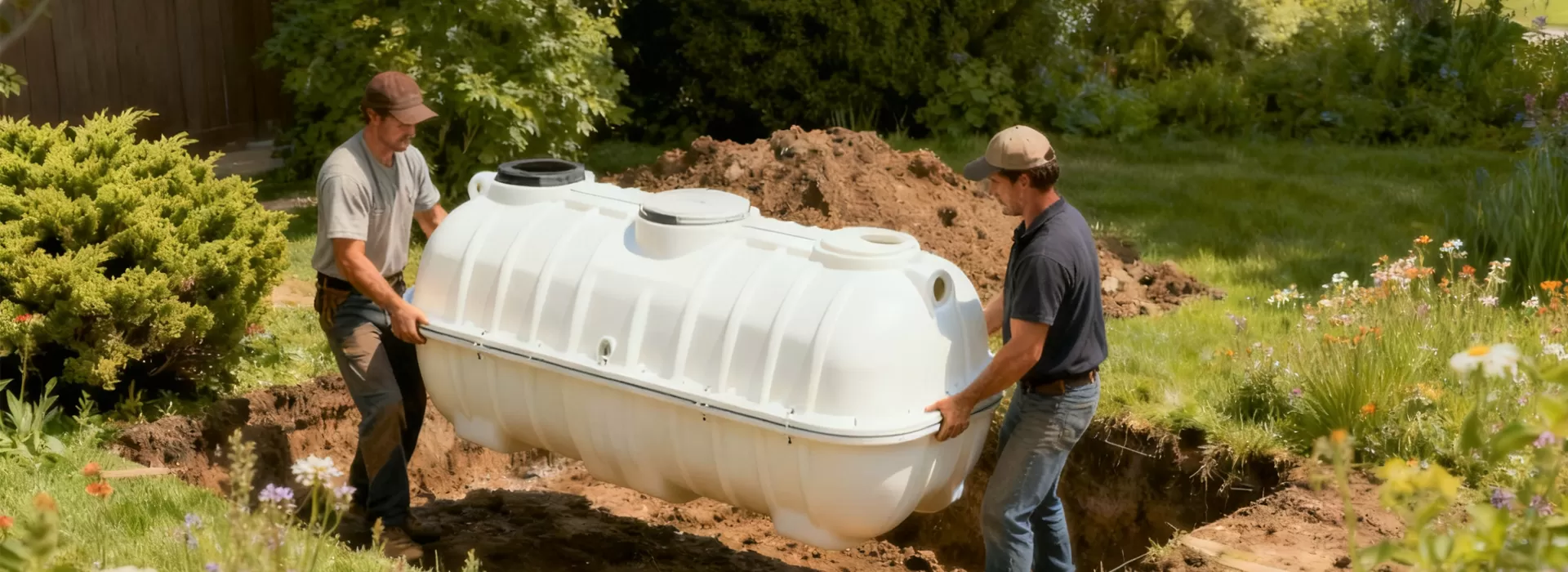
High-density PE resists corrosion and avoids cracking, with a 30+ year lifespan. Its lightweight design eases transport and installation, cutting labor costs vs. concrete tanks, fitting residential and commercial spaces.
Dual-Scenario Use
For 3-10 households, it’s compact for backyards. For small hotels/offices, parallel tanks boost capacity. It needs only 1-2 yearly sludge pumping, minimizing maintenance for both users.
Eco-Cost Efficiency
No electricity is needed, reducing energy use and carbon footprint. Sealed design prevents groundwater pollution. Low initial investment and no mechanical parts lower repair costs, ideal for decentralized management.
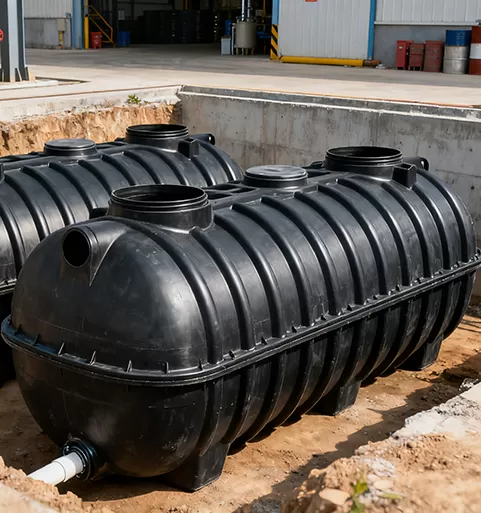
Septic tanks are widely used in industrial sewage pretreatment, especially for low-concentration organic wastewater from food processing, light industry and small workshops. They feature compact structure, corrosion resistance and easy installation, effectively separating solids, decomposing organic matter and reducing subsequent treatment loads. Cost-effective and low-maintenance, they meet basic industrial wastewater discharge requirements.
Waste enters the first compartment. Here, solids settle, and anaerobic bacteria start decomposing organic matter.
Partially treated effluent flows to the second compartment. Further decomposition occurs, with more solids settling.
The clarified effluent moves to the third compartment for final treatment. It then discharges safely for further use or disposal.