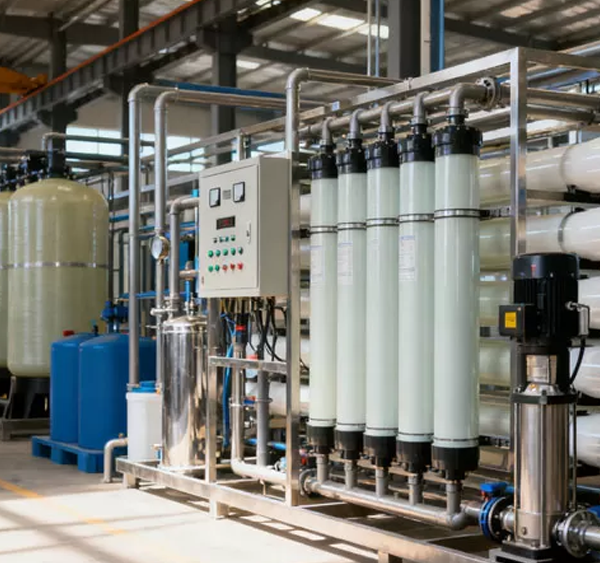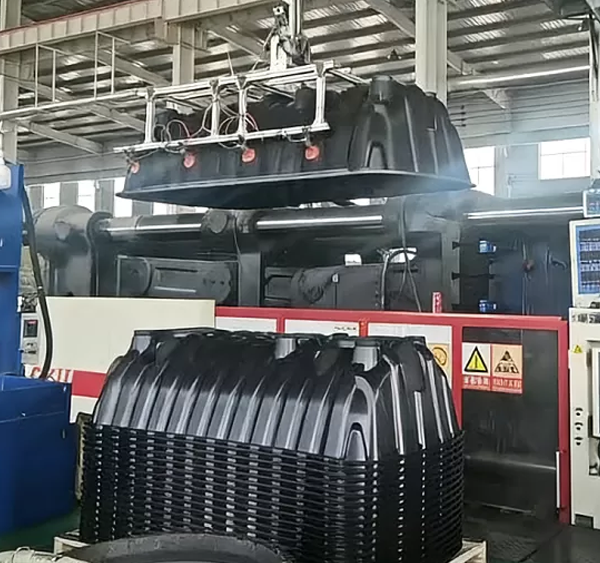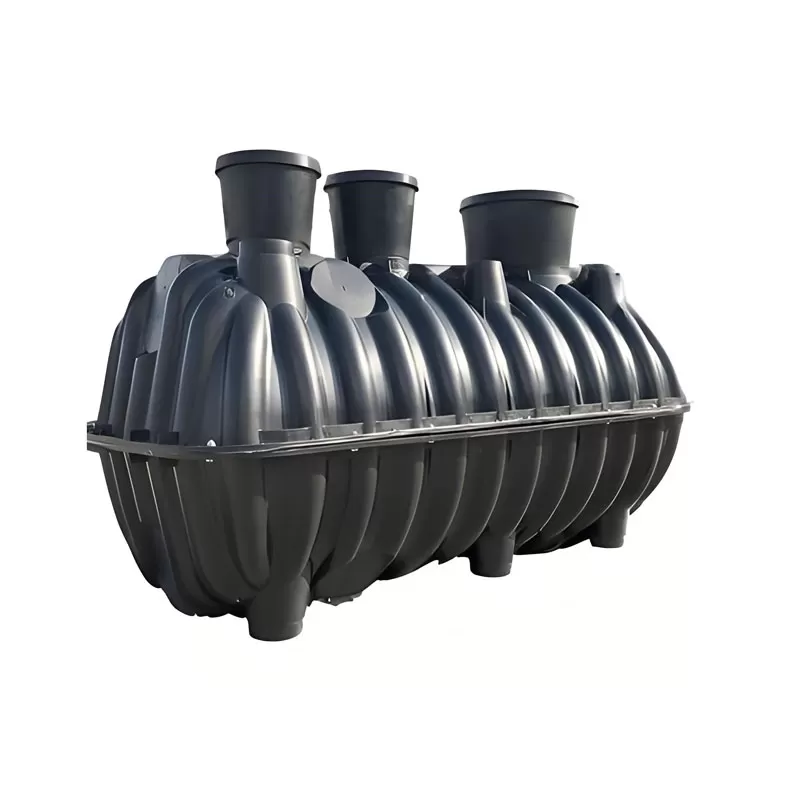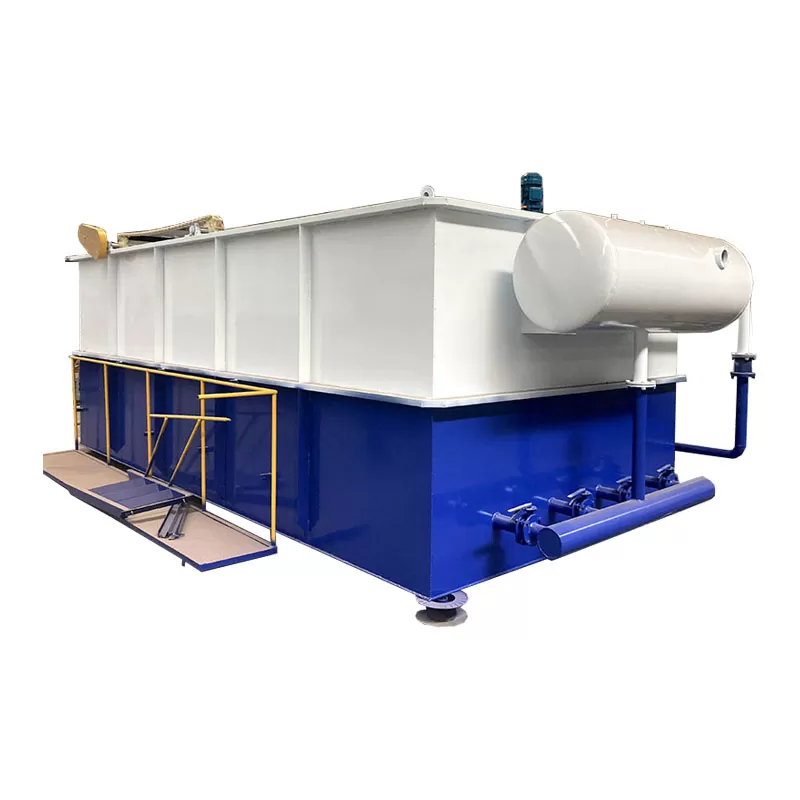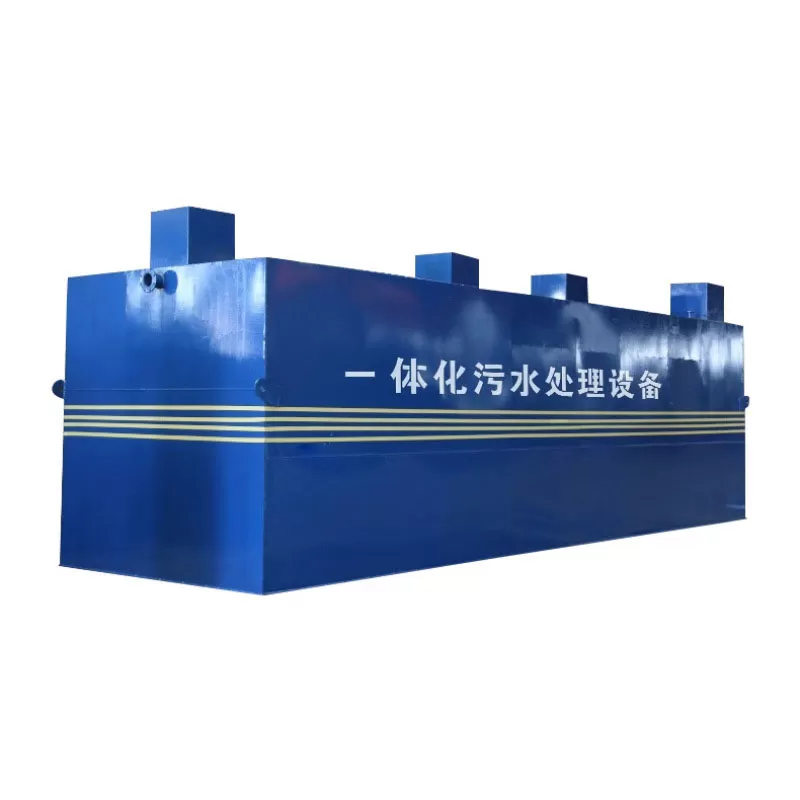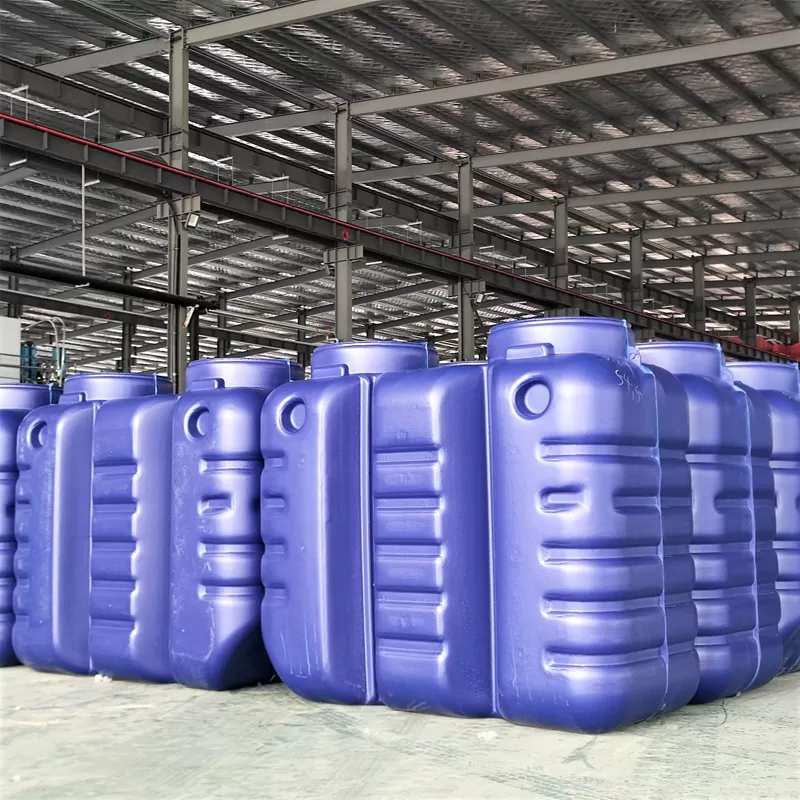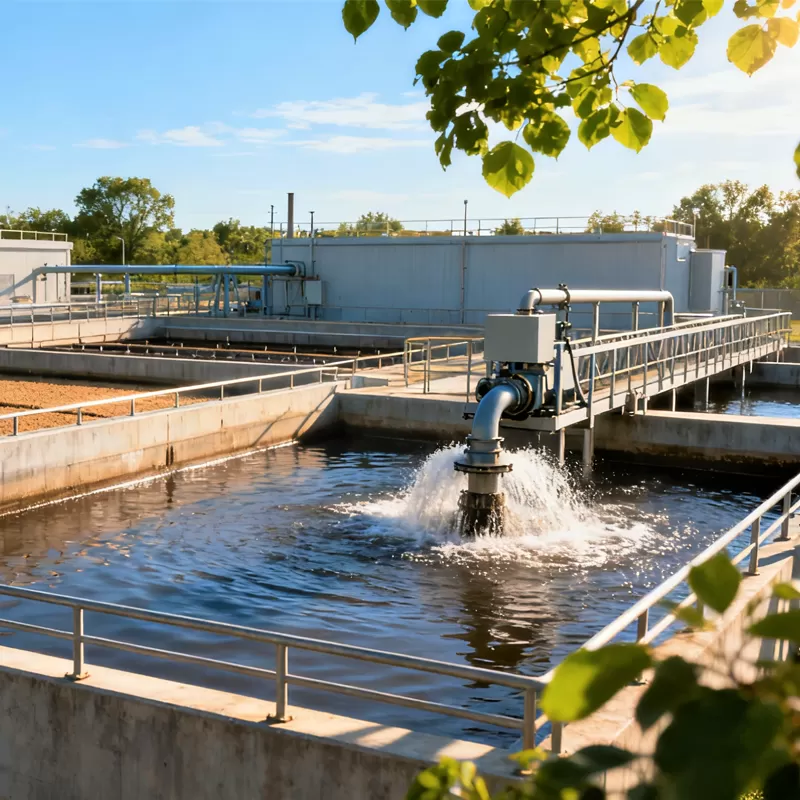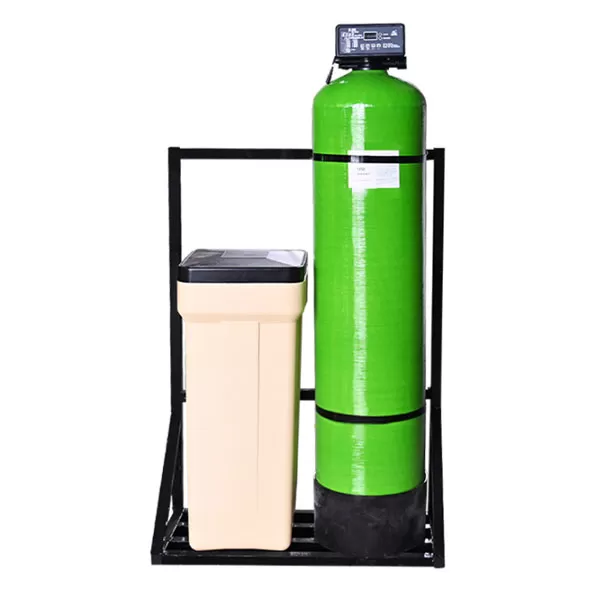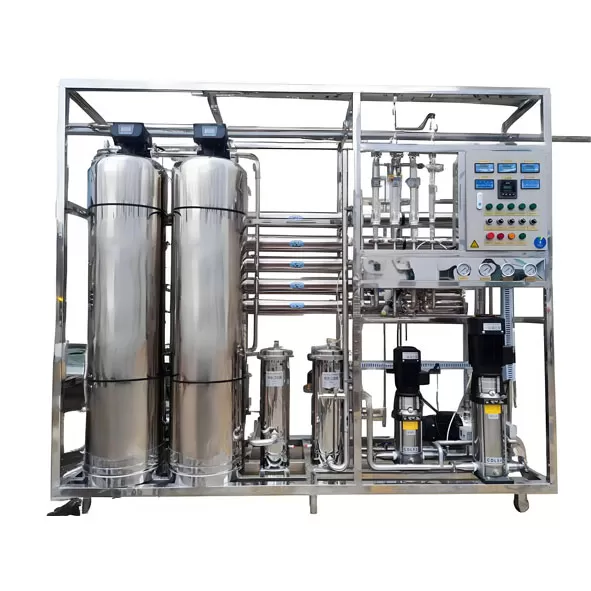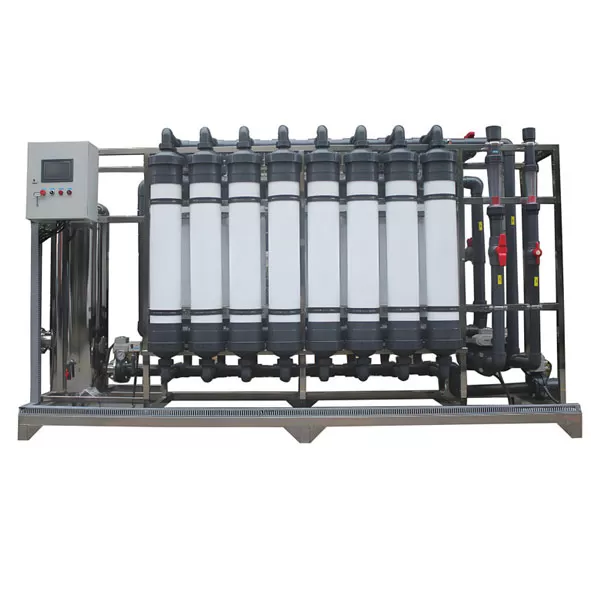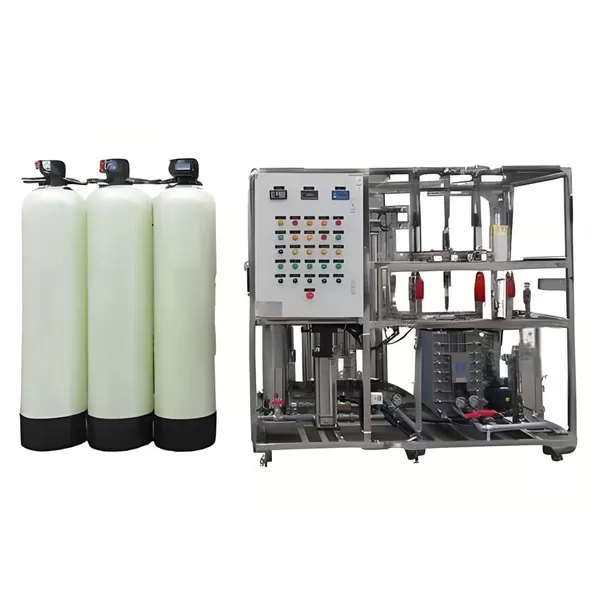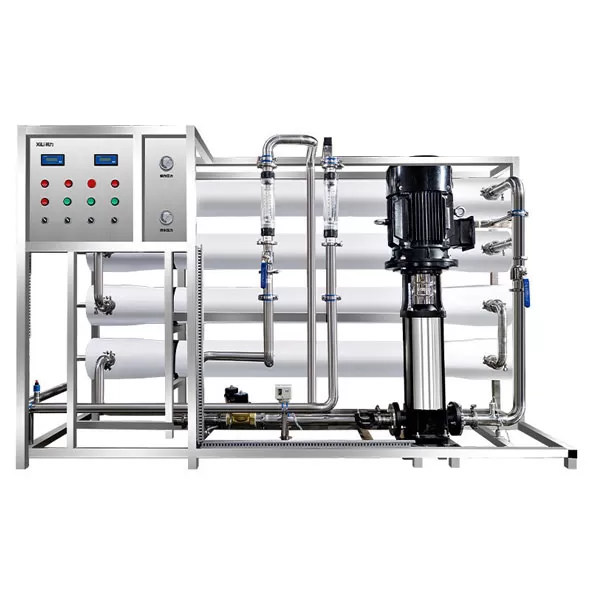
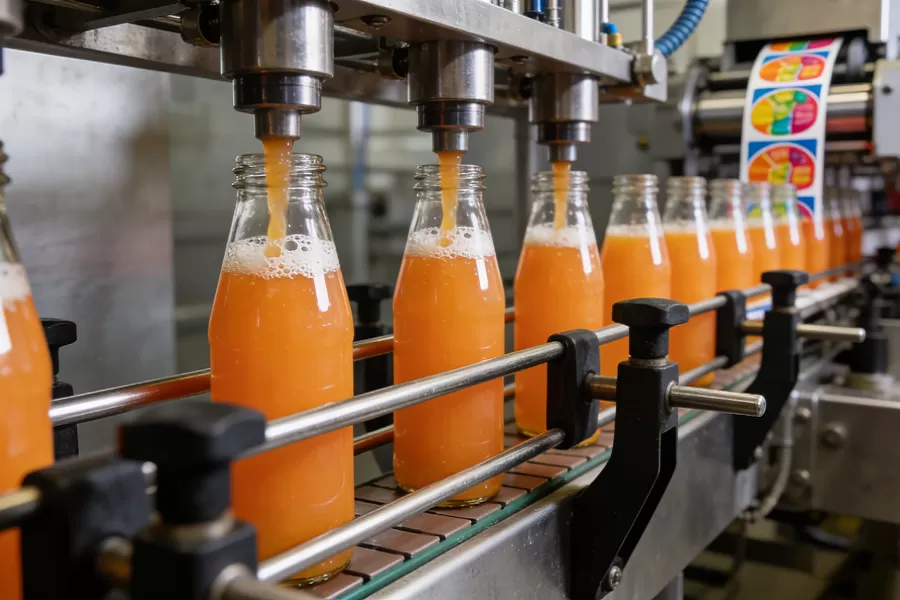
Beverage Processing Wastewater Treatment Equipment refers to specialized systems designed to treat wastewater generated during the manufacturing and packaging of beverages such as soft drinks, juices, bottled water, beer, wine, spirits, and other liquid products. This wastewater often contains sugars, alcohols, flavorings, colorants, preservatives, cleaning chemicals, and suspended solids, which must be removed or reduced before discharge or reuse.
Mixing and blending processes (syrup residues, flavorings).
Fermentation and brewing (spent yeast, alcohol residues).
Bottling and packaging (rinse water, sanitizers).
Equipment cleaning (CIP – Clean-in-Place systems) (alkaline or acidic detergents).
Spillage and product losses during production.
Reduce Biochemical Oxygen Demand (BOD) and Chemical Oxygen Demand (COD) from sugars, alcohols, and other organics.
Remove suspended solids and turbidity.
Neutralize pH from acidic or alkaline cleaning agents.
Remove flavorings, colorants, and preservatives.
Comply with environmental discharge regulations or prepare for water recycling.
Screening to remove large particles and debris.
Equalization tanks for flow and load balancing.
Dissolved Air Flotation (DAF) for solids and FOG removal.
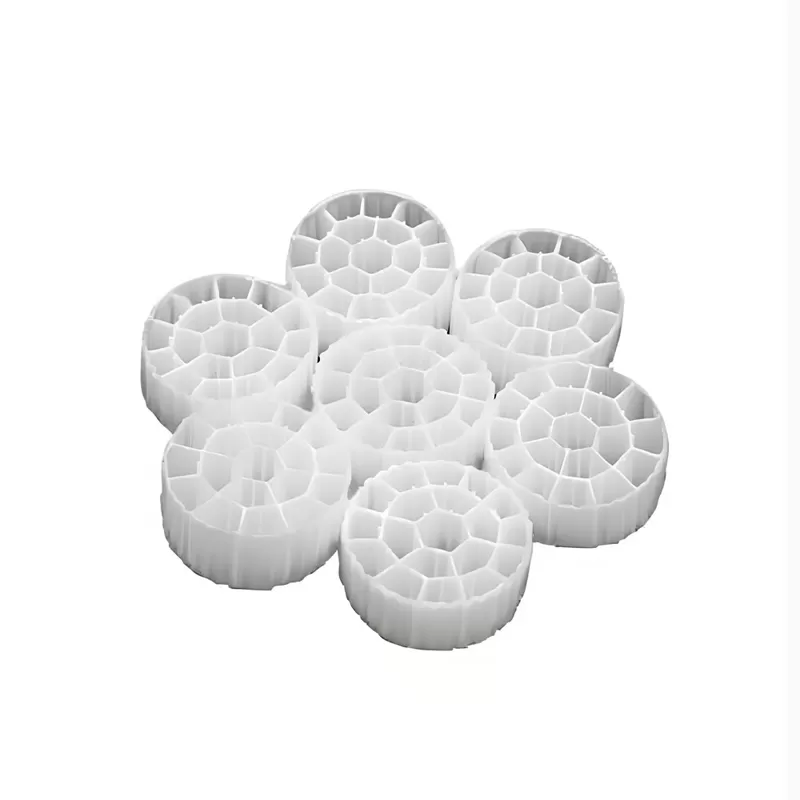
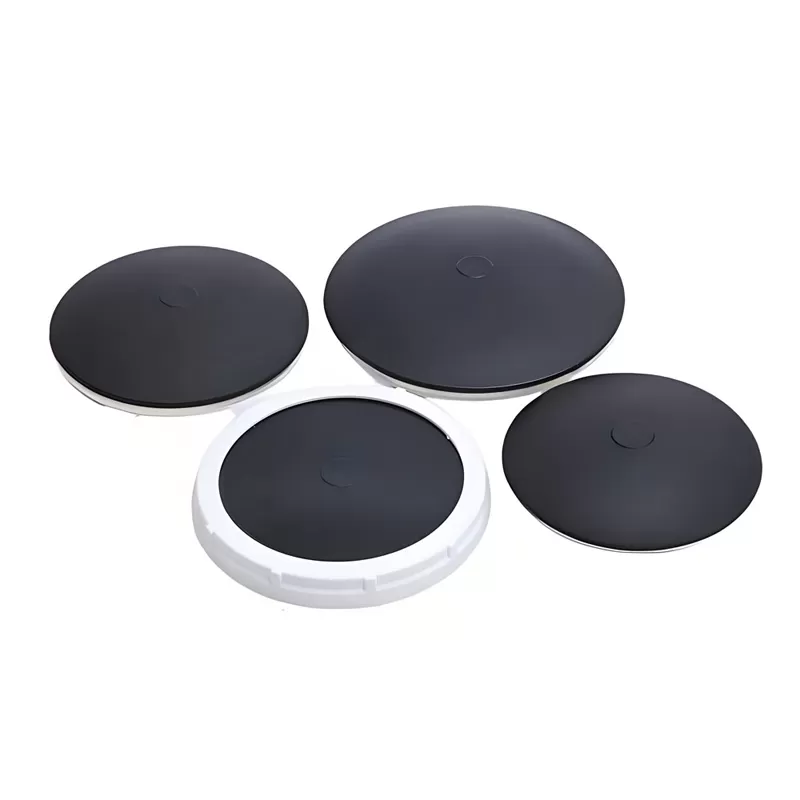
Biological treatment (activated sludge, MBBR, MBR) to degrade organic matter.
Coagulation and flocculation for fine particles.
Membrane filtration (UF, RO) for high-quality effluent.
Disinfection (UV, chlorination) for final water polishing.
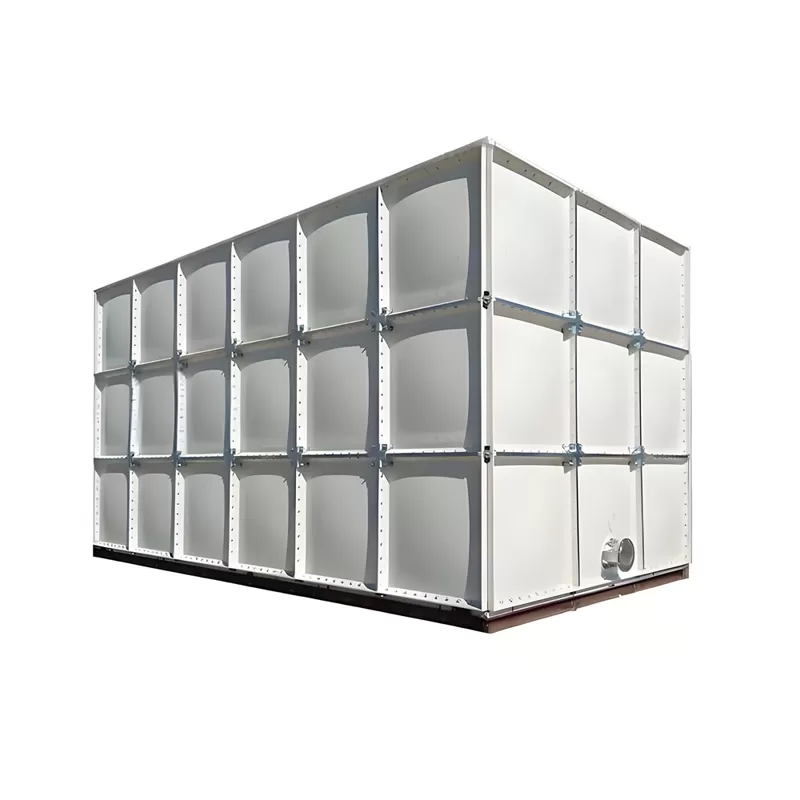
Corrosion-resistant construction (stainless steel, FRP).
Modular design for easy installation and expansion.
Automated controls for operational efficiency.
Capable of handling high BOD/COD fluctuations.
Option for sludge treatment and recovery.