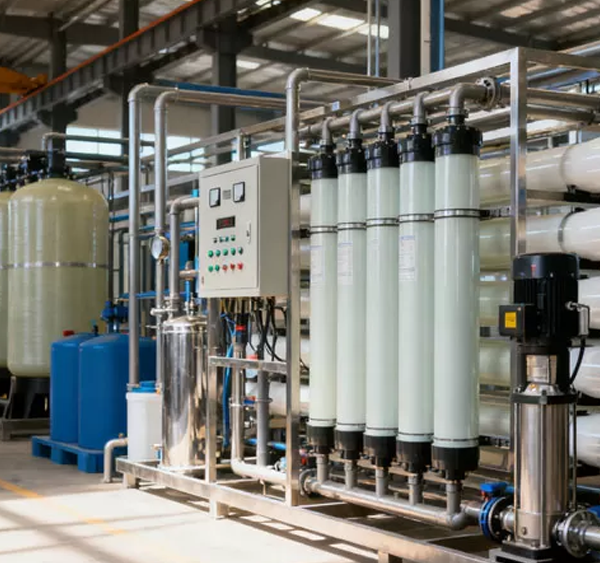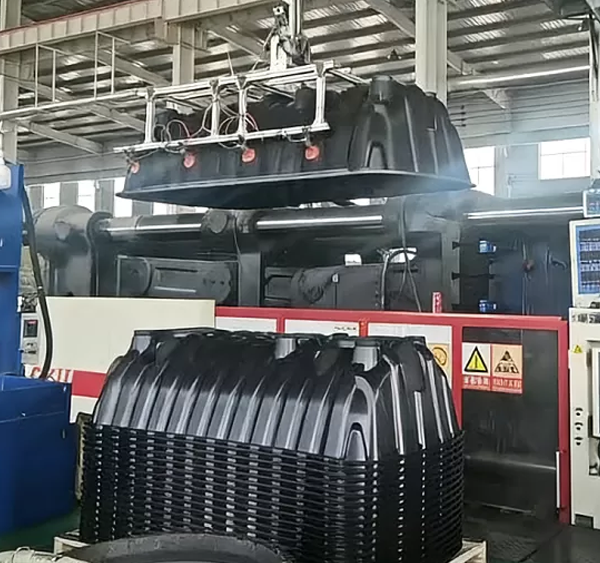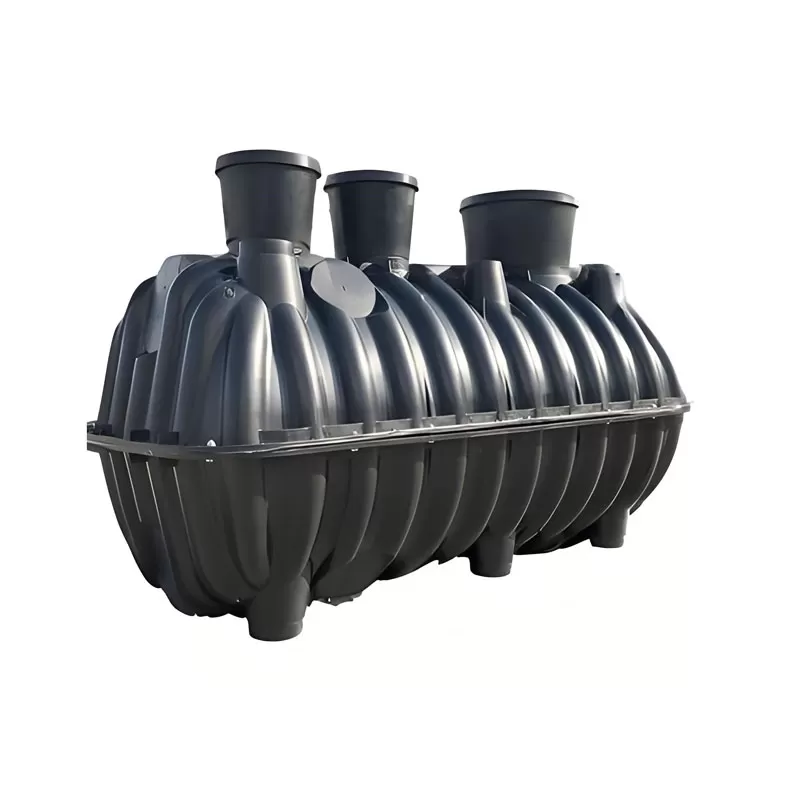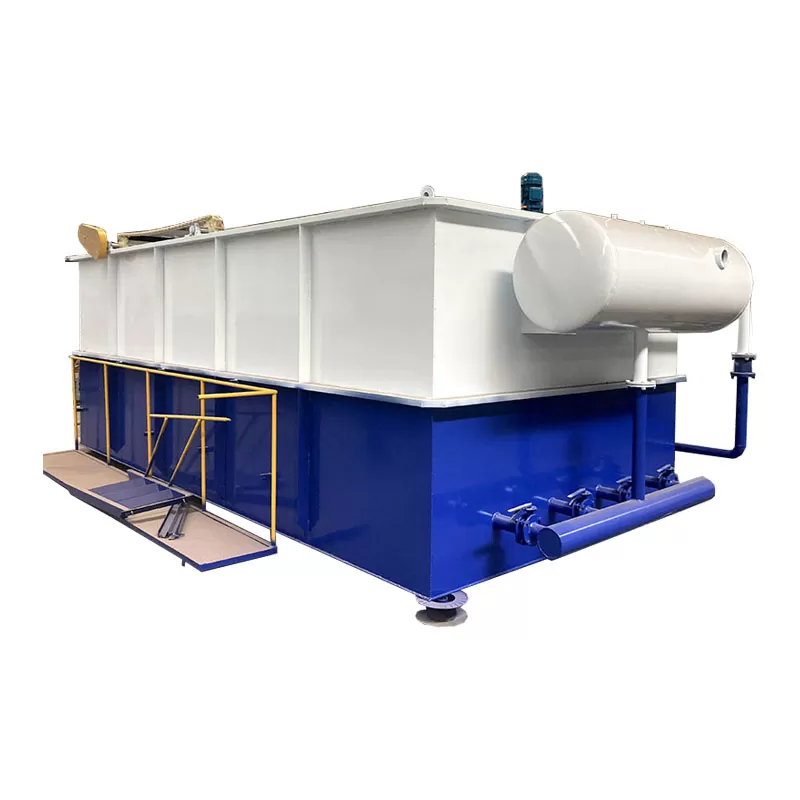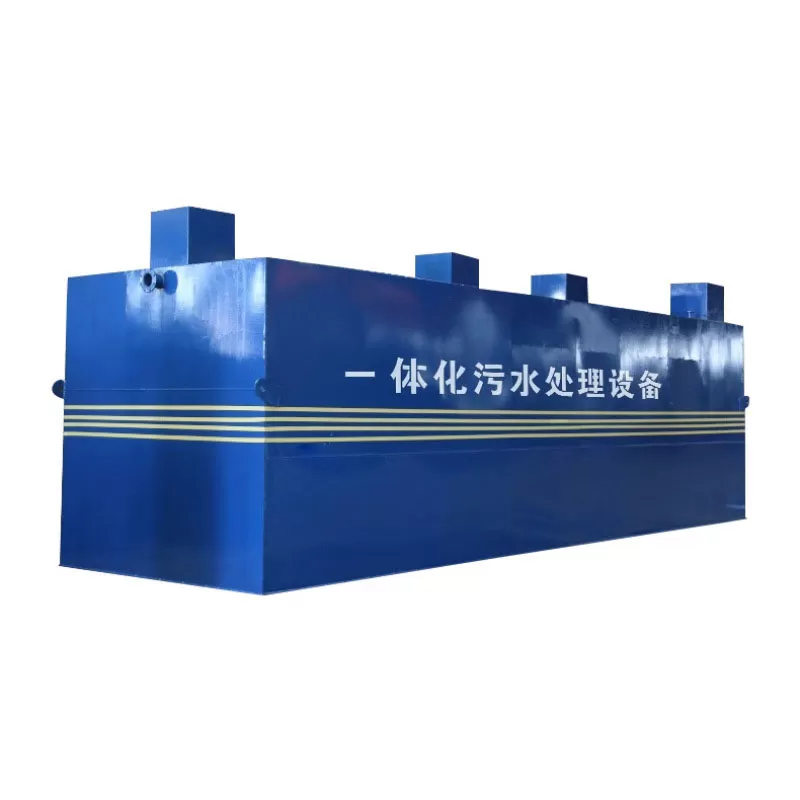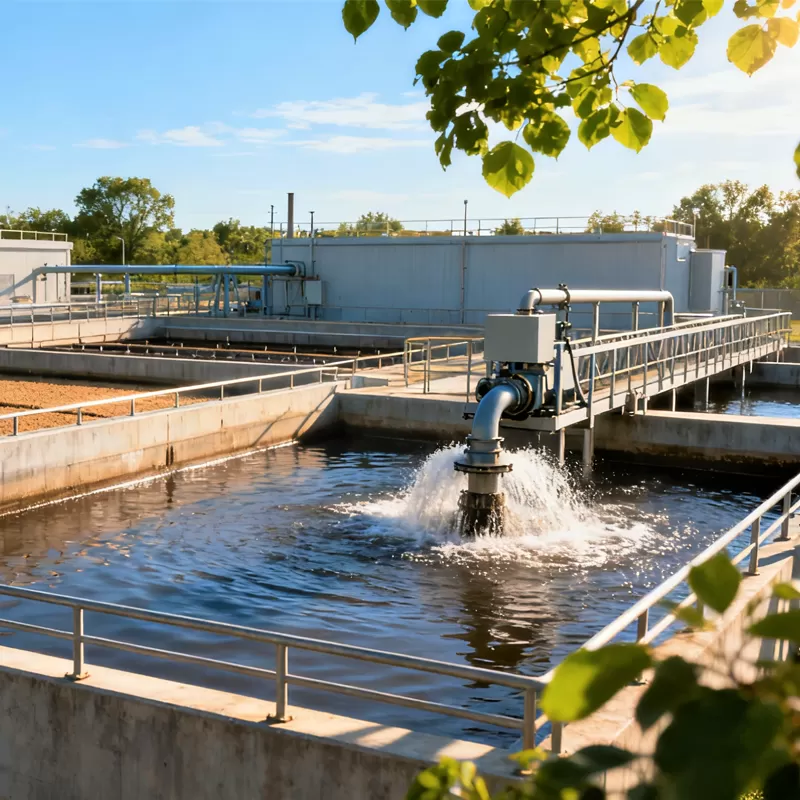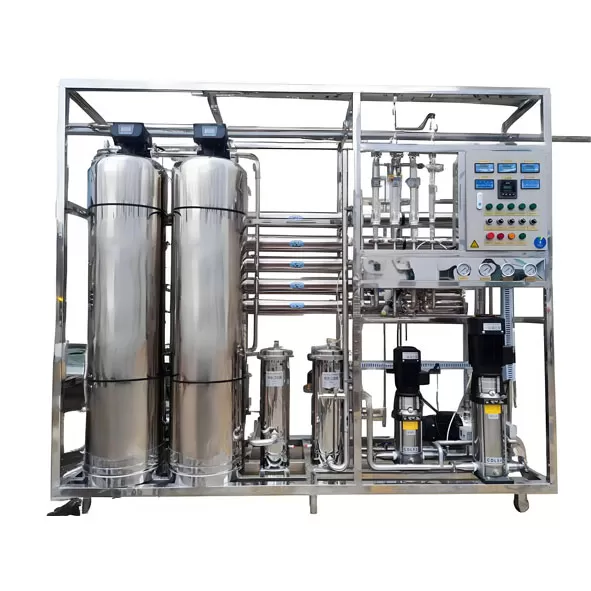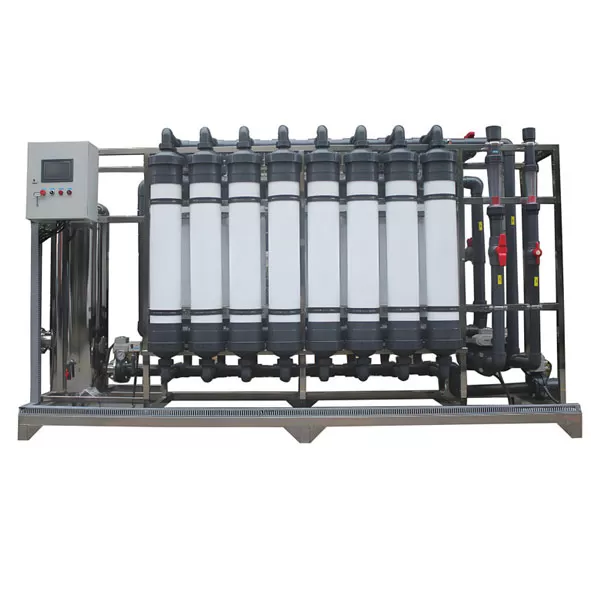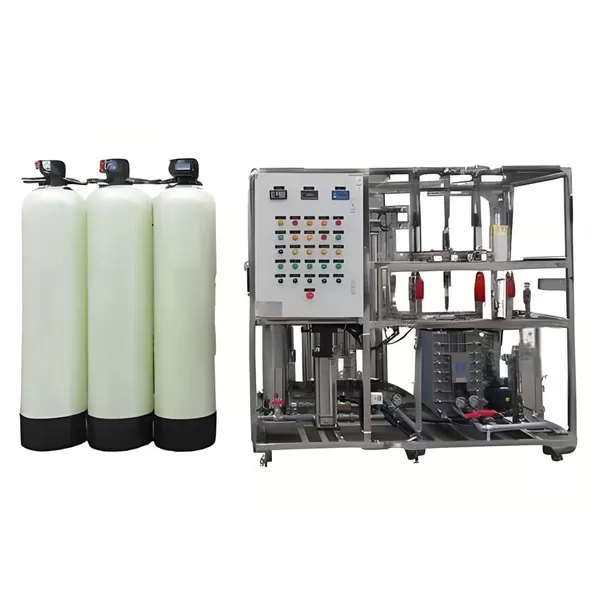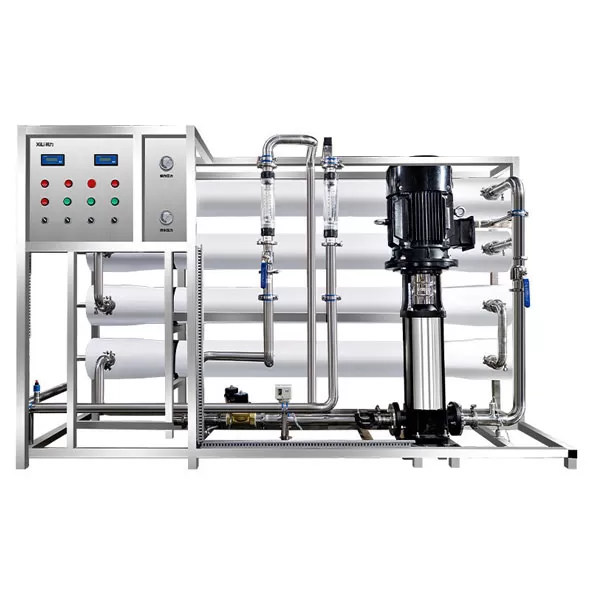
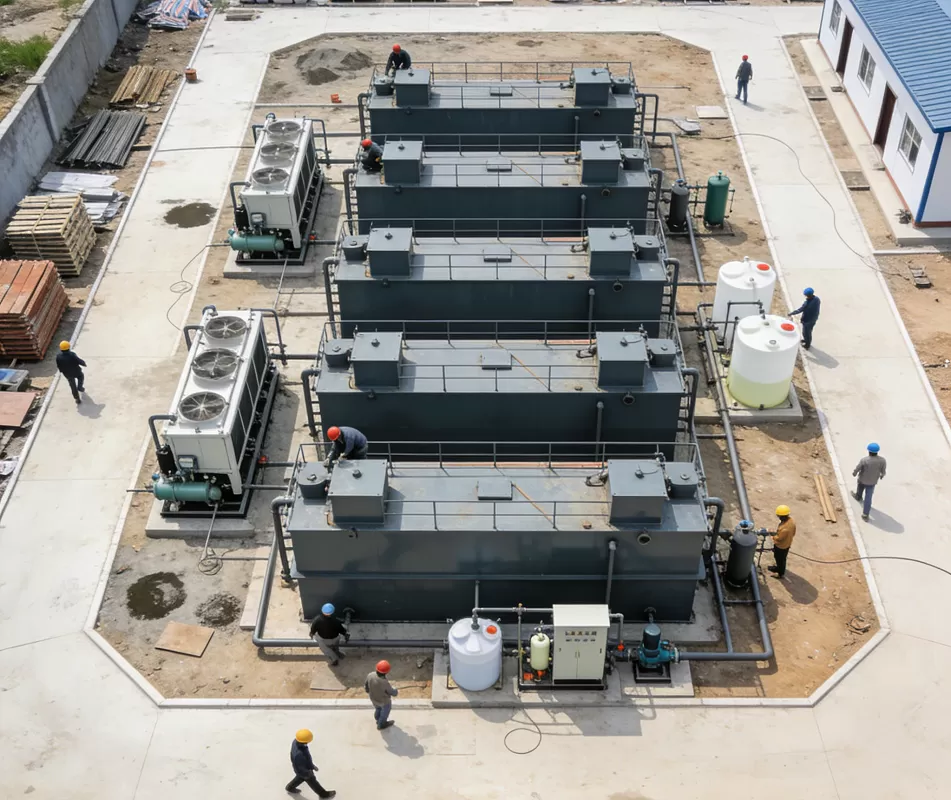
Decentralized / Distributed Wastewater Treatment Equipment refers to treatment systems that process wastewater at or near the location where it is generated, rather than transporting all wastewater to a large centralized treatment plant.
On-site Treatment
Wastewater is treated close to its source, reducing long-distance transportation and sewer network construction costs.
Relatively Small Scale
Typical treatment capacities range from several tons per day to several hundred tons per day, suitable for small communities, factories, camps, and similar applications.
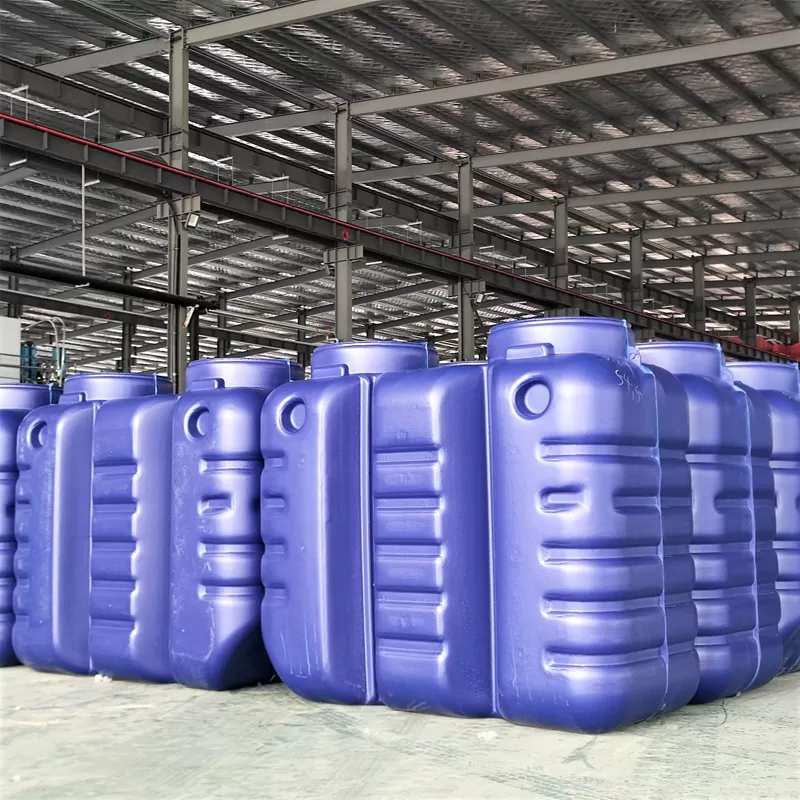
Modular, Integrated Design
Often configured as all-in-one units or containerized systems, pre-assembled in the factory. On-site setup only requires connecting influent and effluent pipes as well as power supply before starting operation.
Flexible Deployment
Can operate as a standalone unit or in multiple-unit combinations for easy expansion or relocation.
Typical Processes
Pre-treatment: Screens, grit chambers for removing large particles and floating debris.
Biological Treatment: Common processes include A/O, A²/O, MBR (Membrane Bioreactor), and SBR (Sequencing Batch Reactor).
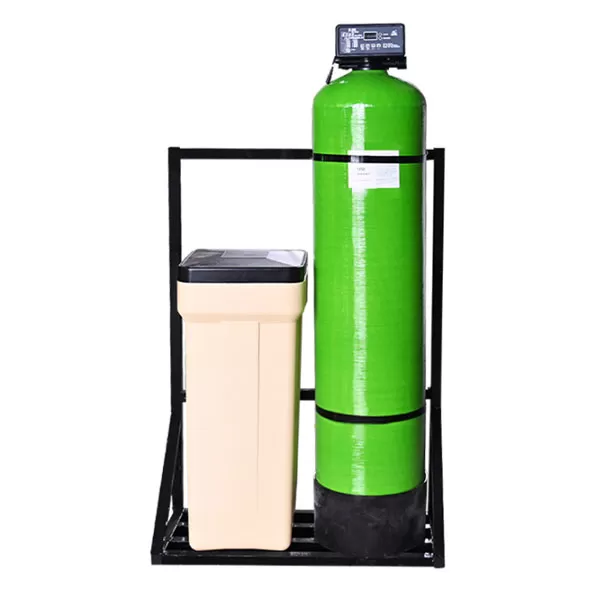
Advanced Treatment: Filtration, disinfection (UV or chlorination).
Sludge Treatment: Sludge thickening, dewatering, etc.
Wastewater from rural or remote villages.
Tourist attractions, camps, hotels, and resorts.
Domestic sewage from factories or industrial parks.
Temporary worker accommodations at construction sites.
Islands, border posts, and other off-grid areas.
Low capital investment and short construction period.
Modular design for convenient capacity expansion.
No reliance on long-distance sewer networks.
Flexible process selection based on influent quality and effluent standards.
Limited treatment capacity per unit.
Requires local personnel for operation and maintenance.
If improperly designed or selected, effluent stability may be lower than that of large centralized plants.