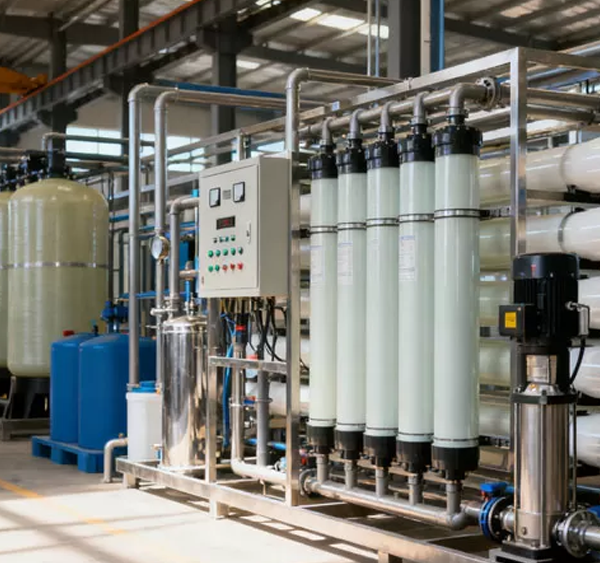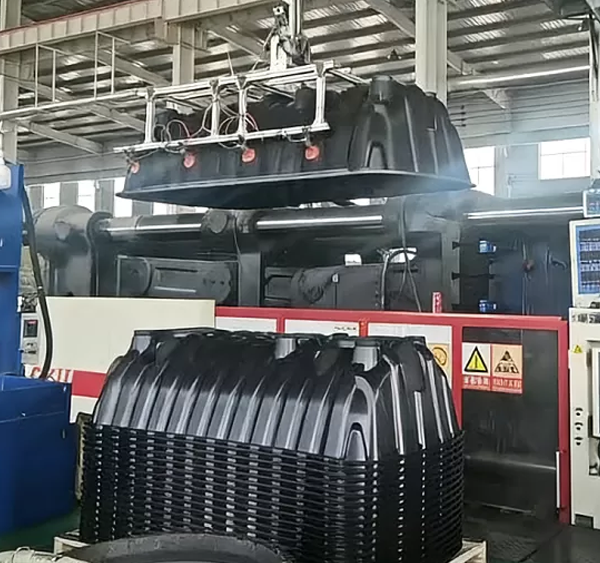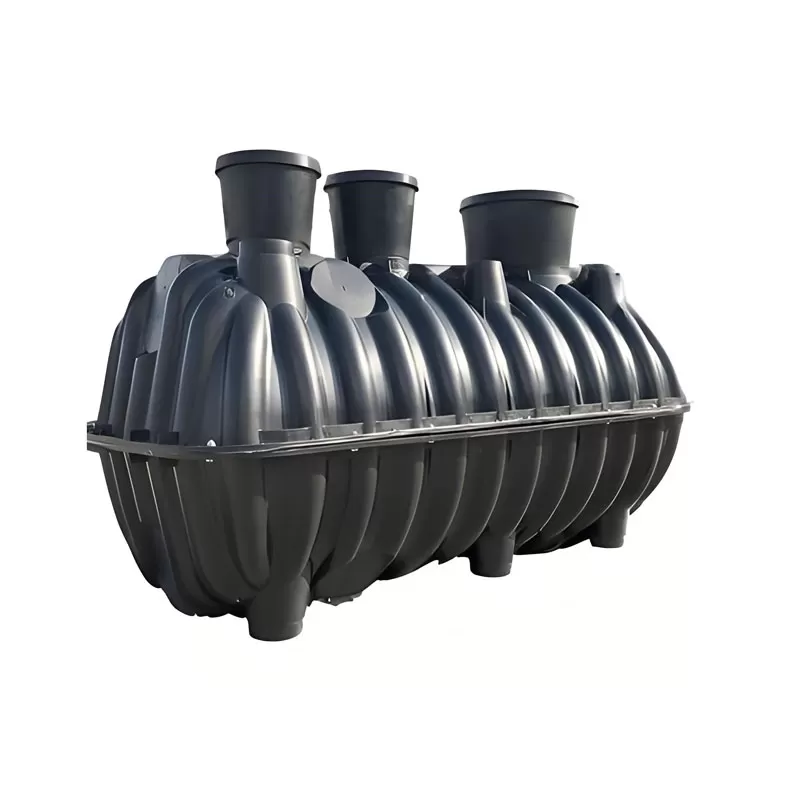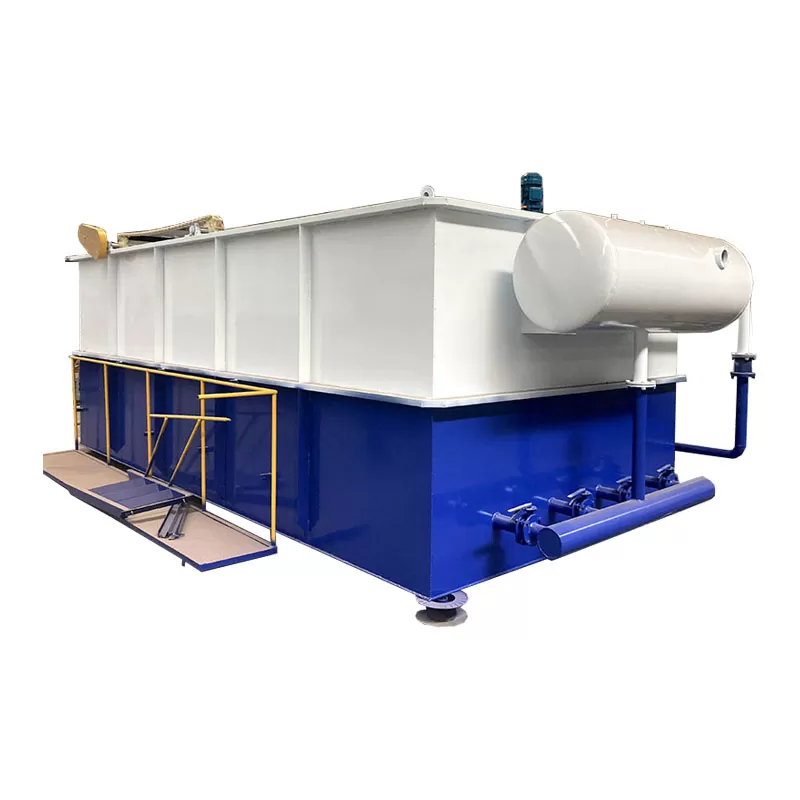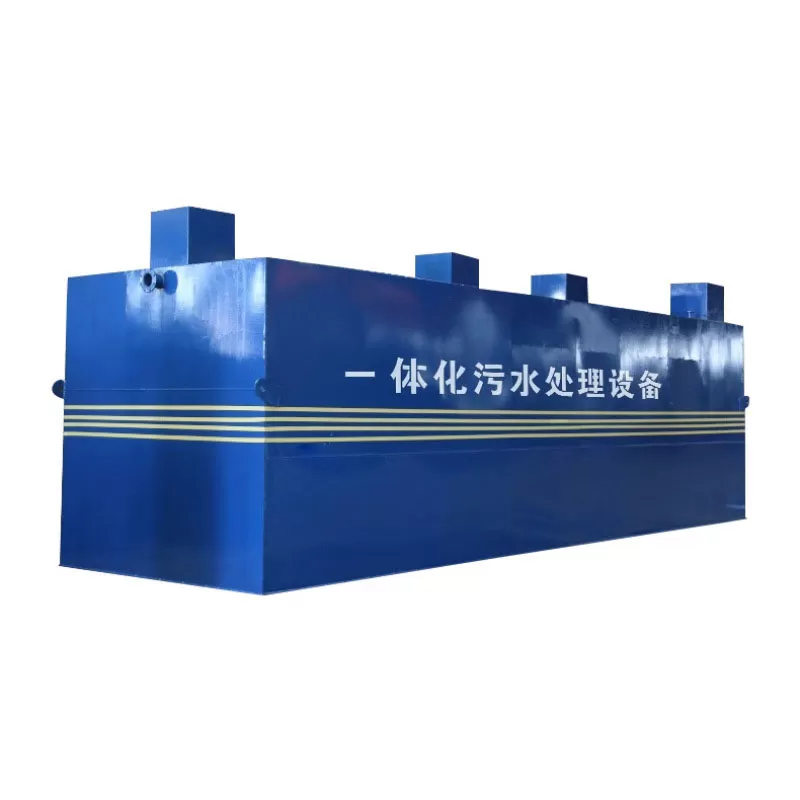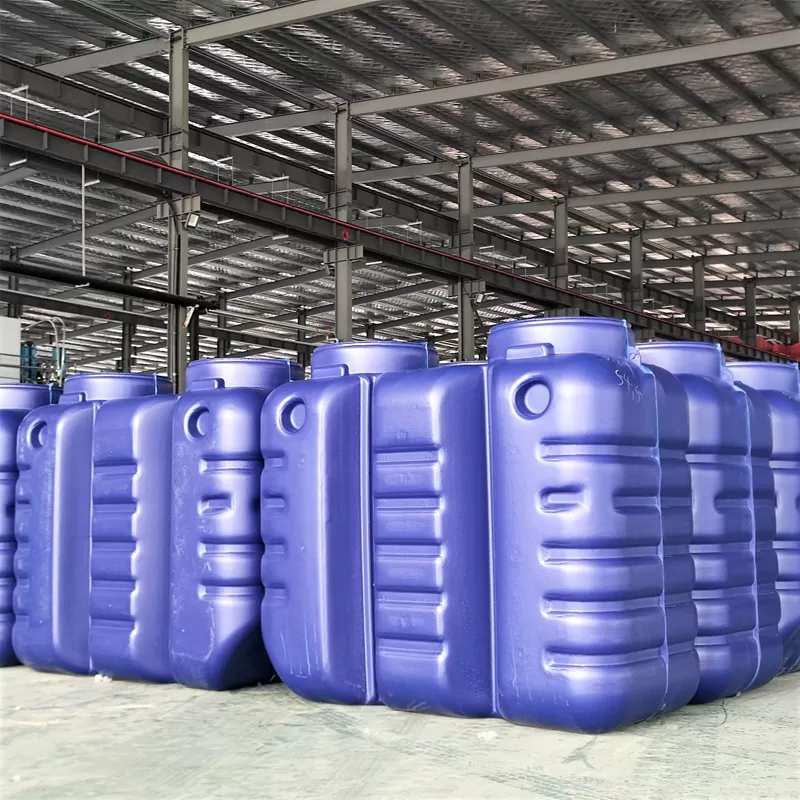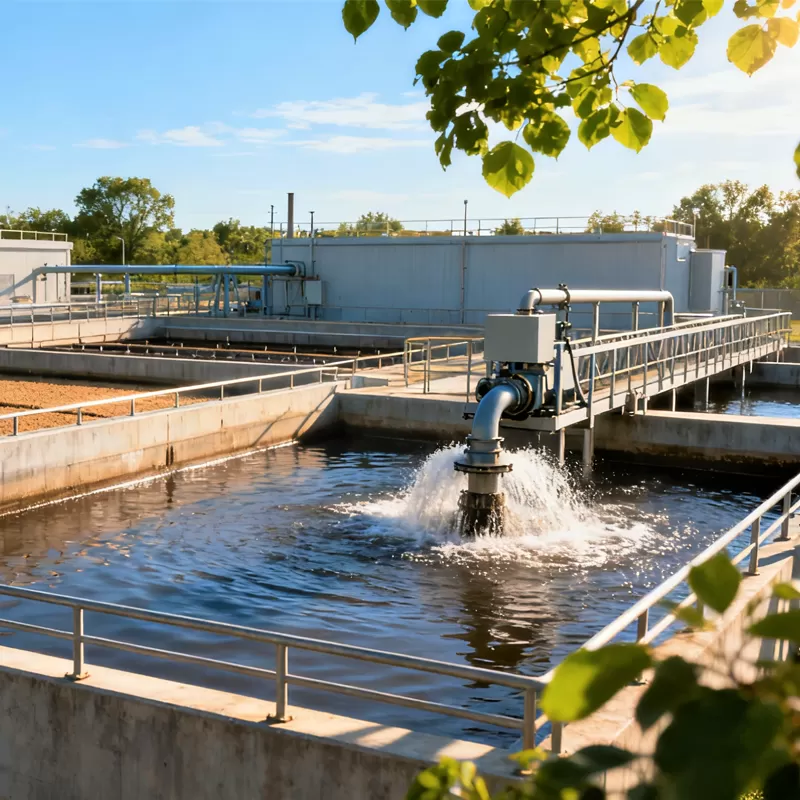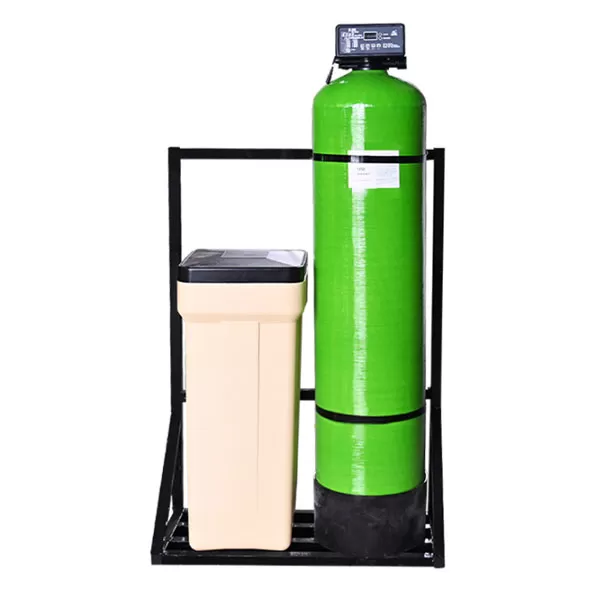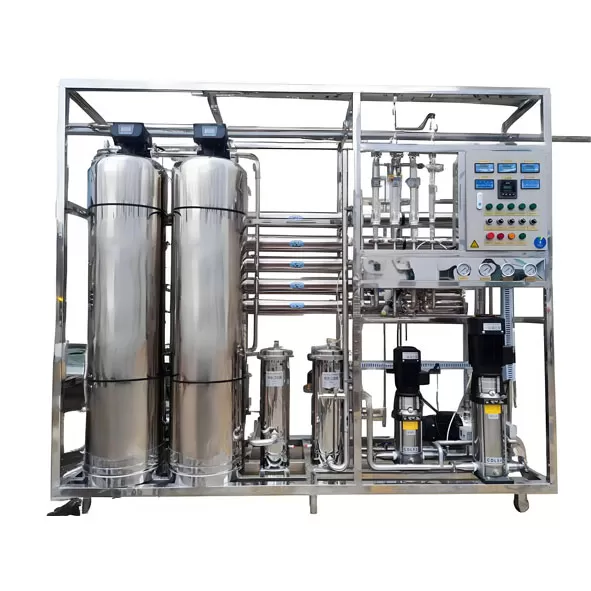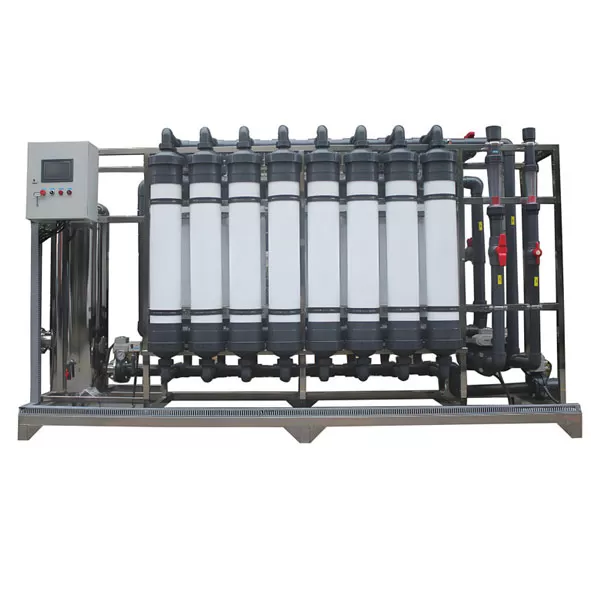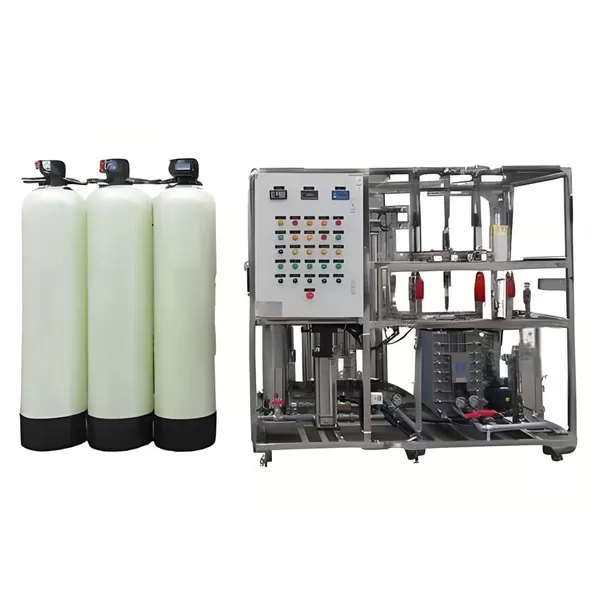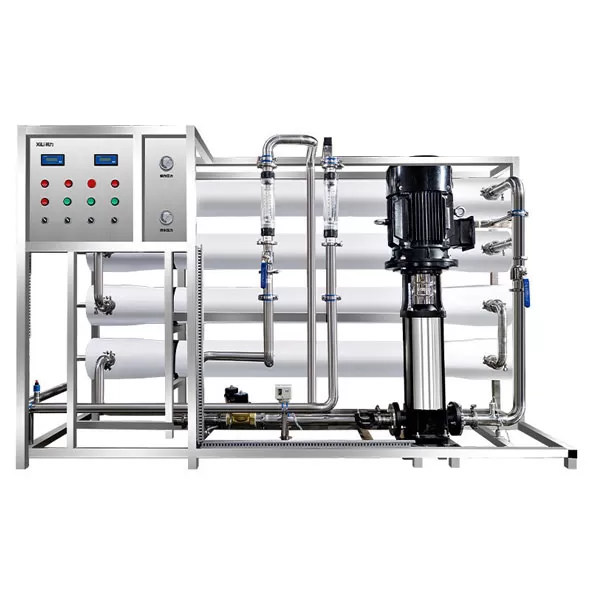
Food Processing Wastewater Treatment Equipment refers to specialized systems designed to treat wastewater generated from various stages of food manufacturing and processing. This type of wastewater often contains high levels of organic matter, fats, oils, grease (FOG), proteins, starches, cleaning chemicals, and suspended solids, which must be removed or reduced before the water can be discharged or reused.
Meat, poultry, and seafood processing (blood, fat, protein residues).
Fruit and vegetable processing (peels, pulp, sugars).
Dairy production (whey, lactose, cleaning water).
Bakery and snack production (starches, sugar residues).
Beverage manufacturing (syrups, flavorings, wash water).
Canning and packaging (brine, preservatives).
Reduce Biochemical Oxygen Demand (BOD) and Chemical Oxygen Demand (COD) caused by organic matter.
Remove fats, oils, and grease (FOG).
Remove suspended solids and sediment.
Neutralize pH if acidic or alkaline.
Remove residual sanitizers or cleaning chemicals.
Achieve compliance with environmental discharge regulations or prepare water for reuse.
Screening and sieving to remove large food particles.
Dissolved Air Flotation (DAF) for FOG removal.
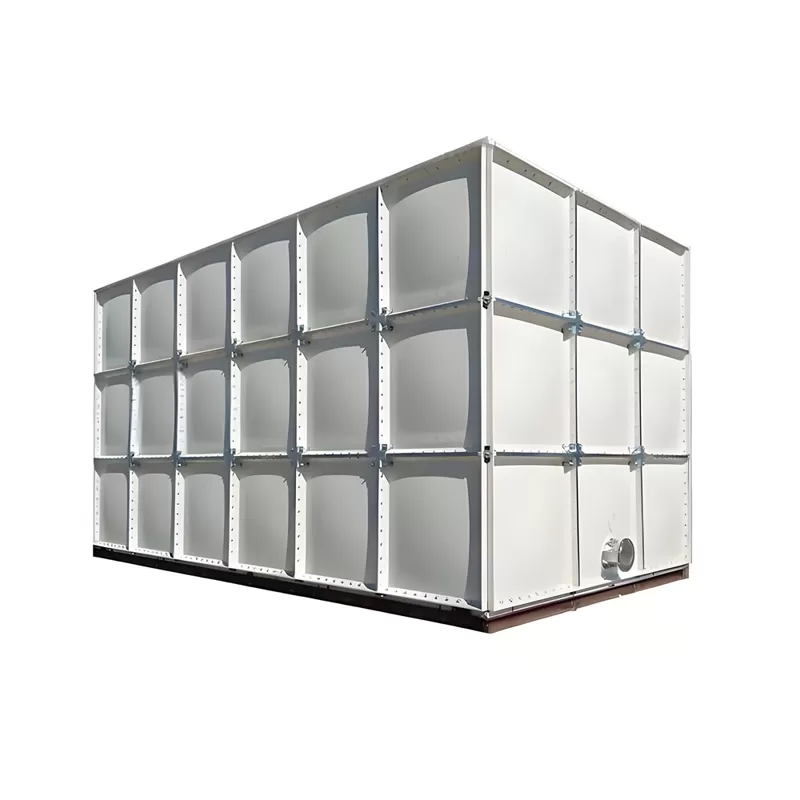
Equalization tanks to stabilize flow and load.
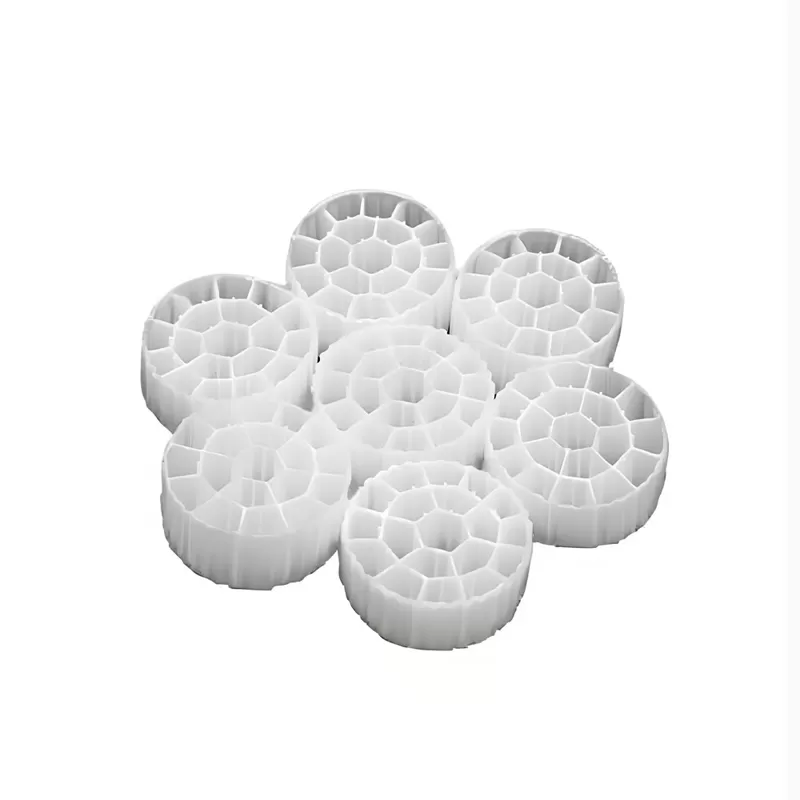
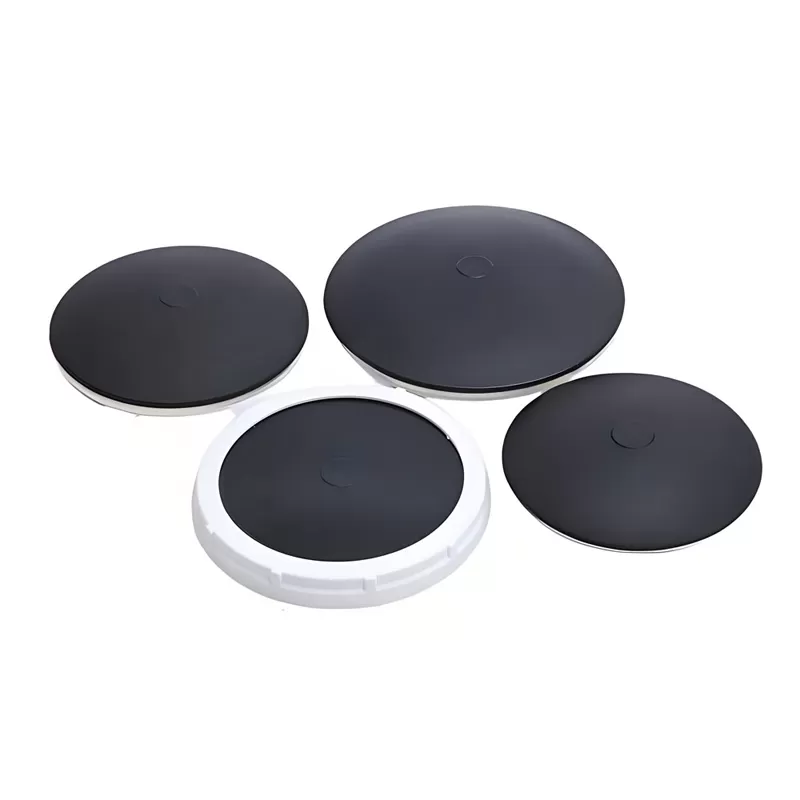
Biological treatment (activated sludge, MBR, MBBR) to degrade organic matter.
Coagulation and flocculation for fine solids removal.
Filtration (sand filters, UF membranes) for polishing.
Disinfection (chlorination, UV) before discharge or reuse.
Designed to handle high organic load and fluctuating wastewater composition.
Corrosion-resistant materials (stainless steel, FRP).
Modular systems for easy installation and scaling.
Energy-efficient operation with automated control systems.
Ability to integrate sludge handling and dewatering equipment.