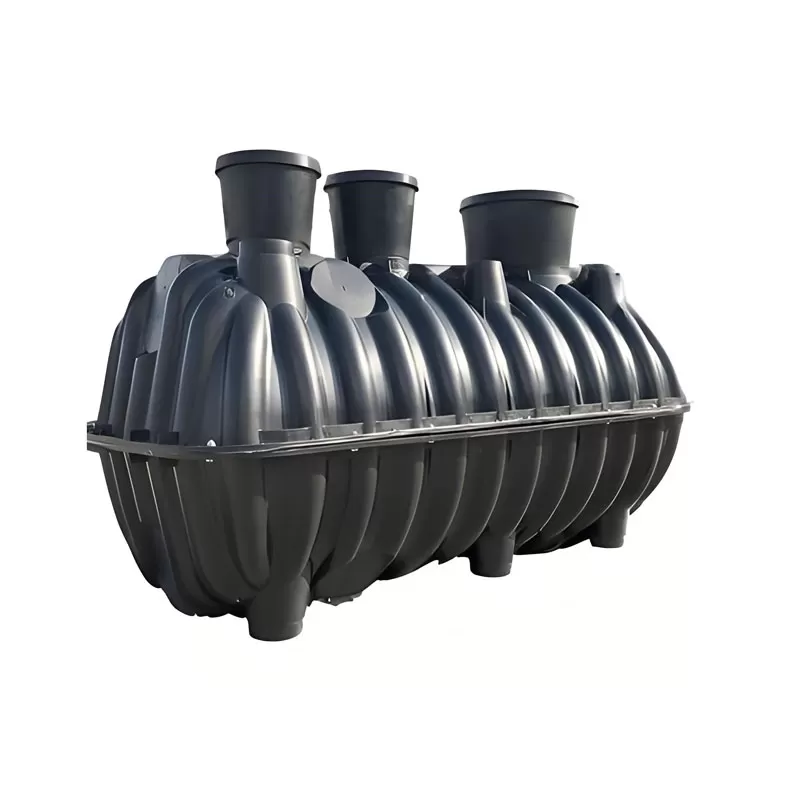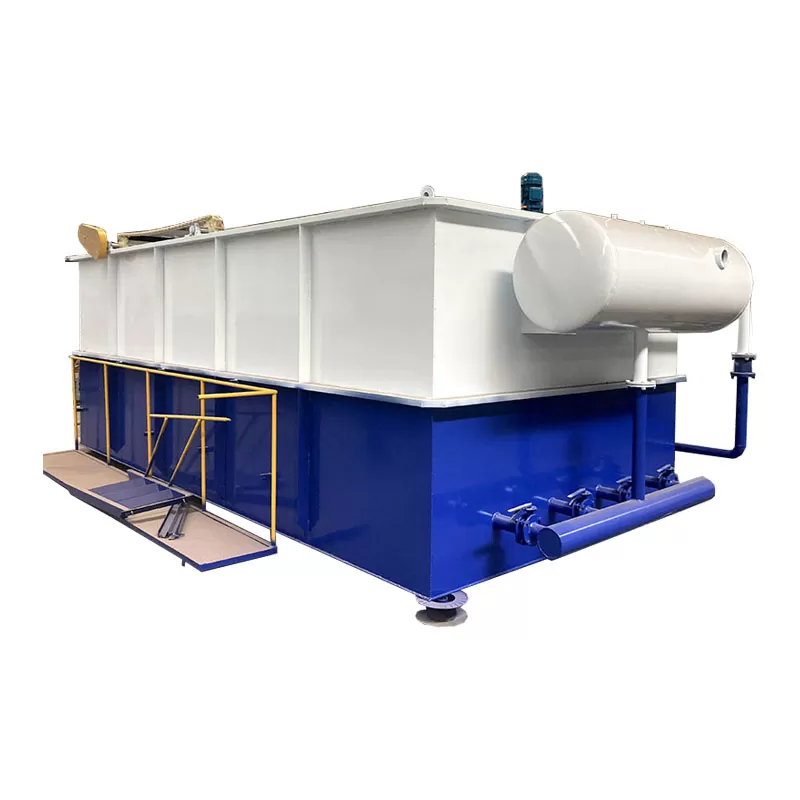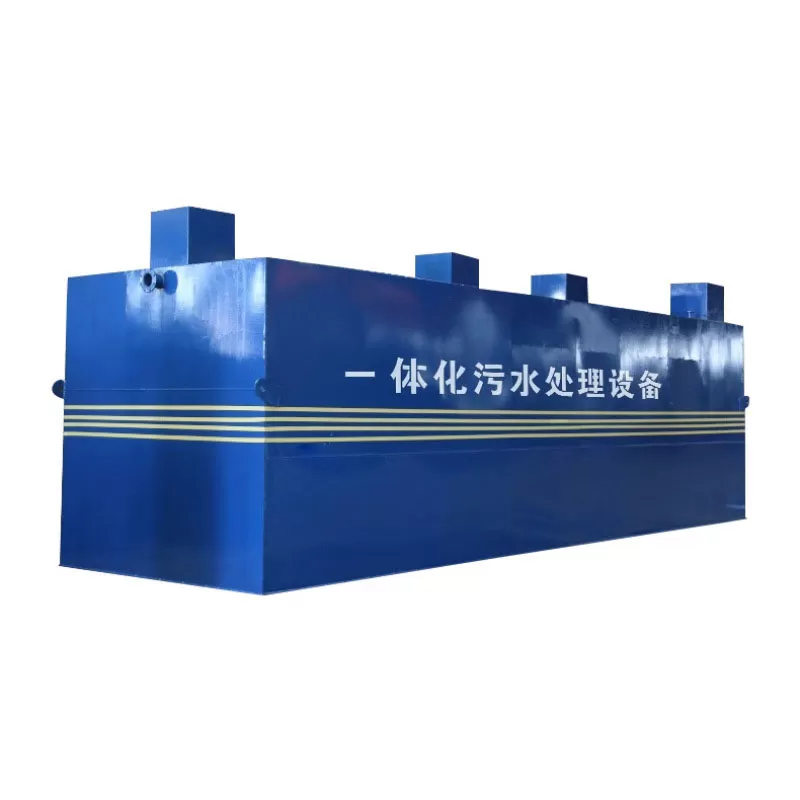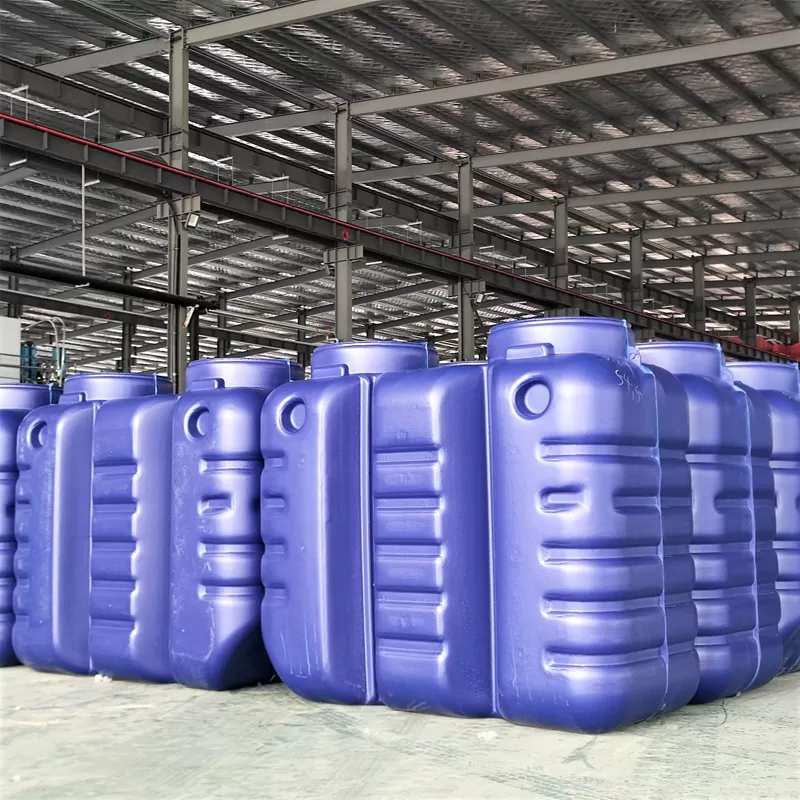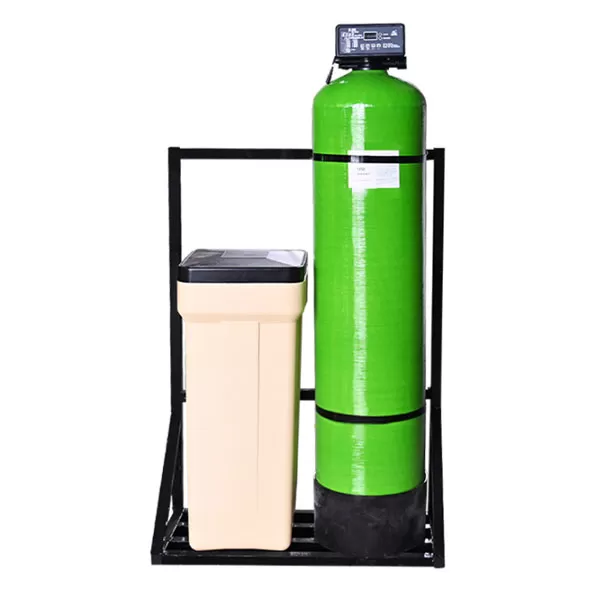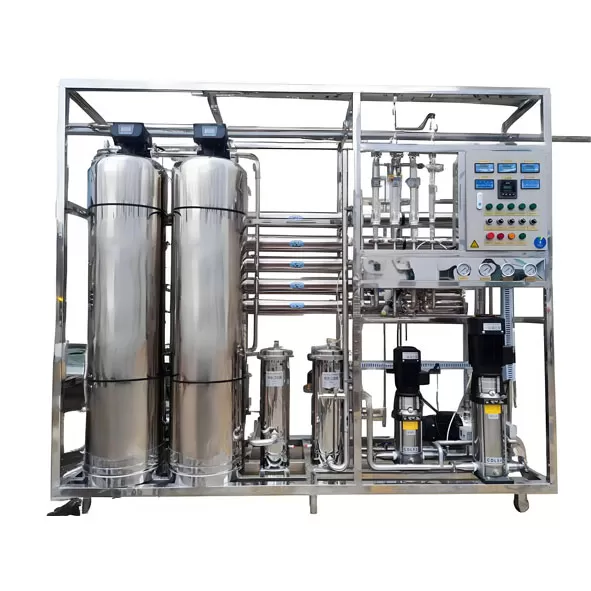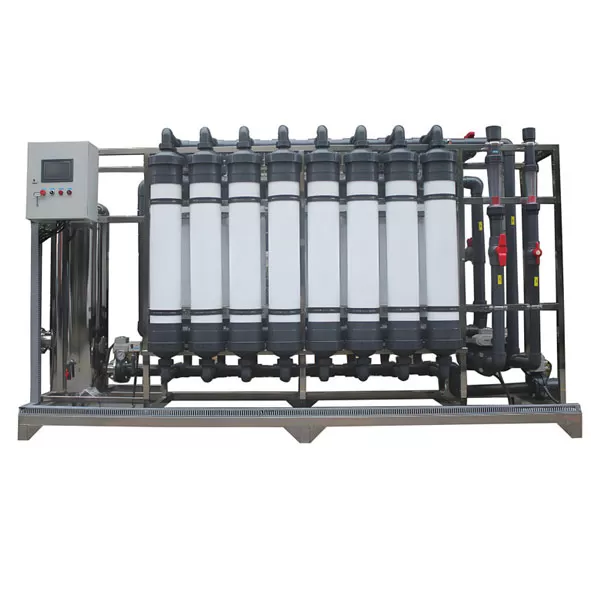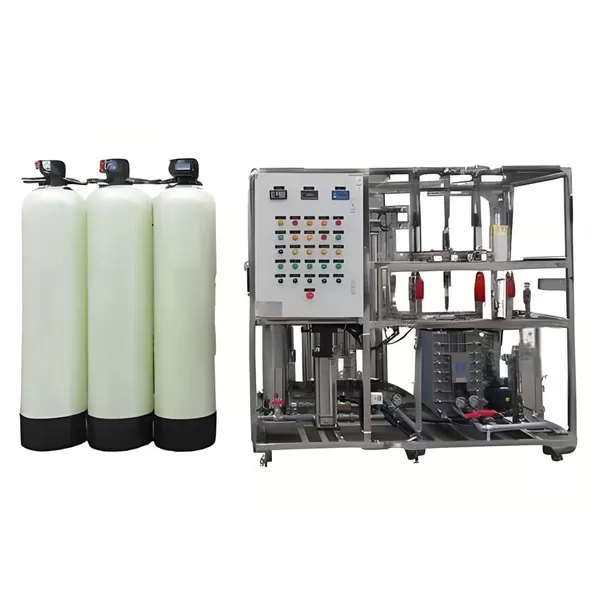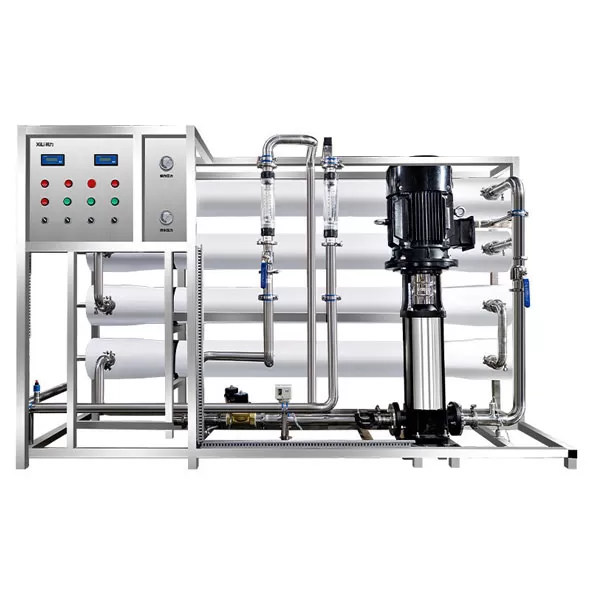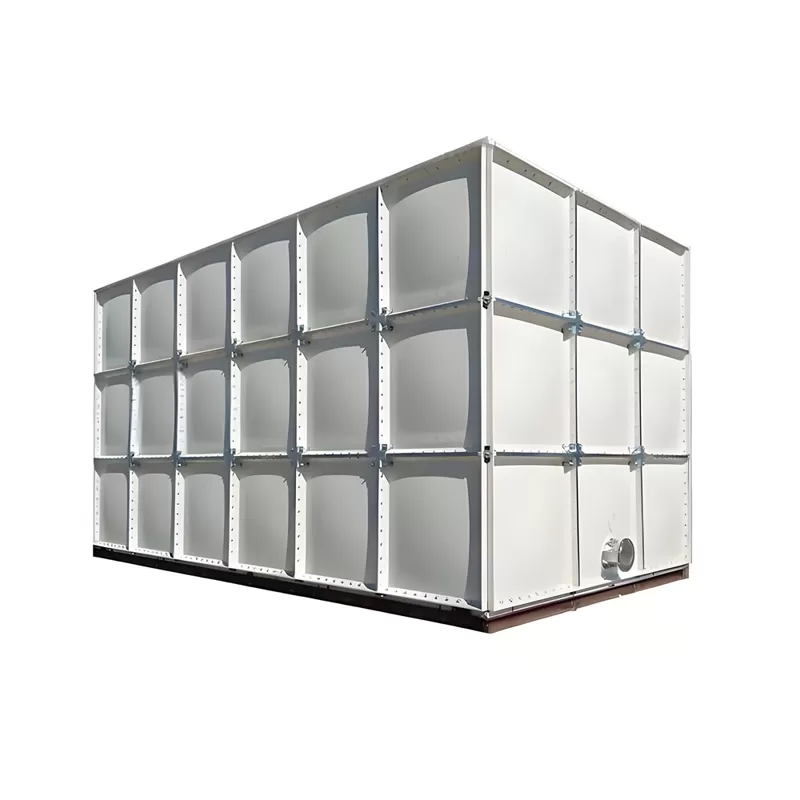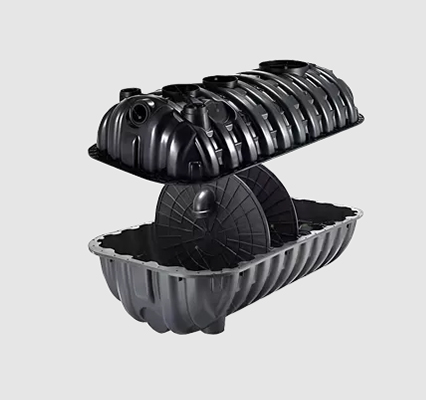

Hospital Wastewater Treatment Equipment refers to specialized systems and devices designed to treat wastewater generated by hospitals, clinics, laboratories, and other healthcare facilities before it is discharged into municipal sewage systems or the environment.
This equipment removes or neutralizes harmful substances found in hospital wastewater, which may include:
Pathogens (bacteria, viruses, fungi, parasites) from patient care and laboratories.
Pharmaceutical residues (antibiotics, hormones, chemotherapy drugs).
Chemical contaminants (disinfectants, solvents, reagents).
Radioactive isotopes (from diagnostic or therapeutic procedures).
Typical hospital wastewater treatment equipment may include:
1. Pre-treatment units – screens, grit chambers, oil separators to remove large solids and fats.
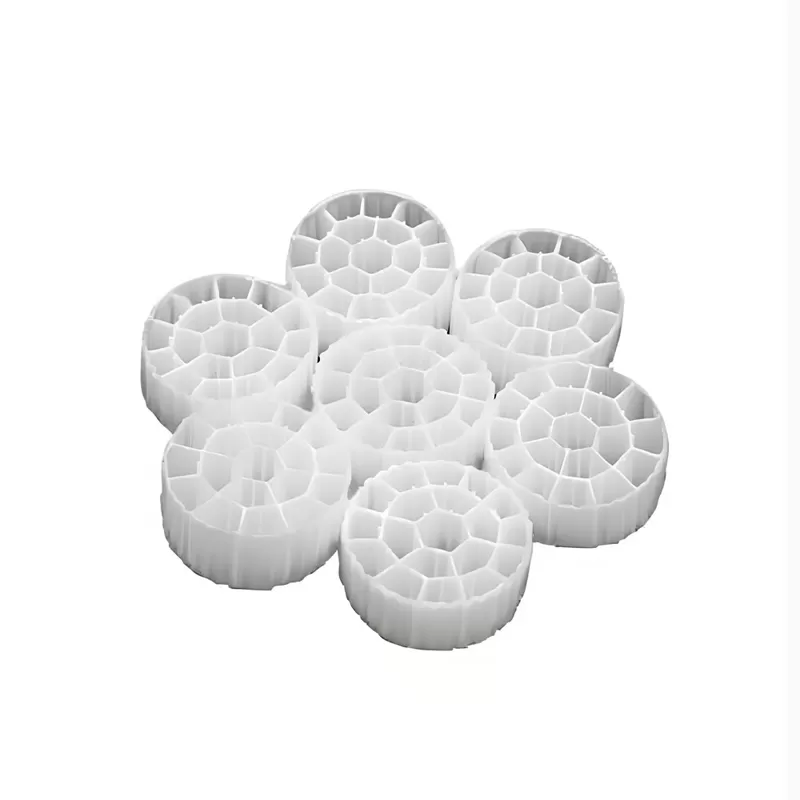
2. Biological treatment systems – such as activated sludge tanks, MBR (Membrane Bioreactor), or biofilm reactors to break down organic matter.
3. Chemical treatment systems – such as chlorination, ozonation, or advanced oxidation processes to disinfect and degrade complex pollutants.
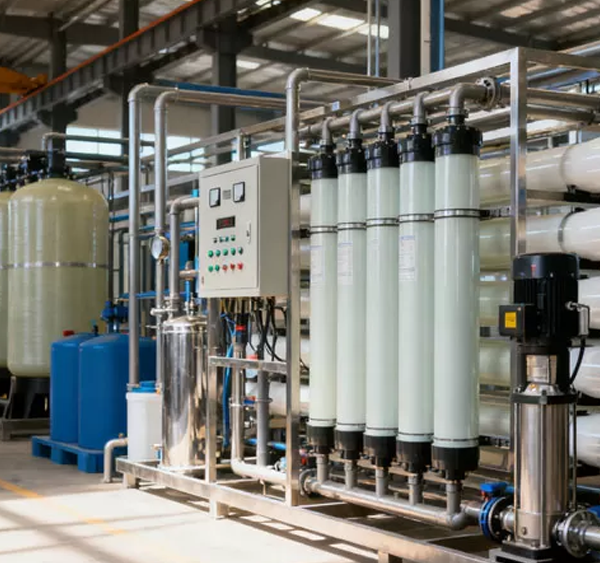
4. Filtration and membrane systems – ultrafiltration, nanofiltration, or reverse osmosis to remove fine particles and dissolved contaminants.
5. Sludge treatment units – to safely handle and dispose of solid waste.
The goal of hospital wastewater treatment equipment is to protect public health, prevent the spread of infectious diseases, and reduce environmental pollution by ensuring wastewater meets regulatory discharge standards.