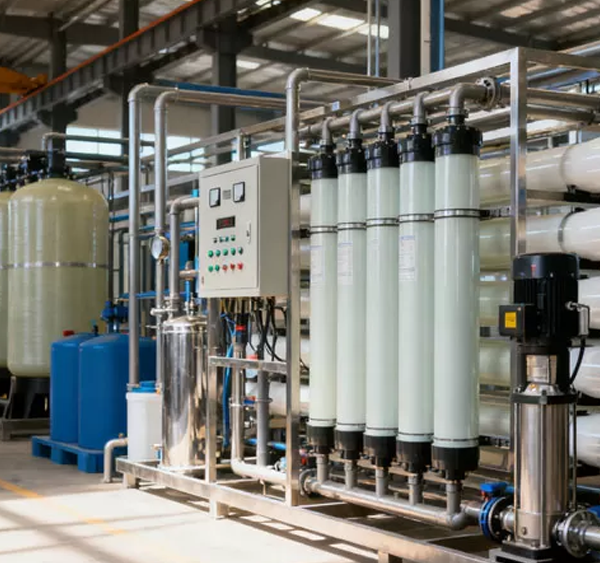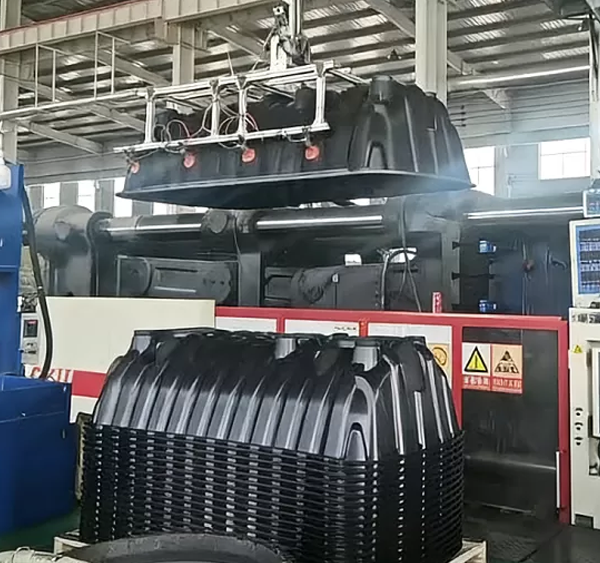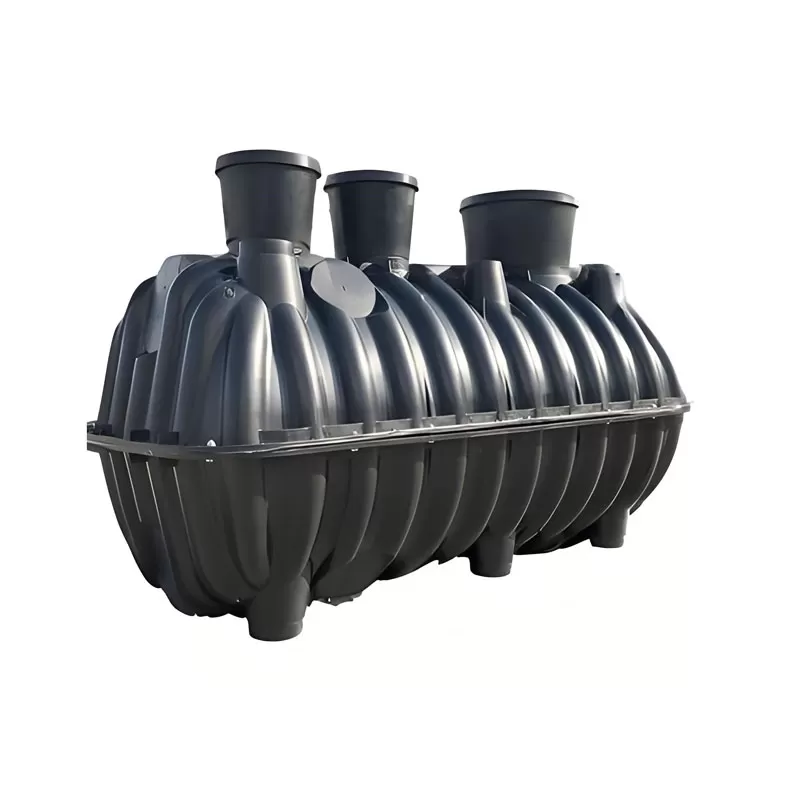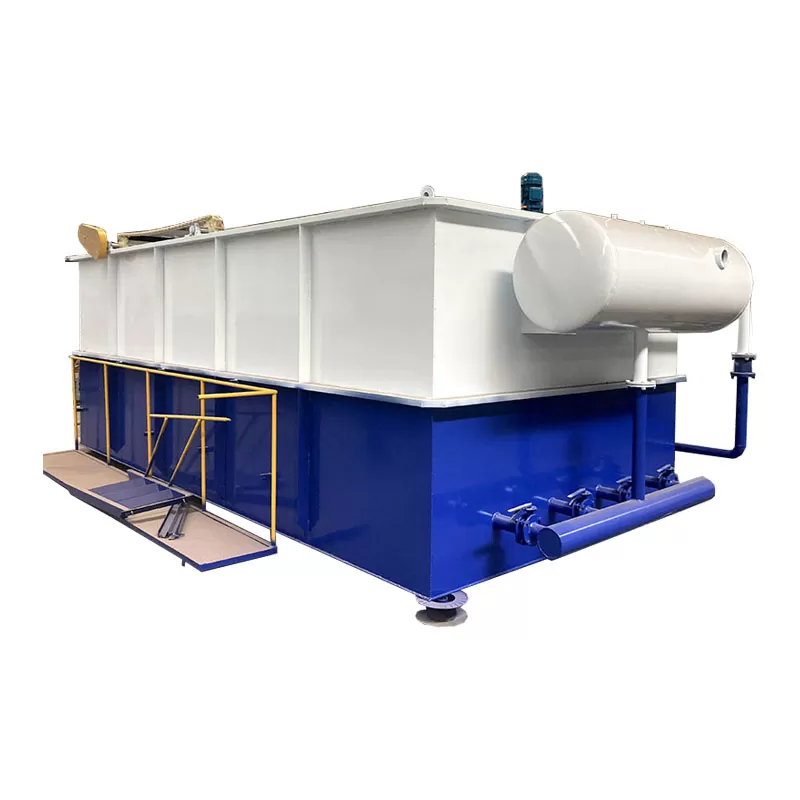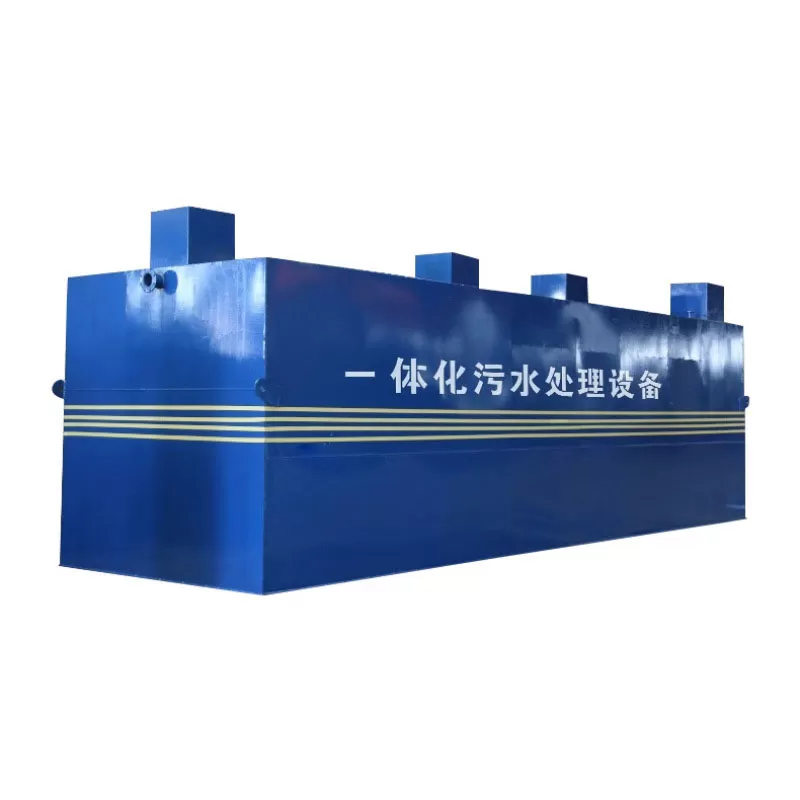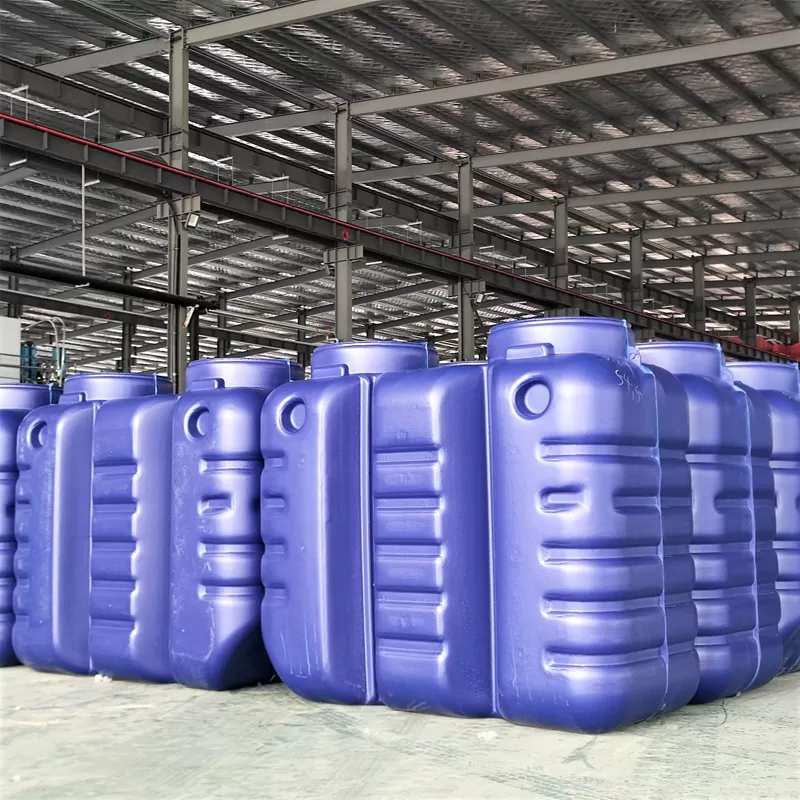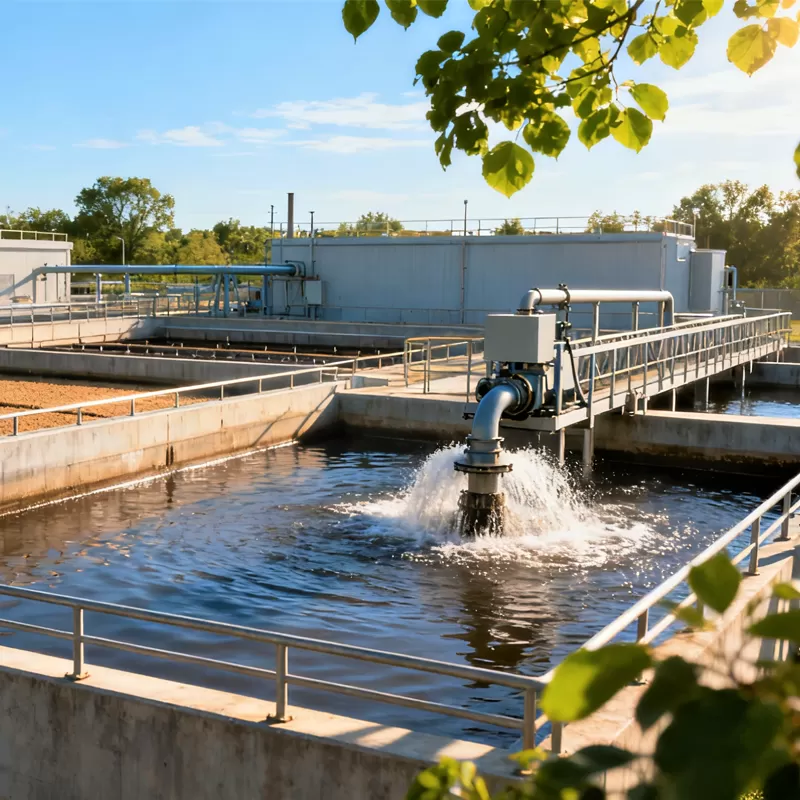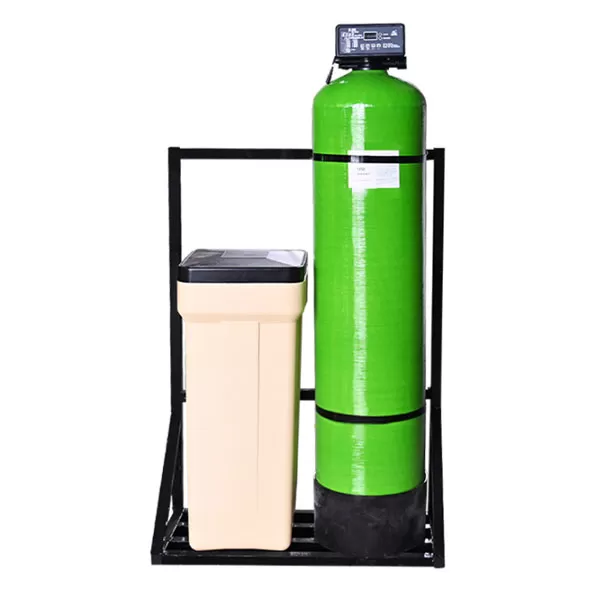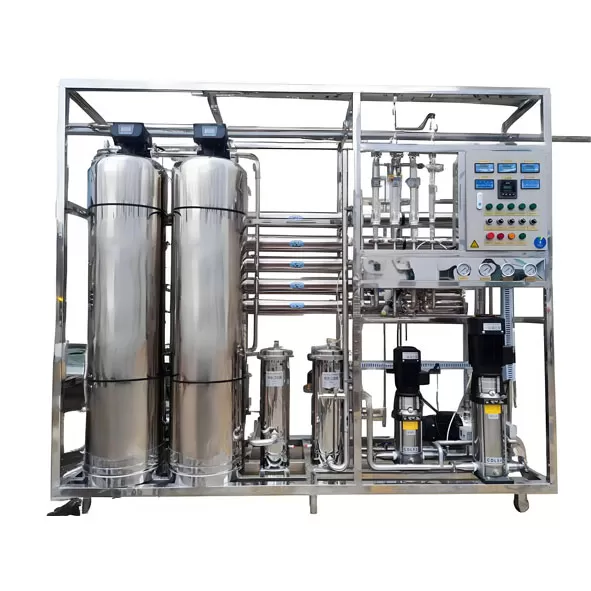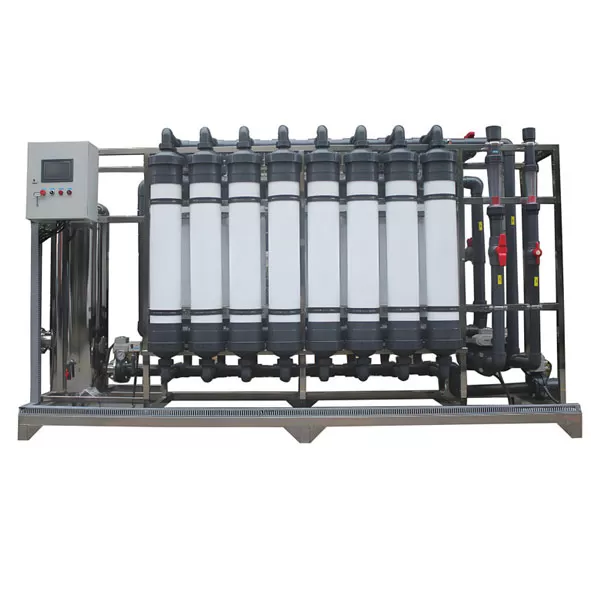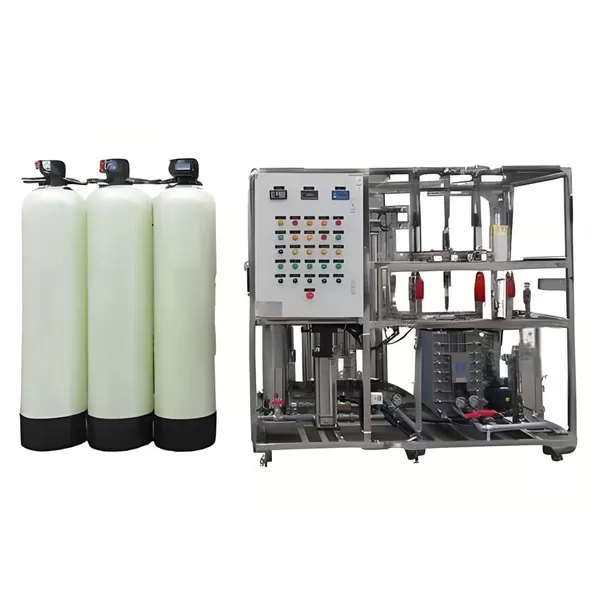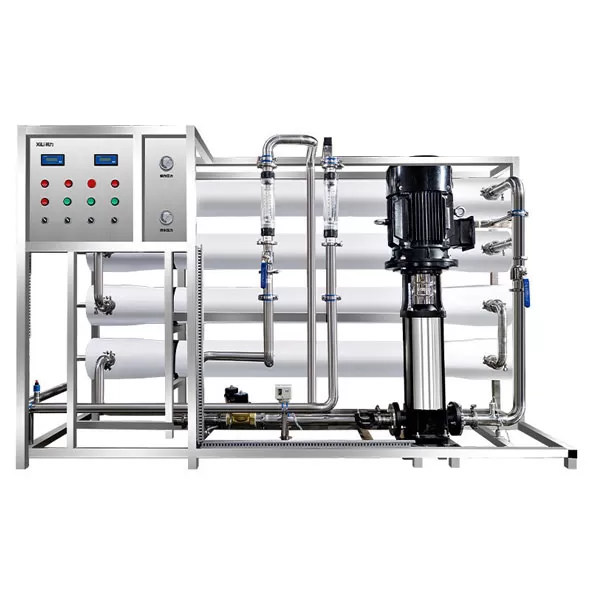
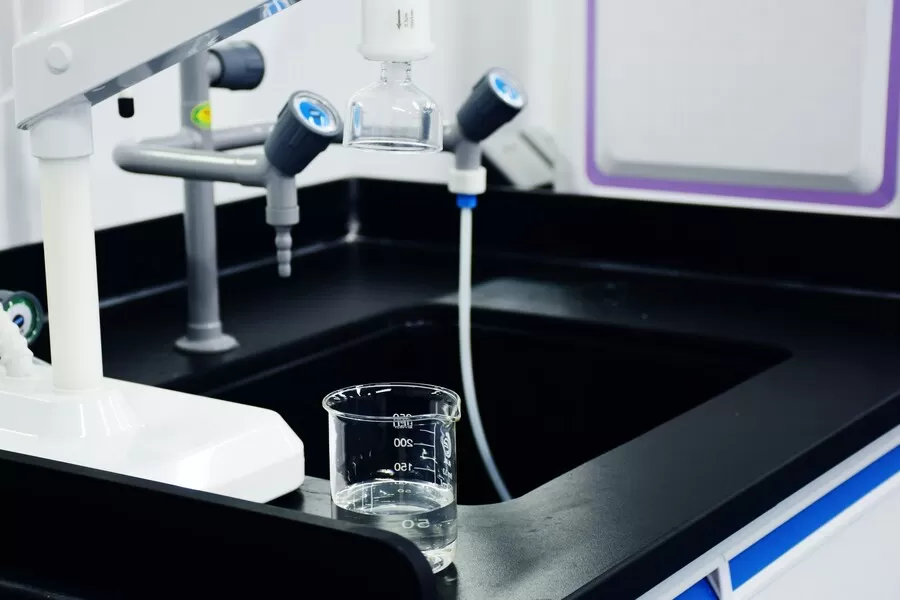
Laboratory Wastewater Treatment Equipment refers to specialized systems and devices designed to safely treat and dispose of wastewater generated from laboratory operations in research institutions, hospitals, universities, industrial facilities, and testing centers. Laboratory wastewater often contains hazardous or complex pollutants that require dedicated treatment processes before discharge.
Chemical wastewater from experiments (acids, alkalis, solvents).
Biological wastewater containing pathogens, microorganisms, or biological residues.
Heavy metal wastewater from analytical testing (mercury, lead, chromium, etc.).
Organic wastewater from reactions and sample preparations.
Cleaning wastewater from glassware washing, equipment rinsing, and disinfection.
Neutralize pH to a safe range for discharge.
Remove toxic chemicals and heavy metals.
Destroy or deactivate pathogenic microorganisms.
Reduce COD/BOD (chemical and biological oxygen demand).
Comply with environmental and safety regulations for hazardous waste discharge.
Pre-treatment: pH adjustment, coarse filtration.
Chemical treatment: coagulation, precipitation, oxidation (e.g., ozone, chlorine).
Biological treatment: aerobic or anaerobic systems for biodegradable organics.
Disinfection: UV irradiation, heat sterilization, or chemical disinfection.
Advanced treatment: activated carbon adsorption, membrane filtration (UF/RO) for final polishing.
Resistant to corrosion from acids, alkalis, and solvents (often stainless steel or reinforced plastic).
Modular design for different scales of laboratory operations.
Automatic monitoring and control of pH, temperature, and flow rate.
Integrated safety features for handling hazardous and infectious wastewater.
Compact footprint for easy installation in confined laboratory spaces.