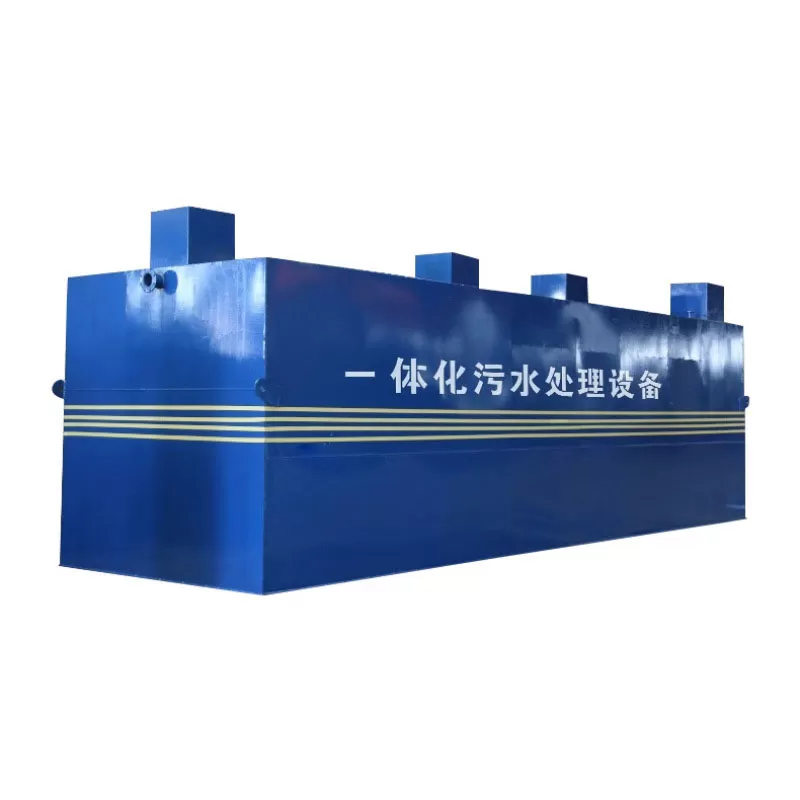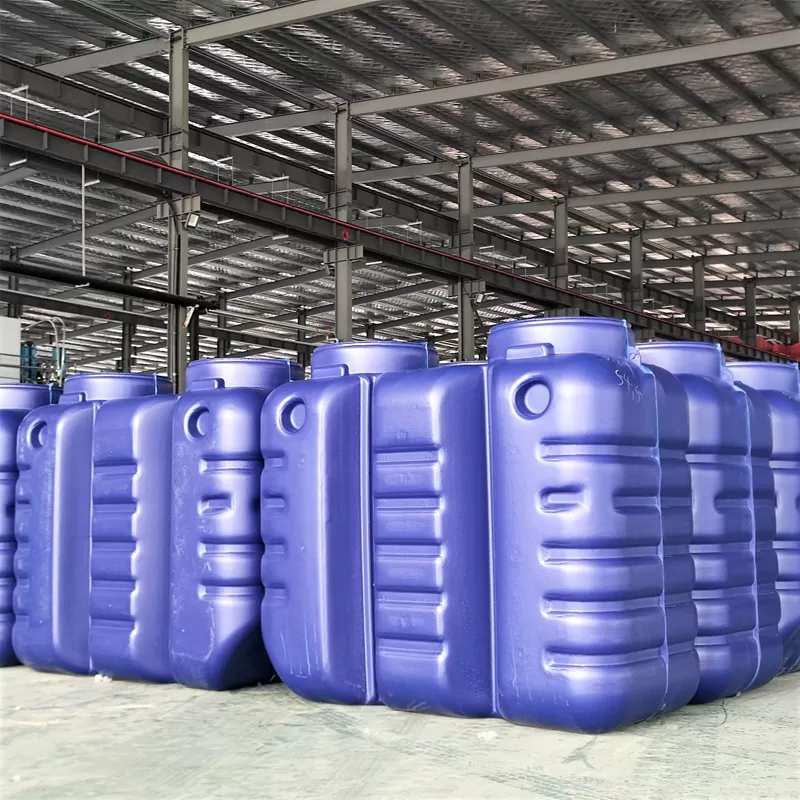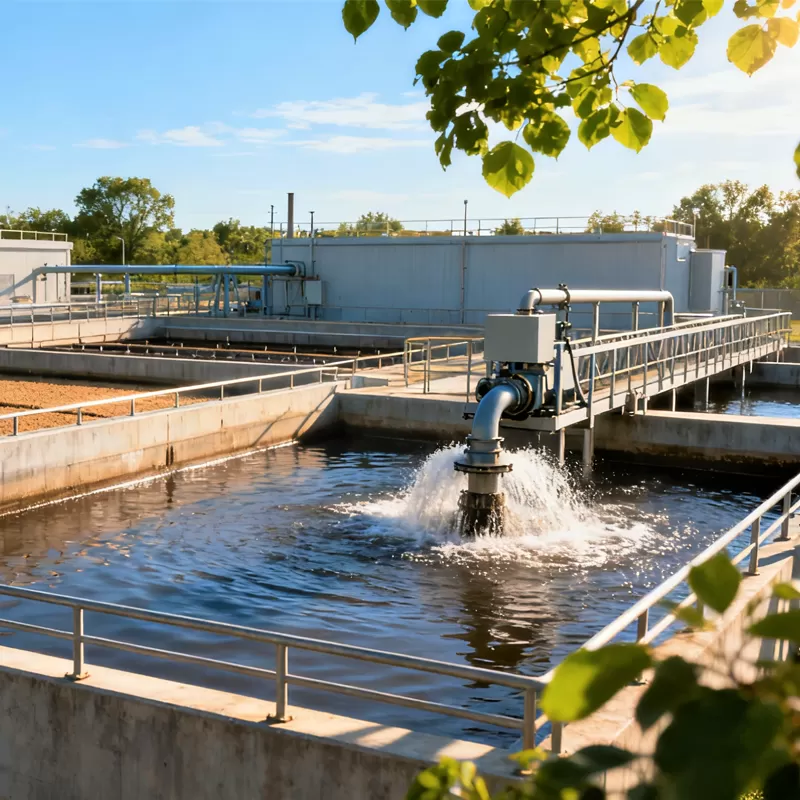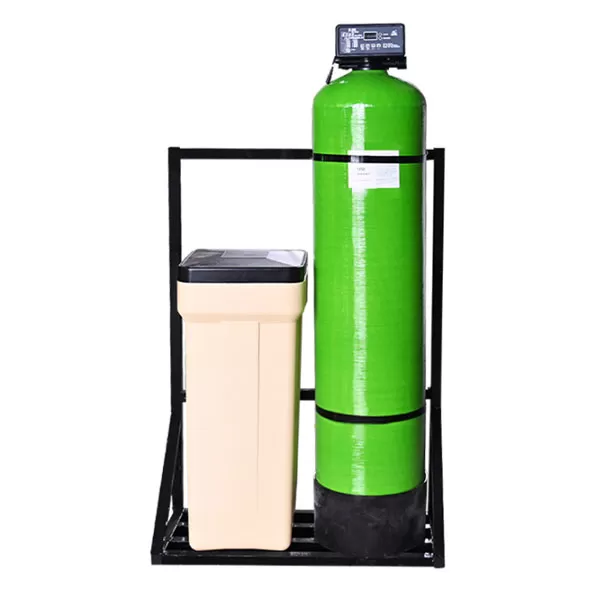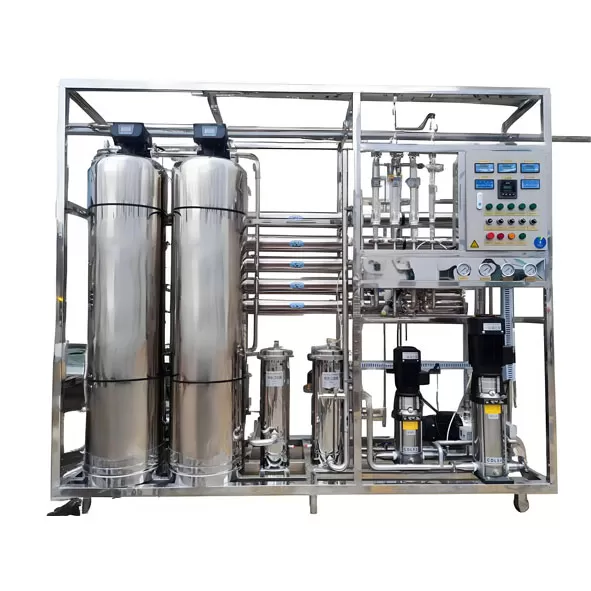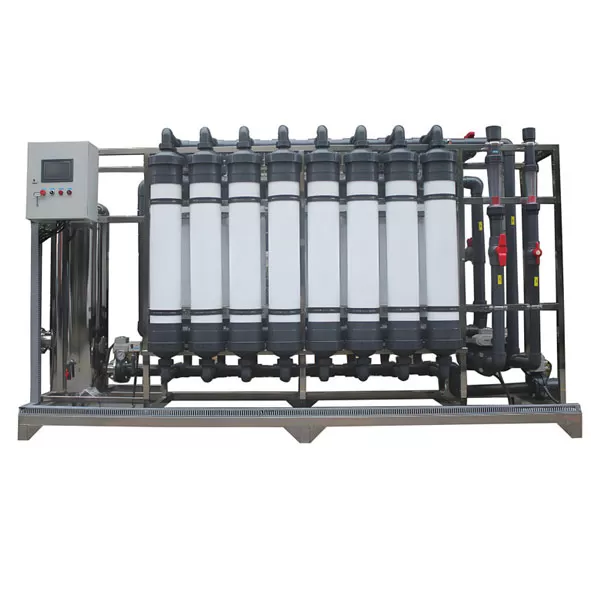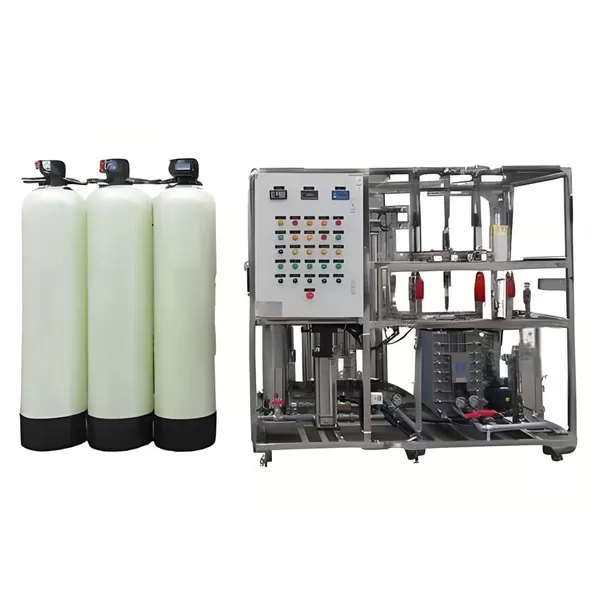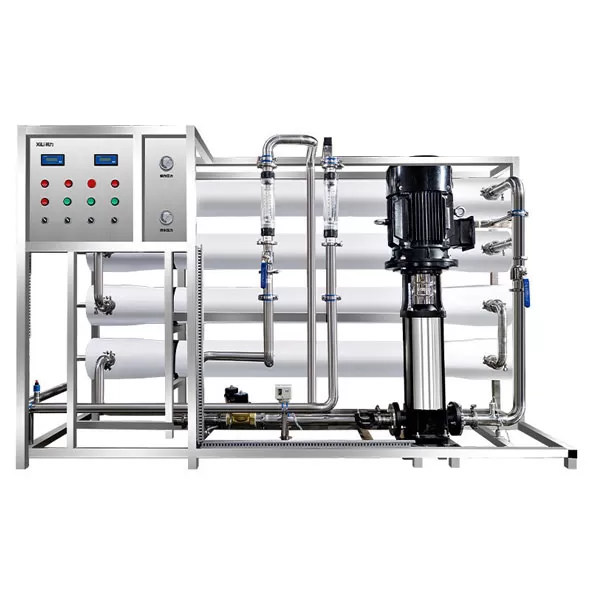
Mining Wastewater Treatment Equipment refers to specialized systems designed to treat and manage wastewater generated during mining operations, including mineral extraction, ore processing, and mine drainage. Mining wastewater often contains high levels of suspended solids, heavy metals, acids, and other harmful substances, making it essential to treat before discharge or reuse.
Mine drainage (acid mine drainage, alkaline mine drainage) from underground or open-pit mines.
Ore processing wastewater from flotation, leaching, and beneficiation processes.
Dust suppression runoff containing sediment and chemicals.
Equipment cleaning wastewater containing oil, grease, and solids.
Tailings water from tailings ponds and slurry systems.
Remove suspended solids and sediment.
Neutralize acidity or alkalinity to safe levels.
Remove heavy metals such as lead, arsenic, mercury, and cadmium.
Reduce sulfates and other dissolved salts.
Meet environmental discharge standards or enable water reuse.
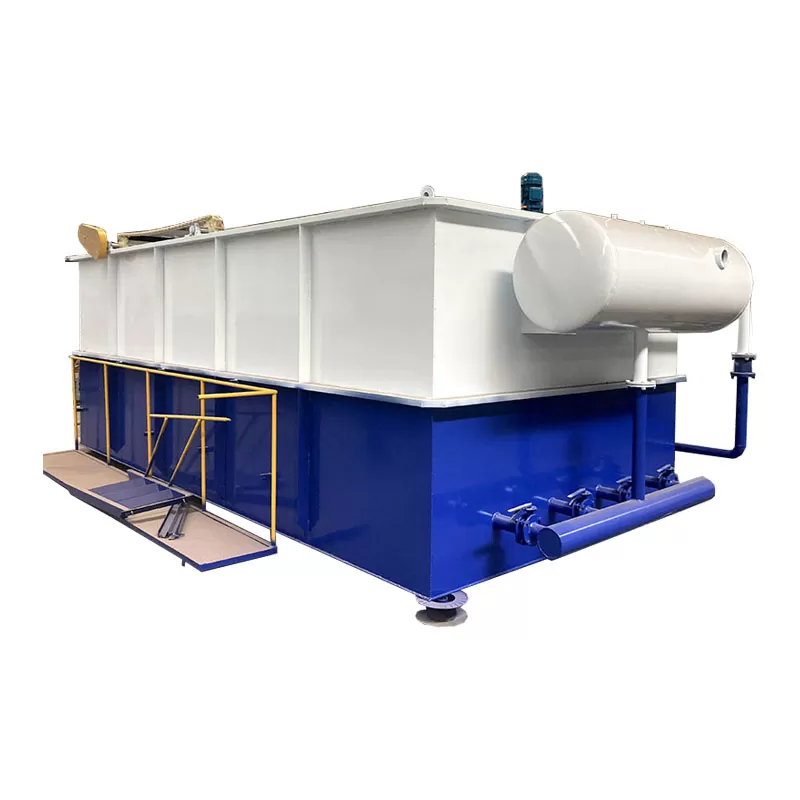
Sedimentation and clarification to remove large particles.
Coagulation and flocculation for fine particle removal.
Chemical precipitation for heavy metal removal.
Neutralization of acidic or alkaline water.
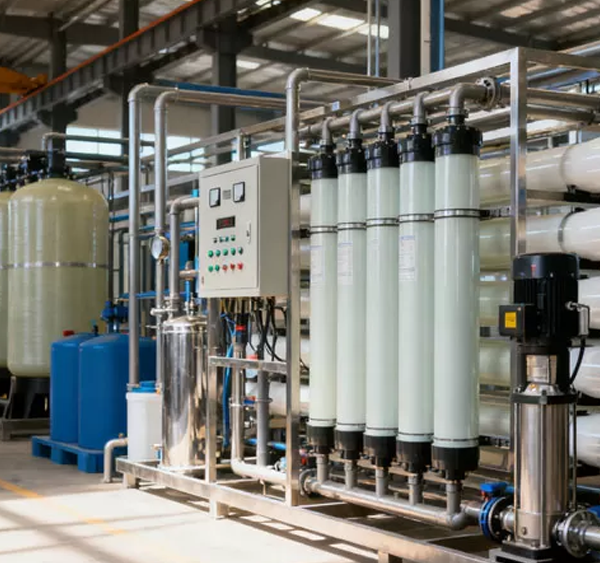
Filtration systems (sand filters, multimedia filters) for polishing.
Membrane filtration (UF/RO) for advanced treatment and reuse.
Sludge dewatering to handle solid waste generated during treatment.
Heavy-duty design for harsh mining environments.
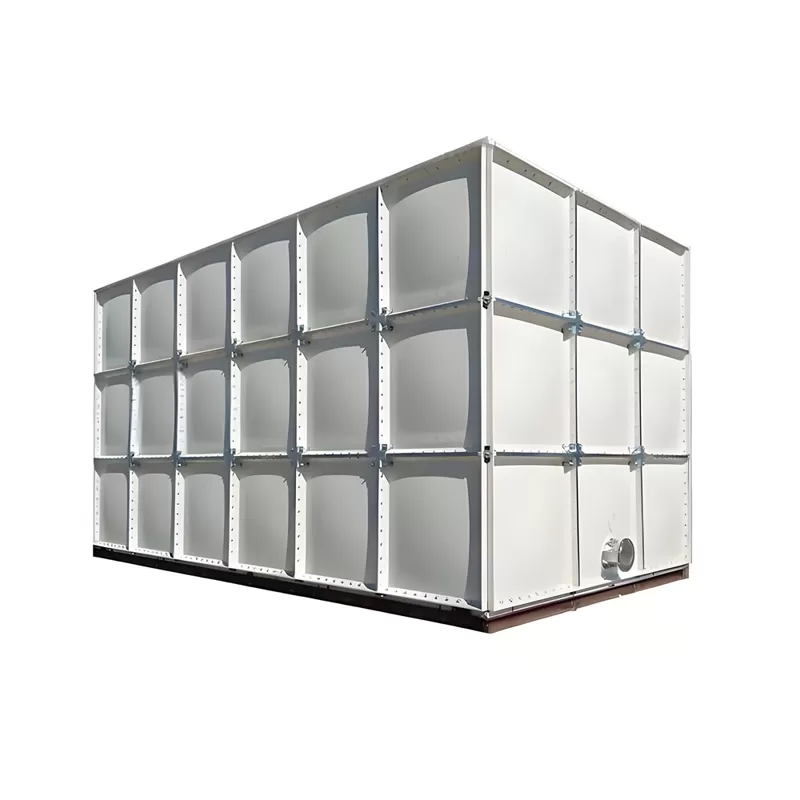
Corrosion-resistant materials (stainless steel, FRP, lined carbon steel).
Capability to handle high solids content.
Modular or containerized systems for on-site deployment.
Automated monitoring of pH, turbidity, metal concentrations.