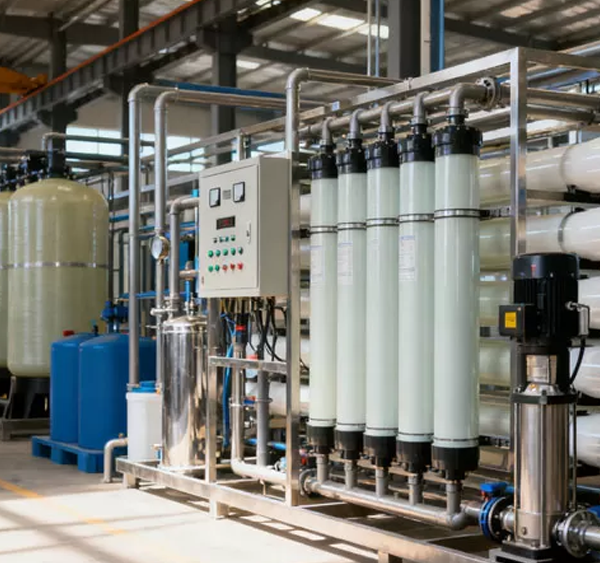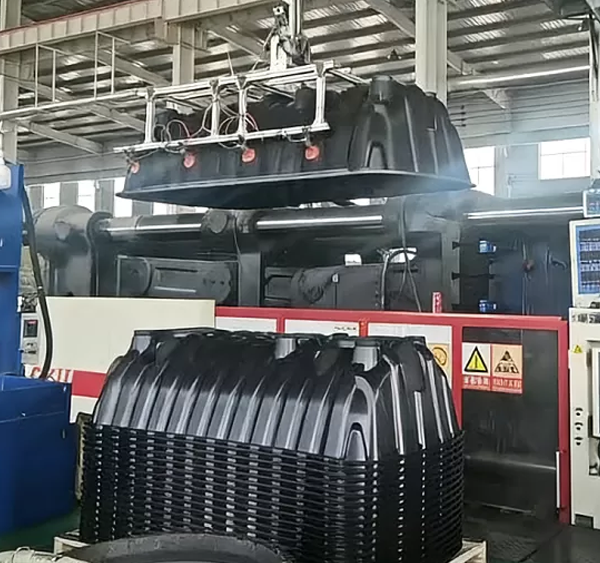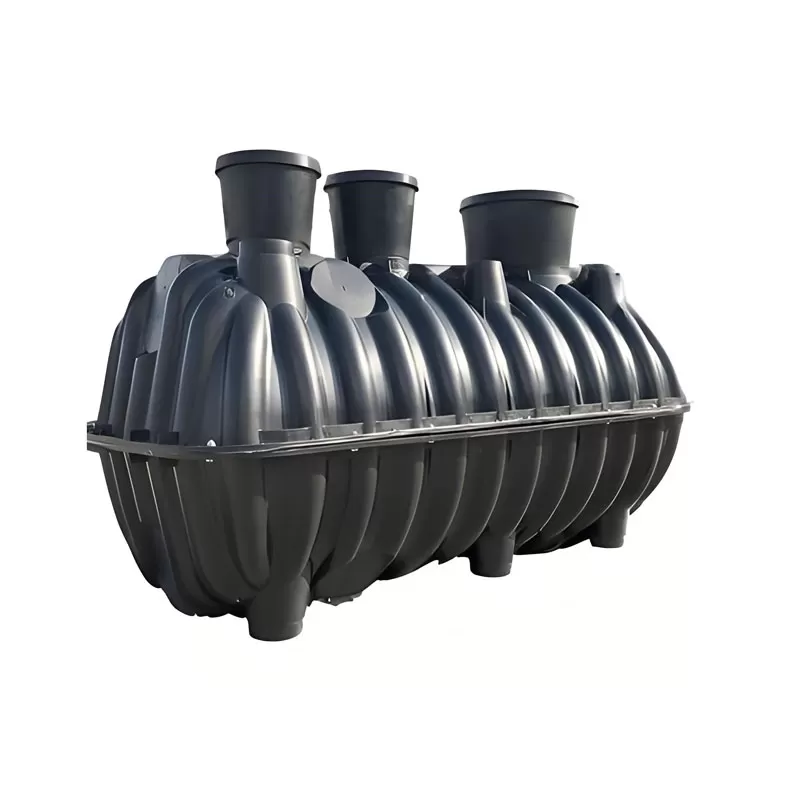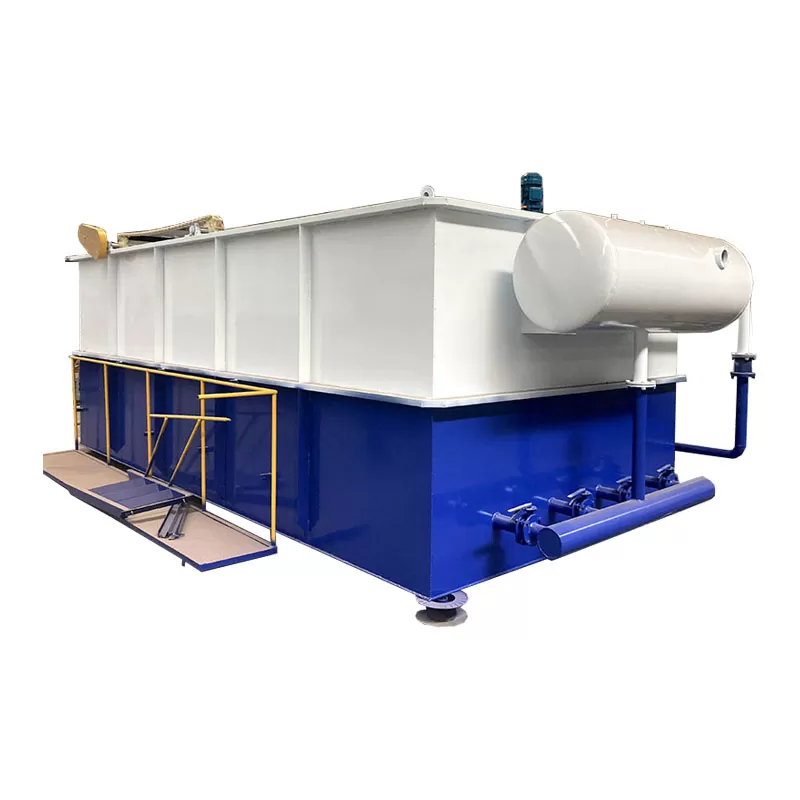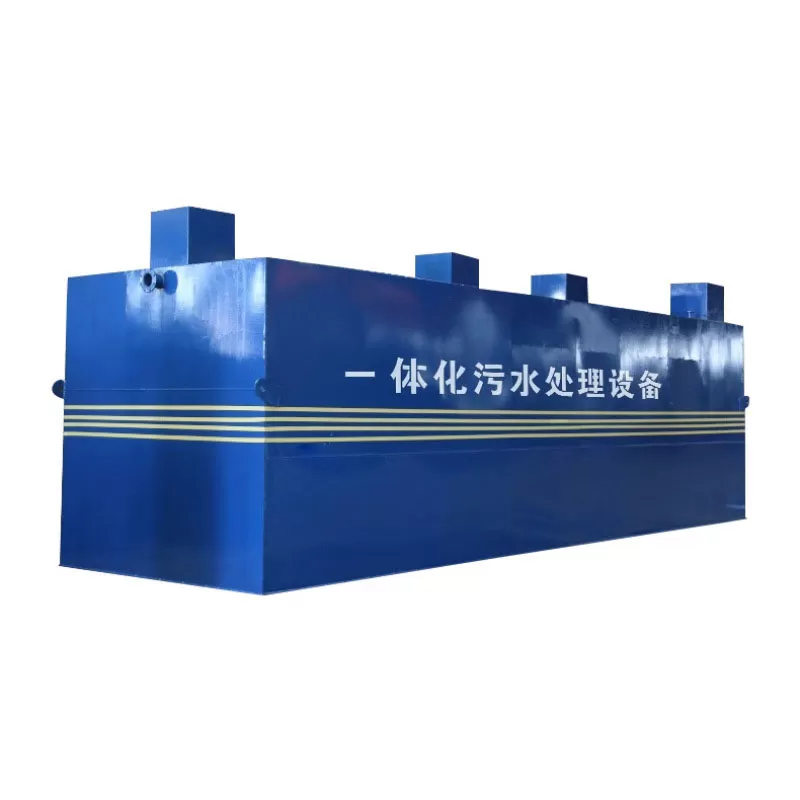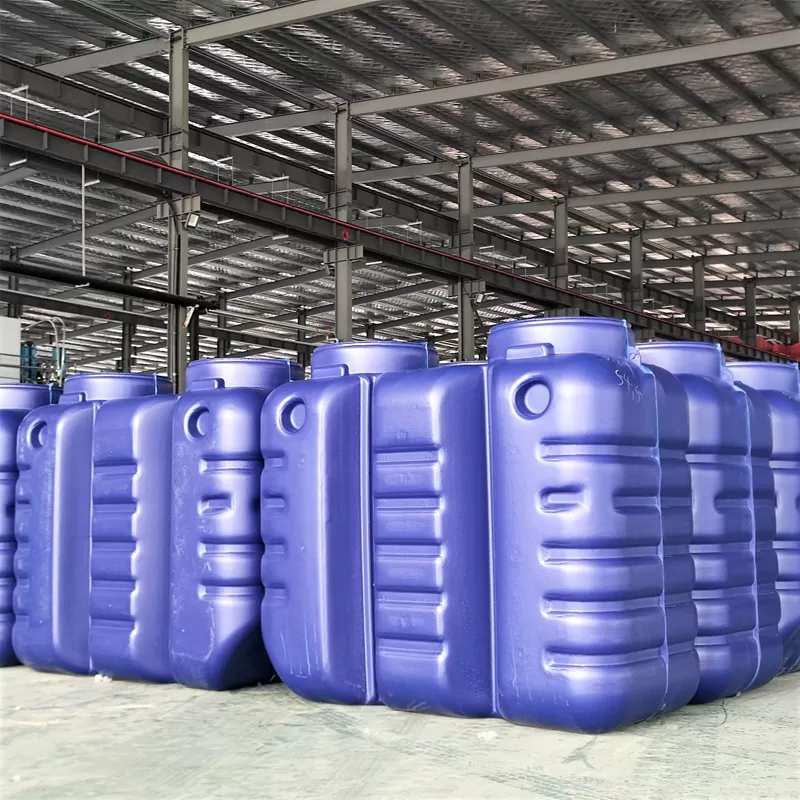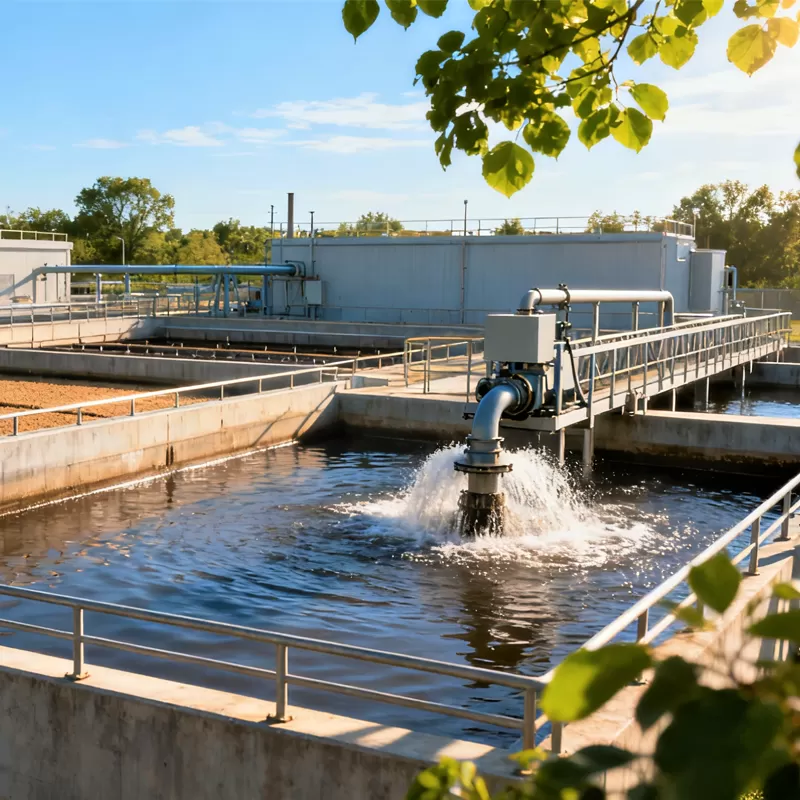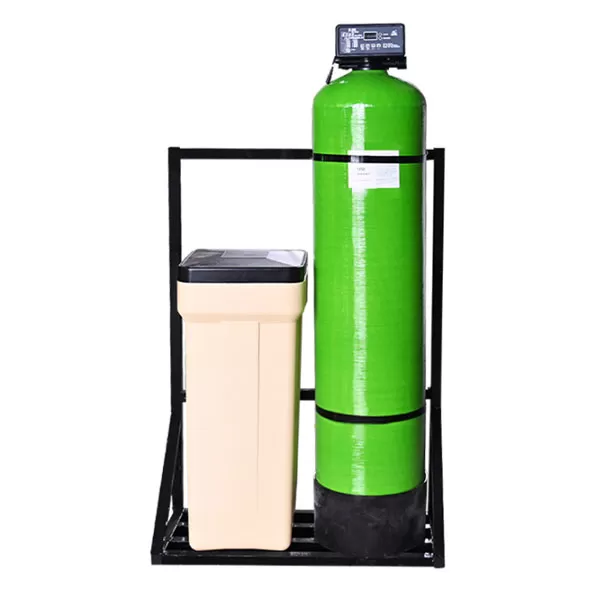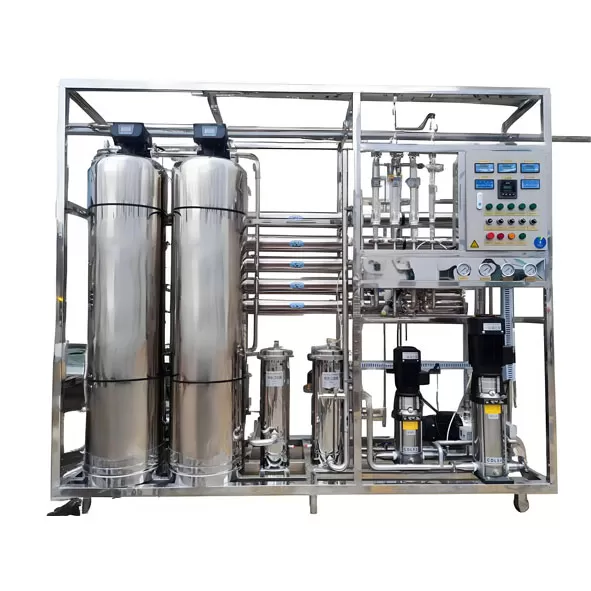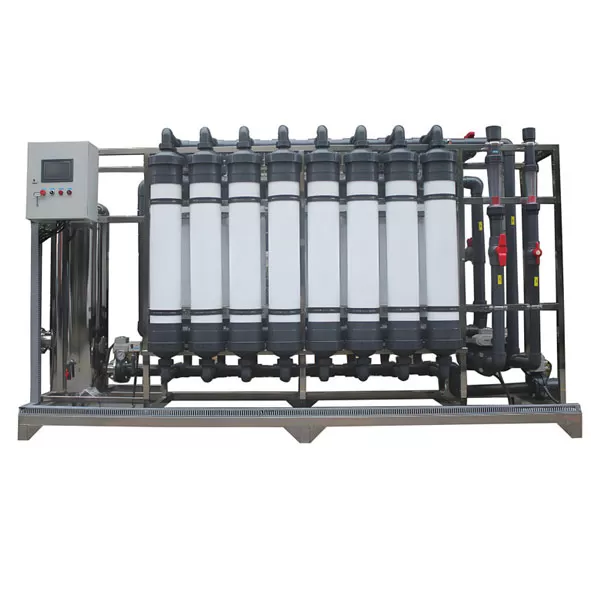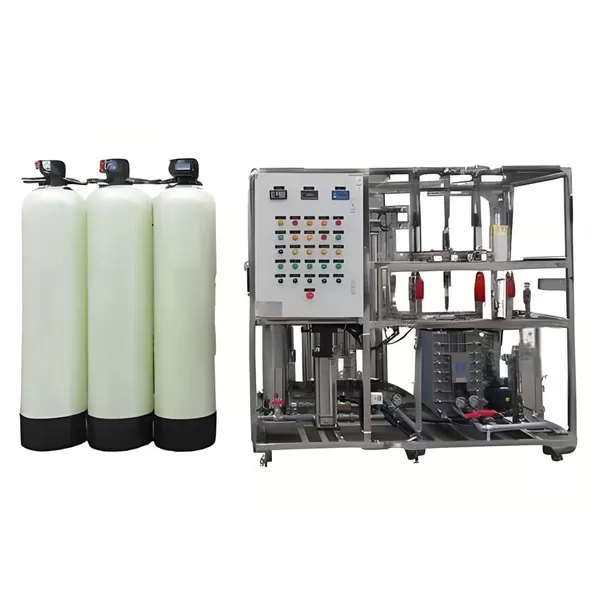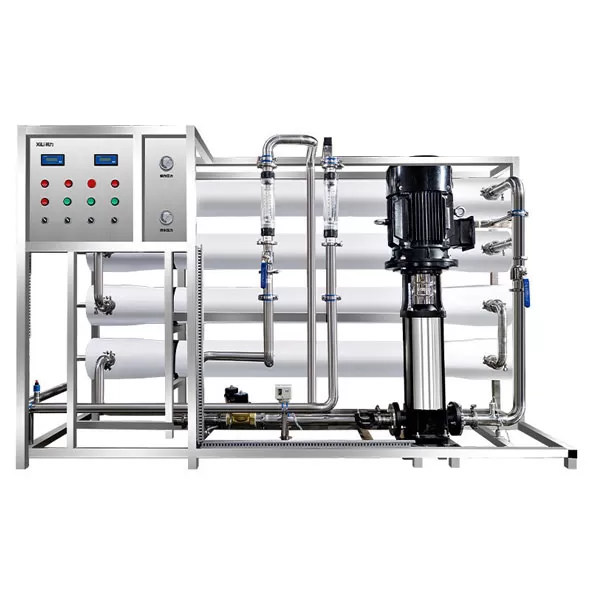
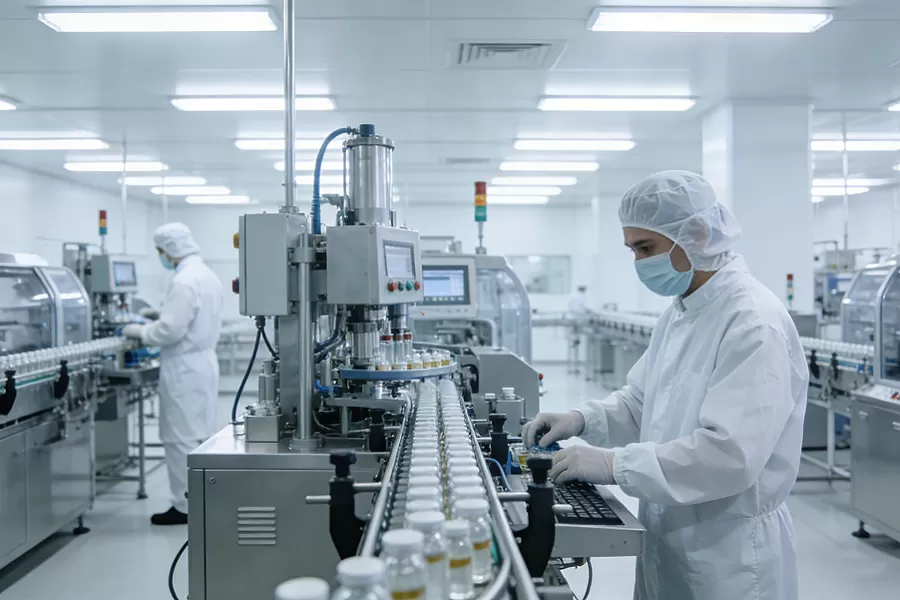
Pharmaceutical Wastewater Treatment Equipment refers to specialized treatment systems designed to remove or neutralize contaminants found in wastewater generated from pharmaceutical manufacturing, formulation, and research activities. Such wastewater can contain a complex mixture of active pharmaceutical ingredients (APIs), chemical solvents, antibiotics, hormones, disinfectants, heavy metals, and laboratory reagents, which may pose environmental and public health risks if discharged untreated.
Drug synthesis processes (organic solvents, reaction by-products).
Formulation and mixing (API residues, excipients).
Equipment and facility cleaning (detergents, disinfectants, sanitizers).
Quality control laboratories (chemical analysis residues).
Fermentation processes (antibiotics, enzymes, biomaterials).
Remove toxic organic and inorganic compounds.
Eliminate residual drugs and APIs to prevent antimicrobial resistance and ecological harm.
Reduce Biochemical Oxygen Demand (BOD) and Chemical Oxygen Demand (COD).
Neutralize pH from acidic or alkaline waste streams.
Destroy pathogens present in biological pharmaceutical processes.
Comply with strict discharge regulations or prepare water for reuse.
Pre-treatment & screening to remove solids and debris.
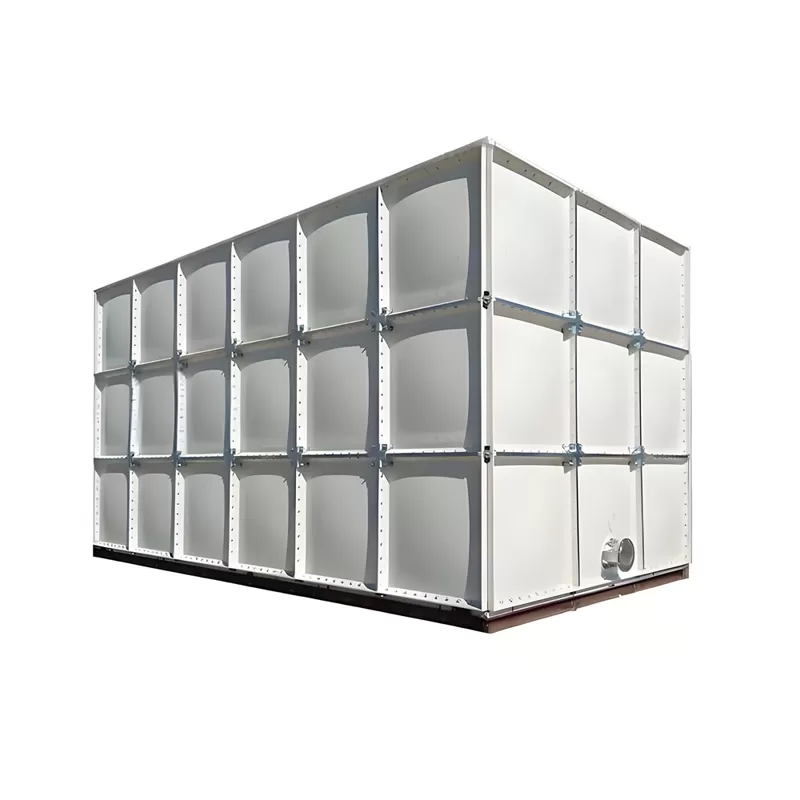
Equalization tanks to stabilize flow and pollutant load.
Advanced oxidation processes (AOPs) (ozonation, Fenton, photocatalysis) for persistent compounds.
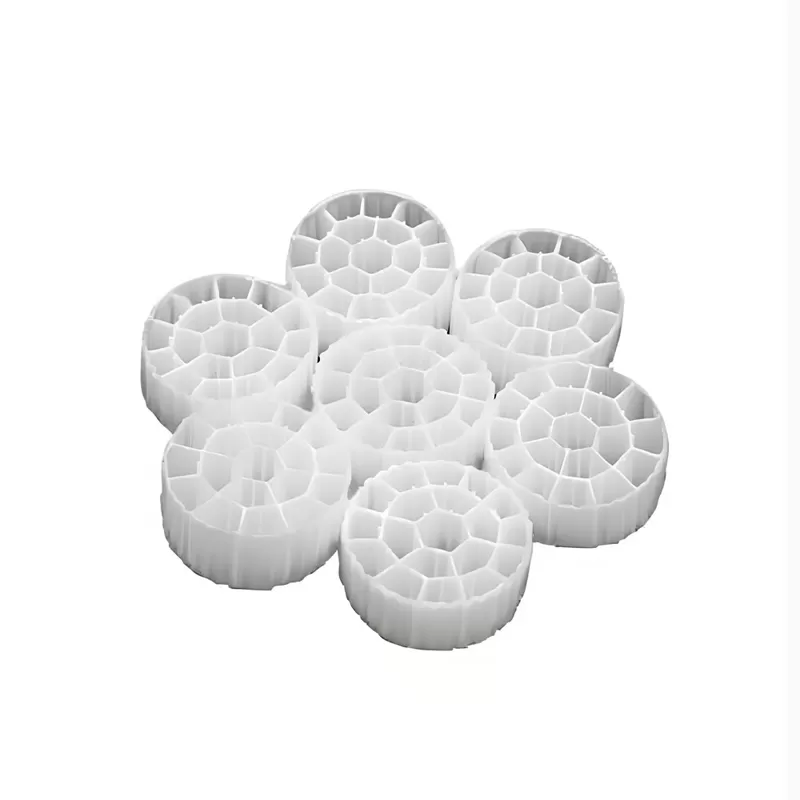
Biological treatment (MBR, MBBR, activated sludge) for organic degradation.
Adsorption (activated carbon) for trace pharmaceuticals.
Membrane filtration (UF, NF, RO) for high-purity effluent.
Disinfection (UV, ozone) for pathogen removal.
Corrosion-resistant materials suitable for chemical-rich wastewater.
High efficiency in removing micro-pollutants and trace pharmaceuticals.
Modular design for customization and capacity expansion.
Automation and monitoring systems for precise operation control.
Optional sludge dewatering and hazardous waste handling systems.