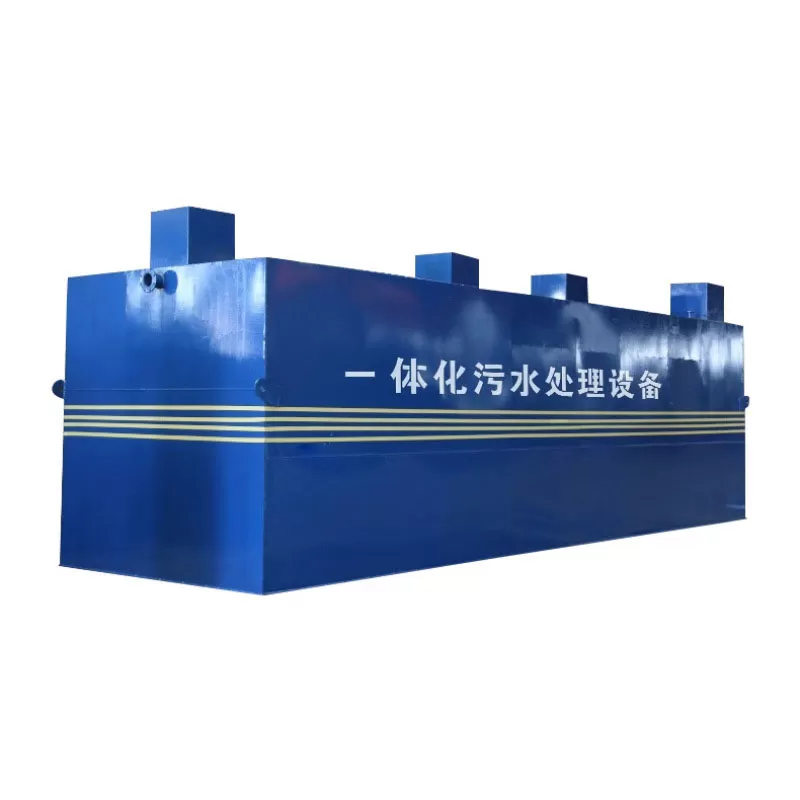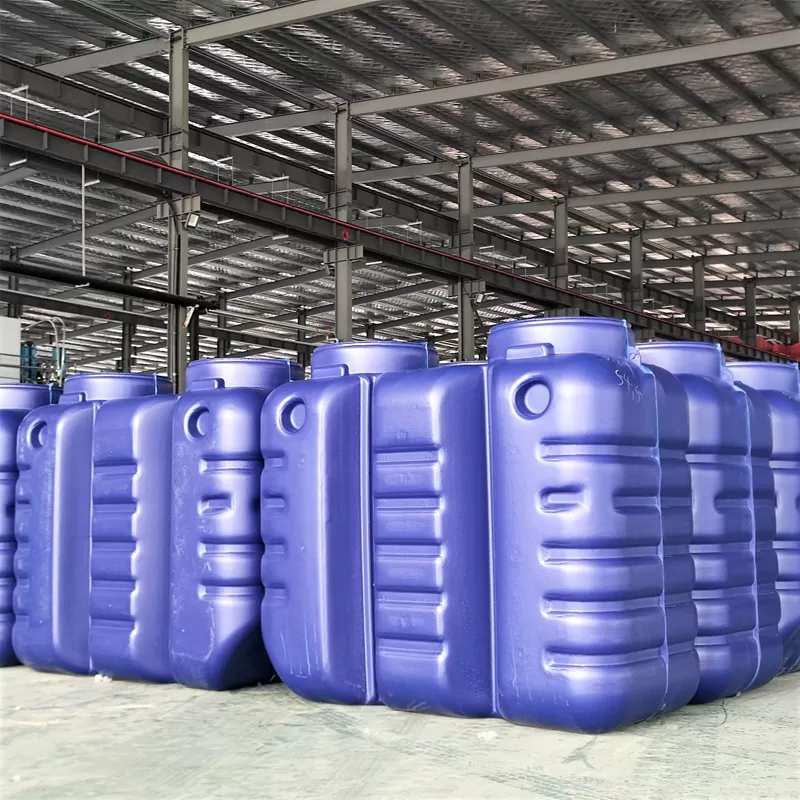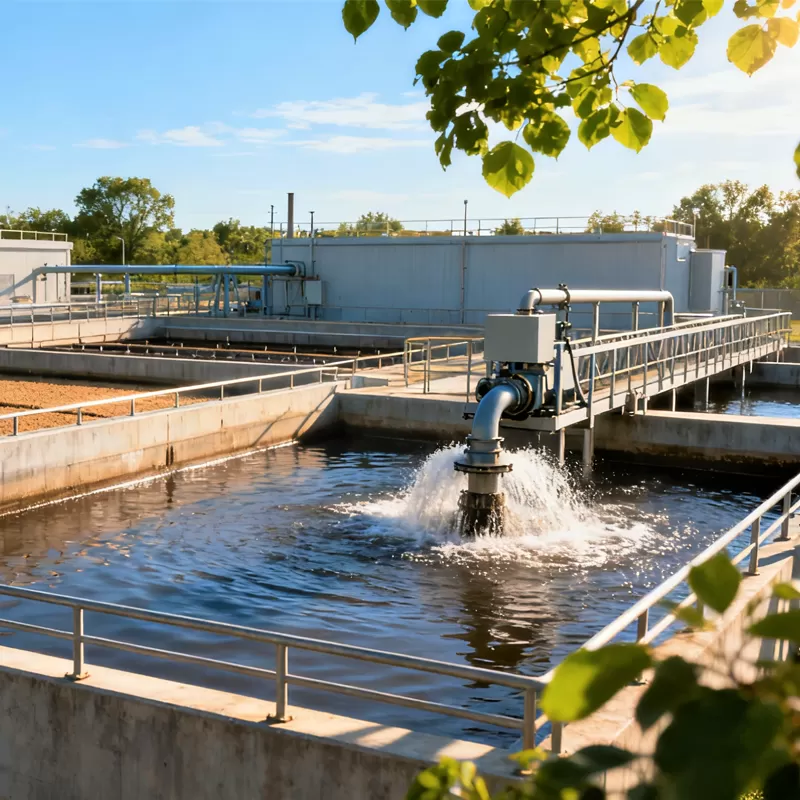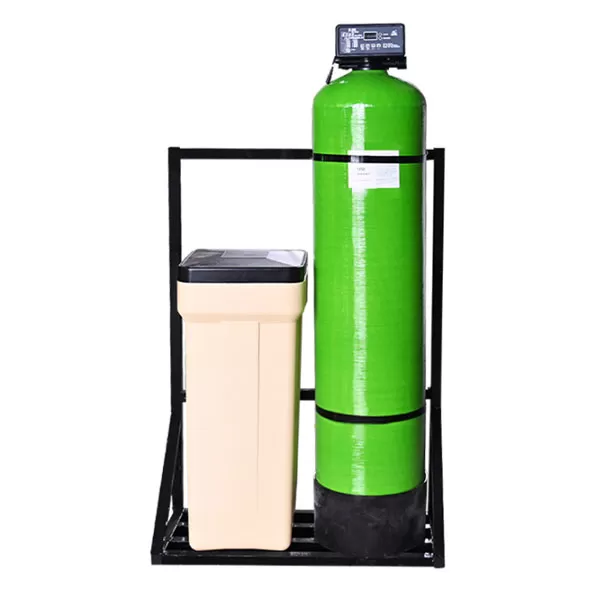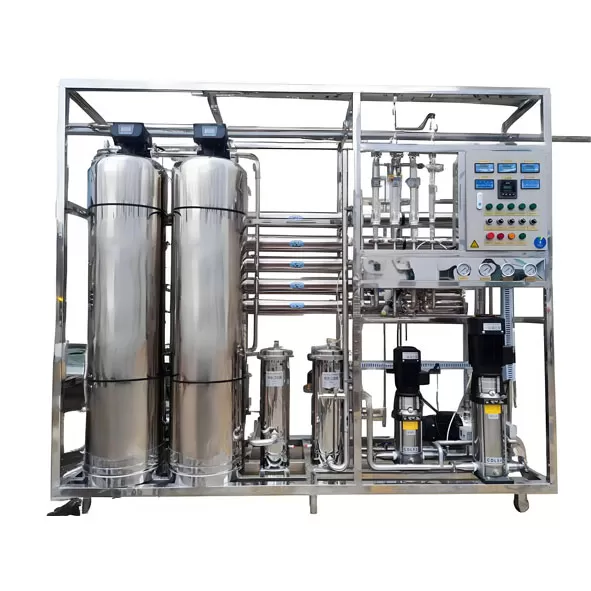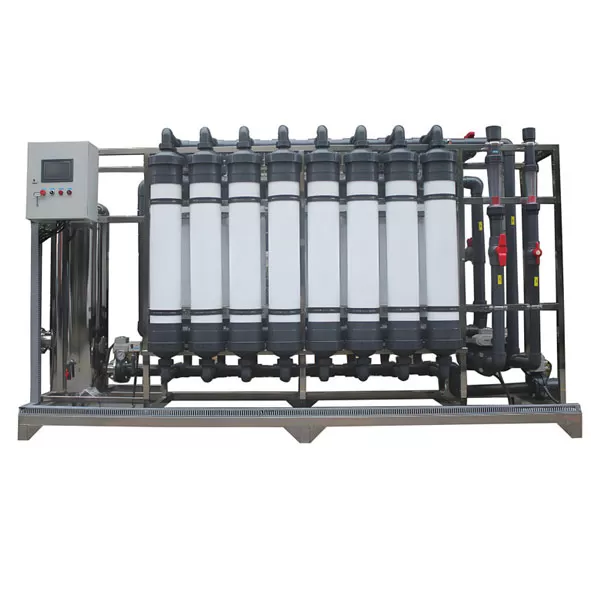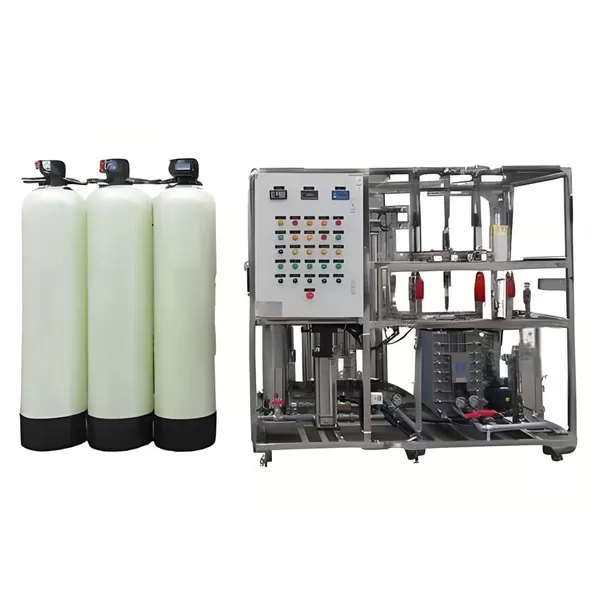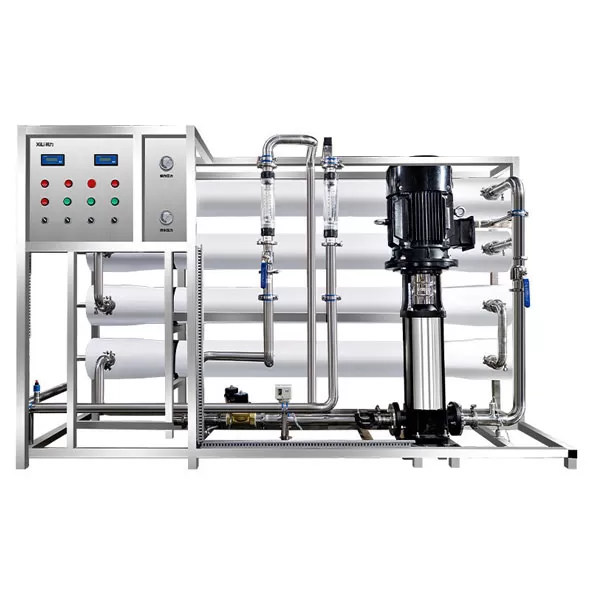
Pickling Processing Wastewater Treatment Equipment refers to specialized systems designed to treat wastewater generated during metal pickling processes—where acids are used to remove rust, scale, and oxide layers from metal surfaces—before the water is discharged or reused.
Pickling wastewater is highly corrosive and typically contains:
Strong acids (such as hydrochloric acid, sulfuric acid, nitric acid).
Dissolved metals (iron, zinc, chromium, nickel, etc.).
Suspended solids (metal oxides, scale particles).
High total dissolved solids (TDS).
Chemical oxygen demand (COD) from auxiliary additives.
Common components of pickling processing wastewater treatment equipment include:
1. Acid neutralization systems – to adjust pH using alkaline agents (e.g., lime, sodium hydroxide).
2. Heavy metal removal units – chemical precipitation, coagulation-flocculation, or ion exchange to capture dissolved metals.
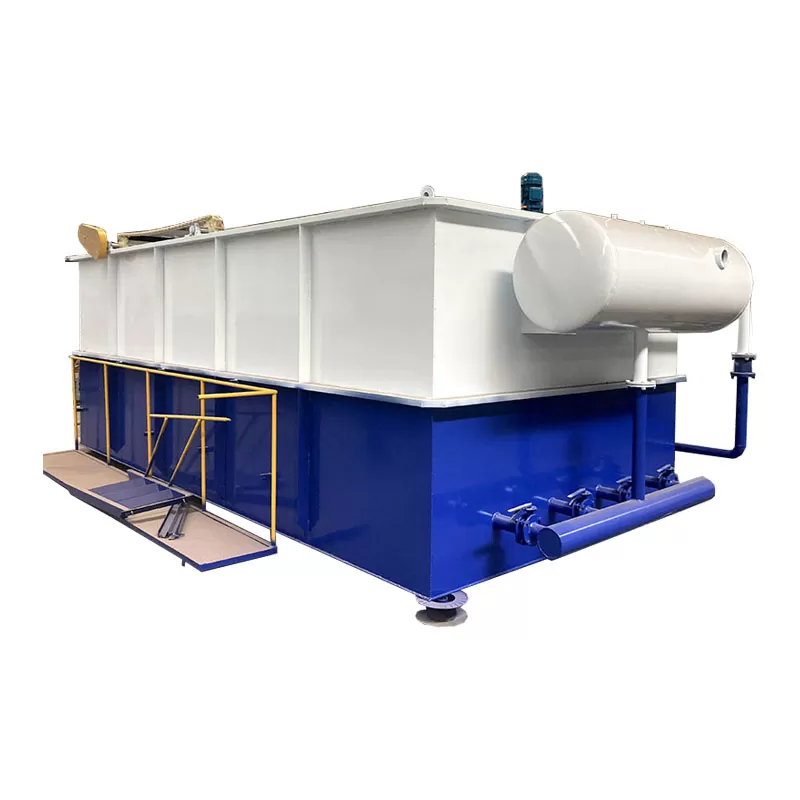
3. Solid-liquid separation systems – sedimentation tanks, filter presses, or centrifuges for sludge removal.
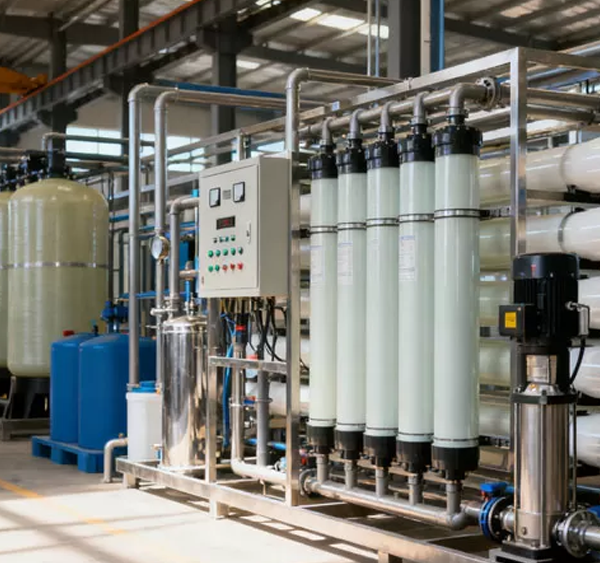
4. Advanced treatment systems – ultrafiltration (UF), nanofiltration (NF), or reverse osmosis (RO) for high-purity water recovery.
5. Sludge treatment units – to dewater and safely dispose of metal-rich sludge.
The primary goals are to eliminate toxic substances, reduce acidity, comply with strict industrial discharge standards, and enable water recycling in the pickling process.