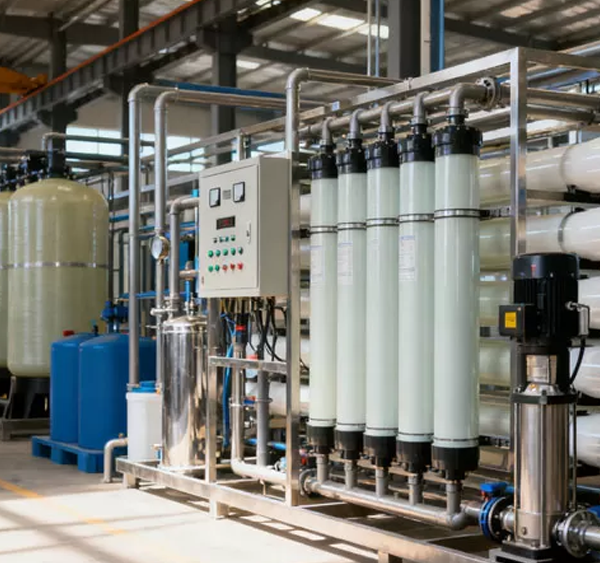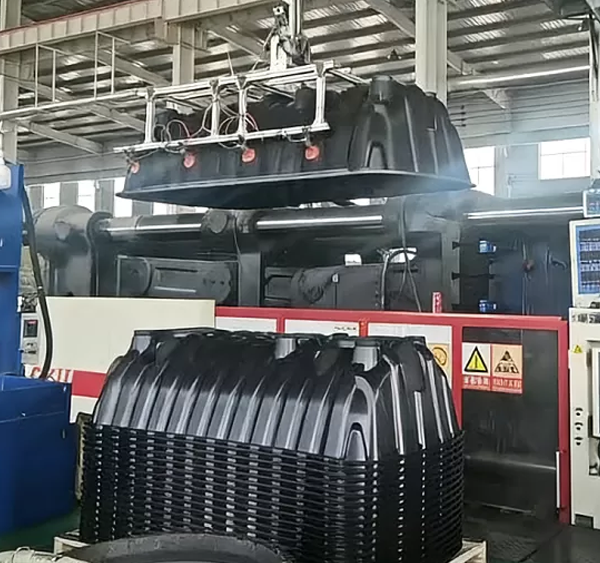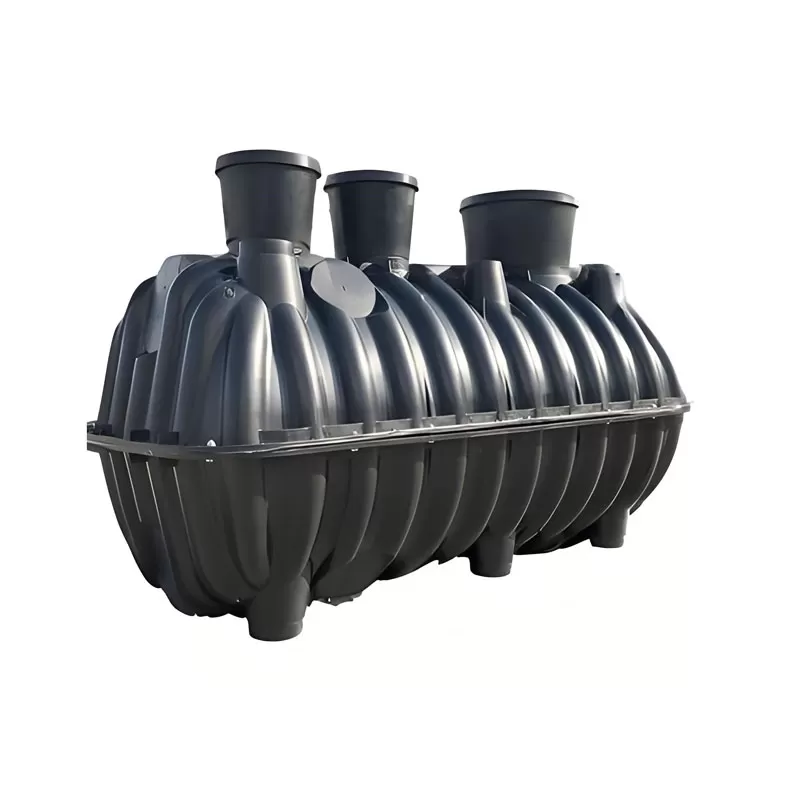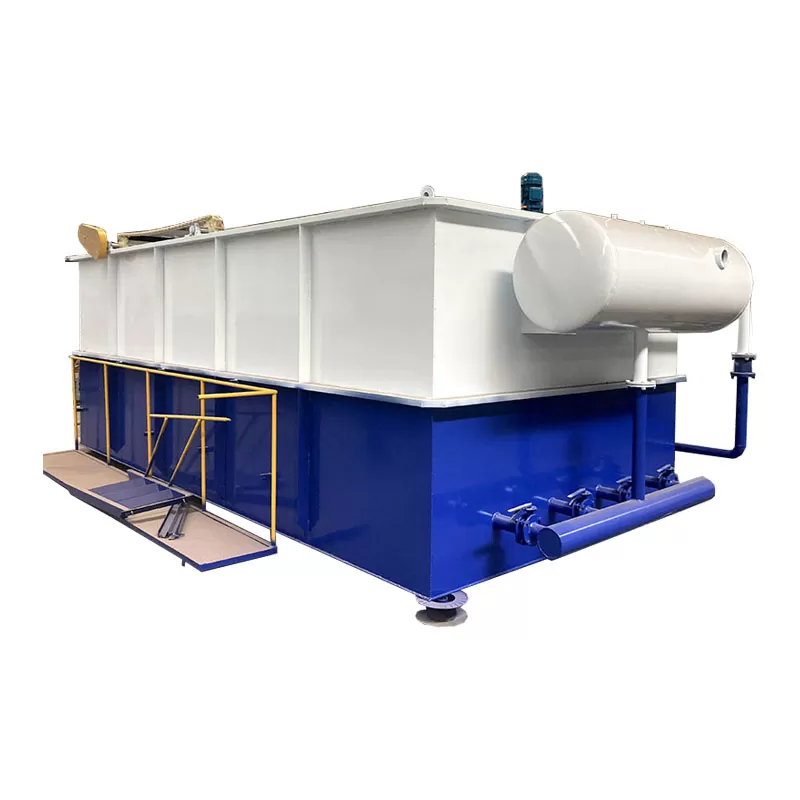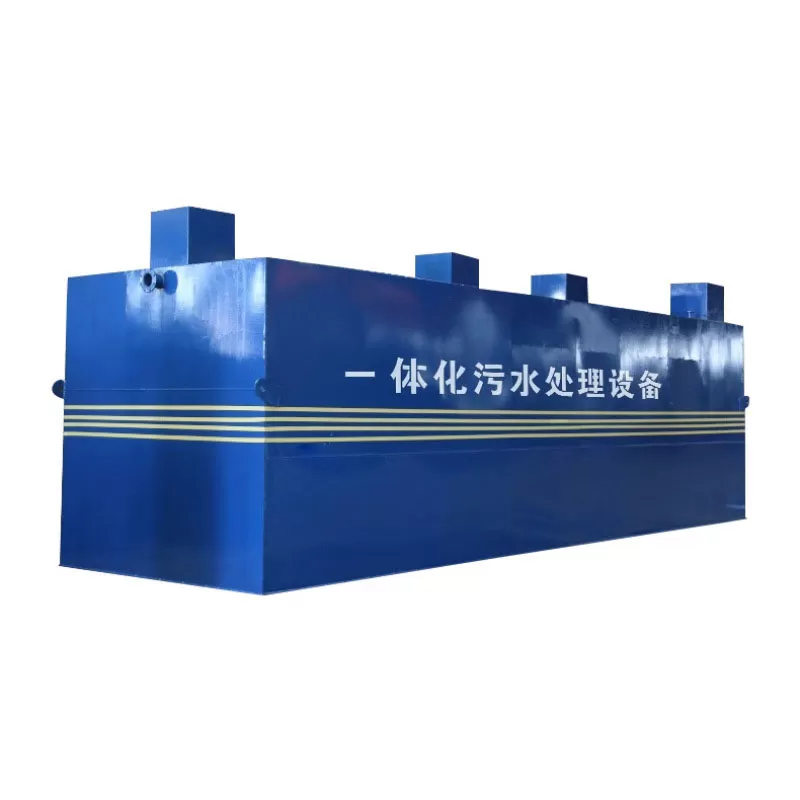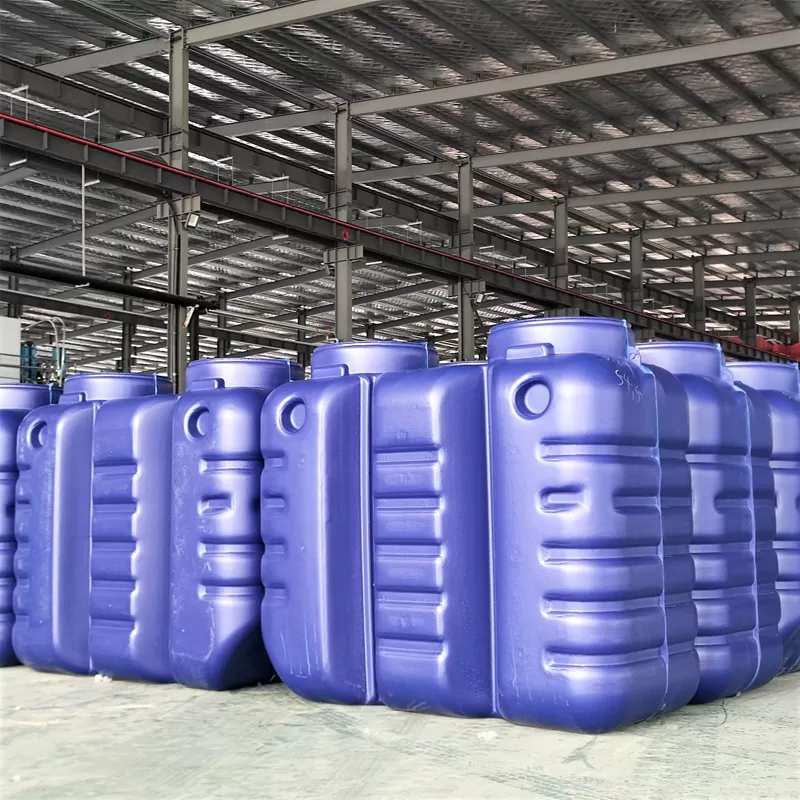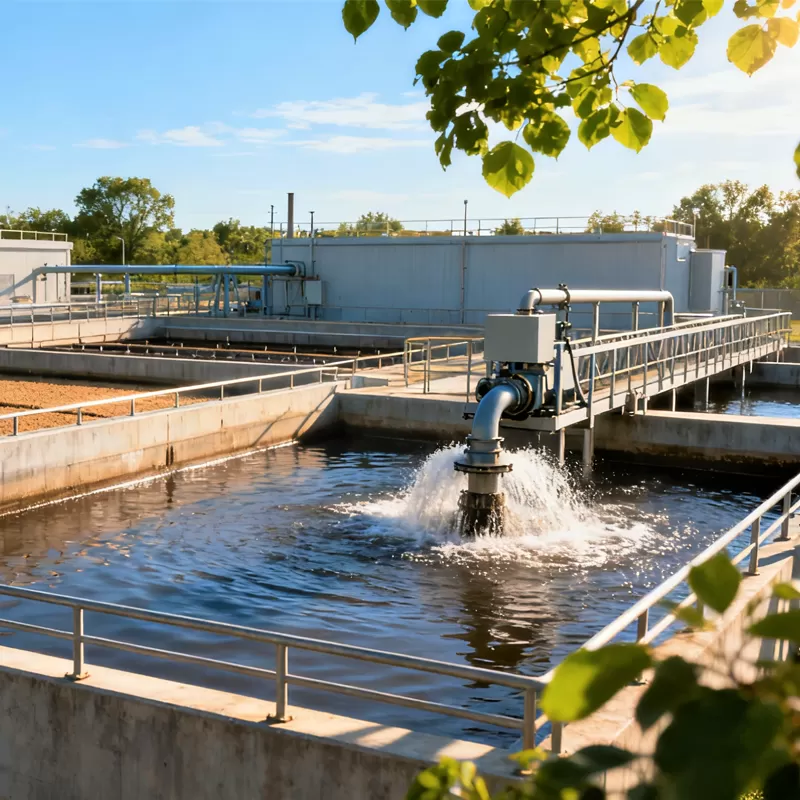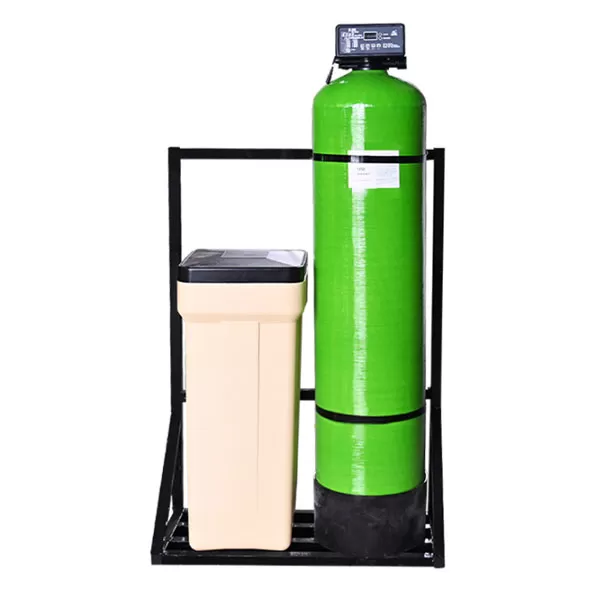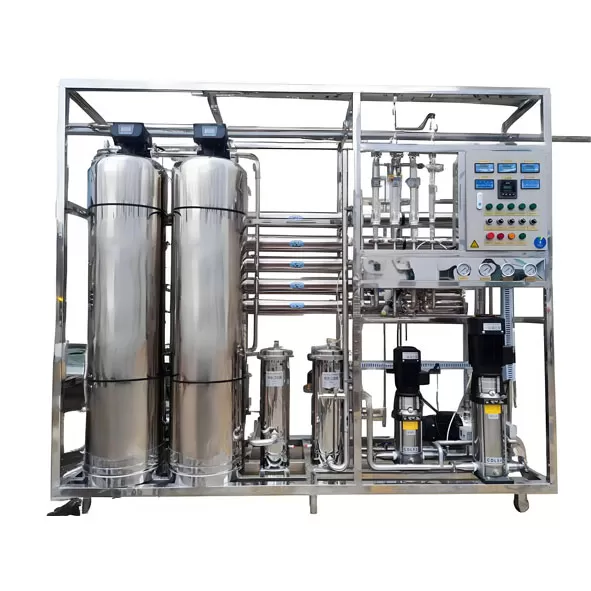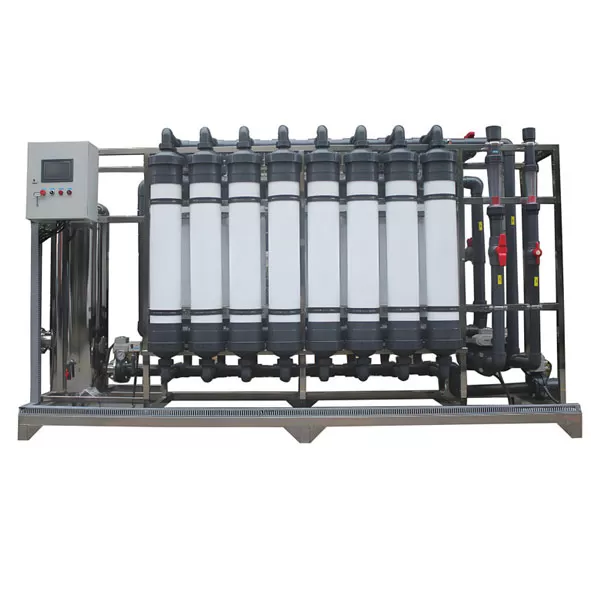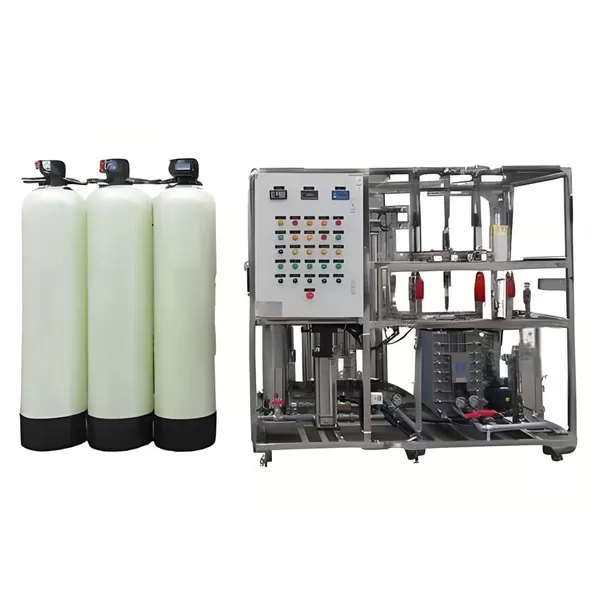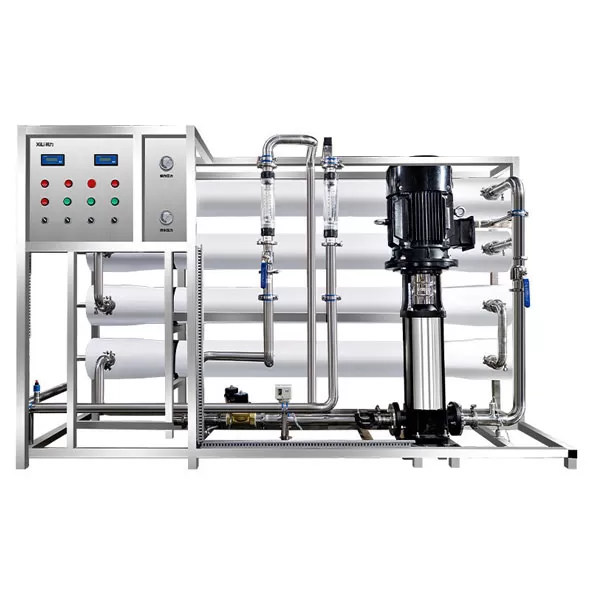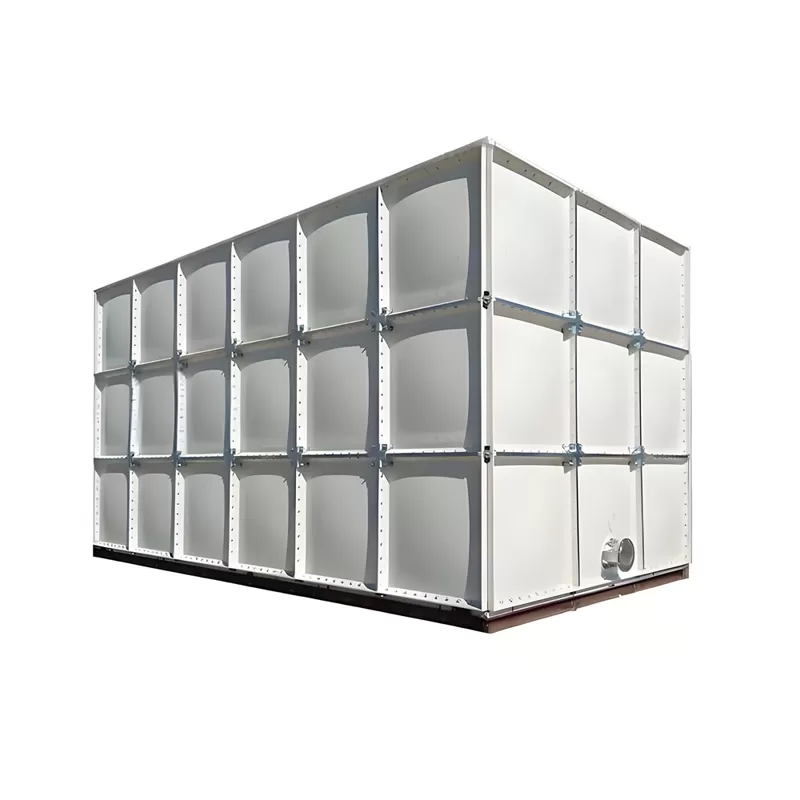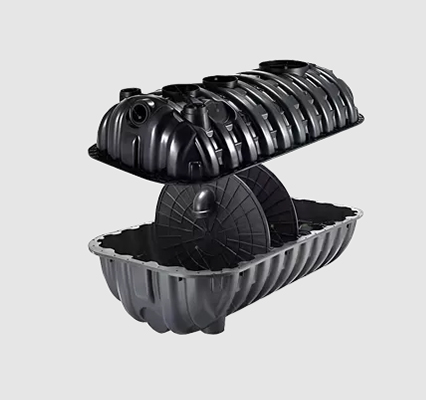
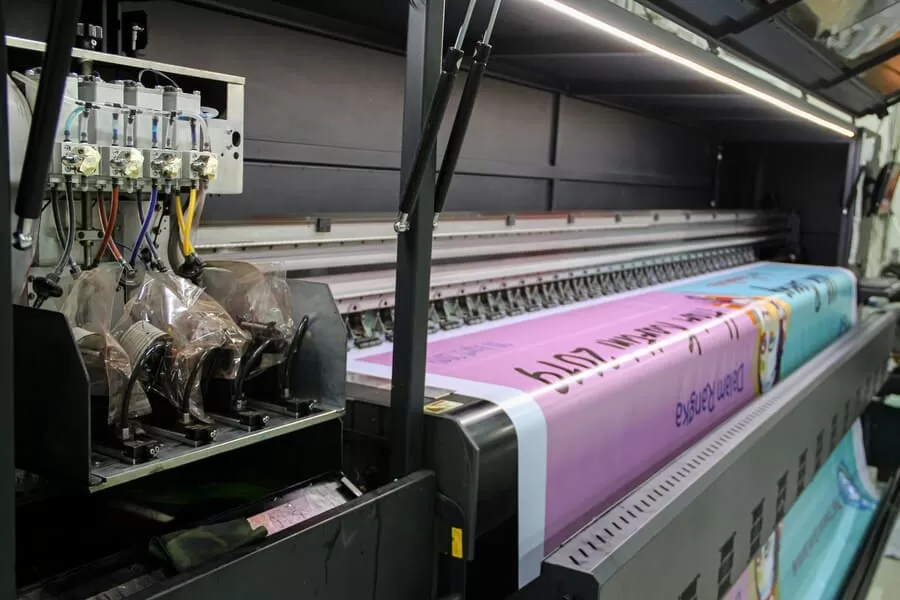
Printing and Dyeing Wastewater Treatment Equipment refers to specialized systems designed to treat wastewater generated from textile printing, dyeing, and finishing processes. Such wastewater typically contains high concentrations of dyes, pigments, chemicals, sizing agents, surfactants, and suspended solids, making it difficult to treat without advanced processes. The goal is to remove color, reduce chemical pollutants, and meet discharge or reuse standards.
Strong Color Removal Capability – Designed to decolorize water with high dye concentrations.
Chemical Resistance – Built with corrosion-resistant materials to withstand acidic, alkaline, and chemical-rich wastewater.
High COD and BOD Reduction – Effectively lowers Chemical Oxygen Demand and Biochemical Oxygen Demand levels.
Combination Treatment Processes – Integrates physical, chemical, and biological methods for optimal results.
1. Pre-treatment – Screening and grit removal to eliminate large particles.
2. Physicochemical Treatment – Coagulation, flocculation, and sedimentation to remove suspended solids and color.
3. Advanced Oxidation – Ozone, Fenton, or electrochemical oxidation for stubborn dye molecules.
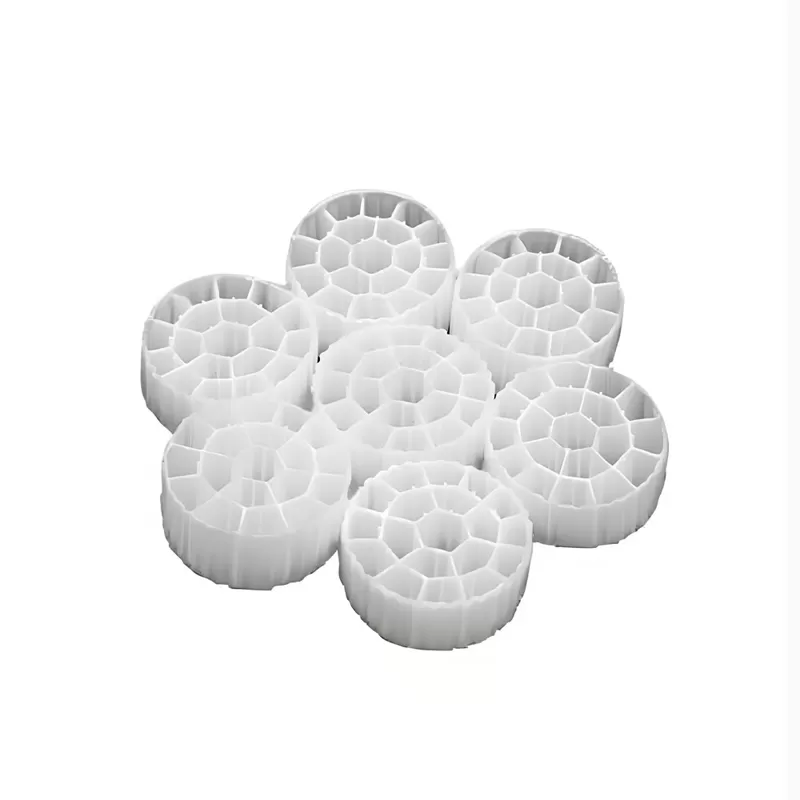
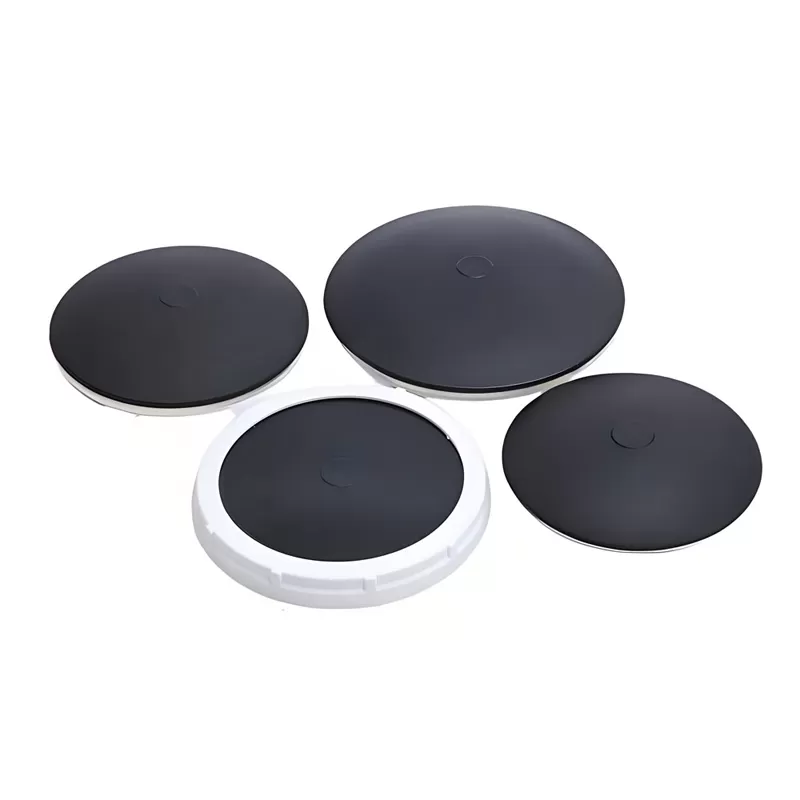
4. Biological Treatment – A/O, A²/O, MBR, or SBR processes to degrade organic matter.
5. Tertiary Treatment – Sand filtration, activated carbon adsorption, and membrane filtration.
6. Disinfection – UV or chlorination before discharge or reuse.
Textile dyeing factories
Printing houses
Garment finishing workshops
Industrial textile parks
High efficiency in removing color and chemical pollutants.
Capable of meeting strict textile industry wastewater standards.
Adaptable to different types of dyes and chemicals.
Possibility of water recycling to reduce water consumption.