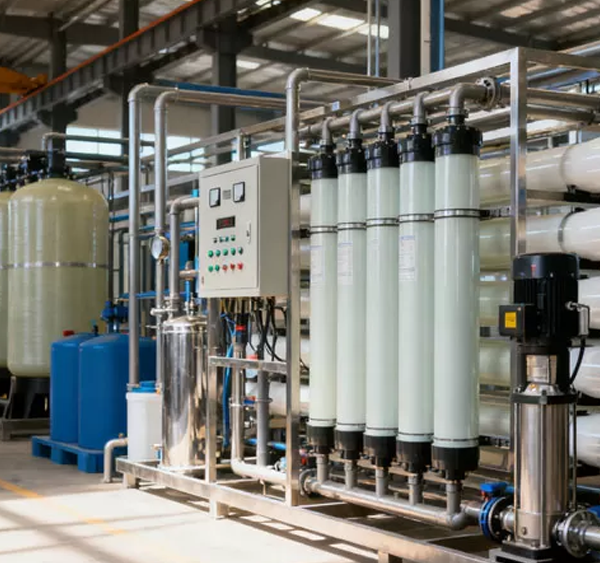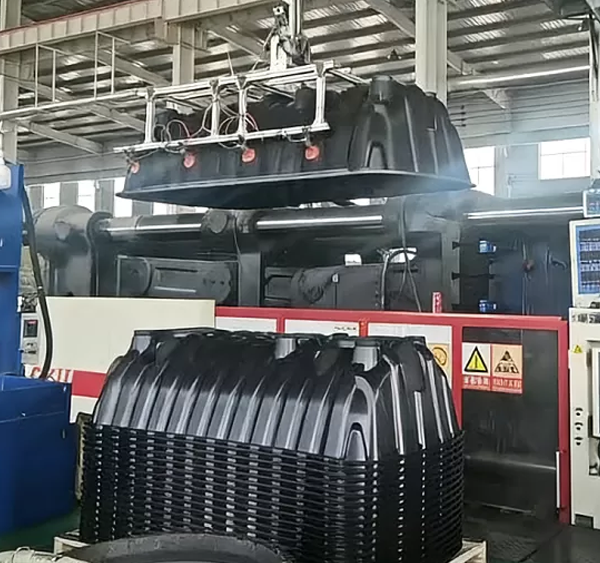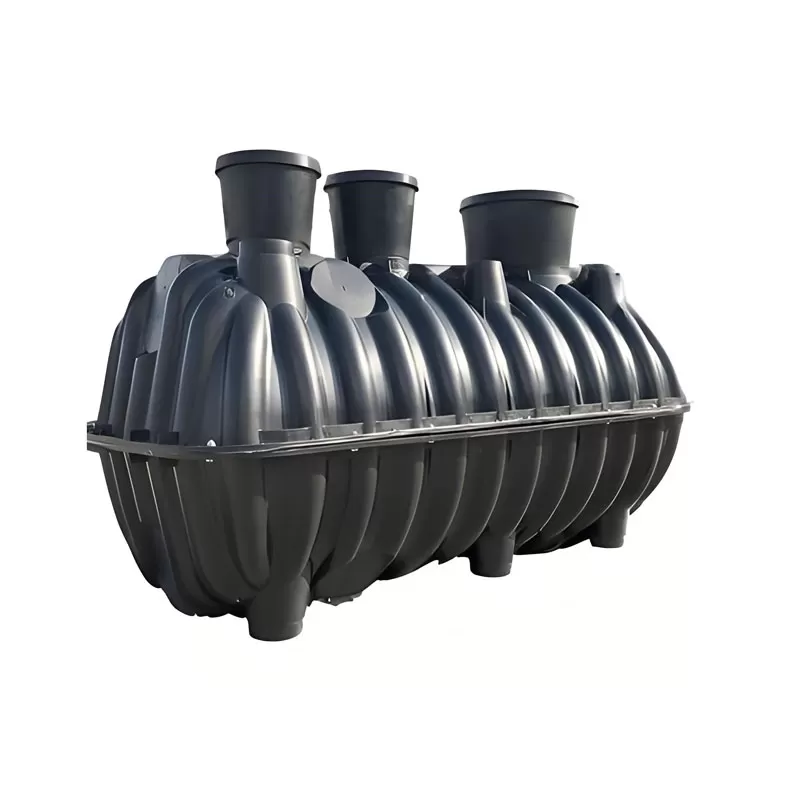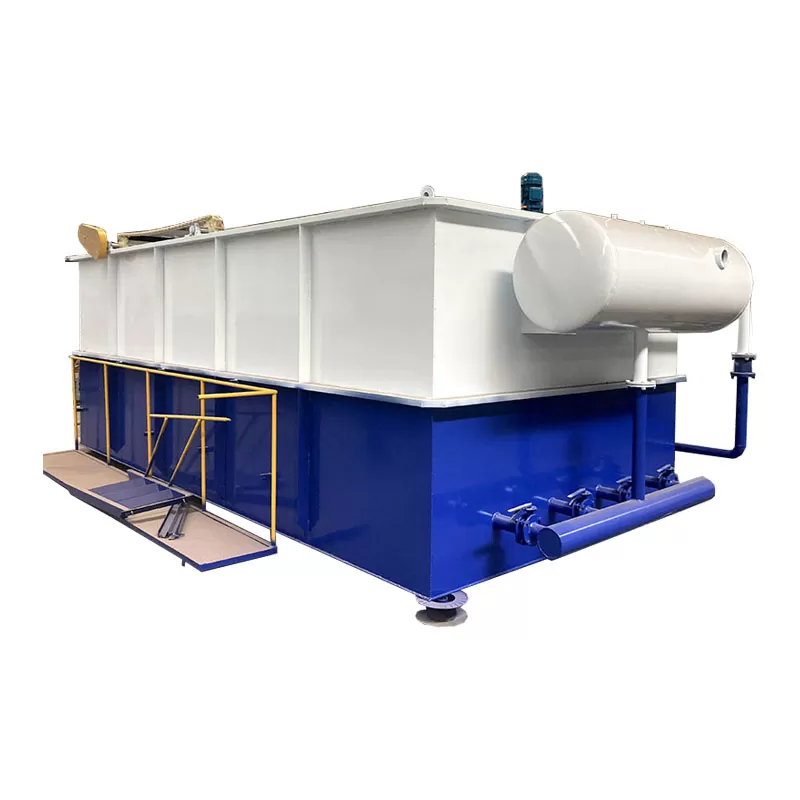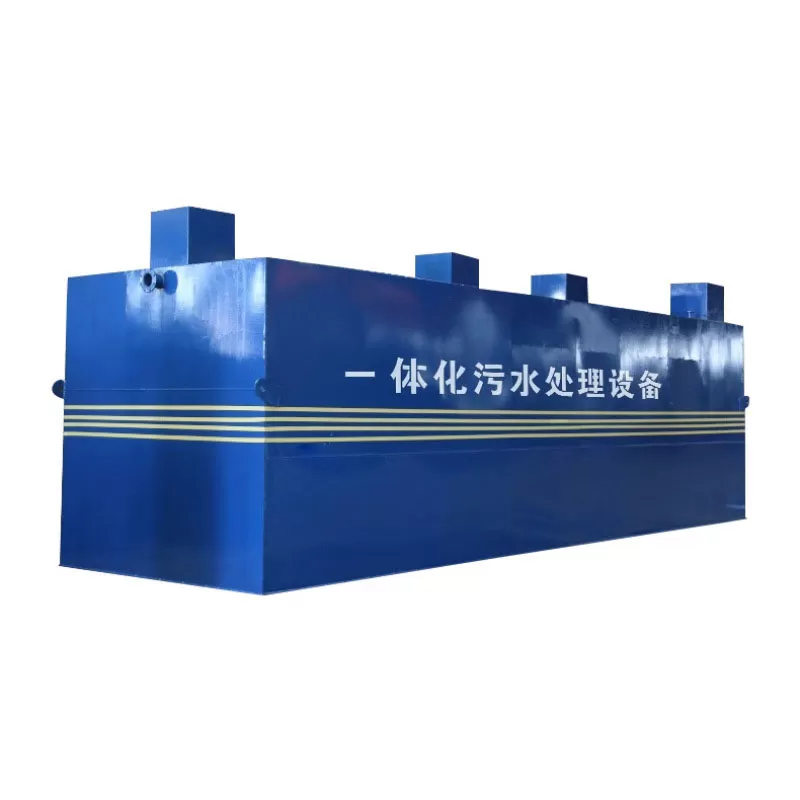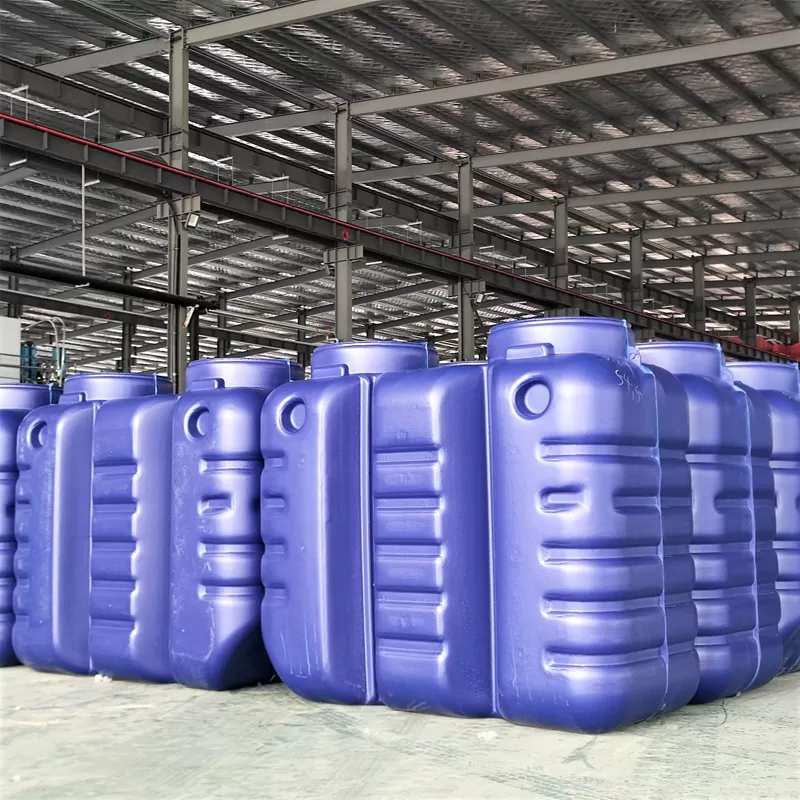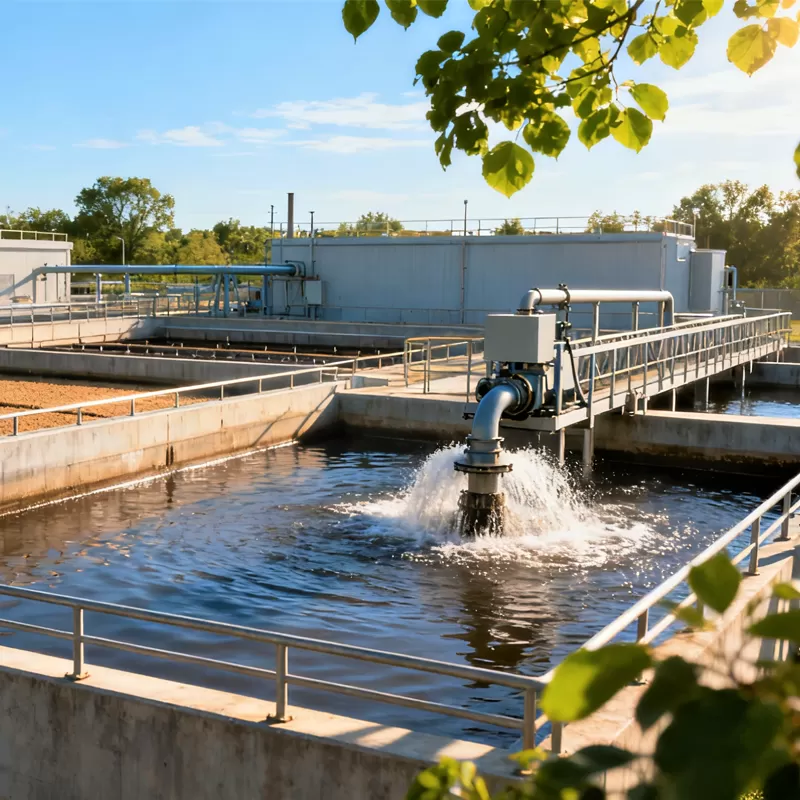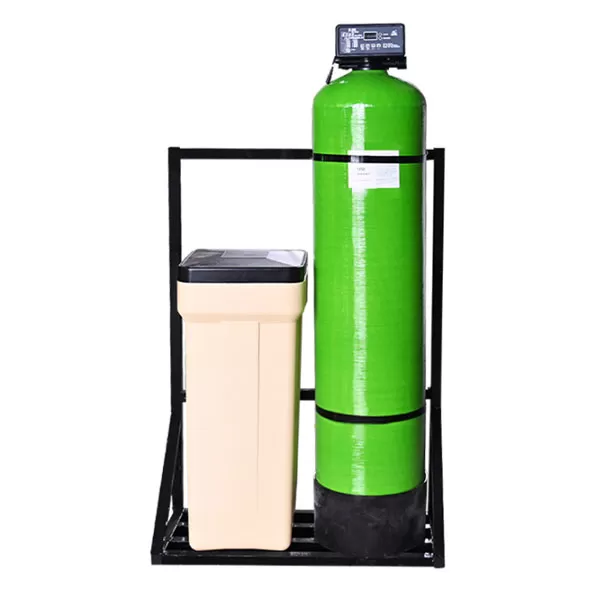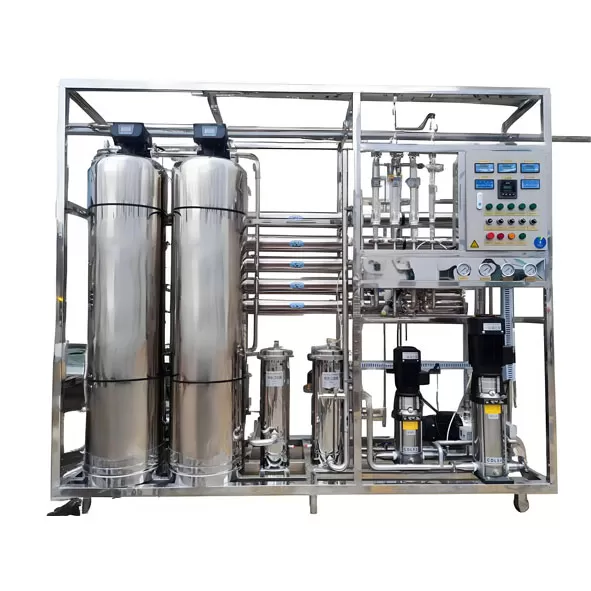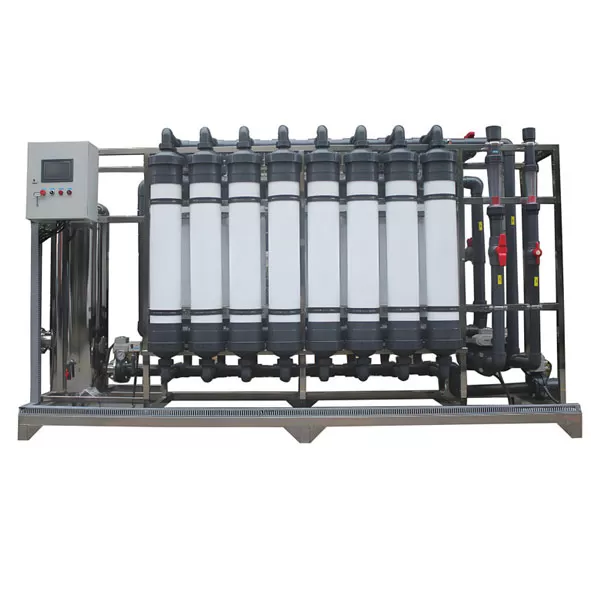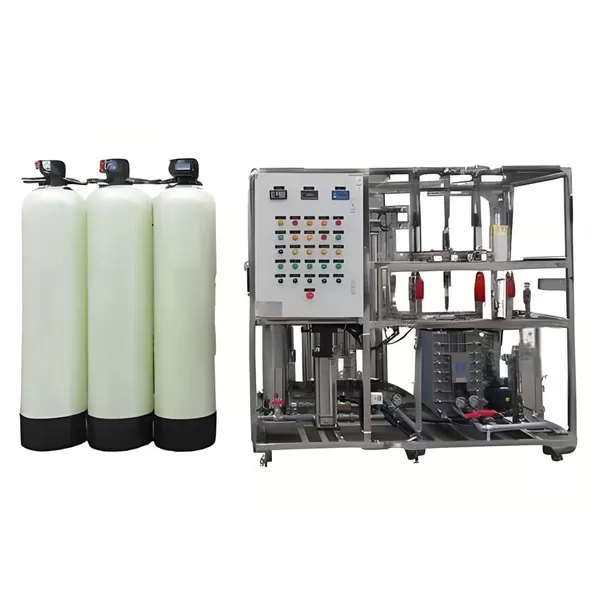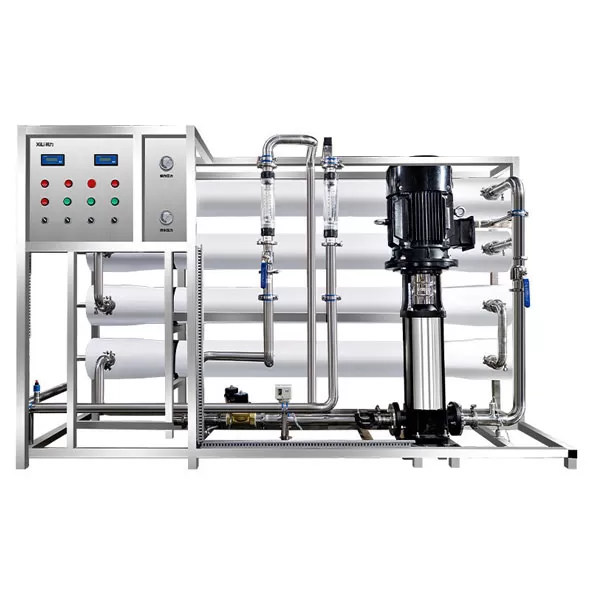
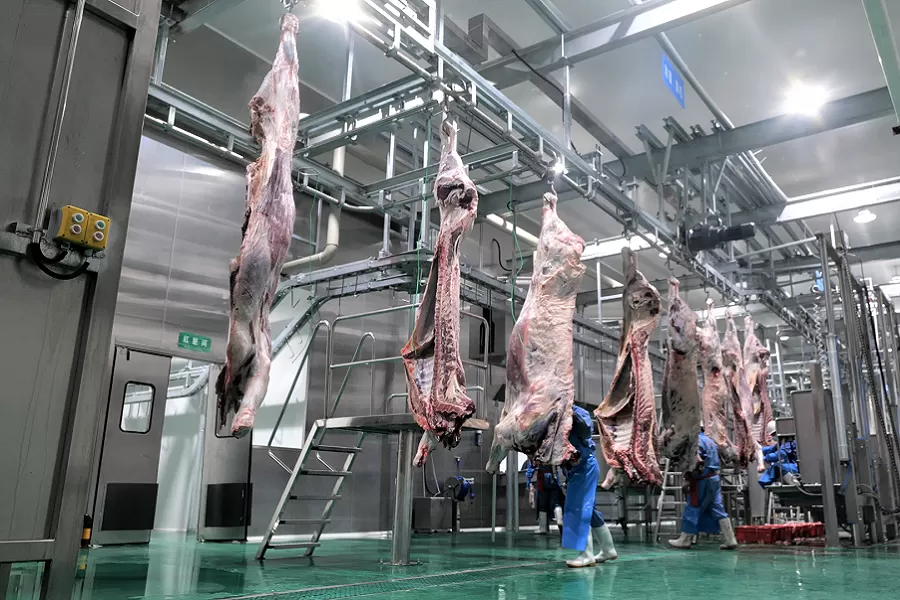
Slaughterhouse Wastewater Treatment Equipment refers to specialized machinery and systems designed to treat wastewater generated during the slaughtering and meat processing of animals such as cattle, pigs, sheep, and poultry. This wastewater is typically high in organic load, grease, blood, proteins, fats, and other contaminants, making it one of the more challenging types of industrial wastewater to treat.
Animal blood and body fluids generated during slaughtering
Meat and fat residues from cutting, trimming, and processing
Feathers, hair, and solid waste particles from cleaning operations
Cleaning and sterilization water from equipment, floors, and carcasses
Byproduct processing water from rendering and offal handling
Reduce high organic load (COD, BOD) to meet discharge standards.
Remove fats, oils, and grease (FOG) that can clog systems.
Separate suspended solids and sludge.
Eliminate pathogens (bacteria, viruses) to prevent contamination.
Lower nitrogen and phosphorus to prevent eutrophication.
Improve overall water quality for safe discharge or reuse.
Pre-treatment:
Screening and solid separation (bar screens, rotary drum screens).
Dissolved Air Flotation (DAF) for grease and fine solids removal.
Primary treatment:
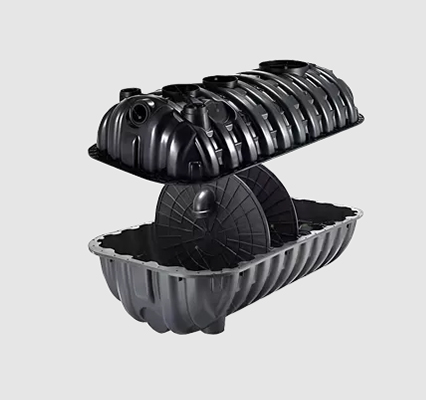
Sedimentation tanks, grease traps.
Coagulation and flocculation.
Biological treatment:
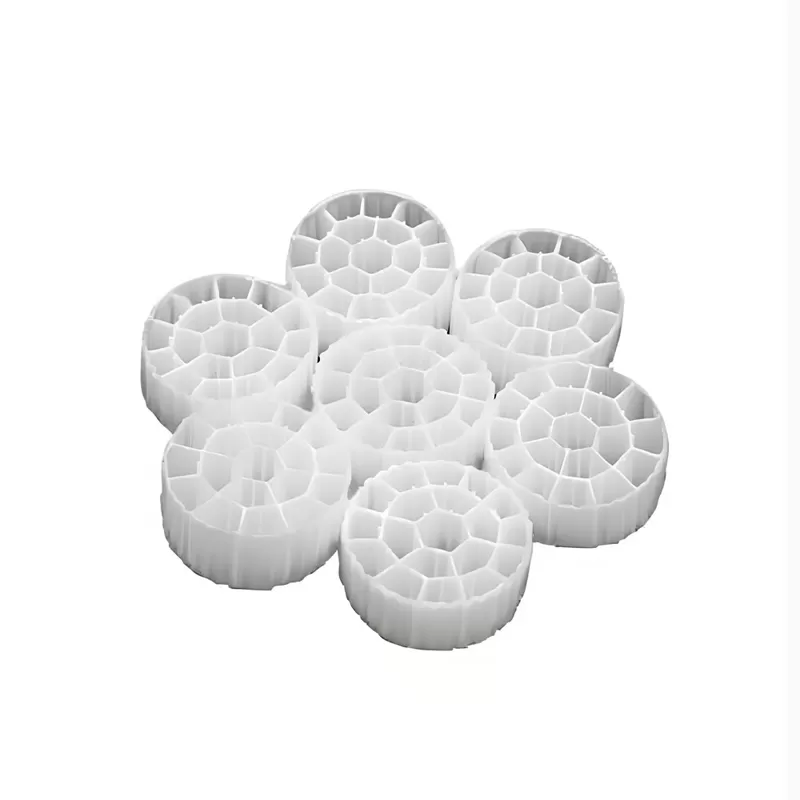
Aerobic systems (activated sludge, MBBR, SBR).
Anaerobic digestion for high-strength organic loads.
Advanced treatment:
Filtration, UV disinfection, or ozone oxidation.
Reverse osmosis for water recycling.
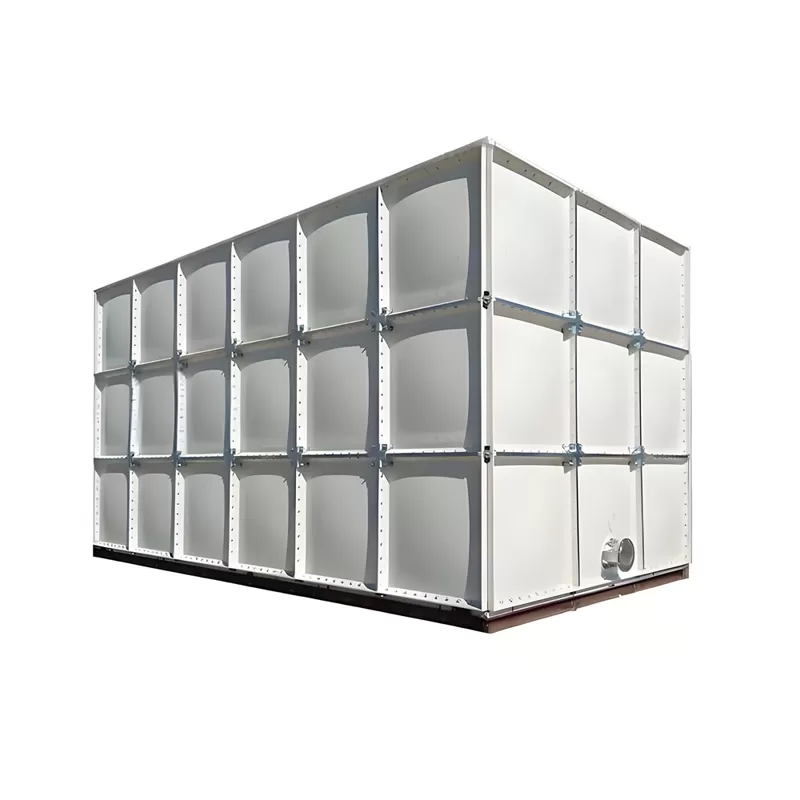
Heavy-duty construction (stainless steel, FRP) to handle corrosive and fatty wastewater.
High-efficiency solid-liquid separation to protect downstream processes.
Grease management systems to prevent clogging.
Modular or customized design for different slaughterhouse capacities.
Automatic operation with low labor requirements.
Compliance with local environmental regulations.