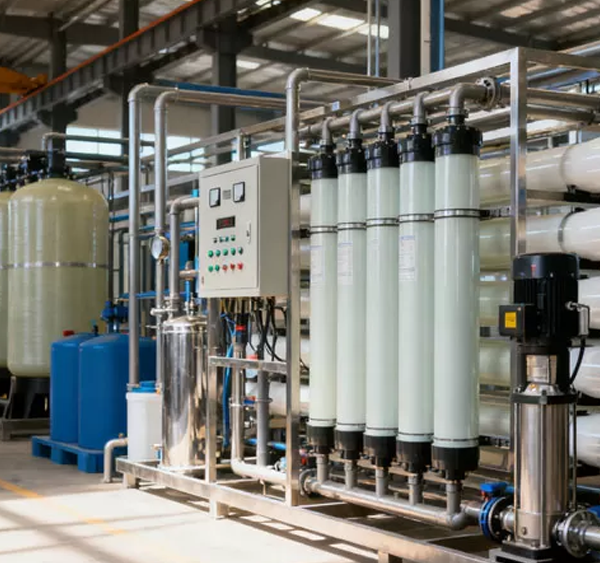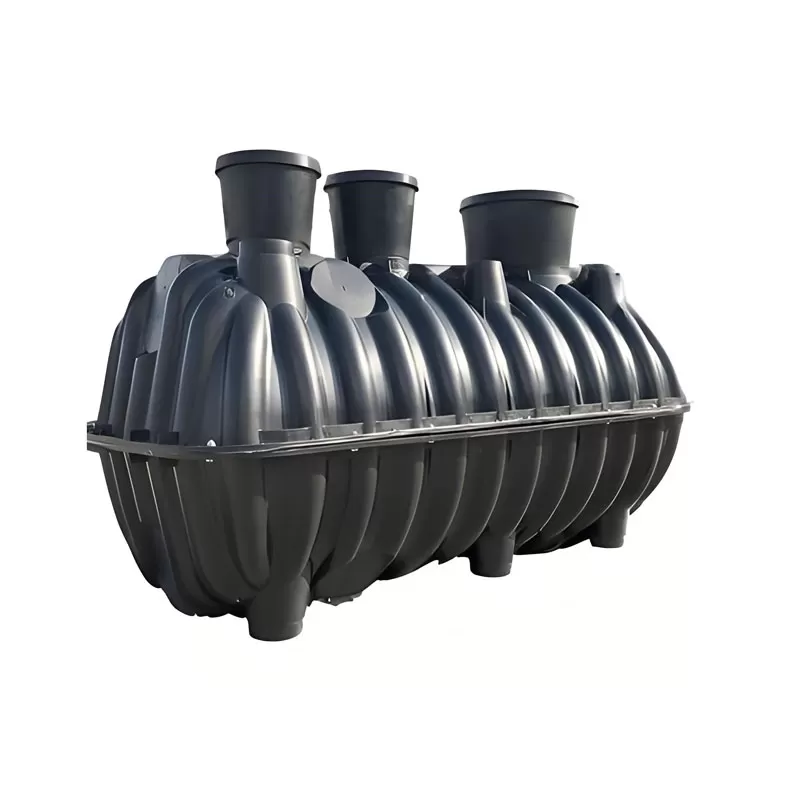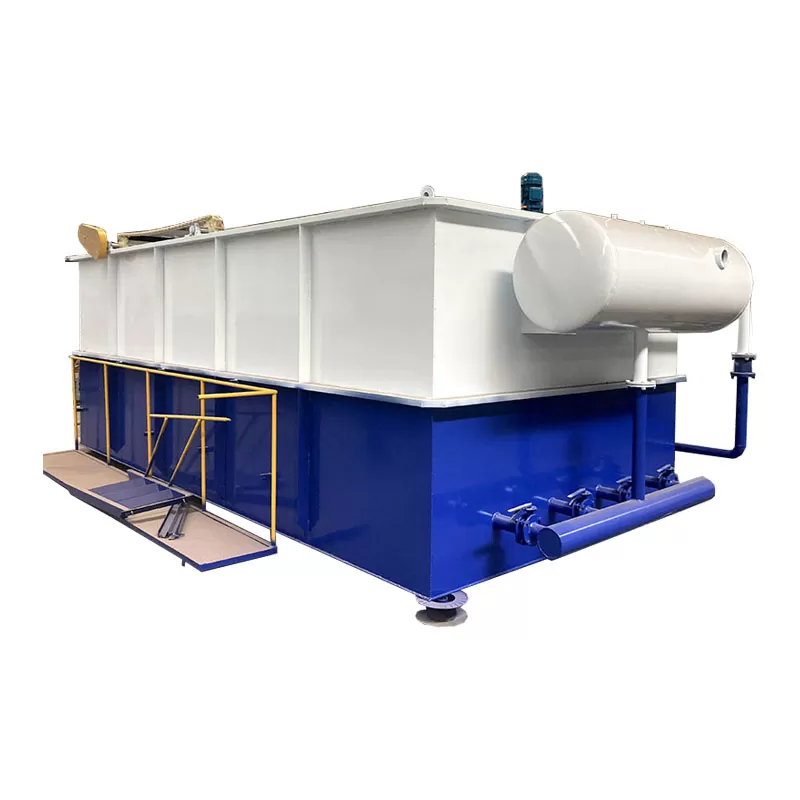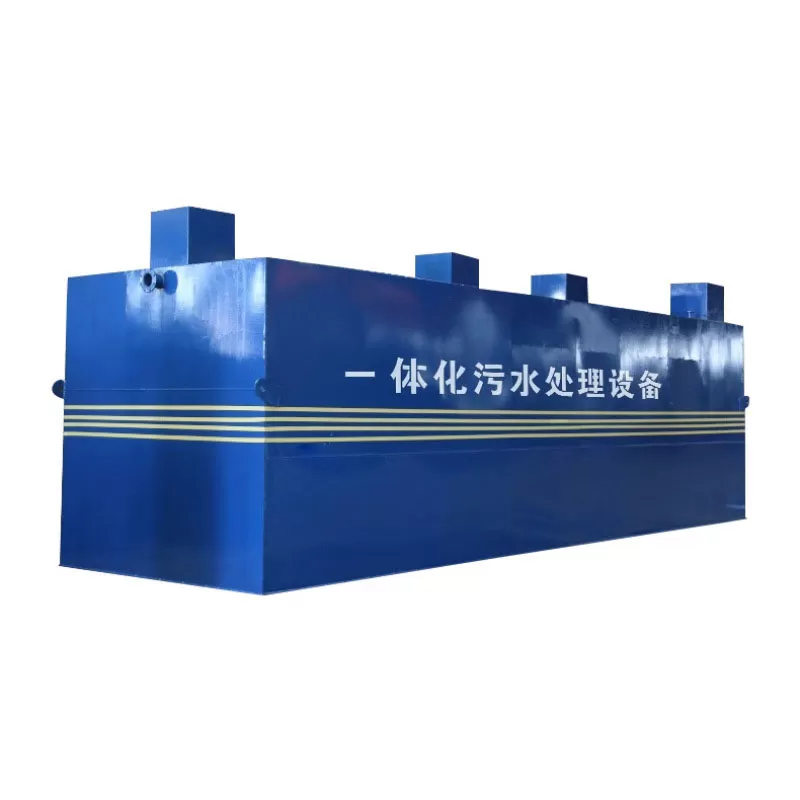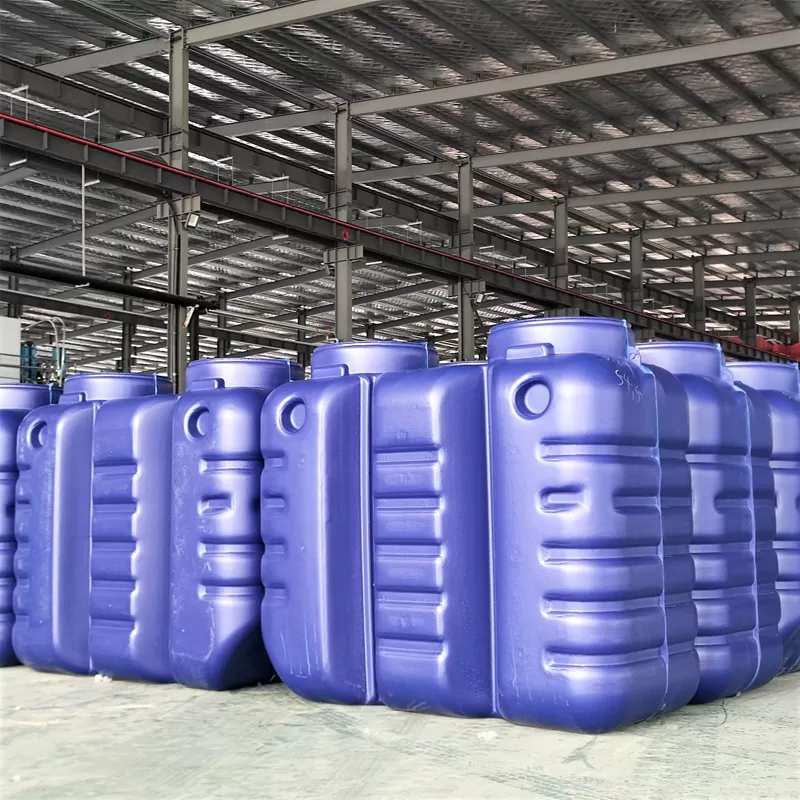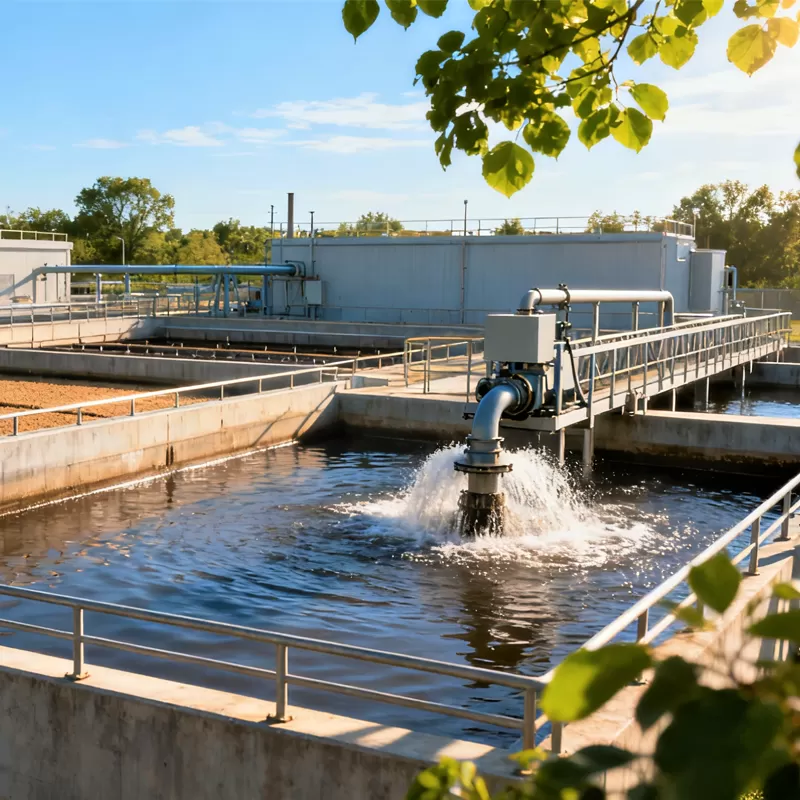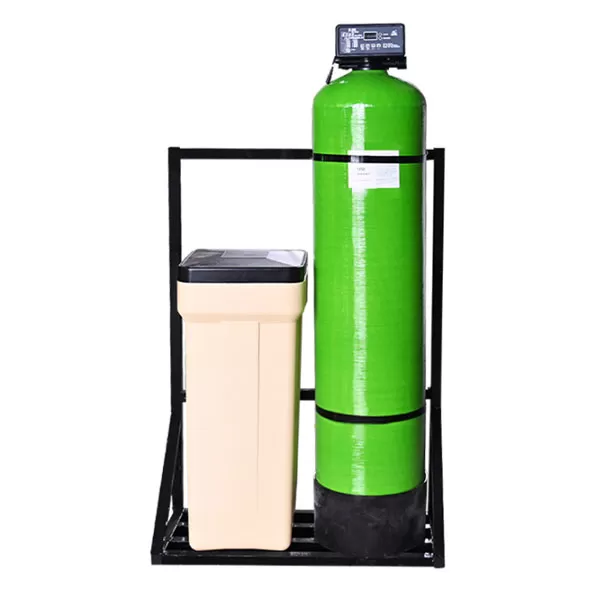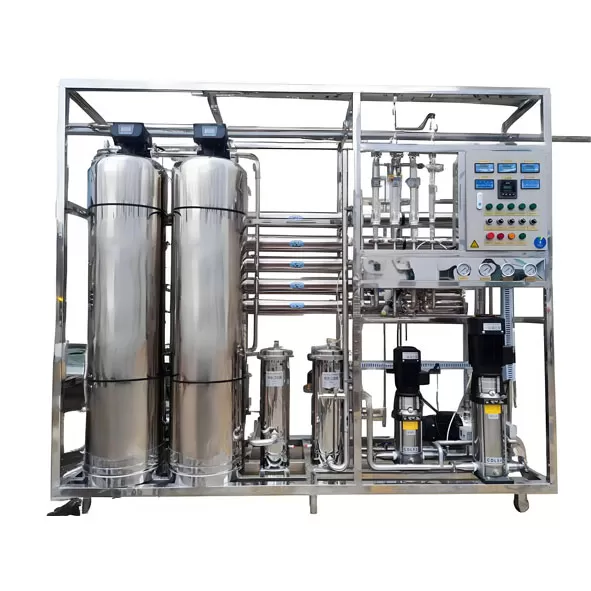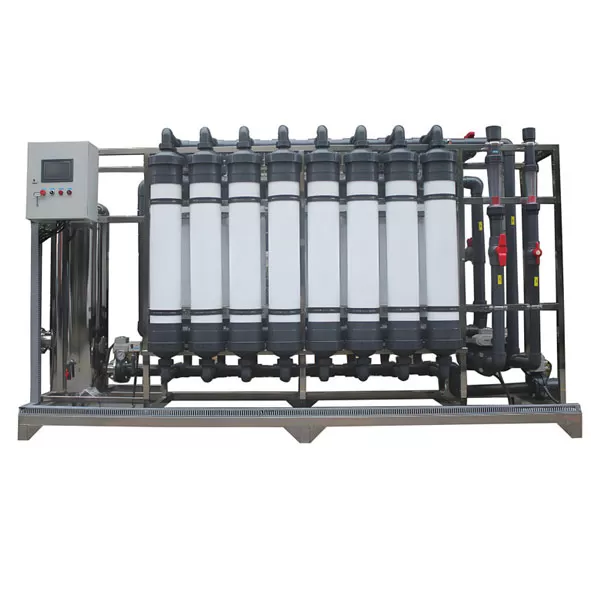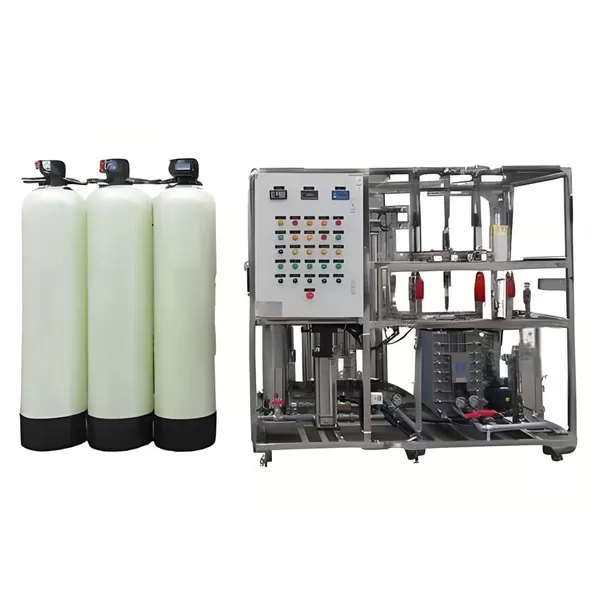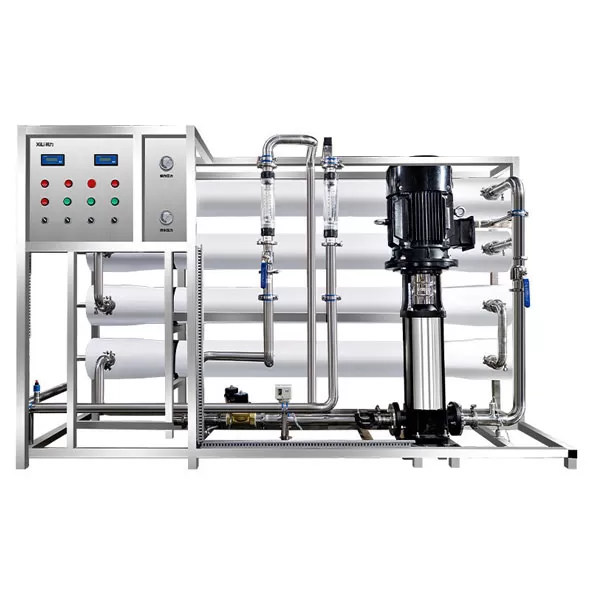
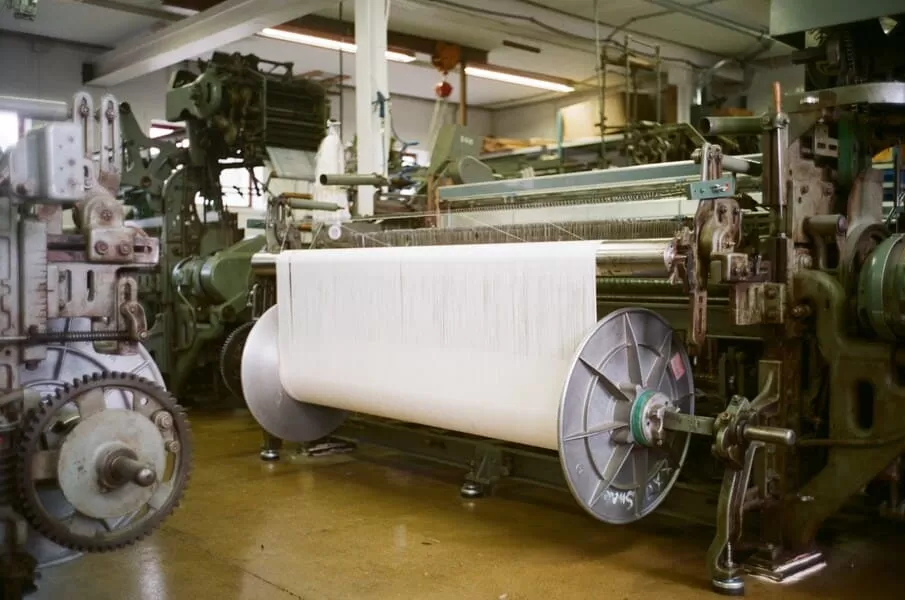
Textile Processing Wastewater Treatment Equipment refers to specialized treatment systems designed to purify wastewater generated during various stages of textile manufacturing, including spinning, weaving, bleaching, dyeing, printing, and finishing. This wastewater often contains dyes, sizing agents, bleaching chemicals, detergents, heavy metals, and high levels of suspended solids, COD (Chemical Oxygen Demand), and BOD (Biochemical Oxygen Demand). The equipment aims to remove color, reduce chemical pollutants, and ensure the treated water meets discharge or recycling standards.
High Color Removal Efficiency – Effectively decolorizes water containing various textile dyes and pigments.
Chemical and Corrosion Resistance – Constructed with materials resistant to acids, alkalis, and oxidizing agents.
Strong Organic Load Reduction – Significantly lowers COD, BOD, and other pollutant indicators.
Adaptable Treatment Configurations – Suitable for different textile processes and wastewater compositions.
1. Pre-treatment – Screening, grit removal, and equalization to stabilize water quality.
2. Physicochemical Treatment – Coagulation, flocculation, and sedimentation to remove solids and part of the color.
3. Advanced Oxidation – Ozone, Fenton, or electrochemical oxidation for stubborn dye molecules and chemicals.
4. Biological Treatment – A/O, A²/O, MBR, or SBR processes to degrade organic matter and nitrogen compounds.
5. Tertiary Treatment – Sand filtration, activated carbon adsorption, or membrane filtration for polishing.
6. Disinfection – UV or chlorine disinfection before discharge or reuse.
Spinning and weaving factories
Bleaching and dyeing plants
Textile printing facilities
Industrial textile parks
Meets strict discharge and reuse regulations for the textile industry.
Capable of handling large variations in water quality and flow.
Enables partial or full water recycling, reducing water consumption.
Modular designs for easier installation, expansion, and relocation.