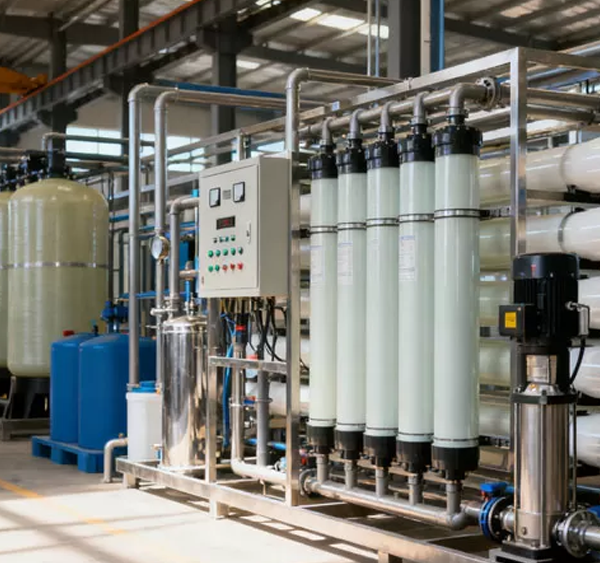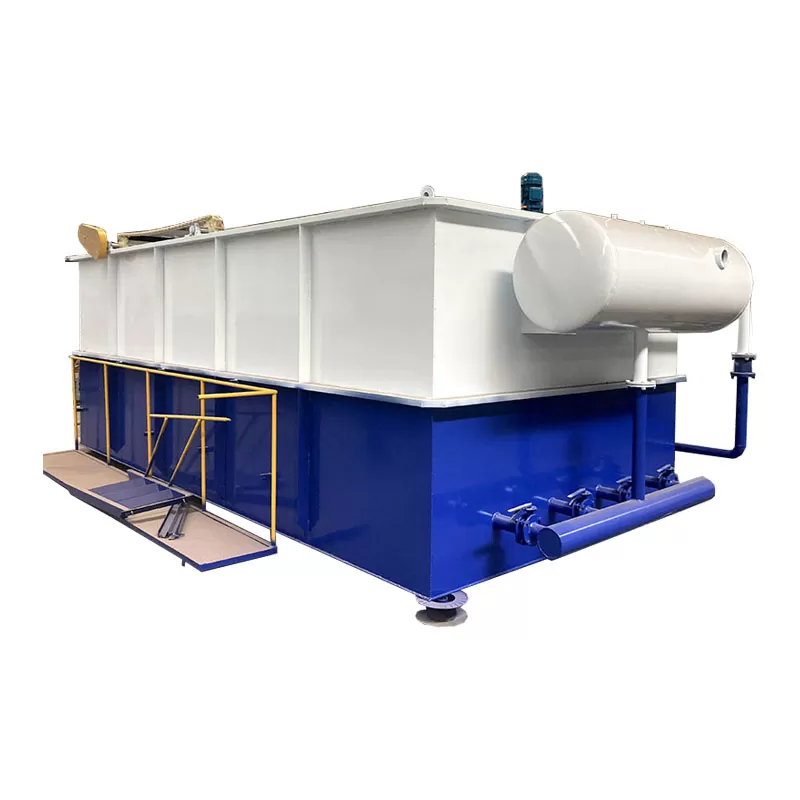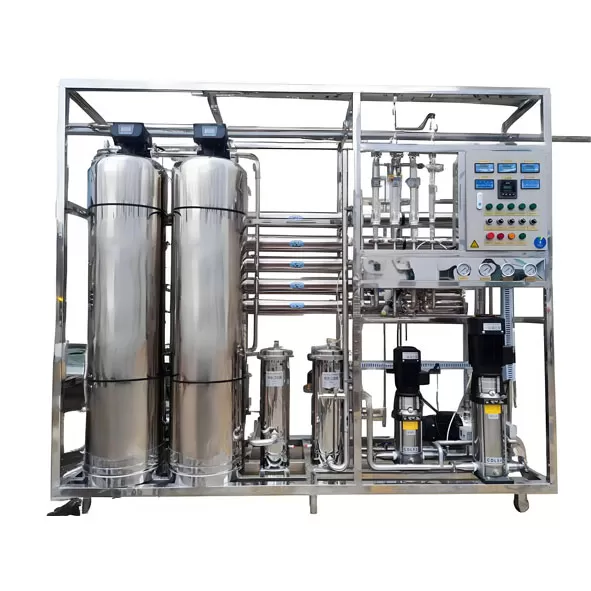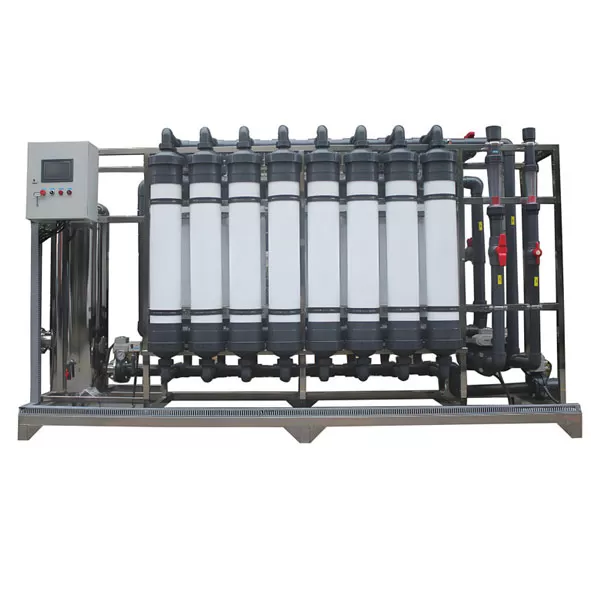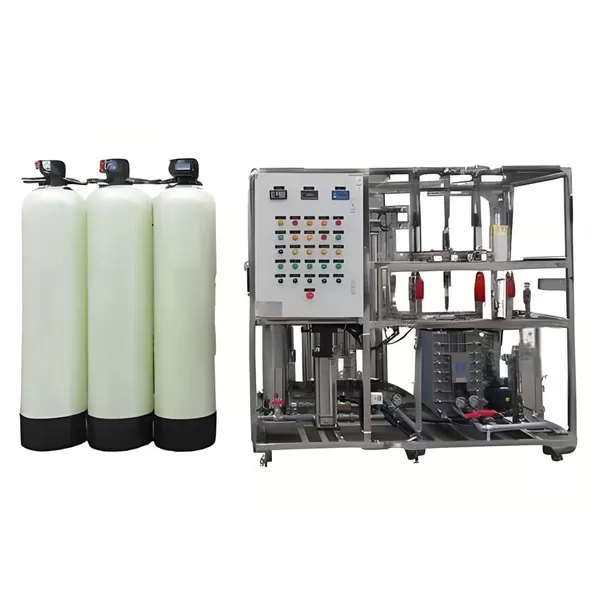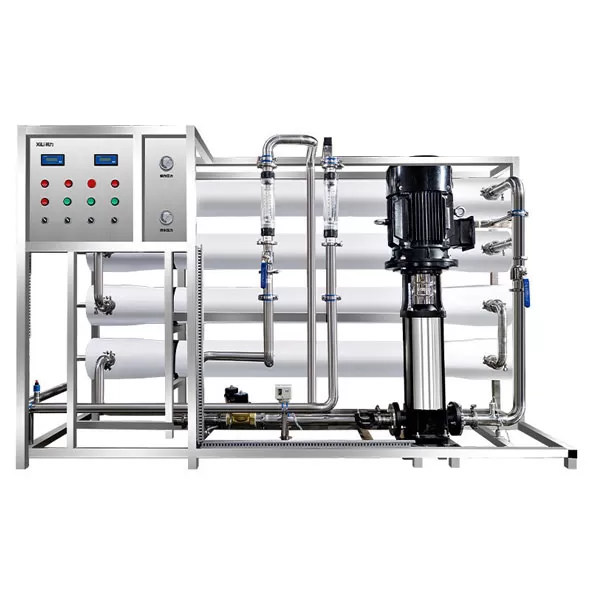
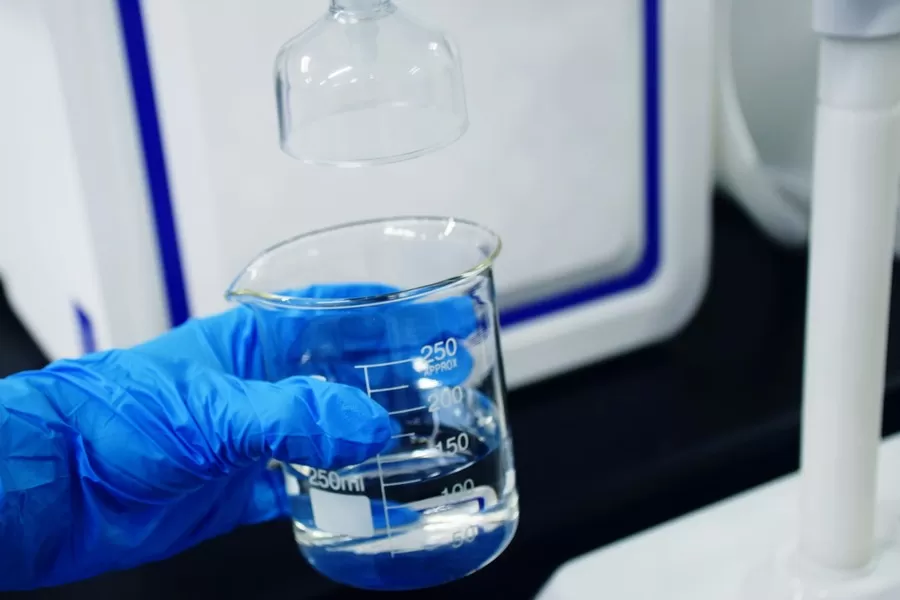
Water purification treatment equipment for laboratory use is a specialized system designed to purify raw water (e.g., tap water, groundwater) into high-purity or ultra-pure water to meet the stringent requirements of laboratory applications. Water is a critical reagent in experiments, analytical testing, and research, requiring the removal of impurities, microorganisms, ions, and organic compounds to ensure accurate results and compliance with standards like ASTM, ISO 3696, or CLSI.
1. High-Purity Water Assurance
Produces water meeting specific purity grades (e.g., Type I, II, or III per ASTM/ISO 3696) free of ions, organic matter, microorganisms, and particulates for reliable experimental outcomes.
2. Multi-Stage Purification Process
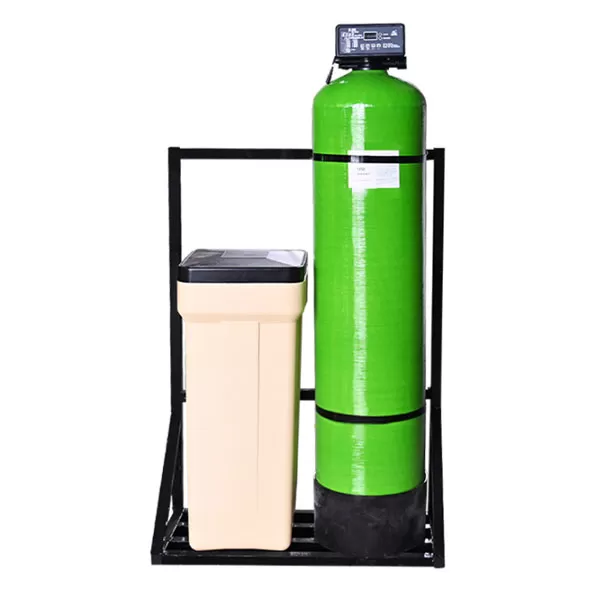
Pre-treatment: Sand filtration, activated carbon, and softening to remove large particles, chlorine, and hardness.
Core Purification: Reverse osmosis (RO), electrodeionization (EDI), or ion exchange for high-purity water.
Disinfection: UV sterilization to eliminate bacteria and organic compounds.
Final Filtration: 0.1–0.2 micron or ultrafilters for ultra-pure water.
3. Automated Control
Equipped with digital displays or automated systems for real-time monitoring of water quality parameters (e.g., resistivity, TOC, pH).
4. Hygienic Design
Uses stainless steel or high-grade plastic components to prevent contamination, with compact designs suited for laboratory environments.
5. Flexible Configuration
Customizable to produce different water grades (Type I for sensitive analyses, Type II for general use) based on lab needs and water source quality.
Analytical Chemistry: Ultra-pure water (Type I) for HPLC, mass spectrometry, and spectroscopy.
Molecular Biology: Water for PCR, DNA/RNA sequencing, and cell culture preparation.
Microbiology: Sterile water for media preparation and microbial testing.
General Lab Use: Type II/III water for buffer solutions, equipment rinsing, and glassware cleaning.
Quality Control: Water for calibration and validation in pharmaceutical or biotech labs.