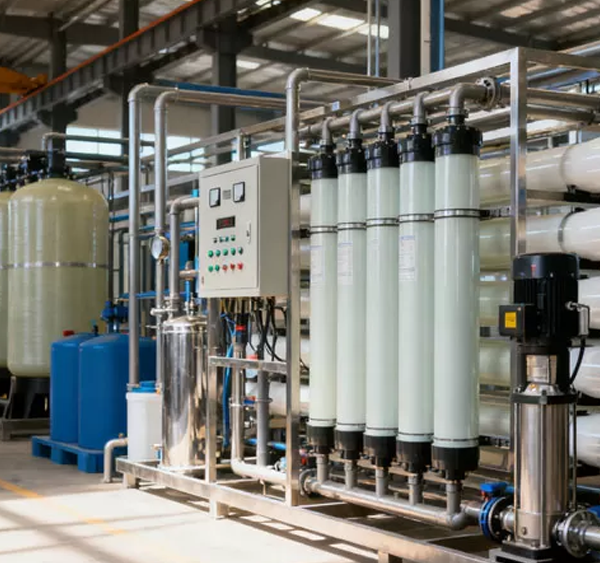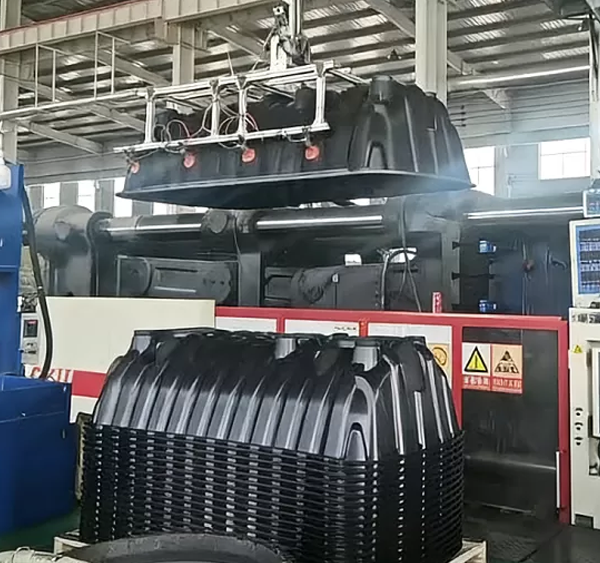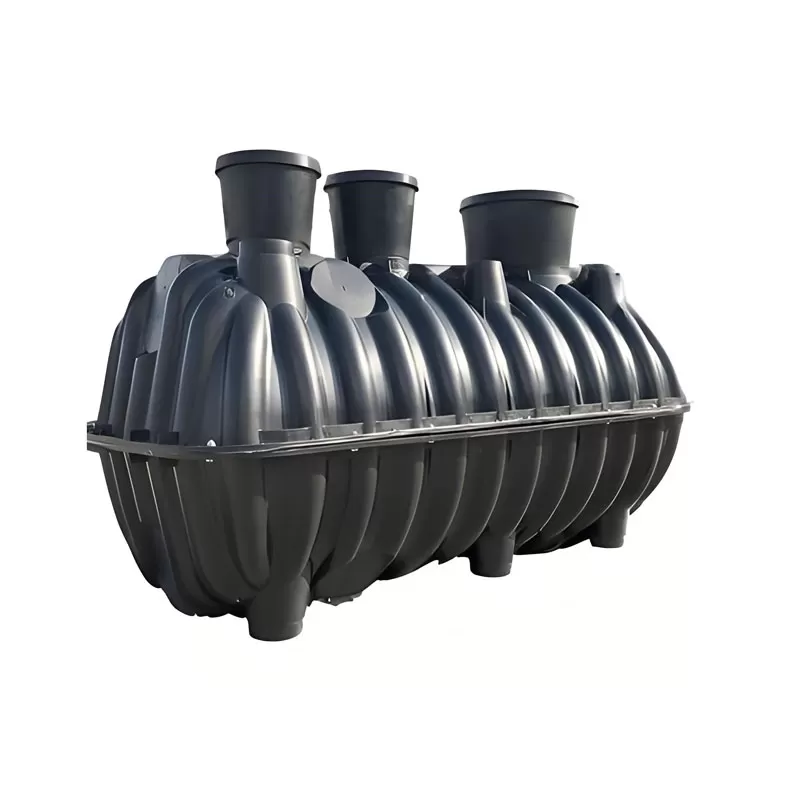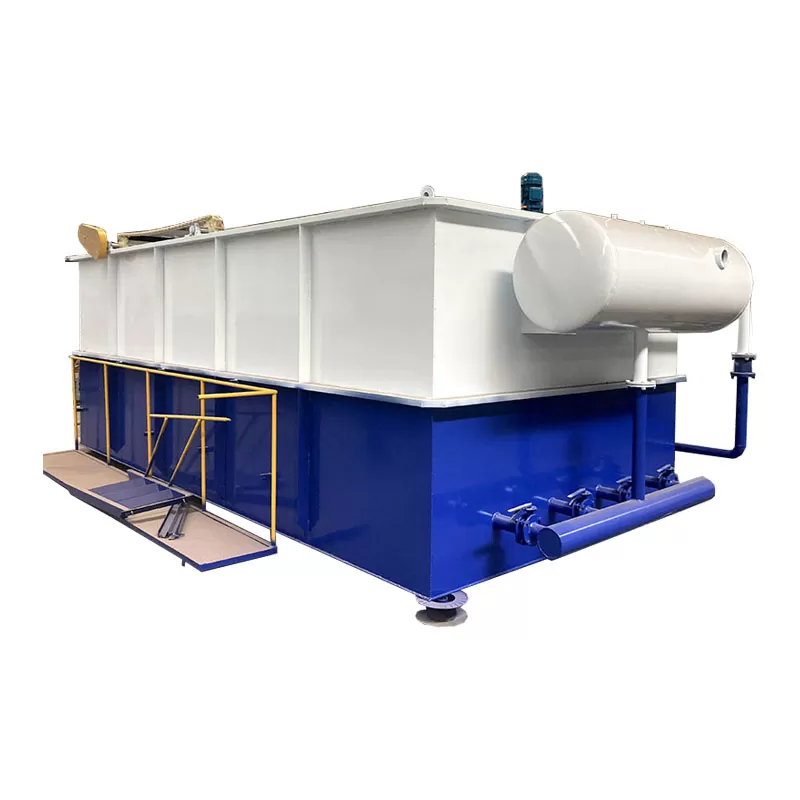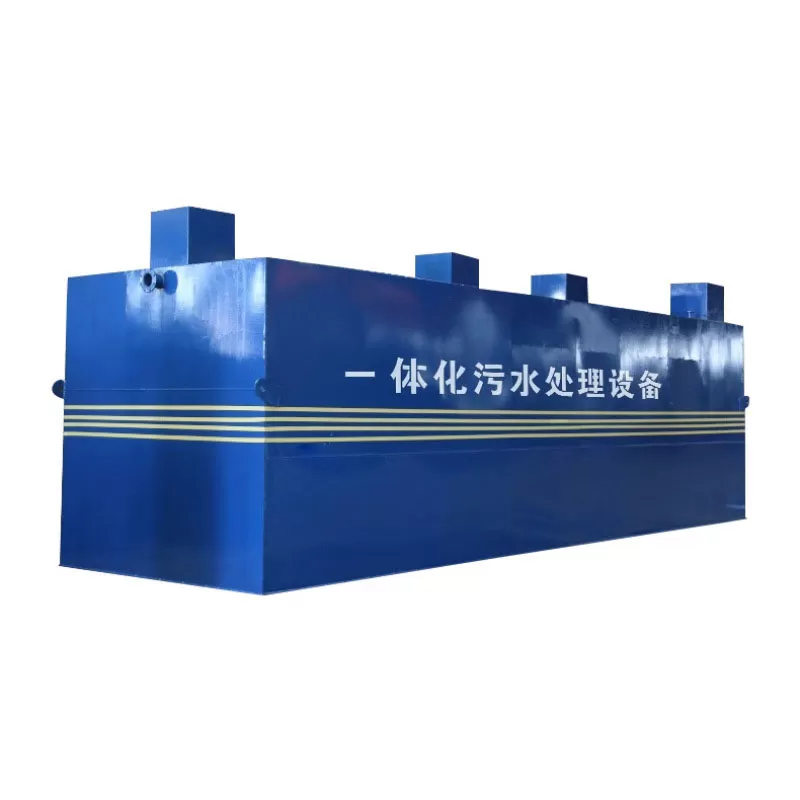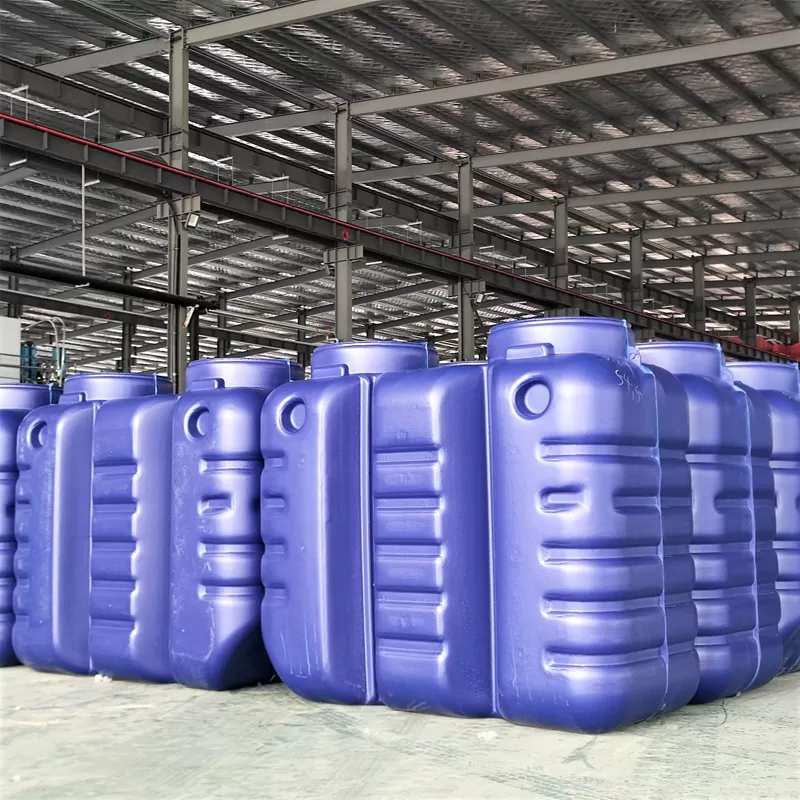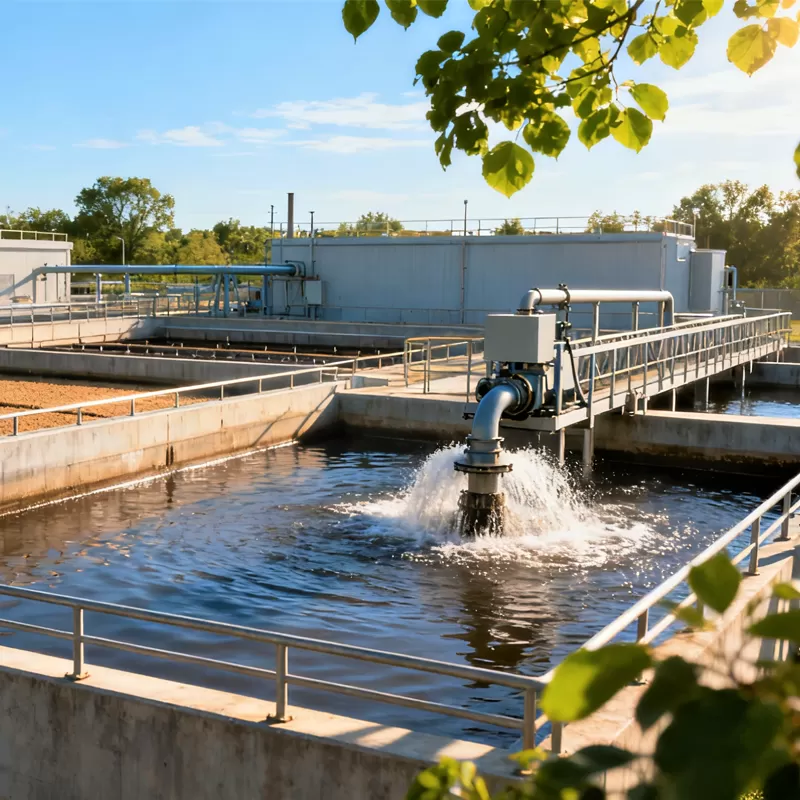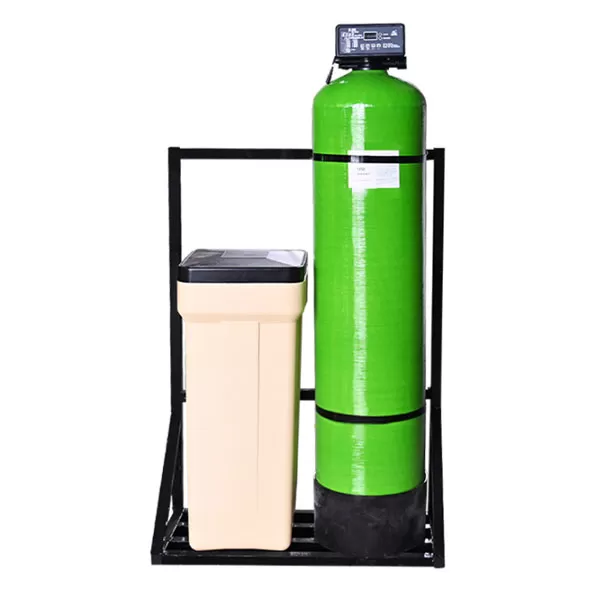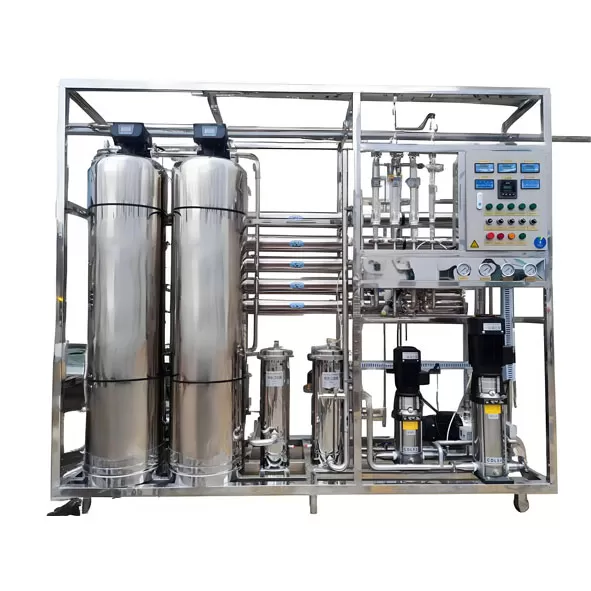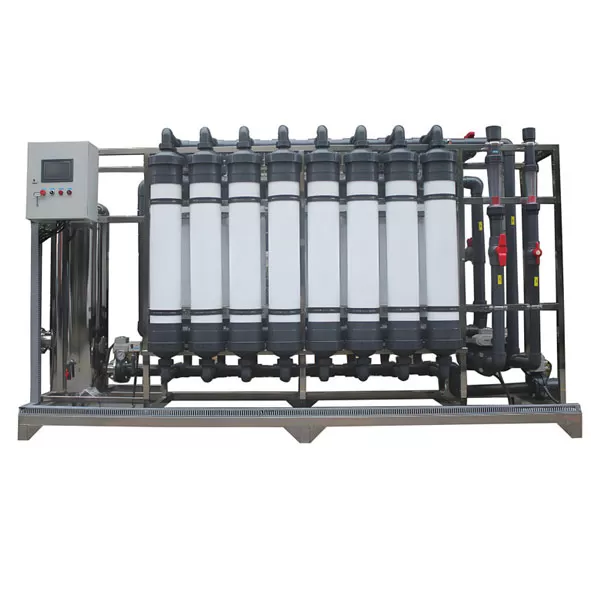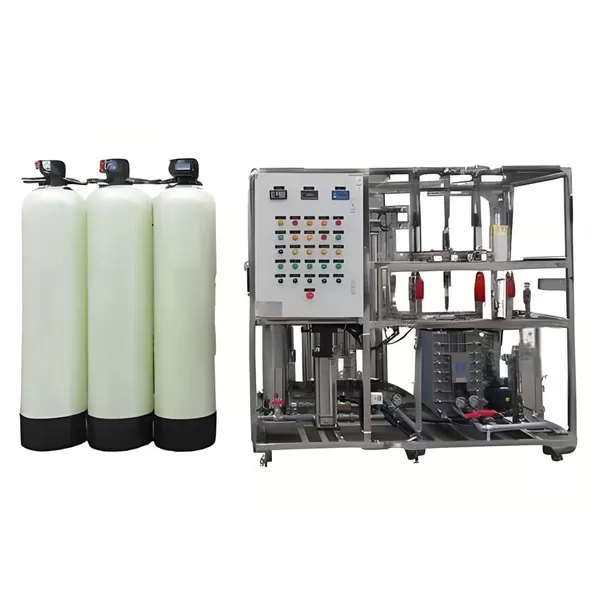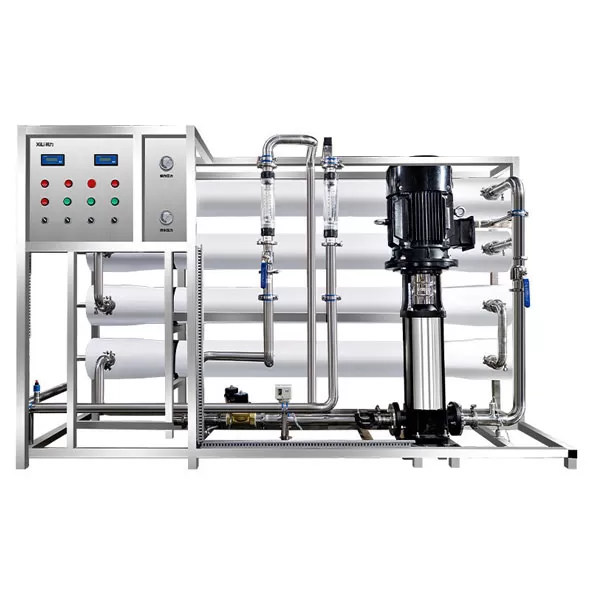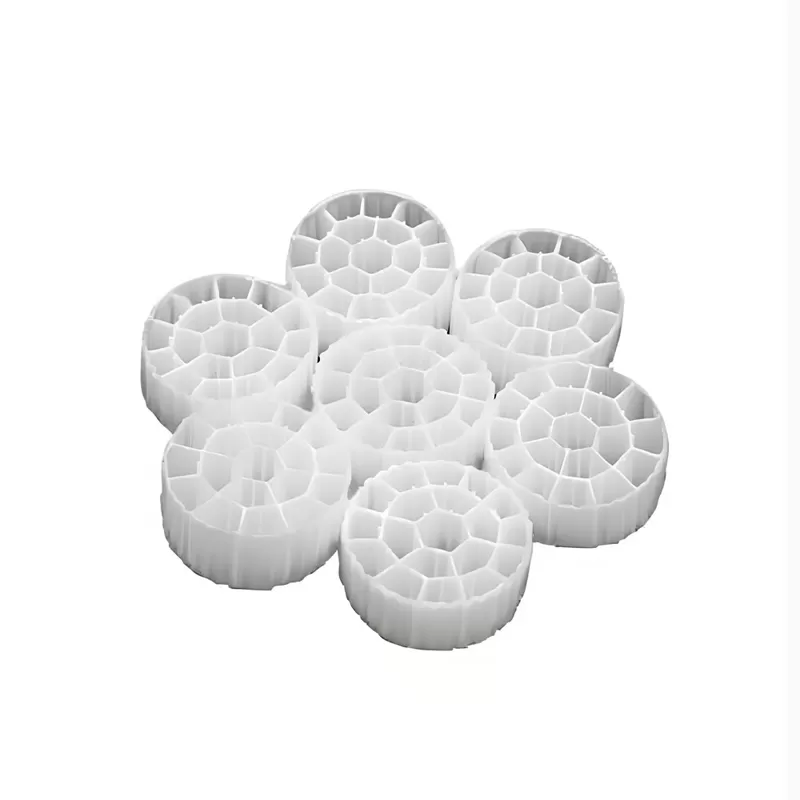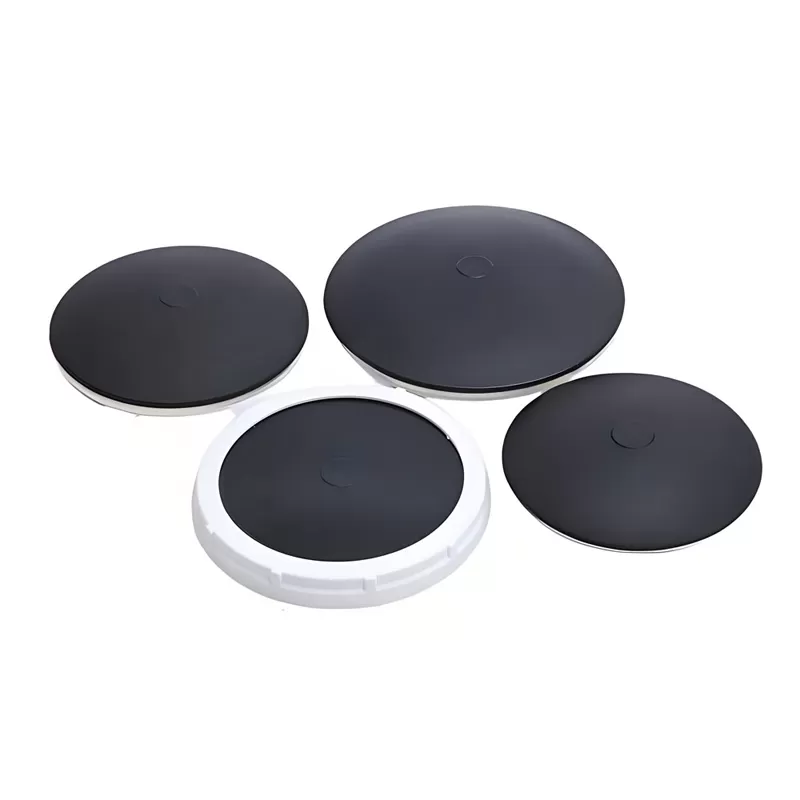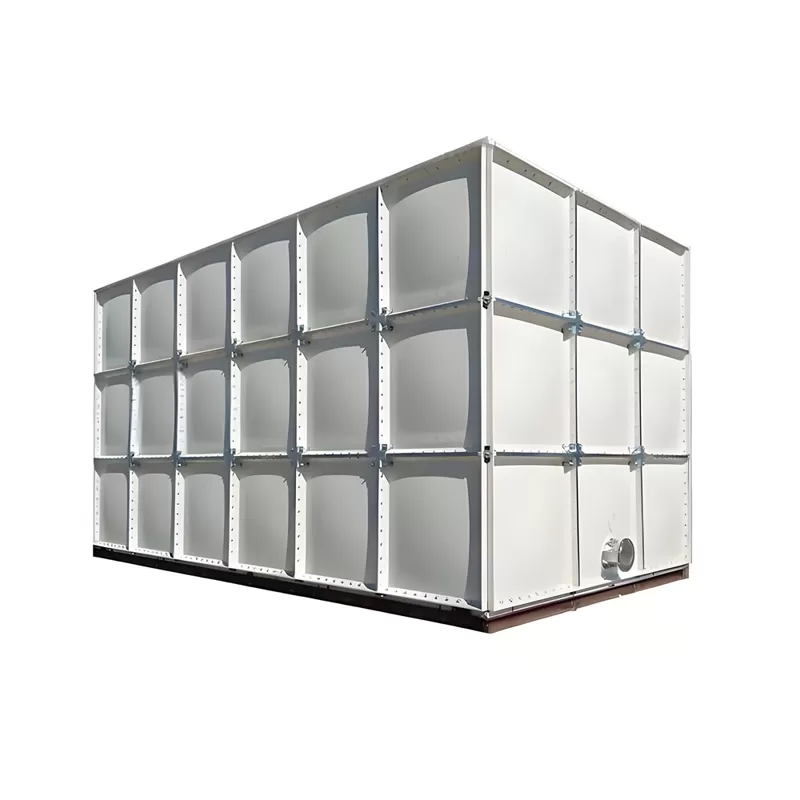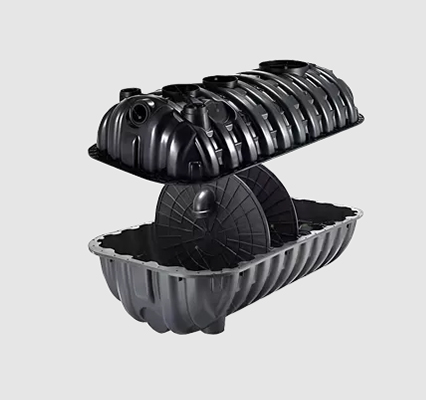
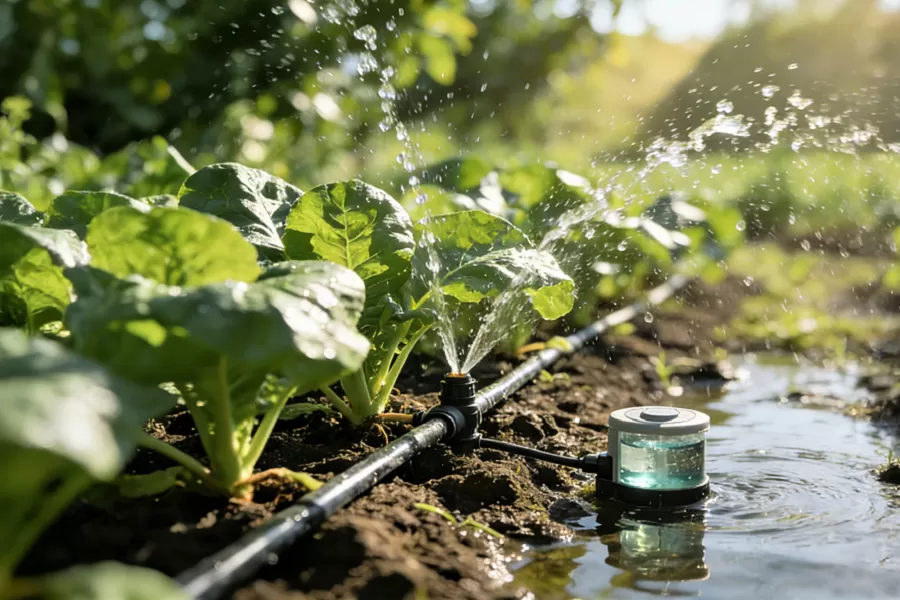
Agricultural Wastewater Treatment Equipment refers to a set of devices or systems specifically designed to treat wastewater generated during agricultural production. The main purpose is to remove organic matter, suspended solids, nitrogen and phosphorus nutrients, pesticide residues, and other harmful substances from the water, so that the treated water meets discharge standards or can be reused safely.
Agricultural wastewater mainly comes from:
Livestock and poultry farms (pig farms, cattle farms, chicken farms, etc., producing manure and flushing water).
Farmland drainage (runoff containing fertilizers, pesticides, and sediment).
Aquaculture (ponds for fish, shrimp, etc., producing water with feed residues and metabolic waste).
Primary agricultural product processing (e.g., washing, peeling, sorting, generating wastewater).
Remove high concentrations of organic pollutants (COD, BOD).
Reduce nitrogen and phosphorus to prevent eutrophication.
Remove suspended solids (SS) and sediment.
Degrade pesticide and fertilizer residues.
Disinfect and kill pathogens (to prevent the spread of harmful microorganisms).
Physical treatment: sedimentation, filtration, dissolved air flotation, etc.
Biological treatment: aerobic/anaerobic fermentation, oxidation ponds, constructed wetlands, etc.
Chemical treatment: coagulation and sedimentation, neutralization, disinfection, etc.
Combined processes: anaerobic + aerobic + constructed wetlands.
Adaptable to dispersed rural layouts, can be made modular or mobile.
Low energy consumption, simple maintenance, easy for non-professionals to operate.
Stable treatment performance, can run continuously or intermittently.
Corrosion-resistant and weather-resistant, suitable for outdoor use.