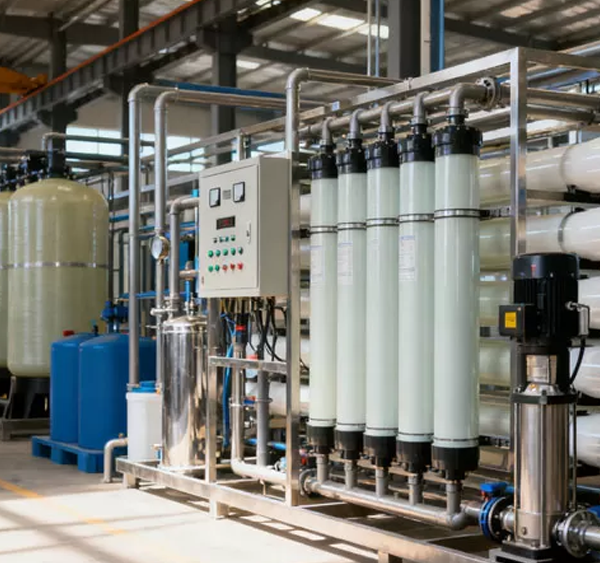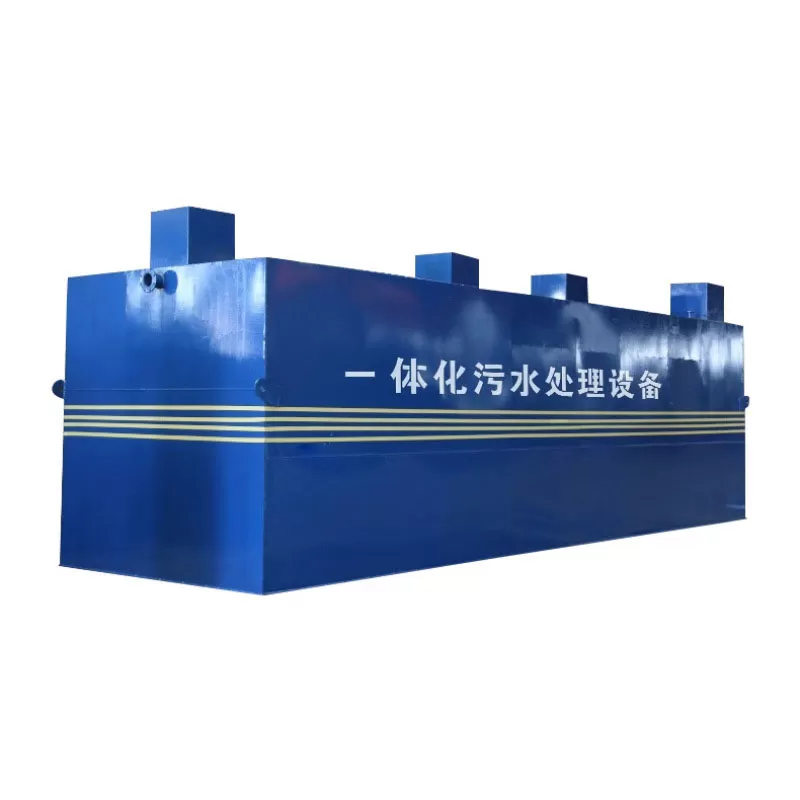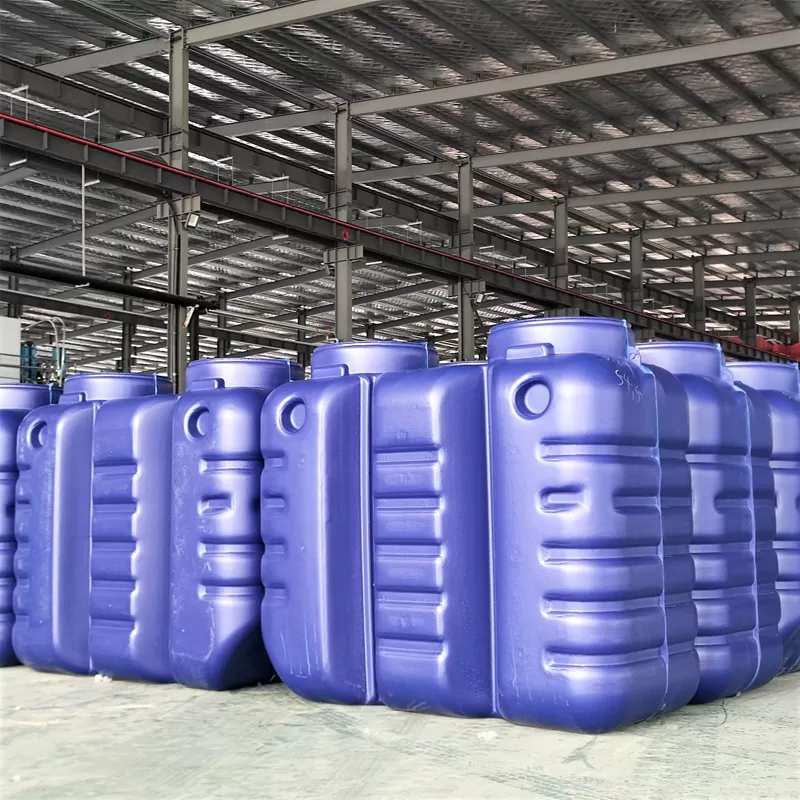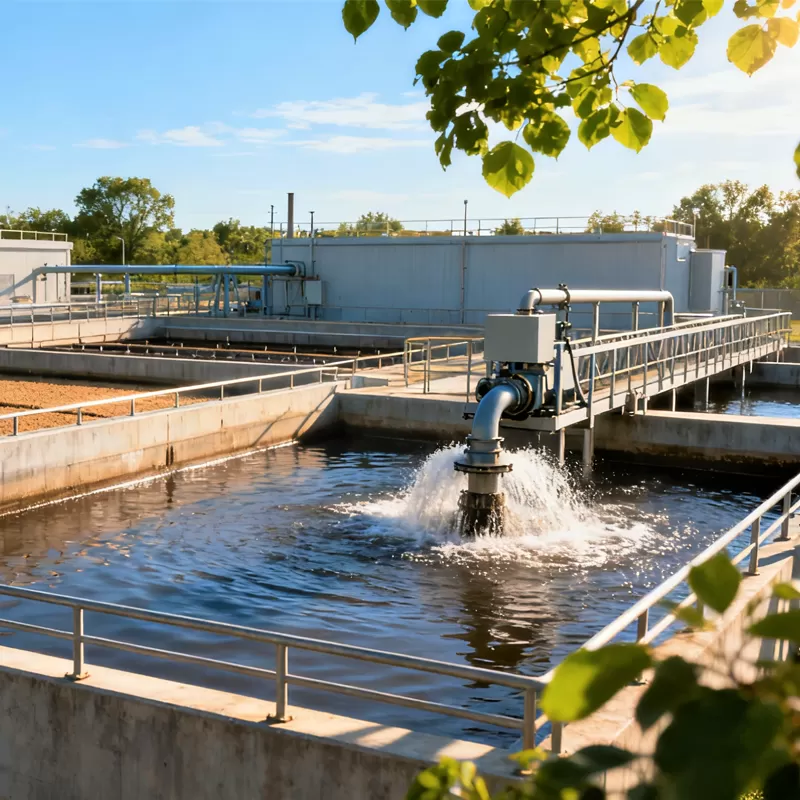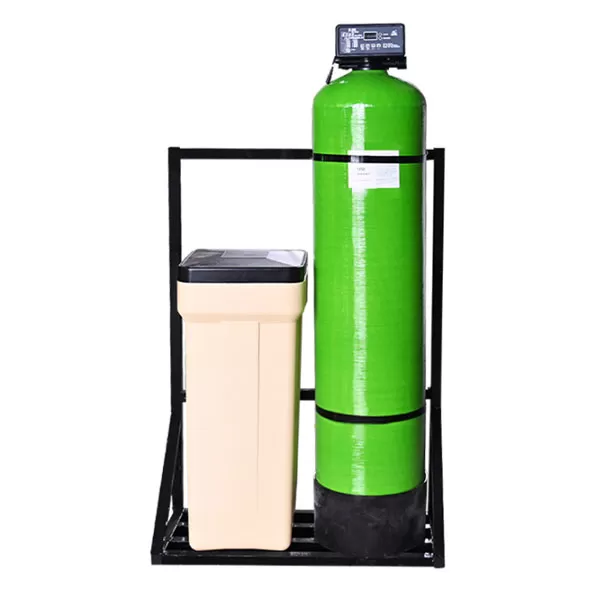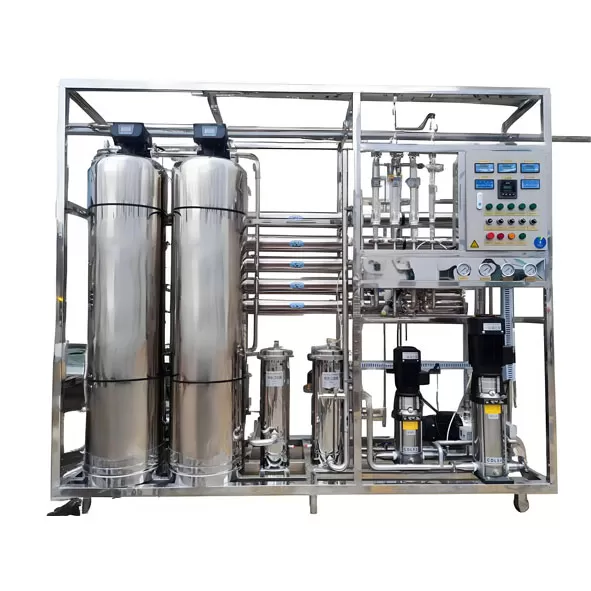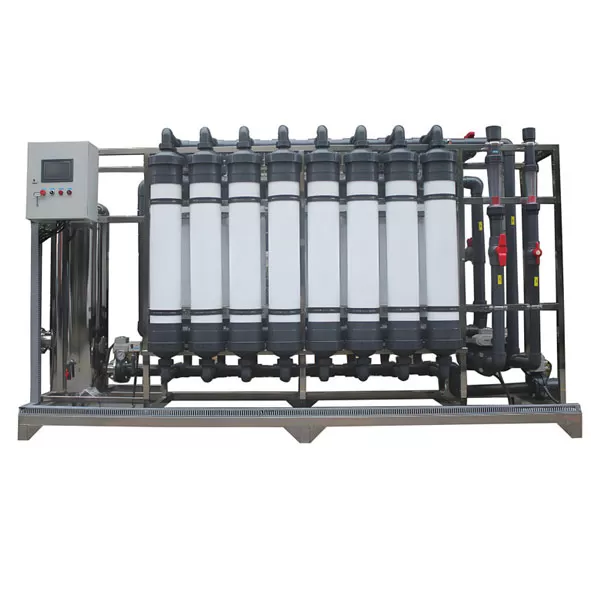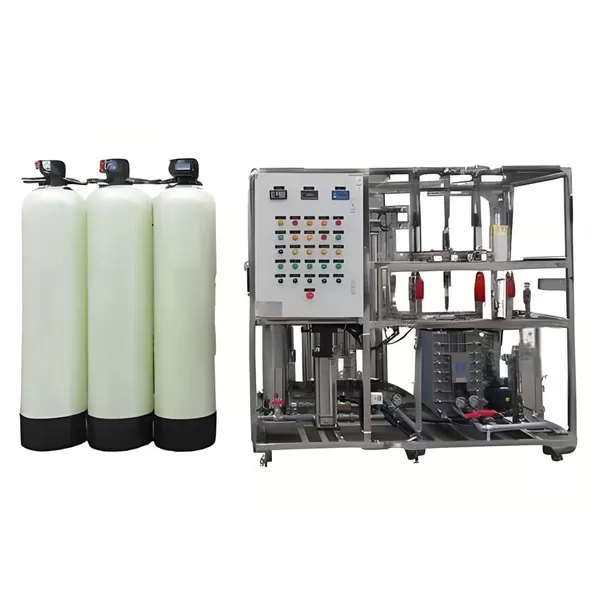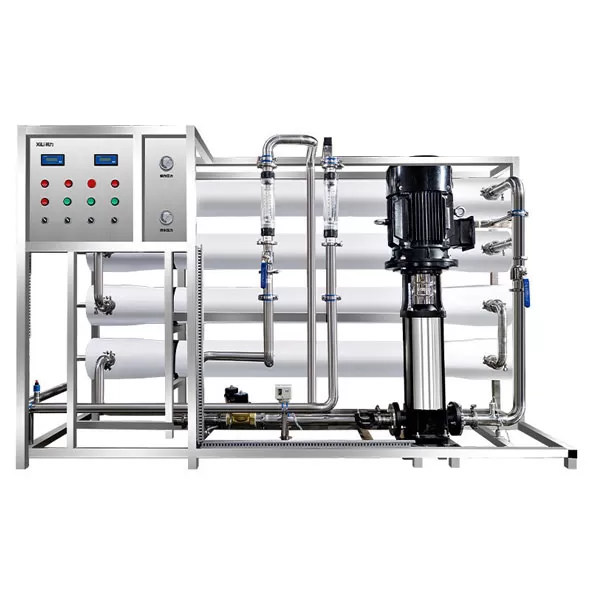
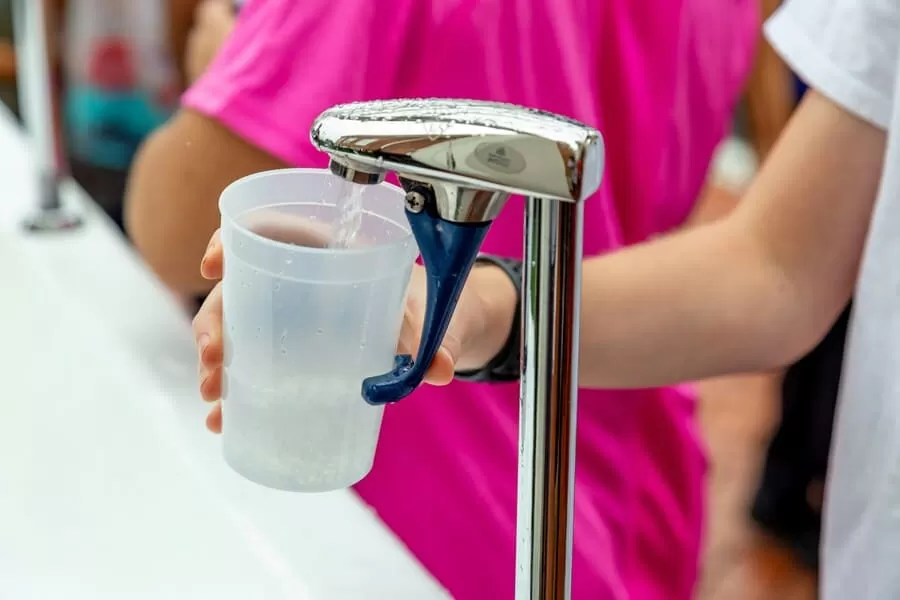
Water purification treatment equipment for direct drinking water in schools and residential areas is a specialized system designed to purify raw water (e.g., tap water, groundwater) into safe, high-quality drinking water that meets potable water standards. These systems are used to provide clean, contaminant-free water for direct consumption in settings like schools, dormitories, and residential communities, ensuring safety, taste, and compliance with health regulations.
Safe Drinking Water Assurance
Produces water free of harmful microorganisms, heavy metals, organic compounds, and chemical contaminants, meeting standards like WHO Drinking Water Guidelines or regional regulations (e.g., EPA Safe Drinking Water Act, GB 5749).
Multi-Stage Purification Process
Pre-treatment: Sand filtration, activated carbon filtration, and softening to remove sediment, chlorine, and hardness.
Core Purification: Reverse osmosis (RO) or ultrafiltration (UF) to remove dissolved salts, heavy metals, and fine particulates.
Disinfection: UV sterilization or ozone treatment to eliminate bacteria, viruses, and pathogens.
Final Filtration: Micron filters to ensure clarity and remove residual impurities.
Automated Control
Features user-friendly control panels or automated systems for real-time monitoring of water quality (e.g., turbidity, pH, residual chlorine) and easy maintenance.
Hygienic Design
Uses food-grade stainless steel (SUS304/316) or BPA-free plastics for pipelines and dispensers, with anti-bacterial coatings or circulation systems to prevent microbial growth.
Flexible Configuration
Customizable for different scales (e.g., single-unit dispensers for schools or centralized systems for residential areas) and water source conditions.
School Drinking Fountains: Purified water for students and staff to ensure safe hydration.
Residential Water Dispensers: Direct drinking water stations in apartment complexes or community centers.
Cafeterias and Kitchens: Water for food preparation and beverage making in school or residential facilities.
Emergency Water Supply: Backup water purification systems for schools or communities during water quality issues.
Public Water Stations: Centralized purified water points in residential areas for resident access.